For decades, backyard bird feeding has been a quiet, predictable ritual. Fill the feeder in autumn, enjoy chickadees and finches through winter, watch warblers pass through in spring, and switch to hummingbird nectar when the weather warms. But climate change is rewriting that calendar. Warmer winters, earlier springs, and shifting weather patterns are confusing both birds and the people who love them. The result? A new set of challenges—and opportunities—for bird enthusiasts.
At Birdbuddy : Home, we closely track these changes because they directly affect how birds interact with feeders, when they arrive, and what they need. In this industry news update, we look at the latest environmental shifts and offer practical advice on adapting your feeding station using smart tools and proper nutrition. Whether you're a seasoned birder or just starting out, understanding climate impacts can help you keep your backyard feathered friends thriving.
How Climate Change Disrupts Bird Migration and Feeding Patterns
Scientists have documented that many North American and European bird species are arriving at their breeding grounds earlier than they did 30 years ago. A study from the Cornell Lab of Ornithology found that nearly two-thirds of migratory species have shifted their spring arrival dates earlier by an average of 0.8 days per decade. This 'phenological mismatch' can create a disconnect between the timing of food abundance (insects, seeds, nectar) and the birds' needs. For example, hummingbirds may arrive before flowers bloom, or warblers may find fewer caterpillars to feed their young.
These shifts directly affect backyard feeders. Warmer winters mean some birds that traditionally migrated now stay put, increasing competition for feeder stations. Others may arrive weeks earlier than you expect, leading to empty feeders at critical times. Additionally, extreme weather events—heatwaves, droughts, heavy rain—can temporarily reduce natural food sources, making feeders more important than ever. Bird enthusiasts must become more flexible, anticipating changes rather than following a fixed seasonal schedule.
- Check regional migration forecasts and adjust feeder filling schedules accordingly.
- Leave feeders out later in fall and earlier in spring to help early or late migrants.
- Provide multiple feeder types (seed, suet, nectar) to support a variety of species adapting to change.
Adapting Your Bird Feeder Setup for Climate Resilience
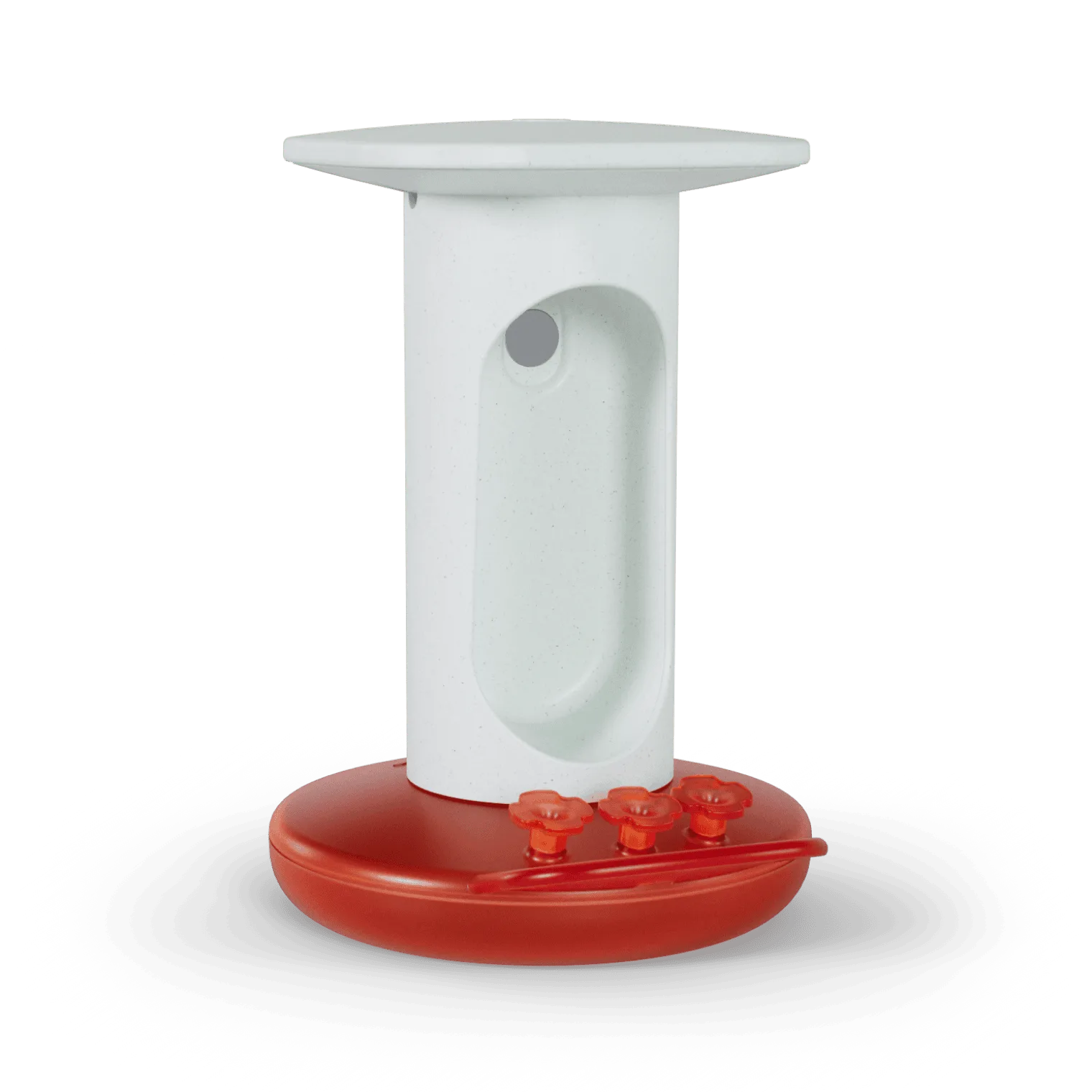
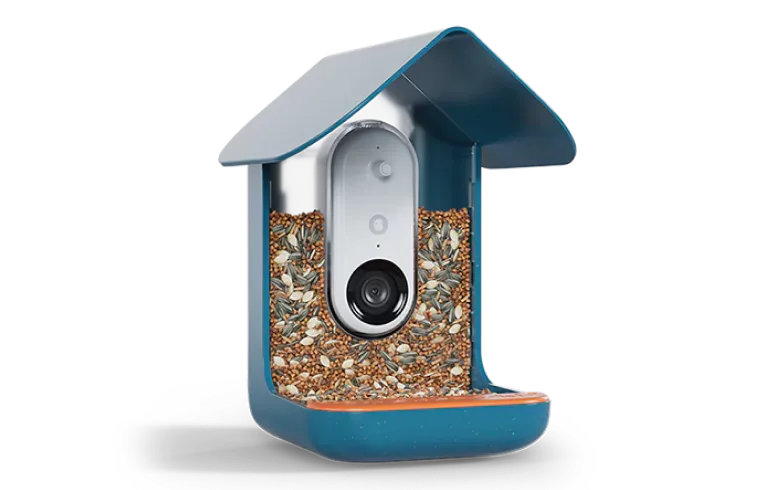
One of the smartest ways to cope with unpredictability is to use technology that monitors activity and adapts to conditions. The https://nexaelectroai.shop/products/birdbuddy-pro-solar-221217Birdbuddy Pro Solar and https://nexaelectroai.shop/products/smart-hummingbird-feeder-pro-solar-221218Smart Hummingbird Feeder Pro Solar are two examples of intelligent feeders that help you stay in tune with changing bird patterns. These solar-powered devices use built-in cameras and sensors to capture visits, analyse species, and send real-time notifications to your phone. If a rare warbler shows up two weeks early, you'll know instantly—and you can adjust your feeder offerings accordingly.
Climate change also means more extreme heat and sun exposure, which can degrade nectar and seed quality. Solar-powered feeders themselves are an eco-friendly choice, but the Solar Roof add-on for existing Birdbuddy models provides shade and weather protection. Proper placement also matters: during heatwaves, move feeders into partial shade to prevent spoilage. During heavy storms, secure feeders with a Wall Mount to prevent tipping and spills. By making small infrastructure adjustments, you can keep your feeding station reliable through all seasons.
- Use a Smart Hummingbird Feeder Pro Solar to track early arrivals and nectar consumption.
- Add a Solar Roof to protect feed and extend battery life on sunny days.
- Install feeders on a sturdy Wall Mount to withstand strong winds and storms.
Nutritional Support for Birds Under Environmental Stress
When natural food sources are scarce or out of sync, birds rely more heavily on supplemented feed. But not all bird food is created equal. Climate-stressed birds—those dealing with heat, drought, or late cold snaps—need high-energy, nutrient-dense options. This is where the 3-in-1 Nutrition Set becomes an invaluable tool. It provides a balanced blend of seeds, nuts, and minerals specifically designed to support immune health and energy reserves during challenging periods.
Similarly, hummingbirds face their own climate challenges. Warmer temperatures cause nectar to ferment faster in feeders, which can be harmful. Using a Smart Hummingbird Feeder Pro with temperature-monitoring features helps you change nectar more frequently when needed. Additionally, offering supplementary feeding stations like the Nature Station Essential with multiple food types (suet, fruit, seeds) ensures that birds visiting your yard have access to diverse nutrition, especially during sudden weather swings. Consistent, high-quality feeding can make the difference between survival and decline for local bird populations.
- Offer high-fat suet and nyjer seed during cold snaps that arrive unexpectedly in spring or fall.
- Use the 3-in-1 Nutrition Set to deliver balanced minerals and energy in one convenient tray.
- Set up a Nature Station Essential to attract a wide range of species during unpredictable seasons.
Industry Response: How Birdbuddy Is Innovating for a Changing Climate
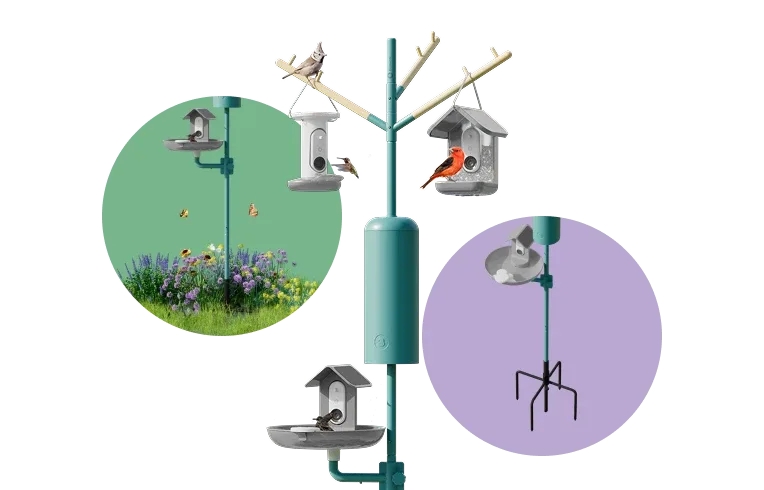
The bird feeding industry is evolving rapidly to meet the challenges of climate change. Birdbuddy's product line is designed with adaptability in mind. Solar-powered feeders reduce reliance on batteries and lower the environmental footprint of birdwatching. The Perch Extender allows you to accommodate larger birds or multiple visitors at once, reducing competition pressure when flocks show up unexpectedly due to early migration.
Moreover, the data gathered by smart feeders contributes to citizen science initiatives. Your feeder’s camera captures images that help researchers track species distributions and timing shifts. This feedback loop benefits both individual birders and the broader conservation community. By choosing climate-adaptive products like those from Birdbuddy, you're not just feeding birds—you're participating in a growing network of climate monitoring that informs conservation decisions.
- Smart feeders generate species logs that can be shared with migration tracking databases.
- Solar panels reduce e-waste and operational costs while powering continuous monitoring.
- The Perch Extender helps manage increased feeder traffic during erratic migration periods.
As climate change continues to reshape bird behavior, adapting your backyard feeding strategy is both a practical necessity and a rewarding way to support local wildlife. Start by upgrading to a climate-smart feeder like the Smart Hummingbird Feeder Pro Solar, and complement it with the 3-in-1 Nutrition Set to ensure your feathered visitors get the nutrients they need when natural sources fall short. Explore the full Birdbuddy collection to build a feeding station that's resilient, sustainable, and ready for whatever the changing seasons bring.