A bird-friendly garden is more than just a pleasant space—it is a vital refuge for birds facing habitat loss and changing climates. By designing your yard with birds in mind, you provide food, water, shelter, and nesting sites that help local species thrive. Whether you have a sprawling backyard or a small balcony, thoughtful additions can turn any outdoor area into a vibrant ecosystem.
Birdbuddy offers a range of smart bird-feeding solutions that make it easier than ever to attract birds to your garden while also monitoring their activity. Combining innovative technology with sustainable design, these products help you create a nurturing environment that birds will return to again and again. In this guide, we’ll walk through the essential steps for building a bird-friendly garden and show you how Birdbuddy products can elevate the experience.
Why a Bird-Friendly Garden Matters
Birds play a critical role in garden health. They control insect populations, pollinate flowers, and disperse seeds. A garden designed for birds also supports pollinators like bees and butterflies, creating a balanced ecosystem. Beyond ecology, watching birds reduces stress and deepens your connection to nature. By creating bird habitat, you contribute to conservation efforts right from your own home.
Urbanization and intensive agriculture have diminished natural food sources and nesting areas. Small, intentional spaces—even urban gardens—can become vital stopovers for migratory birds and year-round refuges for residents. The key is providing the four essentials: food, water, shelter, and a safe place to raise young.
- Provide clean water for drinking and bathing
- Include native plants for natural food and cover
- Offer diverse food sources through feeders
- Create safe nesting spots and perching areas
Essential Elements of a Bird Habitat
Water is the most effective attractant. A simple birdbath, shallow dish, or small fountain draws birds for drinking and bathing. Place water near shrubs or trees so birds have an escape route from predators. Keep it clean and refreshed, especially in hot weather.
Shelter comes from layers of vegetation—trees, shrubs, ground cover, and even dead branches. Evergreens provide winter cover, while dense shrubs offer nesting sites. Leave some leaf litter for insect-eating birds. Avoid excessive pruning that removes protective cover.
Food can be provided through feeders and natural sources. Different birds have different preferences: sunflower seeds for finches, suet for woodpeckers, nectar for hummingbirds. Using a high-quality smart feeder like the https://nexaelectroai.shop/products/birdbuddy-pro-solar-221217Birdbuddy Pro Solar ensures you can monitor visits and keep food fresh while contributing to a healthy garden.
How Birdbuddy Products Enhance Your Bird-Friendly Garden
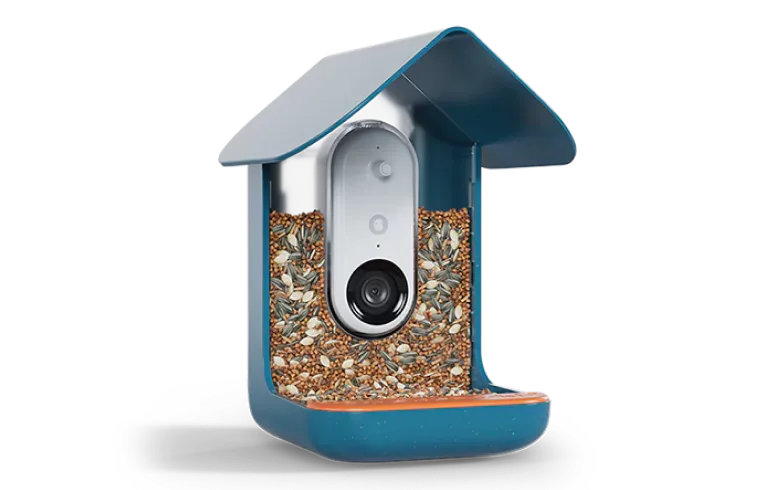
Birdbuddy’s products are designed to meet the needs of both birds and birdwatchers. The Birdbuddy Pro Solar is a standout smart feeder that captures high-resolution images and videos of visiting birds, powered by an integrated solar panel. It minimizes battery changes and operates reliably in all weather. By placing this feeder in a visible yet sheltered spot, you’ll attract a variety of birds while being able to identify and learn about each species from your phone.
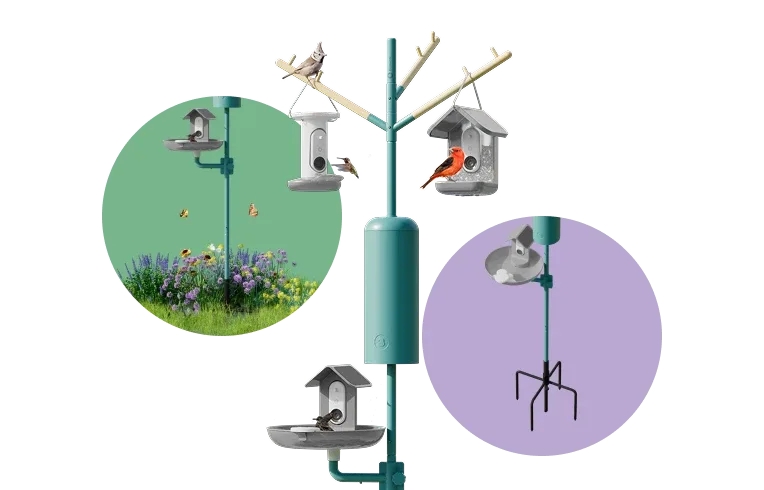
For those looking to create a complete habitat hub, the Nature Station Essential is an excellent addition. This modular setup combines multiple feeding and perching options in one compact station, encouraging birds to linger and explore. It can hold different types of food and provides perches that accommodate birds of all sizes. Pair it with the Perch Extender to add extra perching space and reduce competition at busy feeders. Together, these elements turn a simple feeder into a dynamic avian gathering place.
- The Birdbuddy Pro Solar uses renewable energy to keep the camera and connectivity running
- The Nature Station Essential offers multiple feeding positions for variety
- The Perch Extender expands perching space and reduces crowding
Planting for Birds: Native Flora That Attracts and Nourishes
Native plants are the backbone of a bird-friendly garden. They produce berries, seeds, and nectar that birds have evolved to eat, and they host insects that many birds feed to their young. Choose a mix of trees, shrubs, and flowering perennials that bloom and fruit at different times to provide a year-round food supply.
Consider plants like serviceberry, elderberry, sunflowers, coneflowers, and milkweed. Leave spent flower heads on in autumn—birds will pick out seeds. Avoid pesticides and herbicides that can poison birds and their food sources. Instead, encourage beneficial insects and let natural checks and balances work.
- Plant in layers: canopy, understory, shrub, and ground cover
- Include evergreen species for winter shelter
- Let seed heads and berries remain into winter
Maintaining Your Bird-Friendly Garden with Birdbuddy
Regular maintenance keeps your garden safe and inviting. Clean feeders every two weeks with mild soap and water to prevent disease. Check the Birdbuddy Pro Solar’s solar panel for dust or debris to ensure optimal charging. The Nature Station Essential requires occasional tightening of screws and clearing of seed debris from trays.
Monitor water sources for algae and refresh daily in summer. In winter, use a heated birdbath or place a small solar heater to keep ice at bay. Prune shrubs and trees in late winter to promote dense growth for nesting season. By staying attentive, you create a healthy environment that birds will return to year after year.
Creating a bird-friendly garden is a rewarding journey that starts with small, intentional changes. By providing water, shelter, and nutritious food—and by using smart tools like the Birdbuddy Pro Solar and Nature Station Essential—you can build a welcoming habitat that supports local birds and brings nature’s beauty closer to home. Start today and enjoy the endless delight of a garden alive with birds.