Quick answer
Frame bird and wildlife prints with UV-filtering glazing and an acid-free mat, hang them away from direct sun and damp walls, and dust only with a dry microfiber cloth. These three habits prevent most fading, warping, and surface damage.
Why wildlife prints need different care than posters
Limited edition wildlife photographs often rely on subtle tonal shifts—the weathered skin of a seal against snow, or the wing edges of a gannet in flight. Fading or surface scuffs erase those details first, so the stakes are higher than with a replaceable poster.
The two products below show why display choices matter: one is a close, low-contrast portrait where subtle tones carry the image, and the other is a flight shot where wing detail depends on sharp contrast.
The frame decision that matters most
UV-filtering glazing is the single biggest upgrade for any fine art print. Standard glass blocks some light but not enough to stop gradual fading. Acrylic glazing with UV protection is lighter and safer for large sizes, while glass offers scratch resistance if the print hangs where it might be touched.
An acid-free mat keeps the print off the glazing and provides a buffer against humidity. Skipping the mat saves money but risks condensation marks and ink transfer.
Wildlife print care FAQ
Where should I hang a bird or wildlife print?
Choose an interior wall that receives no direct sunlight and stays away from bathrooms, kitchens, and radiators. Indirect light is fine; sustained direct sun is not, even with UV glazing. Check the wall with a light meter app at noon—if it reads above 1,000 lux for hours, pick another spot.
Do I need UV glazing for a gannet wall art print?
Yes, if the room gets any daylight. UV glazing slows fading but does not stop it entirely, so pair it with a location out of direct sun.
How do I clean a framed seal portrait print?
Dust the frame and glazing with a dry microfiber cloth. For fingerprints on glass, spray a small amount of water or glass cleaner onto the cloth—never onto the frame—and wipe gently. Avoid paper towels, which can scratch acrylic. Never spray liquid directly on the frame; moisture can seep behind the glazing.
Can I hang a wildlife print in a bathroom?
Avoid it unless the room has strong ventilation and the print is fully sealed with a moisture-resistant backing. Steam causes paper to cockle and can encourage mold behind the glazing.
What should I do if the print looks wavy inside the frame?
Slight rippling is common in humid weather and often settles. If it persists, take the print to a framer to check the backing and mat—do not press on the glazing or try to flatten the print yourself.
How should I store a print that is not on display?
Keep it flat in an acid-free portfolio or box, interleaved with acid-free tissue, in a cool, dry room. Do not store it in a basement, attic, or garage where temperature and humidity swing. Label the portfolio with the date and product name so you can find it without handling the print.
Product-specific care notes
-
Northern Gannet in flight | Limited Edition of 10: Limited edition of 10, available in select dimensions. Because only ten exist, choose a frame size and hanging spot you can commit to before ordering—replacing a damaged print may not be possible.
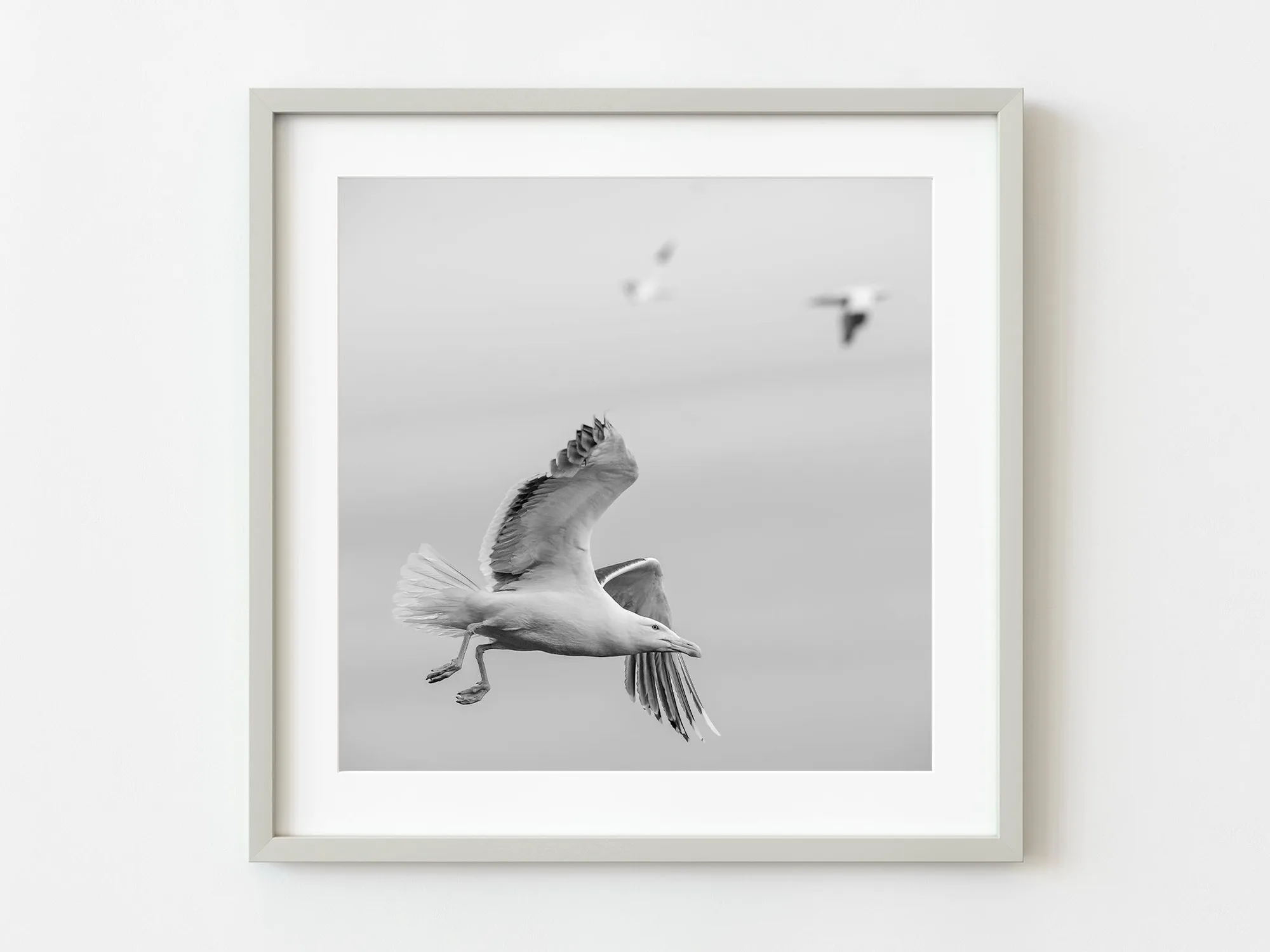
Northern Gannet in flight | Limited Edition of 10
-
Antarctica Antarctic Peninsula Seal Portrait Winter Wildlife Calm Natural Wall Art Photography | Limited Edition of 10: The seal portrait is a limited edition of 10 with an intimate, low-contrast composition against snow. Low-contrast images show dust and smudges more readily, so keep the glazing clean and avoid touching the print surface.
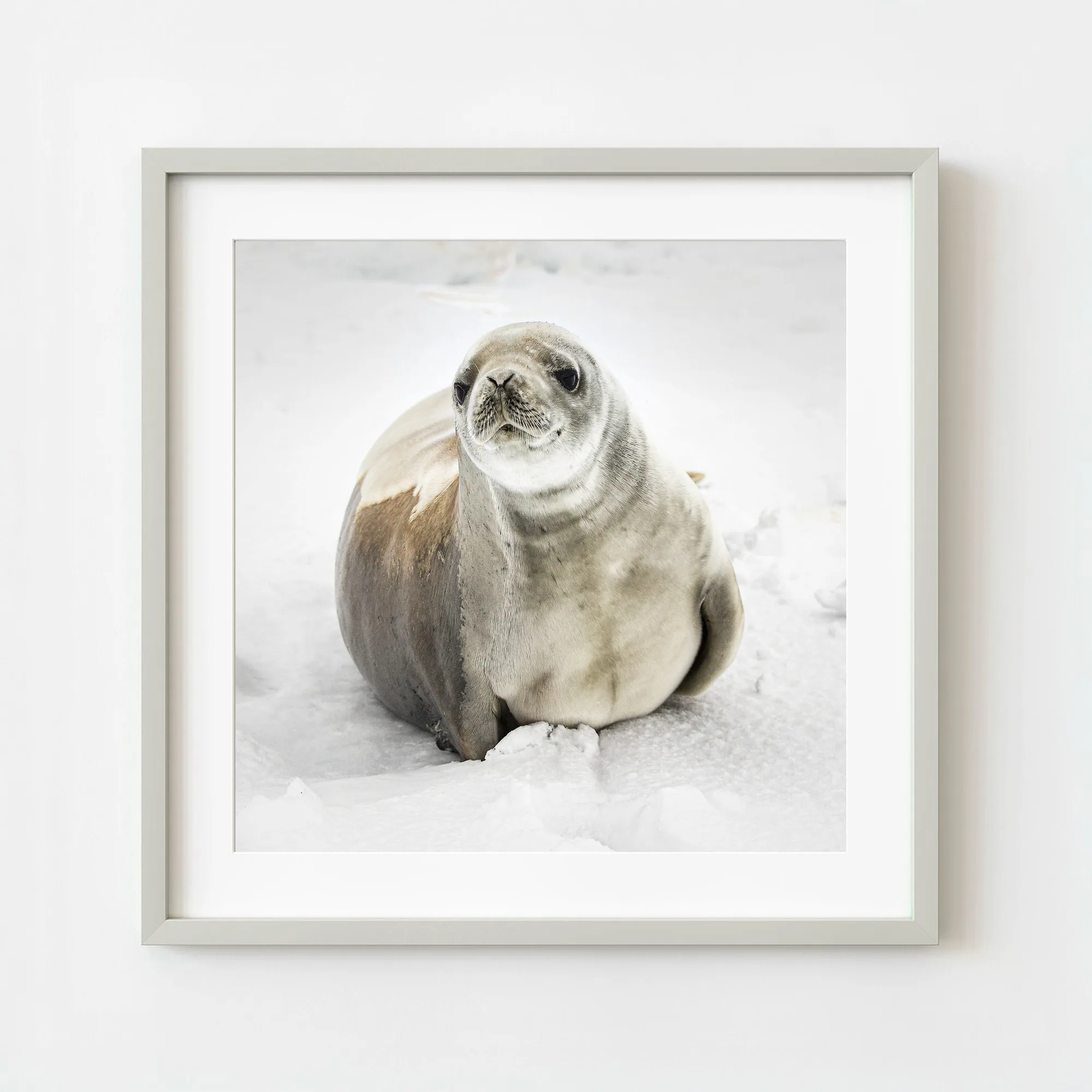
Antarctica Antarctic Peninsula Seal Portrait Winter Wildlife Calm Natural Wall Art Photography | Limited Edition of 10