Smart bird feeders have transformed backyard birdwatching, allowing you to capture high-resolution photos and videos of visiting birds while tracking species in real time. With dozens of smart feeder brands now on the market, choosing the right one can feel overwhelming. Birdbuddy has emerged as a leader in this space, but how does it actually compare to other smart feeders? In this buying guide, we break down the key differences between Birdbuddy and its competitors, helping you decide which smart feeder is worth your investment in 2026.
Whether you are upgrading from a traditional feeder or buying your first connected bird feeder, understanding the trade-offs between camera resolution, power options, subscription costs, and the overall ecosystem is critical. We will look at how Birdbuddy’s models — from the core Birdbuddy Pro to the solar-powered variants — stack up against other popular smart feeder brands like Netvue, Birdfy, and Wyze Bird Feeder Cam. By the end of this guide, you will have a clear picture of what each platform offers and which one best suits your backyard and budget.
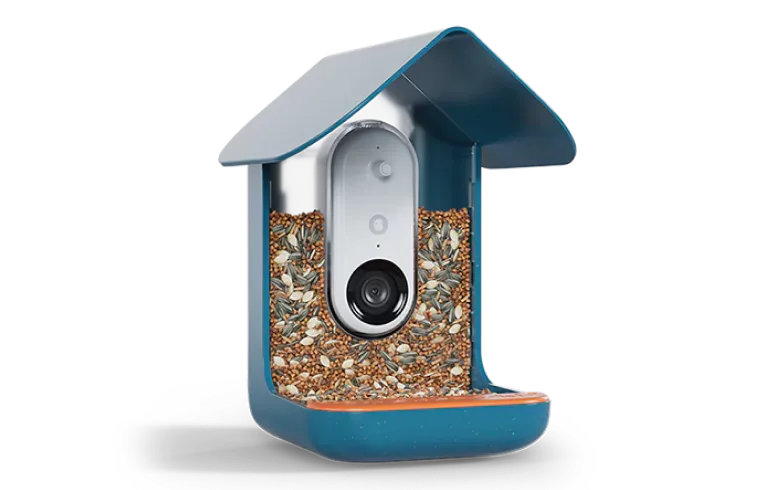
Birdbuddy Pro
Key Factors to Consider When Choosing a Smart Feeder
Before diving into a head-to-head comparison, it helps to establish the criteria that truly matter for a smart feeder. Camera quality is the most obvious differentiator: the resolution, field of view, and night vision capabilities determine whether you get sharp, shareable images or blurry silhouettes. Connectivity matters too — most smart feeders rely on Wi‑Fi, but some offer optional cellular backup or local storage. Another crucial factor is power source. While many feeders run on standard batteries or USB power, solar options like those from Birdbuddy eliminate the hassle of frequent battery changes and make the feeder truly self-sustaining.
The accompanying app and subscription model also deserve close attention. Some brands charge a monthly fee for species identification, unlimited cloud storage, or AI photo tagging. Others, like Birdbuddy, include a generous free tier and optional premium upgrades. Finally, consider expandability. Can you add a perch extender, wall mount, or extra feeder modules? A modular ecosystem lets you grow your setup over time without replacing the core feeder. Evaluating these aspects side by side will help you see why Birdbuddy often outshines generic alternatives.
- Camera quality: Look for at least 1080p HD with night vision and a wide field of view.
- Power source: Solar panels or rechargeable batteries save money and hassle in the long run.
- App & AI features: Free species identification and unlimited storage are valuable perks.
- Ecosystem compatibility: Additional accessories like perch extenders and wall mounts add flexibility.
Birdbuddy vs Other Smart Feeders: Feature Comparison
When comparing Birdbuddy directly to other smart feeders, several key advantages stand out. Many competing feeders offer only basic motion capture and rely on a single sensor. Birdbuddy, however, uses a proprietary camera module that captures 1080p video and 12‑megapixel stills, with infrared night vision that works even in complete darkness. Its AI species recognition, powered by a dedicated neural engine, identifies over 1,000 bird species in real time — something many budget feeders reserve for paid subscriptions. Birdbuddy also offers a cleaner, modern design that blends into your garden rather than sticking out like a bulky gadget.
Another differentiator is the solar ecosystem. The Birdbuddy Pro Solar integrates a high‑efficiency solar panel directly into the feeder’s roof, allowing it to run indefinitely without wiring or battery swaps. While brands like Netvue and Birdfy offer solar accessories, they are usually add‑on panels that must be positioned separately and often require direct sunlight all day. Birdbuddy’s implementation is seamless: the solar panel is built into the design and paired with a rechargeable battery that stores energy for cloudy days. This makes the Birdbuddy Pro Solar a truly set‑it‑and‑forget‑it solution, ideal for busy bird lovers.
- Birdbuddy’s AI is free for basic species identification; many competitors charge a monthly fee.
- The Birdbuddy Pro Solar panel is integrated, not a separate accessory, maximizing efficiency.
- Birdbuddy supports local storage (microSD) in addition to cloud backup for peace of mind.
Understanding the Birdbuddy Ecosystem: More Than Just a Feeder
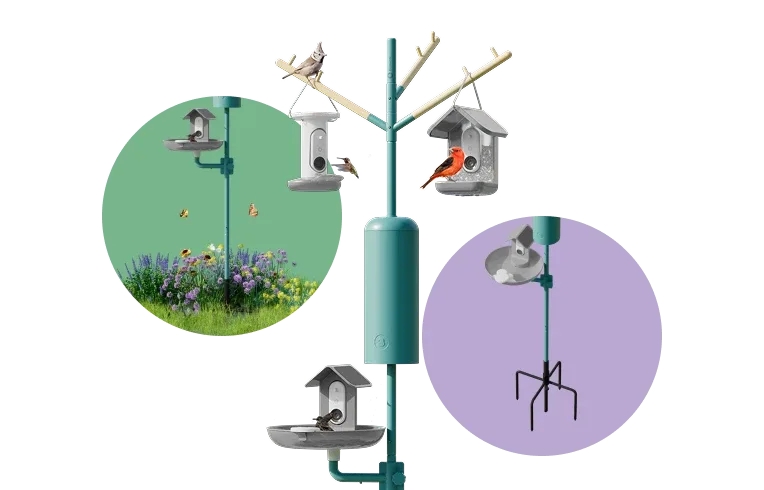
One of the strongest reasons to choose Birdbuddy over generic smart feeders is the growing ecosystem of accessories and add‑ons. The core Birdbuddy Pro gives you a reliable smart feeder with the best camera and AI, but you can enhance it with the Perch Extender to attract larger birds, or the Wall Mount for secure installation on fences or siding. If hummingbirds are your priority, the dedicated Smart Hummingbird Feeder Pro brings the same camera and AI technology to a nectar‑focused design — something few competitors offer in a single cohesive system.
Beyond feeders, Birdbuddy’s 3‑in‑1 Nutrition Set provides a convenient way to offer seeds, mealworms, and suet in one unit, while the Nature Station Essential gives you a complete observation hub with multiple feeding stations. This modular approach means you can start with a single Birdbuddy Pro and gradually build a customized backyard network. No other smart feeder brand offers this level of interoperability across different feeding types. For homeowners who want a unified app to manage multiple feeders, the Birdbuddy platform is unmatched.
- The Birdbuddy Pro can be expanded with perches, mounts, and companion feeders.
- The Smart Hummingbird Feeder Pro is a dedicated solution with the same AI and camera quality.
- All Birdbuddy accessories work seamlessly with the same app and subscription account.
Which Birdbuddy Model Is Right for You?
If you are already leaning toward Birdbuddy, the next step is picking the specific model that fits your yard and lifestyle. The standard Birdbuddy Pro is excellent for most backyards — it runs on rechargeable batteries that last several weeks, offers the full AI species library, and works with all accessories. For those who prefer a self‑sustaining setup and live in a sunny area, the Birdbuddy Pro Solar is the best choice: the built‑in solar panel keeps the battery topped up, so you rarely need to touch it. If hummingbirds are your main interest, the Smart Hummingbird Feeder Pro offers the same smart features in a nectar feeder, and you can add the Smart Hummingbird Feeder Pro Solar for solar autonomy.
For birders on a budget or those with limited yard space, the Nature Station Essential provides a more compact, non‑smart feeder that still looks beautiful and supports multiple food types. Meanwhile, the Smart Hummingbird Feeder Housing is an affordable starting point if you want to upgrade later with a solar roof. The flexibility of the Birdbuddy lineup means you can always add solar power or expanded feeding capacity as your interest grows — a level of future‑proofing that generic feeders rarely offer.
- Choose the Birdbuddy Pro for the best balance of features and price.
- Go with the Birdbuddy Pro Solar if you want zero maintenance and maximum uptime.
- Select the Smart Hummingbird Feeder Pro if hummingbirds are your main attraction.
- Start with the Nature Station Essential for a beautiful, low‑cost traditional feeder.
Ultimately, the choice between Birdbuddy and other smart feeders comes down to how much you value a polished ecosystem, integrated solar power, and top‑tier AI recognition without recurring fees. While other brands may offer lower upfront costs, Birdbuddy’s modular design and freedom from mandatory subscriptions make it the smarter long‑term investment. Ready to transform your backyard into a connected birdwatching haven? Explore the Birdbuddy Pro and discover why it remains the best smart feeder for 2026.