Black seed oil questions, answered from the product record
How do I use black seed oil?
The supplied record describes black seed oil as versatile: it can be incorporated into a skincare regimen or taken as part of a daily health routine. It does not give a specific serving size, timing, or application method, so treat those as label decisions rather than something this article can settle. If you plan to take it internally, follow the directions on the bottle you receive and check with a qualified professional if you take medication, are pregnant or breastfeeding, or have a health condition.
What does black seed oil taste like, and how can I make it easier to take?
The record does not describe the flavor, so any taste description would be guesswork. What it does confirm is that the oil is pure and natural, which usually means the taste is part of the experience rather than something masked by added flavoring. Practical taste tips: take it with water or another drink, mix it into food you already eat, or pair it with honey as described below. Start with a small amount so you know how you react before committing to a full serving.
How should I store black seed oil?
The supplied information does not include storage instructions, a shelf life, or a recommended temperature range. That is a real gap, not a hidden instruction. A sensible default for a pure oil in a 100 ml bottle is to keep it tightly closed, away from direct sunlight and heat, and to follow whatever storage guidance appears on the label. If the label says refrigerate after opening, do that; if it does not, a cool, dark cupboard is the safer assumption than a warm windowsill.
How much black seed oil should I take daily?
There is no daily amount in the supplied record, so this article cannot give you a number. Anyone who quotes a precise daily amount for this product without pointing to the label is guessing. Check the bottle's directions, and if you are combining black seed oil with other supplements or medications, ask a pharmacist or clinician before setting a routine.
Can I take black seed oil with honey?
The record does not mention honey or any pairing, so there is no manufacturer instruction to follow here. Combining the oil with honey is a common way people make a strong-tasting oil easier to take, but it is a personal preference, not a documented protocol. If you try it, keep the oil amount consistent with the label and remember that honey adds sugar to your day.
Can I use black seed oil on my hair and skin?
The record explicitly lists skincare as one of the ways the oil can be incorporated, so skin use is within the product's described scope. Hair use is not mentioned in the supplied information, so treat it as unconfirmed rather than endorsed. For either, patch-test on a small area first, avoid the eyes, and stop if you notice irritation. If you have a skin condition, ask a professional before applying any new oil.
What the Black Seed Oil record confirms
-
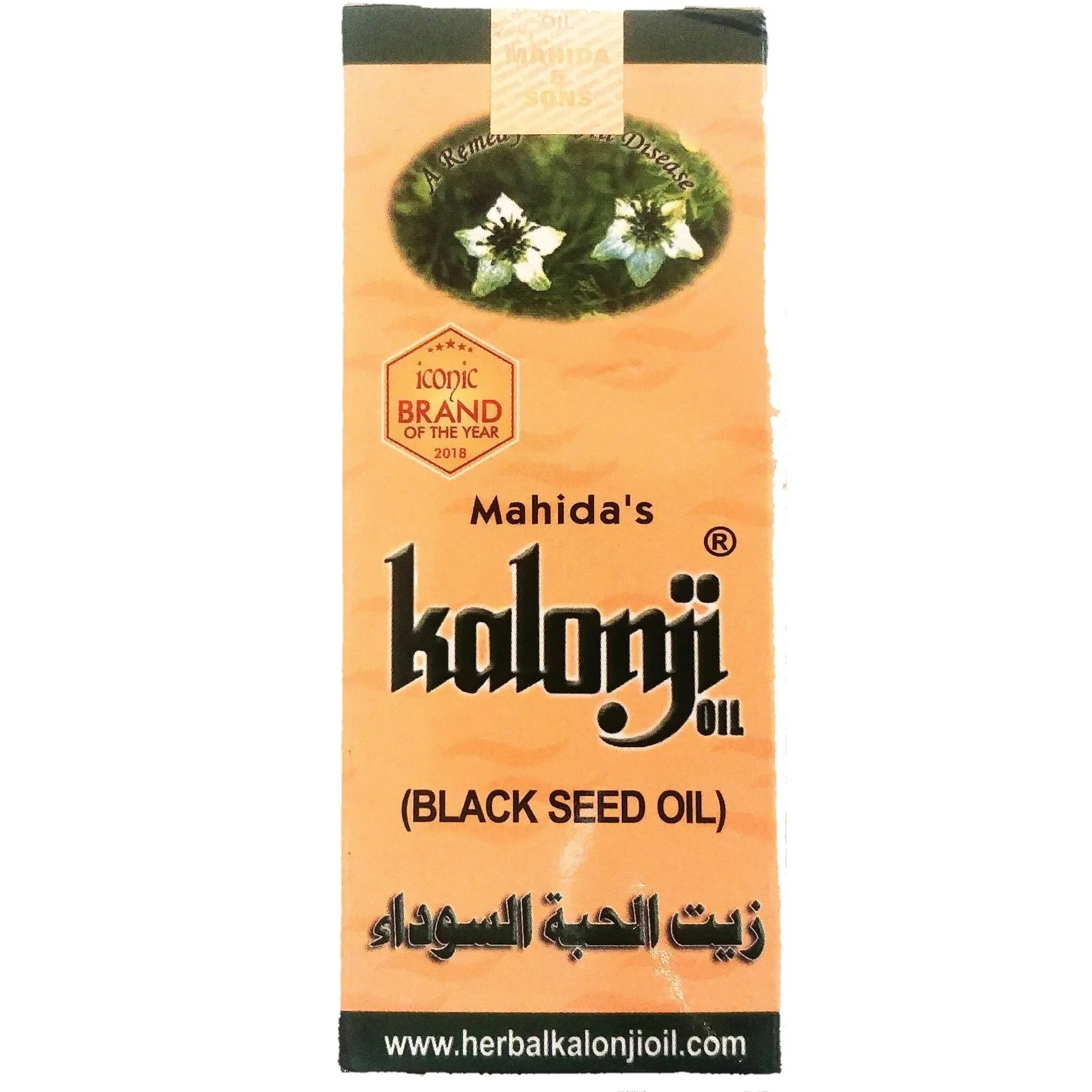
Black Seed Oil: Black Seed Oil is supplied as 1 x Blackseed Oil (100 ml). The 100 ml bottle size is the one concrete specification in the record, and it is what you will actually have in hand when deciding how long a bottle lasts.
Black Seed Oil
-
Black Seed Oil: The oil is sourced from the seeds of the Nigella sativa plant. Nigella sativa is the botanical identity behind the name black seed oil, so this confirms you are looking at the traditional oil rather than a blend.
-
Black Seed Oil: The record describes the oil as pure and natural, with essential fatty acids and antioxidants. These are the product's stated qualities, and they are the reason the record frames it as a daily wellness addition rather than a treatment.
-
Black Seed Oil: The record lists versatile use: incorporated into a skincare regimen or taken as part of a daily health routine. This is the closest the supplied information comes to usage guidance, and it is why the questions above separate what is confirmed from what is not.
Where the record stops and your label takes over
The supplied information for Black Seed Oil covers what the product is, where it comes from, and the two broad ways it is described for use. It does not cover serving size, timing, storage temperature, shelf life, or hair application. Those are not oversights in this article; they are simply not in the record.
That matters because black seed oil questions often get answered with confident numbers and routines that have no source. A better habit is to read the bottle that arrives, follow its directions, and treat any specific daily amount or storage rule as label information rather than general advice. If the label is silent on something you need to know, ask the seller or a qualified professional before you build a routine around it.