What this blend brings to the cup
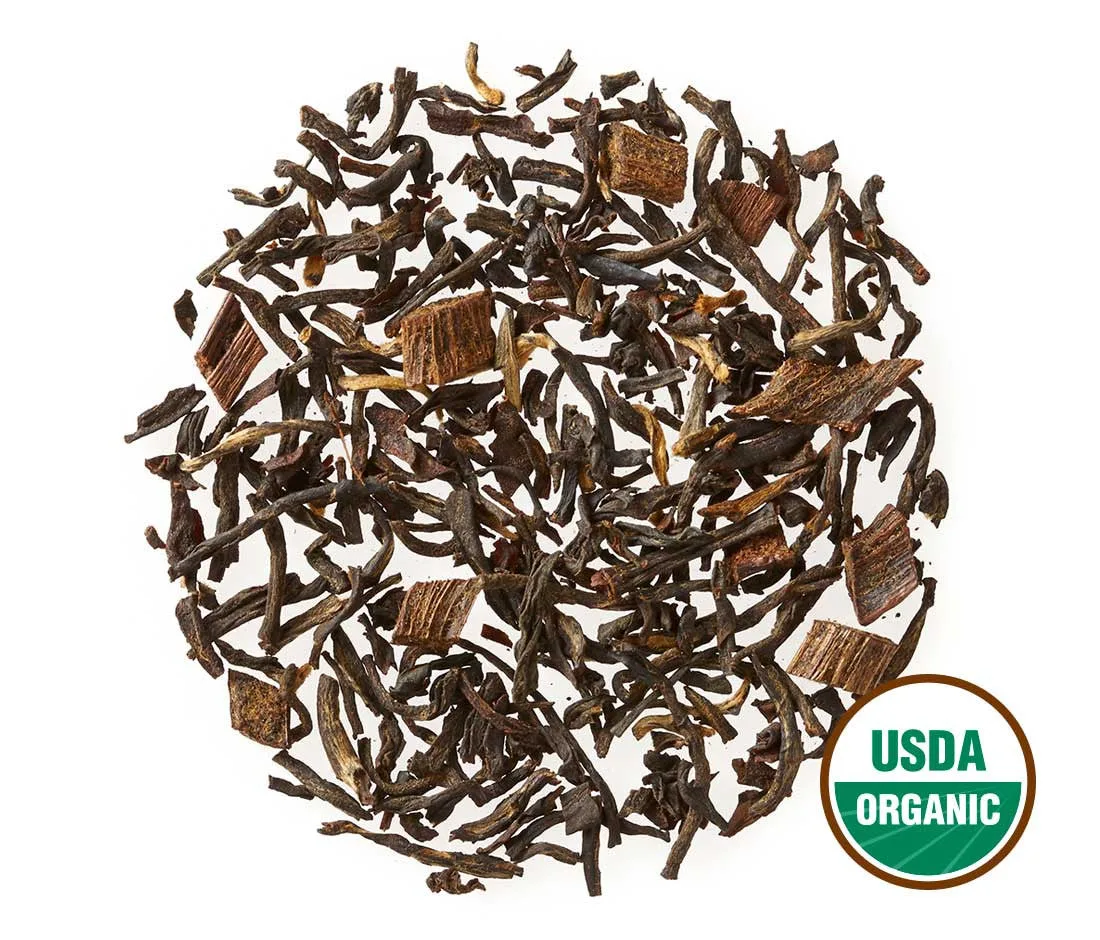
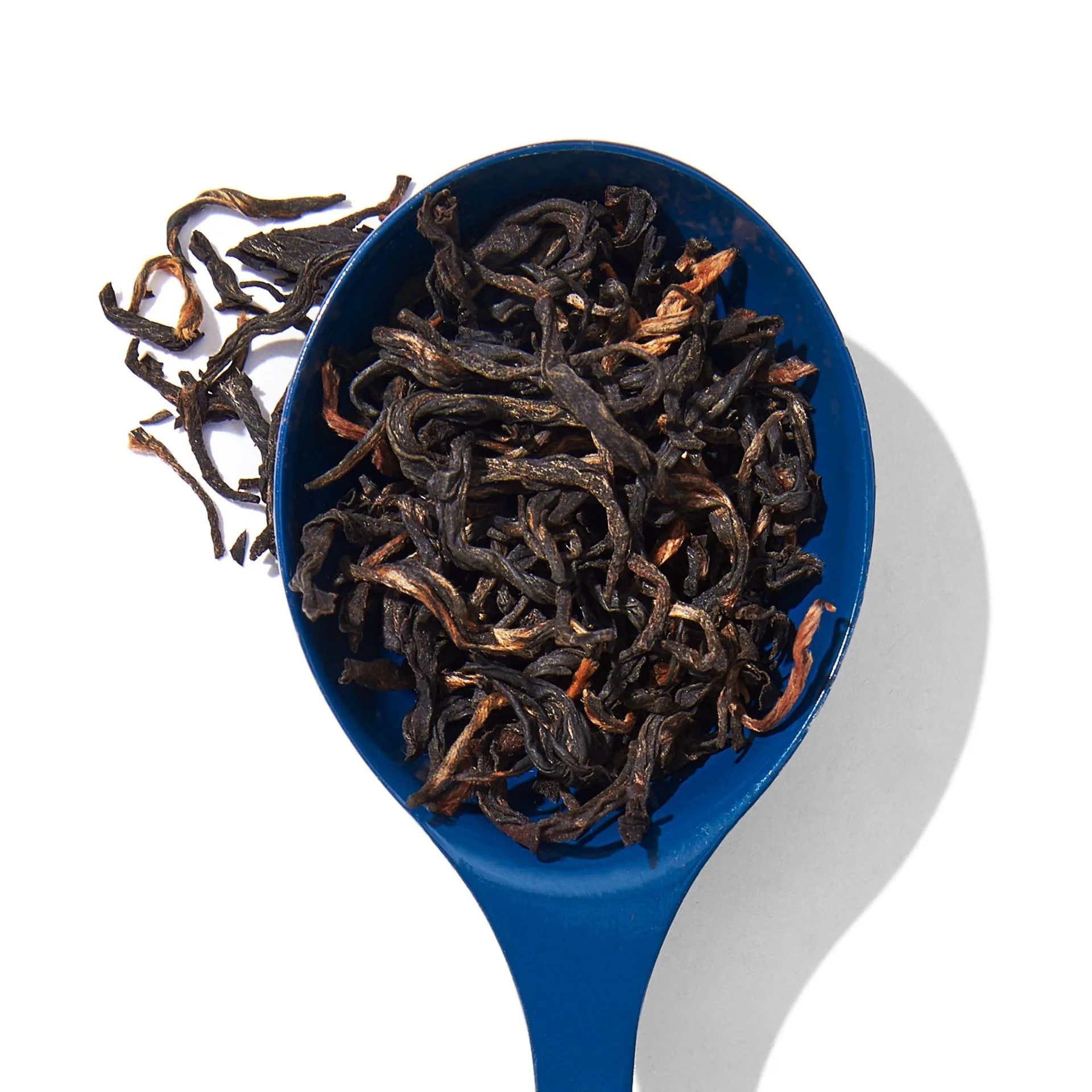
Black Tea & Thyme Heritage Loose Leaf is a prime-season black tea blended with spring-plucked mountain thyme. The catalog describes the result as a captivating malty blend with a sweet, earthy taste from the thyme complementing the richness of the tea. That combination points to a cup that is savory rather than floral, with the herb adding an earthy layer to the malt of the black tea.
Because the catalog does not provide a brewing recipe for this specific blend, the guidance below is a starting framework rather than a manufacturer instruction. You will need to adjust leaf quantity, water amount, and steep time to your own taste and equipment.
Catalog details that shape your approach
-
Black Tea & Thyme Heritage Loose Leaf: Prime-season black tea blended with spring-plucked mountain thyme. Both components are aromatic and can turn bitter or dull with over-steeping, so tasting early and often matters more than following a fixed clock.
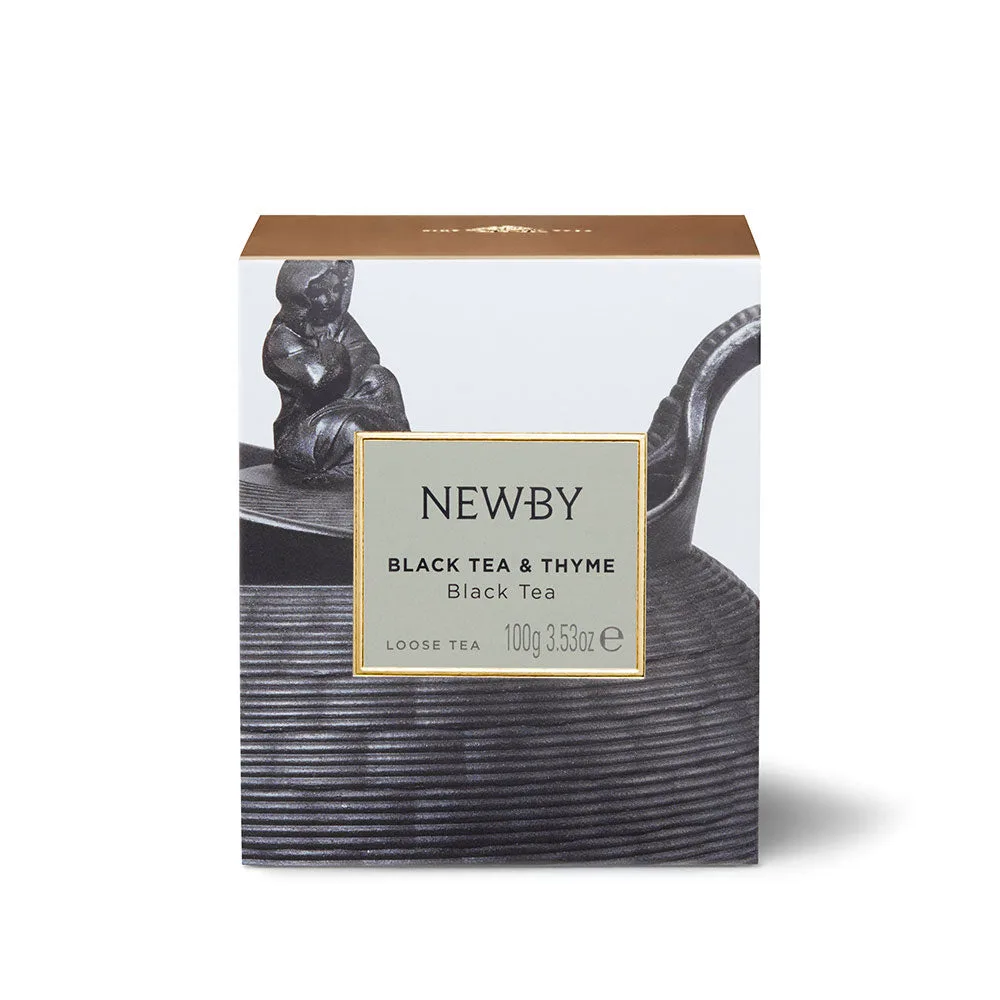
Black Tea & Thyme Heritage Loose Leaf
-
Black Tea & Thyme Heritage Loose Leaf: Described as a malty blend with a sweet, earthy taste from the thyme. This flavor profile suggests you can lean into savory pairings and avoid adding anything that masks the thyme.
A flexible brewing sequence to adjust
Use this sequence as a baseline, then tweak one variable at a time. The catalog does not specify water temperature, leaf-to-water ratio, or steep time for this blend, so your own taste is the guide.
- Start with fresh, hot water: Bring water to a boil and let it cool briefly if you prefer a softer cup. The catalog gives no temperature instruction, so use the water temperature you normally use for black tea.
- Measure loose leaf into your infuser: Begin with a modest amount of leaf—enough to cover the bottom of your infuser without packing it tight. You can add more next time if the cup tastes thin.
- Pour and start tasting early: Add the hot water and begin checking the liquor after a short steep. Because no steep time is supplied, taste at intervals and stop when the malt and thyme feel balanced to you.
- Remove the leaf and adjust next time: Take out the infuser when the cup tastes right. If it turned bitter, use less leaf or a shorter steep next round; if it tasted weak, add more leaf or steep longer.
How long to steep thyme black tea when no time is given
The catalog for Black Tea & Thyme Heritage Loose Leaf does not state a recommended steep time. Rather than guess a number, treat steeping as a tasting process. Start with a short steep, pour a small amount into a spoon or cup, and decide whether the thyme is coming through and whether the black tea base feels smooth or already sharp. If it is sharp, stop. If it is thin, continue steeping and taste again shortly.
This approach works because the blend combines two ingredients that release flavor at different rates. The black tea provides the malty body, while the thyme adds the sweet, earthy note. Your goal is the point where both are present and neither dominates.
Serving ideas for a savory cup
The malty, earthy character of this blend makes it a natural fit for savory foods. These are serving suggestions, not pairings verified by the manufacturer.
- With a simple cheese plate: The thyme note can echo the herbal rind of a soft cheese or stand up to a mild cheddar. Keep accompaniments plain so the tea stays the focus.
- Alongside roasted vegetables: The earthy sweetness of the thyme in the blend complements the caramelized edges of roasted roots or squash.
- As a morning alternative to coffee: The malty black tea base gives a robust start without the acidity of coffee. Try it with toast or a savory breakfast.
- Iced for a savory-sweet refreshment: Brew a slightly stronger concentrate, let it cool, and pour over ice. The thyme stays present even when chilled.
What the catalog does not tell you
The supplied information for Black Tea & Thyme Heritage Loose Leaf does not include ingredient allergens, caffeine content, shelf life, or storage instructions. It also does not provide a brewing recipe, water temperature, leaf-to-water ratio, or steep time. If you have dietary restrictions or need specific storage guidance, check the packaging or contact the retailer directly. Absence from the catalog is not proof that the blend lacks a particular feature; it simply means the detail is not confirmed here.