Why the Blacklock Braiser Suits Slow Cooking
The Blacklock 4 Quart Lightweight Cast Iron Braiser brings together two things slow cooks care about: cast iron's heat retention and a lid that locks in moisture. The result is tender, juicy meats and vegetables without the weight of traditional cast iron. This guide walks you through using it, from choosing what to braise to caring for the triple-seasoned surface.
What the Braiser Delivers
-
Blacklock 4 Quart Lightweight Cast Iron Braiser: Cast iron provides superior heat retention and durability, so you get great results, no matter what’s on your menu. Heat retention is the foundation of braising—it keeps the cooking temperature steady so tough cuts break down into tender meals.
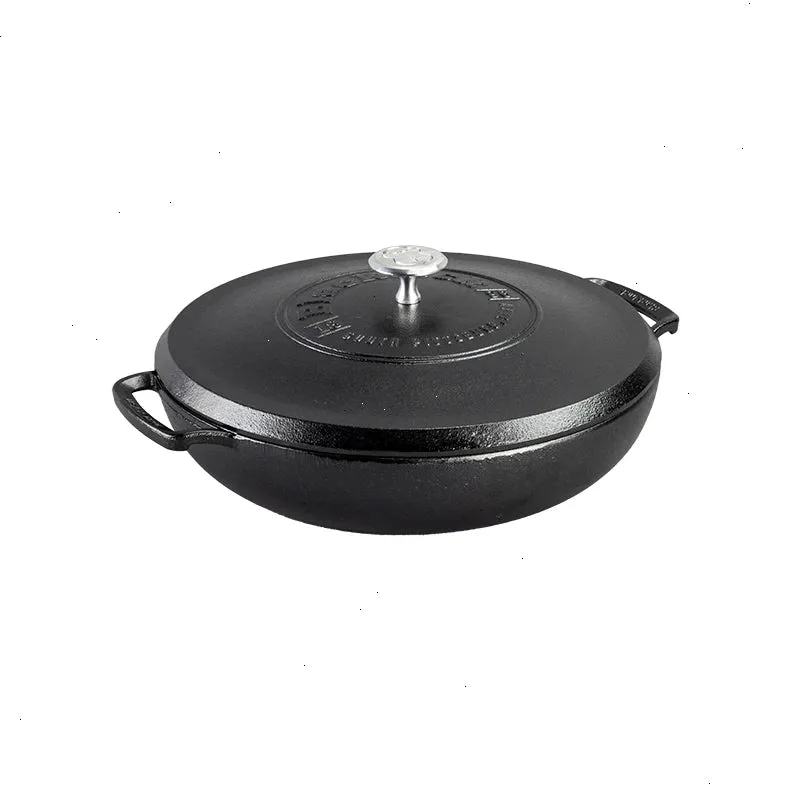
Blacklock 4 Quart Lightweight Cast Iron Braiser
-
Blacklock 4 Quart Lightweight Cast Iron Braiser: The secure lid locks in moisture and holds heat to give you tender and juicy slow-cooked meats and veggies. A tight seal traps steam, which is essential for the low-and-slow environment braising requires.
How to Braise in the Blacklock Braiser
Braising is a straightforward method: sear, add liquid, cover, and cook gently. The Blacklock braiser's heat retention and secure lid support each stage.
- Sear your main ingredient: Preheat the braiser and brown your meat or vegetables. The cast iron's heat retention helps maintain an even sear.
- Add liquid and aromatics: Pour in enough liquid to come partway up the ingredients—broth, wine, or water—and add any herbs or spices. The exact amount depends on your recipe.
- Cover with the lid: The secure lid locks in moisture and holds heat, creating the moist environment that makes braised dishes tender.
- Cook low and slow: Keep the heat gentle, whether on the stovetop or in the oven, until the meat is fork-tender. The cast iron's heat retention helps maintain a steady temperature.
- Rest before serving: Let the dish rest for a few minutes before opening the lid. This allows the juices to redistribute for juicier results.
What to Braise: Ideas for the 4 Quart Braiser
The 4-quart capacity is versatile for small families or batches of leftovers. Consider these braising candidates:
• Beef chuck roast or short ribs—classic candidates for low-and-slow cooking.
• Pork shoulder for pulled pork or carnitas.
• Chicken thighs with root vegetables.
• Vegetable-centric braises like cabbage with apples or ratatouille.
The braiser's lid helps retain moisture, so even lean cuts stay succulent. Remember that cooking times and temperatures vary by recipe; rely on your recipe's guidance for doneness.
Braiser vs Dutch Oven: What Sets Them Apart
Both the Blacklock braiser and a Dutch oven are cast iron vessels with lids, but they differ in shape and typical use. The braiser's wider, shallower profile exposes more surface area for searing and reducing sauces, while a Dutch oven's taller sides suit deep frying or large-batch stews. The Blacklock braiser is also lightweight cast iron, making it easier to lift and maneuver. For slow-cooked meats and vegetables where browning and sauce reduction matter, the braiser is a natural fit.
Caring for the Triple-Seasoned Surface
The Blacklock braiser comes with a naturally nontoxic, triple-seasoned surface that feels like vintage cast iron. To keep it performing, clean it promptly after use. Avoid harsh detergents and abrasive scrubbers that can strip seasoning. Dry it thoroughly, and apply a thin layer of cooking oil if the surface looks dull. With regular use and simple care, the seasoning improves over time.
Product Details
- Blacklock 4 Quart Lightweight Cast Iron Braiser: Experience the difference of triple-seasoned, lightweight cast iron—inspired by our original Blacklock Foundry. This braiser is designed to offer the benefits of cast iron with less weight, making it easier to handle during cooking and cleaning.
- Blacklock 4 Quart Lightweight Cast Iron Braiser: The naturally nontoxic, triple-seasoned surface feels like cooking on vintage cast iron. A well-seasoned surface contributes to easy release and adds flavor over time, and it requires no chemical coatings.
What the Supplied Information Does Not Cover
The provided product information does not include specific oven-safe temperature limits, stovetop compatibility details, or exact cleaning and seasoning instructions. It also does not specify whether the braiser is dishwasher-safe. For these details, consult the manufacturer's documentation or the product packaging. Always follow safe cooking practices, and use oven mitts when handling hot cast iron.