If you're a fan of found-footage horror and love solving puzzles in the dark, Hunt A Killer's Blair Witch-inspired box sets offer two distinct experiences. Both seasons pull you into the eerie Maryland woods, but they differ in story focus, puzzle complexity, and overall atmosphere. Choosing which one to play first can shape your entire mystery-solving journey.
In this comparison, we'll break down the key differences between Blair Witch Season 1 and Season 2, including narrative depth, gameplay mechanics, and how they fit into the larger Blair Witch lore. Whether you're a lone investigator or part of a group, this guide will help you pick the box set that matches your preferred level of challenge and immersion.
Story and Setting: Where Each Season Takes You
Blair Witch Season 1 drops you into the heart of the Black Hills Forest, where you're tasked with uncovering what happened to a missing hiker. The narrative leans heavily on the original film's mythology—cryptic symbols, time loops, and the unsettling presence of the Blair Witch herself. The evidence feels like it was pulled straight from a lost camcorder, with handwritten notes, photographs, and audio recordings that build an oppressive atmosphere.
Season 2 shifts the focus to a different corner of the same forest, introducing a new cast of characters and a more personal mystery. Instead of retreading the same ground, it expands the lore by exploring the witch's influence on a small town. The story feels less like a direct sequel and more like a side story, which makes it approachable even if you haven't finished Season 1. However, players who complete Season 1 first will catch subtle callbacks that enrich the experience.
- Season 1: Classic found-footage vibe, direct ties to the original film.
- Season 2: Expands the mythology with a town-based mystery, fewer jump scares.
Puzzle Difficulty and Gameplay Flow
When it comes to puzzle design, Season 1 leans into cryptic, symbol-based challenges that require careful observation and pattern recognition. Some puzzles involve decoding messages hidden in photographs or assembling fragmented audio logs. The difficulty ramps up gradually, but a few late-game puzzles may frustrate casual solvers. The payoff is a deeply satisfying 'aha' moment that feels earned.
Season 2 introduces more tactile, hands-on puzzles—think map coordinates, physical ciphers, and object assembly. The pacing is slightly faster, with fewer moments of staring at a single clue. Newcomers to immersive horror games will likely find Season 2 more forgiving, while veterans may appreciate Season 1's slower, more deliberate unraveling. Both seasons require teamwork if you're playing in a group, but Season 2's puzzles are easier to divide among players.
- Season 1: Symbol-heavy, requires patience and attention to detail.
- Season 2: More varied puzzle types, better for groups or beginners.
Replay Value and Collectible Appeal
Neither season is designed for replay in the traditional sense—once you crack the case, the mystery is solved. However, both box sets contain high-quality props and documents that look great on a shelf or in a game room. Season 1's replica evidence feels like artifacts from a real investigation, while Season 2 includes a map and physical items that are fun to examine even after the game ends.
If you're building a collection, the two seasons complement each other nicely. You can display them side by side, and the story connections (though not required) add depth for repeat visitors. For players who enjoy the Hunt A Killer ecosystem, pairing either season with titles like "Homicide at the Heist" or "Fine Art Foul Play Premium Game" offers a broader range of mystery styles. But for pure horror immersion, the Blair Witch series stands out.
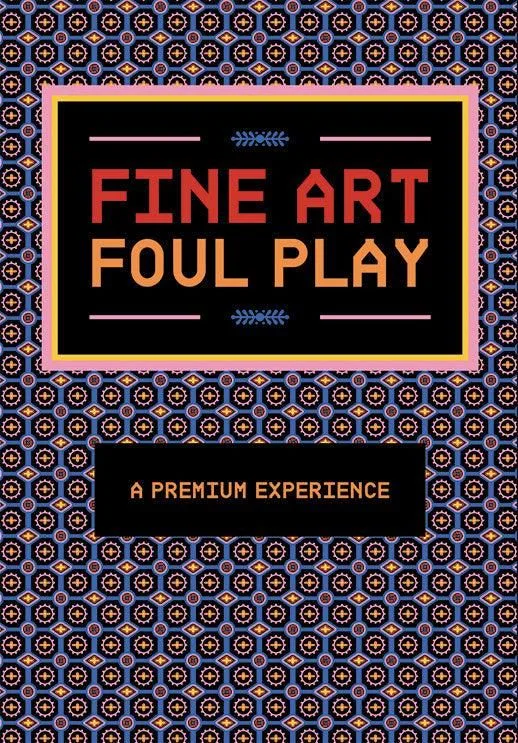
Fine Art Foul Play Premium Game
- Season 1: More eerie, atmospheric props (e.g., aged photos, tape transcripts).
- Season 2: Practical map and physical ciphers add tactile replay value.
Which One Should You Play First? A Practical Decision Guide
Start with Season 1 if you want the canonical, spine-tingling introduction to the Blair Witch universe. It sets the tone and establishes the rules of the world. If you're a completionist or enjoy linear storytelling, playing in order will give you the most cohesive narrative arc. Season 1 also works better for solo players who like to immerse themselves slowly.
Choose Season 2 first if you prefer a slightly lighter horror experience with more varied puzzles and a quicker pace. It's a great entry point for friends who are new to mystery games but love the Blair Witch aesthetic. You won't miss crucial plot points, and you can always circle back to Season 1 later. For groups, Season 2's collaborative puzzles often lead to more shared 'aha' moments.
- Play Season 1 first for a deep, lore-rich horror experience.
- Play Season 2 first for a faster, more accessible group game.
Both Blair Witch Season 1 and Season 2 deliver immersive, unsettling mysteries that honor the source material. Your choice ultimately depends on whether you prefer a slow-burn, atmospheric investigation (Season 1) or a quicker, more puzzle-diverse adventure (Season 2). Either way, you're in for a memorable trip into the woods—just don't forget to bring a flashlight.