Quick answer
For most people, a mid-weight cotton or cotton-rich blanket is the easiest everyday choice because it breathes, washes simply and suits year-round use. Choose wool when you want maximum warmth for the weight and don't mind hand washing or dry cleaning. Choose a synthetic blend when budget, quick drying or easy machine washing matters more than breathability and natural feel.
Blanket shopping gets confusing fast because the label tells you the fibre but not what that fibre will feel like on your bed in February or how it will behave after five washes. This guide breaks blanket materials into three families — cotton, wool and synthetic blends — and gives you decision rules you can apply in the shop or online without needing to touch the fabric first.
You'll also find a simple blanket weight guide, care realities for each material, and honest trade-offs so you can match a blanket to how you actually sleep and live rather than to a marketing description.
Start with how you'll use the blanket, not the fibre
The same cotton blanket can be perfect on a guest bed and wrong for a draughty living room, so decide the job first. Ask three questions: where will it live (bed, sofa, pram, travel bag), who will use it (adult, child, pet-adjacent household), and how often will it need washing? A blanket that gets weekly washes needs a different material than one that's aired and folded most of the year.
Once you know the job, the fibre choice usually narrows to one or two options. Bed layers that touch skin benefit from breathable natural fibres; throw blankets that mostly decorate a sofa can lean toward texture and warmth; travel and kids' blankets often prioritise washability over luxury.
- Write down the room, the user and the wash frequency before comparing materials.
- If two people share the blanket, choose for the warmer sleeper — it's easier to add a layer than to remove one.
Cotton blankets: breathable, washable, year-round
Cotton is the most forgiving blanket material for everyday use. It breathes, so it's less likely to leave you clammy, and it handles regular machine washing better than wool. Waffle, muslin and woven cotton blankets sit in the light-to-mid weight range, which makes them useful across seasons — often with a second layer in winter rather than a heavier single blanket.
The trade-off is warmth-to-weight. Cotton is not the warmest fibre for its thickness, so if you sleep cold in an unheated room, a cotton blanket alone may not be enough. Cotton can also feel firm rather than fluffy when new, and lower-quality cotton may pill over time. Look for denser weaves if you want durability and a crisper drape.
- Best for: year-round bed layers, guest rooms, allergy-conscious households, anyone who wants easy home washing.
- Check the weave, not just the word 'cotton' — a loose weave feels lighter and wears faster than a tight one.
Wool blankets: warmth without bulk
Wool's main advantage is insulation: it traps air and holds warmth even when damp, which is why it's a classic choice for cold bedrooms and winter layers. It also resists odour and creasing better than most fibres, so a wool blanket can go longer between washes if you air it regularly.
The costs are care and feel. Many wool blankets need hand washing, a wool cycle or dry cleaning, and heat plus agitation can shrink them. Some people find wool itchy against bare skin, though softer grades and wool-cotton blends reduce that. Wool also tends to cost more than cotton or synthetics for the same size.
- Best for: cold sleepers, unheated bedrooms, winter layering, people willing to follow careful washing instructions.
- If you want wool warmth with less itch, look for a wool-cotton blend rather than pure wool.
Synthetic blends: budget-friendly and easy-care
Polyester and other synthetic blends win on price, drying speed and durability. They hold their shape, resist shrinking and usually tolerate a normal machine wash and a low tumble dry, which makes them a practical pick for kids' rooms, pet households and travel. Fleece-style synthetics also feel soft immediately, with no break-in period.
The trade-offs are breathability and longevity of feel. Synthetics can trap heat and moisture, so they may feel clammy for hot sleepers, and they're more prone to static and pilling than cotton. They also don't breathe like wool, so a synthetic blanket that feels warm in the shop can become uncomfortable overnight in a heated room.
- Best for: tight budgets, high-wash households, travel blankets, kids' rooms and pet-friendly sofas.
- If you overheat easily, treat synthetic blankets as sofa throws rather than primary bed layers.
Blanket weight guide: match grams and drape to the season
Weight is the fastest way to compare blankets across materials, because a heavy cotton blanket and a light wool blanket can provide similar warmth. As a rough framework, light blankets suit summer and layering, mid-weight blankets cover spring and autumn, and heavy blankets are for winter or unheated rooms. Drape matters too: a blanket that hugs the body feels warmer than a stiff one of the same weight.
Don't assume heavier always means warmer. Wool delivers more warmth per gram than cotton, and synthetic fleece traps heat efficiently for its weight. Use weight as a starting point, then adjust for fibre and how you sleep.
- Light: summer naps, sofa styling, layering over a sheet.
- Mid-weight: the safest all-round choice for most beds and climates.
- Heavy: winter beds, cold rooms, sleepers who like a weighted, tucked-in feel.
Care and lifespan: what each material demands
Care is where blanket buying tips often go wrong, because a beautiful blanket that shrinks or pills in the first wash becomes a regret. Cotton is the most tolerant: machine wash cool, low tumble or line dry. Wool needs cool water, a gentle or wool cycle, minimal agitation and flat drying to hold its shape. Synthetics are the easiest — normal wash, low heat — but they can pill and hold static over time.
Lifespan follows the same pattern. Well-cared-for wool can last decades; good cotton gives years of regular use; synthetic blends often have the shortest useful life before pilling or flattening, though they cost the least to replace.
- Always read the care label before buying — a blanket that can't be washed the way you live will get used less.
- Wash blankets separately from towels and zips to reduce pilling and snagging.
Decision rules for choosing a blanket material
- If you sleep hot or share a bed: Choose cotton or a cotton-rich blend in a light-to-mid weight. Breathability matters more than insulation, and a breathable layer is easier to adjust through the night. Checkpoint: can you add or remove a layer without waking your partner?
- If your bedroom is cold or unheated: Choose wool or a wool blend for the best warmth-to-weight ratio, and plan for gentle washing or professional cleaning. Checkpoint: does the care label match how you actually do laundry?
- If kids, pets or frequent spills are in the picture: Choose a synthetic blend or a sturdy cotton that tolerates a normal machine wash and low tumble dry. Prioritise replaceability over heirloom quality. Checkpoint: buy two if the price allows, so one can be in the wash.
- If the blanket is mainly for the sofa: Weight and texture matter more than breathability. A mid-to-heavy synthetic or wool blend gives the cosy drape most people want from a throw. Checkpoint: does it stay put when you sit down, or slide off the cushions?
- If you're buying as a gift: Cotton is the safest guess because it suits most sleepers and most washing routines. Pair it with a card so the recipient knows why you chose it. Checkpoint: include the care instructions so the blanket lasts.
Product facts that help you plan the rest of the gift or room
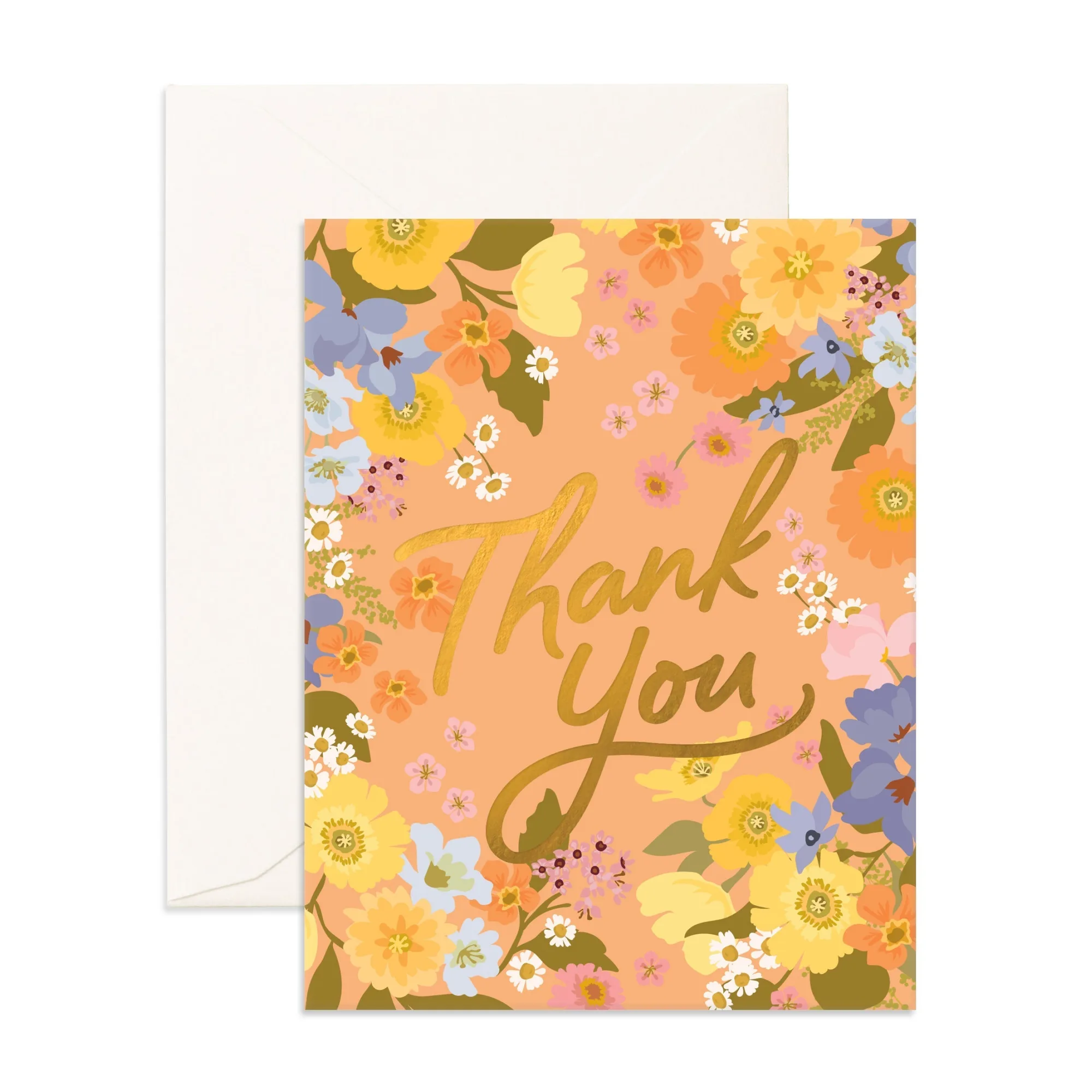
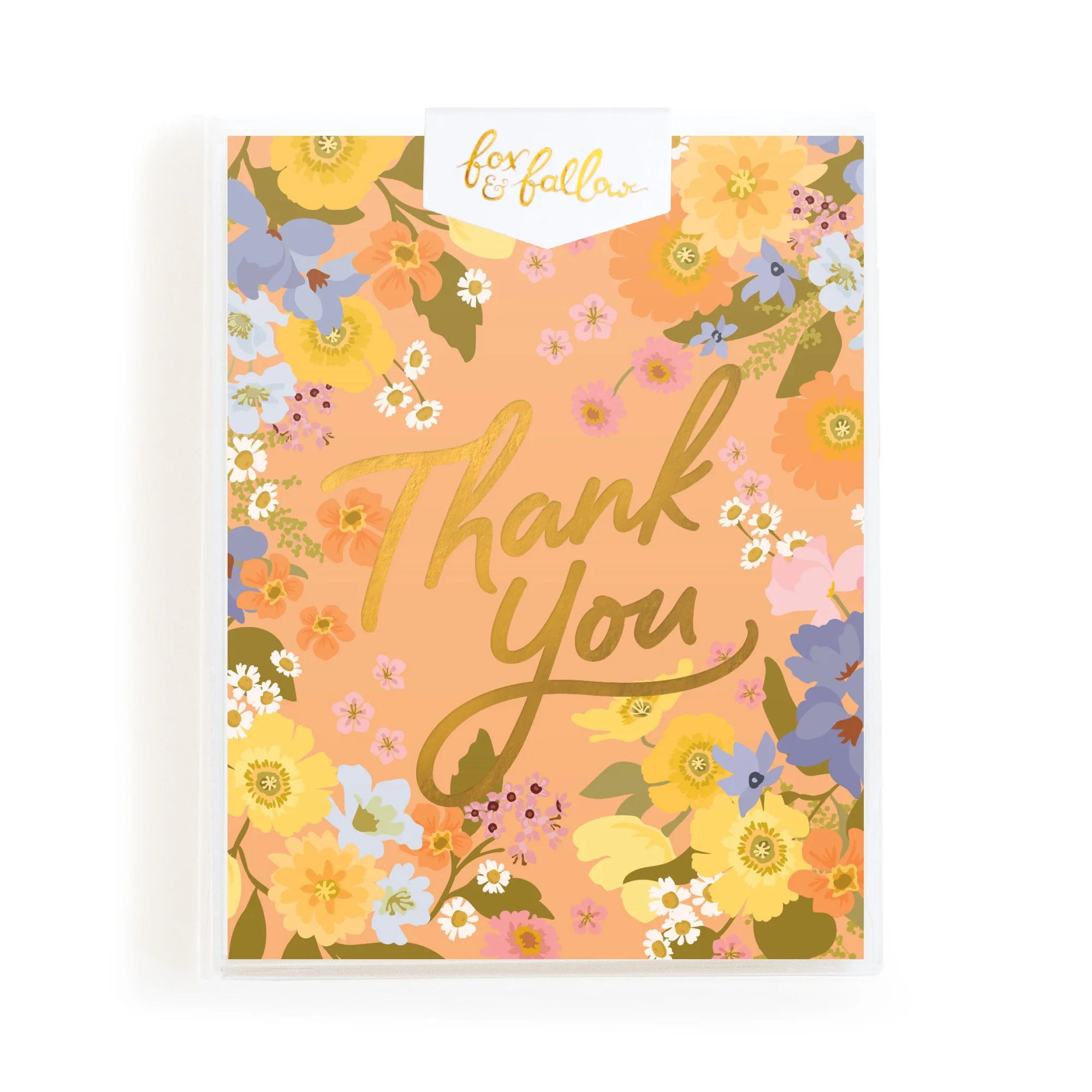
- https://foxandfallows.com/products/thank-you-spring-florals-greeting-card-boxed-set-954d7b6a4a46482f05d8e03f-2620805Thank You Spring Florals Greeting Card Boxed Set: Includes 8 greeting cards and 8 matching envelopes, 108 x 140mm, printed on FSC-certified warm white uncoated card stock with full-colour and gold foil, supplied in a clear plastic box with a gold sticker. If you're giving a blanket as a housewarming or wedding gift, a boxed set lets you write a note for each recipient without buying cards individually.
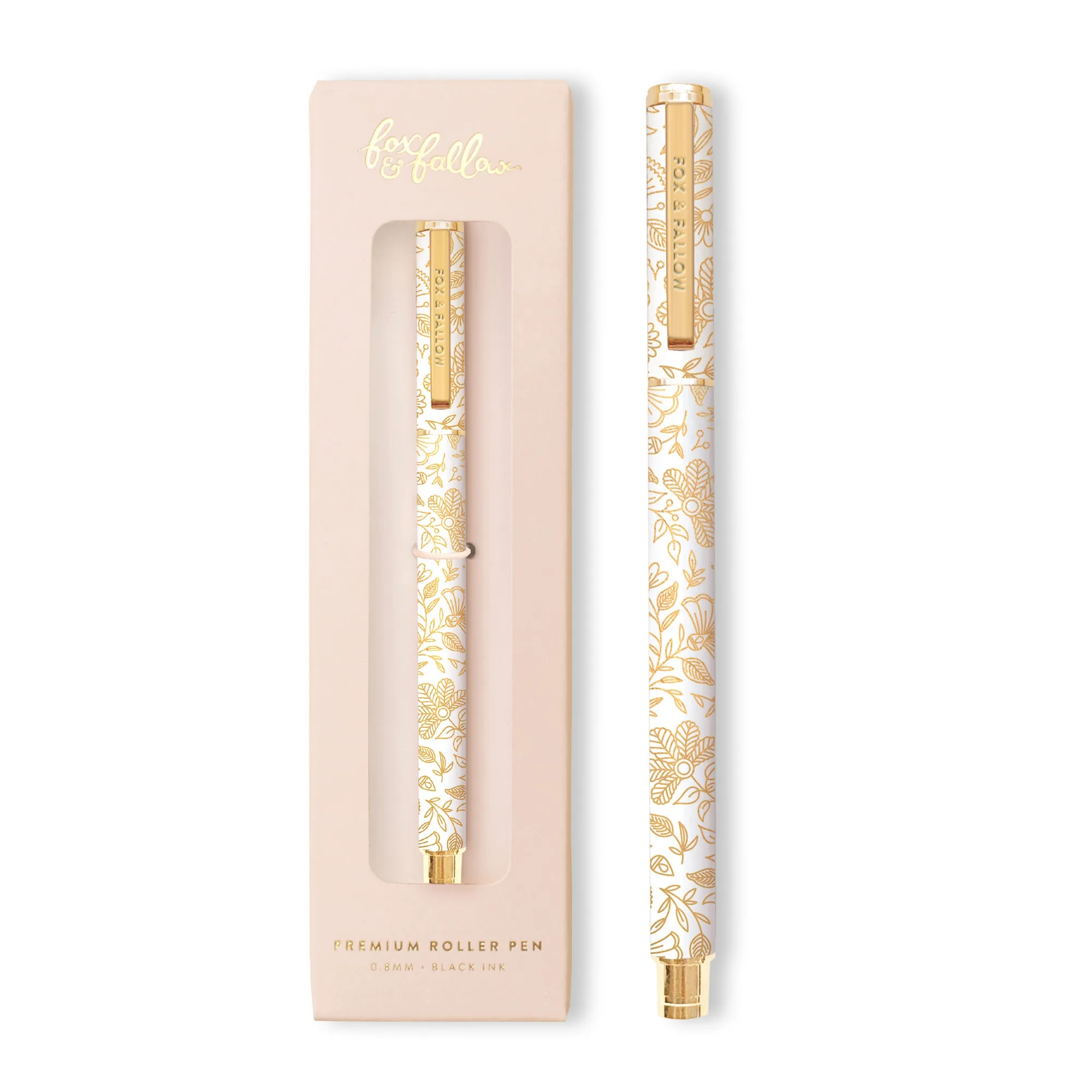
- Moonstone Rollerball Pen: Refillable 0.8mm rollerball with black ink, gold foil and gold metal accents, supplied in a pink cardboard box with a clear plastic window. A refillable pen is a practical companion for labelling blanket storage, writing care notes, or signing a card that travels with the gift.
Which blanket material fits you?
Best for
- Year-round bed use and guest rooms where easy washing matters
- Cold sleepers who want maximum warmth for the weight and will follow wool care instructions
- Kids' rooms, pet households and travel where quick drying and low cost matter most
Not for
- Hot sleepers who overheat easily and want a breathable primary bed layer
- Anyone who wants to machine wash and tumble dry on high heat without checking labels
- Shoppers looking for a single blanket to handle every season and every room
Pick the material that matches your room, your sleep temperature and your laundry habits, then use weight to fine-tune the season. Cotton is the safe everyday choice, wool is the warmth specialist, and synthetic blends are the practical workhorses — and a boxed card set or refillable pen makes the gift version of that decision easier to share.