Quick answer
Blanket pilling happens when loose fibers tangle into small balls on the surface. The fix depends on the cause: friction from washing, low-quality fibers, or improper drying. For most throws, a fabric shaver removes pills safely. To prevent future pilling, choose tightly woven materials and follow gentle wash cycles.
You pull your favorite throw off the sofa and notice those tiny, annoying fuzz balls scattered across the fabric. Blanket pilling is one of the most common frustrations with throws and bedding. It doesn't mean your blanket is ruined—but it does mean something about the care or construction needs attention.
The good news: pilling is often fixable and even preventable. In this guide, we'll walk through why it happens, how to remove pills without damaging the fabric, and what to look for when buying a new throw that will stay smooth longer.
Why does my blanket pill?
Pilling is a mechanical issue, not a defect. Short or loose fibers on the surface rub against each other during washing, drying, or everyday use. The friction twists them into small balls that cling to the fabric. Materials like wool, acrylic, and certain cotton weaves are more prone because their fibers are shorter or less tightly twisted.
The most common triggers: washing in hot water, using harsh detergent, overloading the machine, and drying on high heat. Even the way you sit on a throw—especially against denim or a rough sofa cushion—can accelerate pilling. The key is to identify the source before you try to fix the fuzz.
- Check your blanket's care label before washing. Many throws need cold water and a gentle cycle.
- Avoid fabric softener: it coats fibers and can actually increase friction in the long run.
How to remove pills safely
The safest tool is a fabric shaver (also called a lint shaver). It glides over the surface and trims pills without cutting the base fabric. For delicate throws, use a manual sweater comb or a pumice stone designed for fabric. Always test on an inconspicuous area first.
Never use a razor blade or scissors—you risk cutting threads and creating holes. If the pilling is severe and the fabric is already thinning, it may be time to replace the blanket. A high-quality throw that pills lightly can be restored, but one with extensive fiber damage won't recover.
- Shave in one direction, using light pressure. Empty the lint chamber frequently.
- Wash and dry the blanket after shaving to remove loose fiber dust.
Preventing pilling on your next throw
The best prevention starts at purchase. Look for throws made from long-staple fibers or tightly woven constructions. For example, a throw made from 95% recycled cashmere—like the Eco Cashmere Throw—uses longer fibers that are less likely to break and pill. Similarly, 100% cotton quilts with stitched patterns help keep fill in place and reduce surface friction.
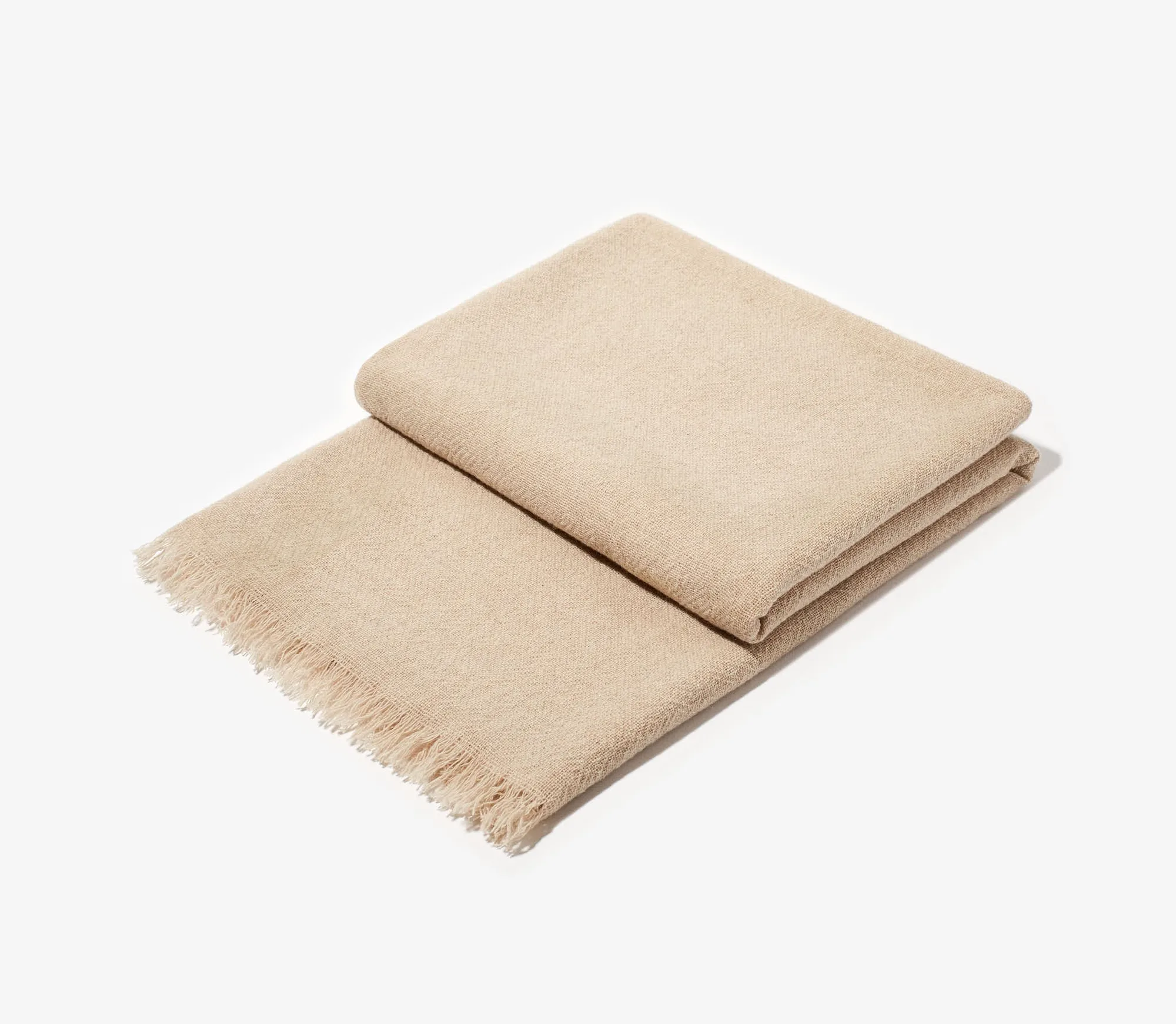
Eco Cashmere Throw
Wash less frequently. Throws don't need weekly cleaning unless they're heavily used. When you do wash, turn the blanket inside out, use a mesh laundry bag, and choose cold water on a delicate cycle. Air dry or tumble dry on low. High heat weakens fibers and accelerates pilling.
- Store throws folded, not hung, to avoid stretching and fiber stress.
- Rotate between two or three throws to reduce wear on any single piece.
Diagnosis: Is your blanket worth fixing?
- Symptom: Small, evenly distributed fuzz balls across the surface. Fabric still feels thick and intact underneath. Likely fixable with a fabric shaver.
- Likely cause: Friction from washing with heavy items, hot water, or high-heat drying. Or daily wear against rough surfaces. Adjust your care routine: cold water, gentle cycle, low heat.
- Corrective action: Use a fabric shaver or sweater comb. Wash and dry after shaving. If pills reappear quickly, the fibers are too short or damaged. One or two shaves usually restores appearance.
- Stop or choose another option: If the blanket has thinning spots, holes, or pills that return after multiple shaves, the fabric structure is compromised. Replace with a tighter-weave throw like the Eco Cashmere Throw or Italian Quilt.
Throws that resist pilling
- Eco Cashmere Throw: Crafted from 95% recycled cashmere, your conscience can feel as good as your cuddles. With a delicate fringe detailing, it's a Mother Earth-approved indulgence you don't need to resist. Recycled cashmere fibers are longer and more uniform, which reduces the loose ends that cause pilling. This throw stays smoother longer than many virgin-wool or synthetic alternatives.
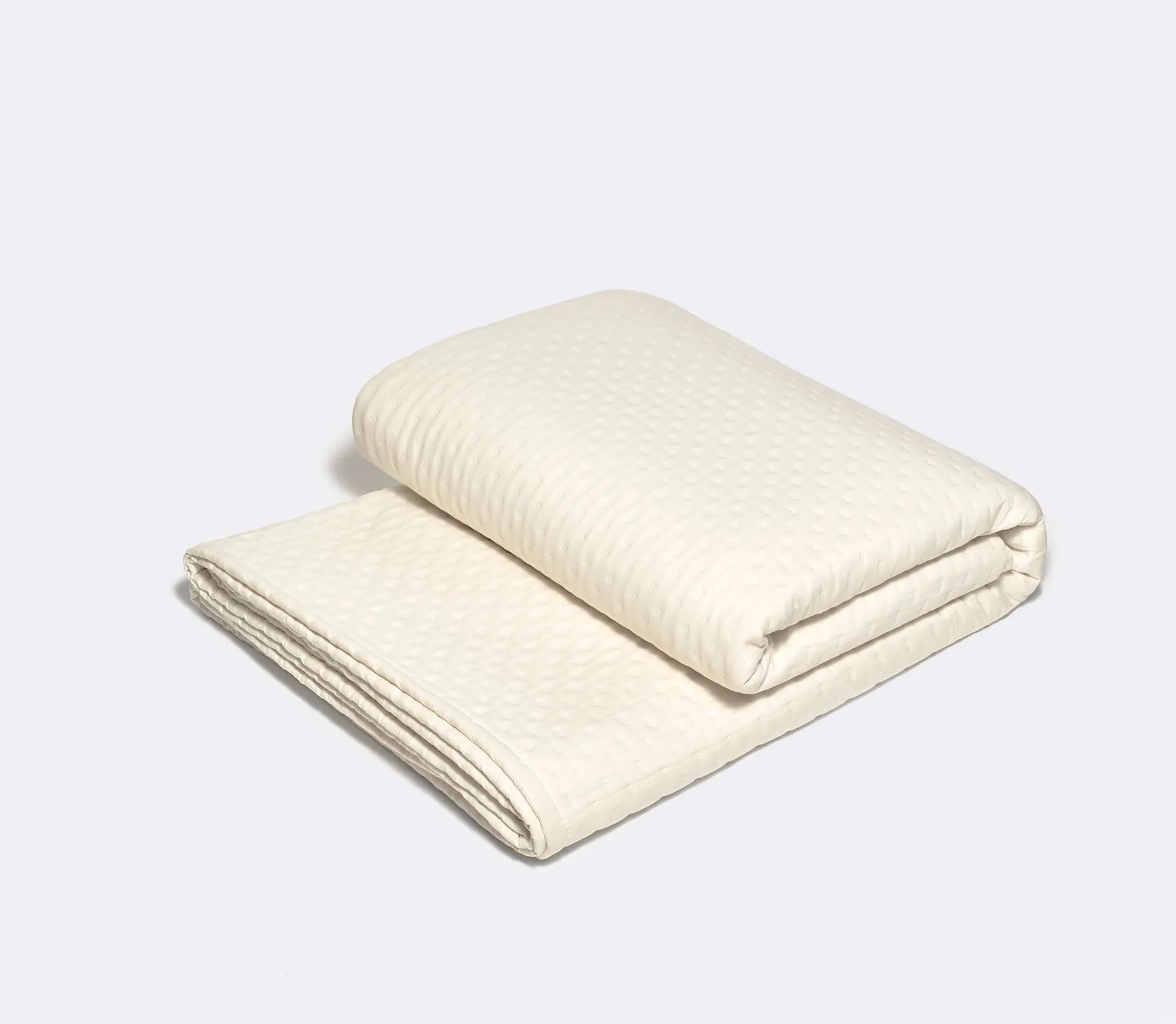
- Italian Quilt - Ivory (Selling Out Soon): Our 100% cotton, Italian-crafted beauty is versatile enough to lend a welcome weight on top of your comforter in the winter months, or stand alone as your one-and-only bed topper. Packed with premium fill that stays in place thanks to the stitched pattern. The stitched pattern locks the fill in place and minimizes fiber migration, so the surface stays smooth. Cotton with a tight weave is naturally less prone to pilling than looser knits.
Blanket pilling is annoying, but it's rarely the end of your throw. With the right removal method and a few care adjustments, you can keep your favorite blanket looking smooth for seasons to come. And if you're shopping for a new one, choosing a tightly woven or long-fiber throw will save you the trouble from day one.