Choosing Between a Sponge and a Brush
When it comes to applying foundation, the tool you use can change the finish, coverage, and feel. Two popular options are a makeup sponge and a foundation brush. Each has its own strengths, and the best choice often depends on your personal routine and the look you want.
Below, we compare the two based on available information about Carpe's Blending Sponge and general brush characteristics. Keep in mind that specific brush models vary, so this comparison focuses on typical differences.
Carpe Blending Sponge at a Glance
-
Blending Sponge: Carpe's Blending Sponge is designed to help you blend your makeup to perfection. Ideal for applying and blending foundation, concealer, and other cream or liquid products. This confirms the sponge is intended for liquid and cream products like foundation, making it a direct competitor to a foundation brush.
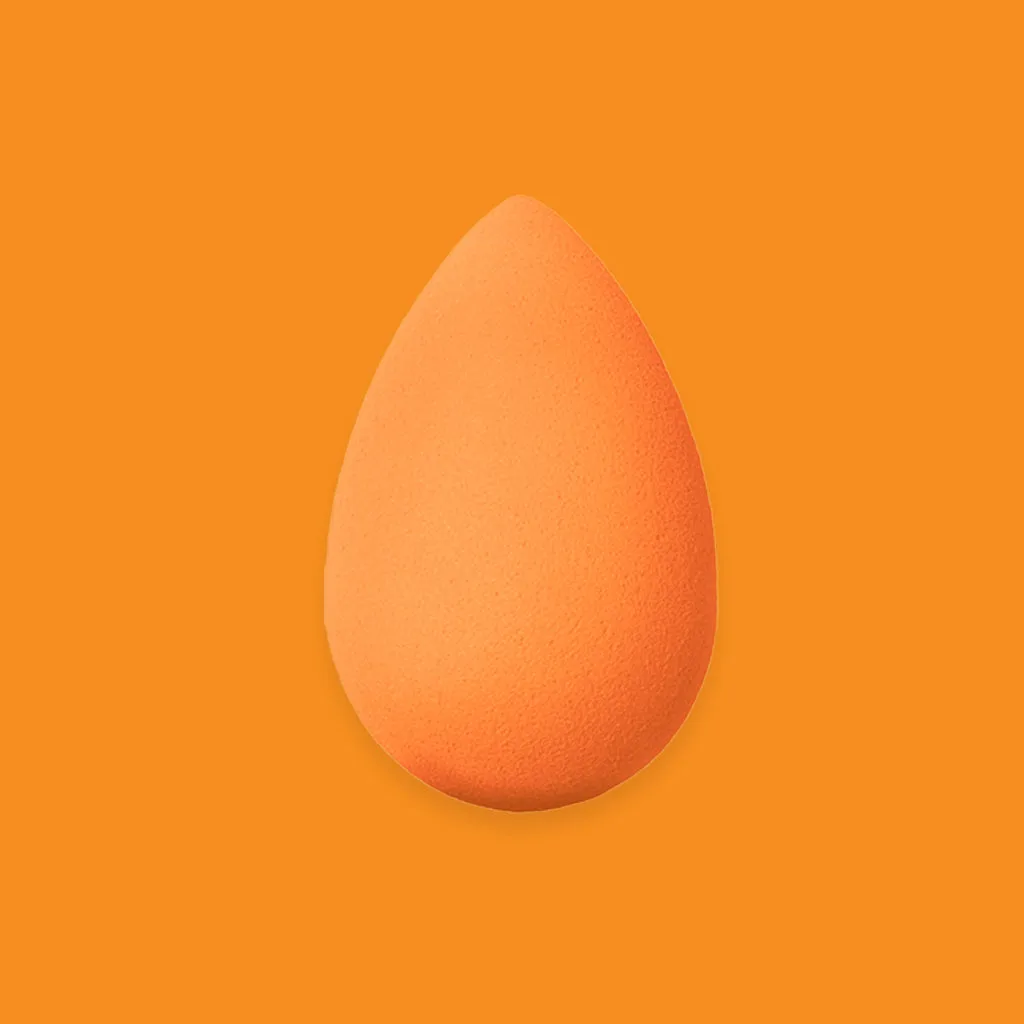
Blending Sponge
-
Blending Sponge: Soft, flexible texture to help you reach all areas of the face. Compact size, convenient for use at home or on the go. The soft texture allows for gentle blending without tugging, and the compact size makes it easy to travel with—a practical advantage over some larger brushes.
-
Blending Sponge: Simple to use—just dampen, apply product, and blend for a seamless look. The dampening step is key: it helps the sponge expand slightly and prevents it from absorbing too much product, giving a more natural finish.
Sponge vs Brush: Key Differences
Here's how a typical makeup sponge and a foundation brush compare based on common usage and the supplied details for Carpe's Blending Sponge.
- Finish: A dampened sponge (like Carpe's Blending Sponge) tends to give a dewy, natural finish with lighter coverage. Brushes can produce a more full-coverage, airbrushed look, but may also leave streaks if not used carefully.
- Ease of Use: Sponges are generally forgiving—just dampen, bounce, and blend. Brushes require more technique (stippling, buffing) to avoid streaks. Carpe's Blending Sponge is described as simple to use, making it beginner-friendly.
- Product Absorption: A dry sponge can absorb a lot of product, but dampening it reduces absorption significantly. Brushes typically waste less product because the bristles don't soak up liquid. Carpe's instructions recommend dampening the sponge first.
- Portability: Carpe's Blending Sponge is compact and convenient for travel. Brushes vary in size; many are bulkier and may need a protective case.
- Versatility: Sponges work well with liquids and creams but aren't ideal for powders. Brushes can be used with both liquids and powders, depending on the bristle type.
Which Should You Choose?
If you prefer a natural, dewy finish and want a tool that's easy to use without much practice, a makeup sponge like Carpe's Blending Sponge is a solid choice. Its soft, flexible texture helps you reach all areas of the face, and the compact size makes it easy to take with you.
If you aim for full coverage or already have a brush technique you like, a foundation brush may suit you better. Brushes can also be easier to clean thoroughly and tend to waste less product.
There's no single right answer—many people use both tools for different looks. The key is to try each and see what feels best for your skin and routine.