Quick answer
The Blooming Bath flower seat is easier for sink-based newborn baths because it cradles a small baby and stores flat, while a standard baby tub is easier once your baby outgrows the sink or you want a dedicated tub that holds water. Choose the flower seat for the first weeks and a standard tub for longer, deeper baths.
How the two options differ in daily use
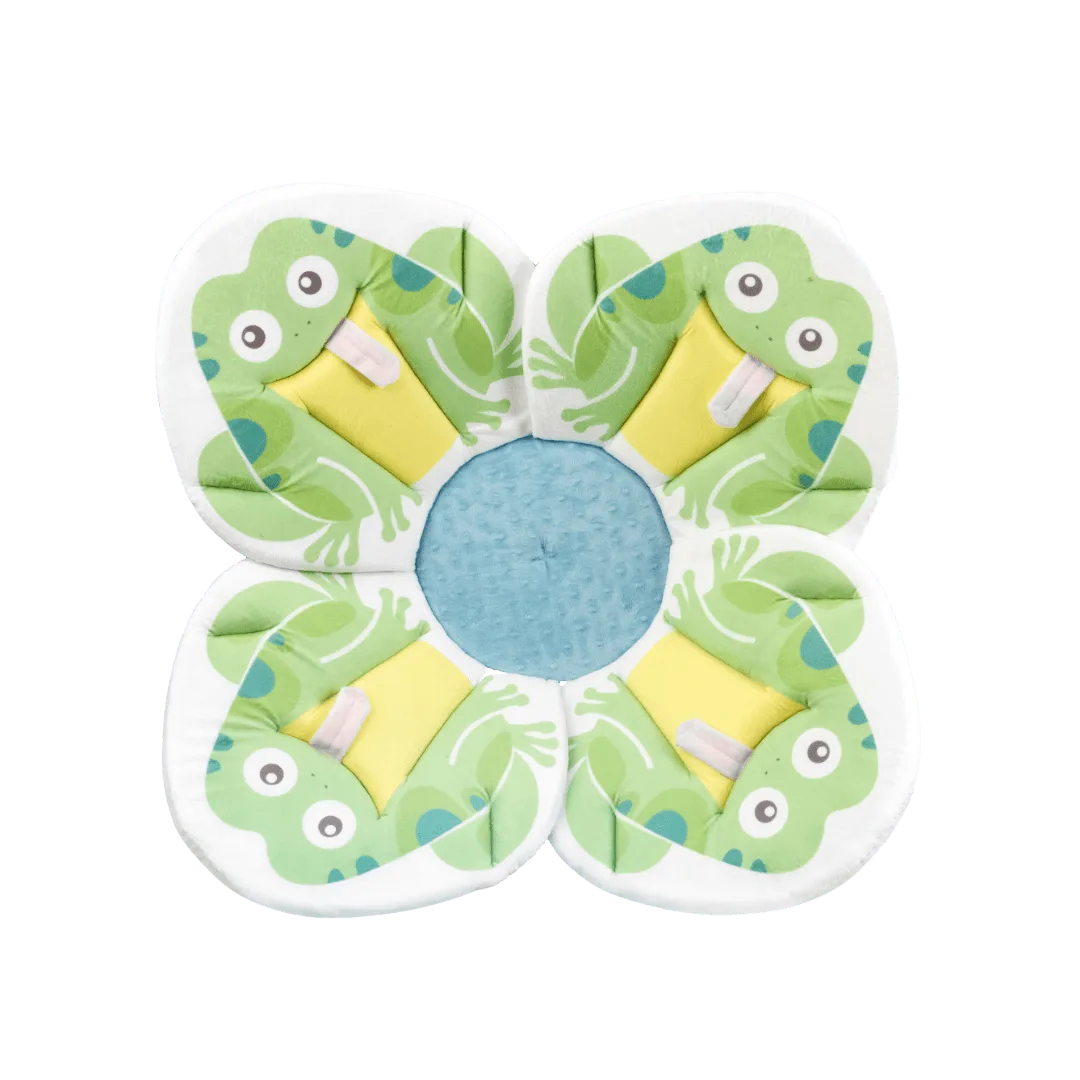
A Blooming Bath flower seat is a soft, petal-shaped cushion that sits in your sink. You fill the sink, lay your newborn in the petals, and support them with one hand while you wash with the other. A standard baby tub is a rigid plastic basin that can sit in a sink, on a counter, or in a full-size tub. It holds its own water, so you fill the tub rather than the sink.
The practical difference shows up in three places: how you fill and drain water, how much support your baby needs, and where the item lives between baths. The flower seat depends on your sink's size and depth. A standard tub depends on having a flat, stable surface and enough room to store a larger object.
Setup, filling, and draining
With a flower seat, you clean the sink, fill it to a safe level, and place the seat in the water. When bath time ends, you lift the seat out, squeeze or hang it to dry, and drain the sink. There is no separate basin to empty, which is why many parents find it faster for quick newborn washes.
A standard tub requires you to fill the tub itself, then dump or drain it afterward. That is more steps, but the tub holds water longer and keeps its shape, so it works better for a baby who splashes or for a bath that lasts more than a few minutes. If you bathe your baby in a full-size tub, a standard baby tub also gives you a defined, smaller space inside the larger one.
Support and safety in the first weeks
Newborns need head and neck support, and both options can provide it if you use them correctly. A flower seat cradles the baby's body with soft fabric, but you still keep a hand on your baby at all times. A standard tub often has a sloped or contoured insert, but those inserts vary by model, and some are sold separately. Check your specific tub's instructions before relying on an insert.
Never leave a baby unattended in either option, and always test water temperature before placing your baby in. The American Academy of Pediatrics safe sleep recommendations apply to sleep, not bathing, so follow your tub or seat manufacturer's bathing instructions and your pediatrician's guidance for your baby's individual needs.
Drying, storage, and long-term value
A flower seat is soft and flexible, so it can hang or lie flat and takes up little space. That makes it a good fit for small bathrooms or kitchens where counter space is tight. It is also easy to toss in a washing machine if the care label allows, which helps with spit-up and soap residue.
A standard baby tub is bulkier and needs a spot to dry without trapping water in corners or crevices. It usually lasts longer because it accommodates a growing baby, and some convert to sit in a full-size tub as your child gets older. If you plan to bathe your baby in the same spot for a year or more, the standard tub often earns its storage space.
Trade-offs at a glance
- Speed and simplicity: The flower seat wins for quick sink baths because you fill the sink, not a separate tub, and there is no heavy basin to empty. Choose it if your priority is a fast, low-effort newborn bath.
- Water capacity and longevity: A standard baby tub holds more water and usually fits a growing baby longer, but it takes more steps to fill, drain, and store. Choose it if you want one bath setup that lasts past the newborn stage.
- Space and drying: The flower seat stores flat or hangs dry and suits small bathrooms; a standard tub needs a dedicated drying spot and more room. Measure your sink and storage space before deciding.
Product facts to know before you choose
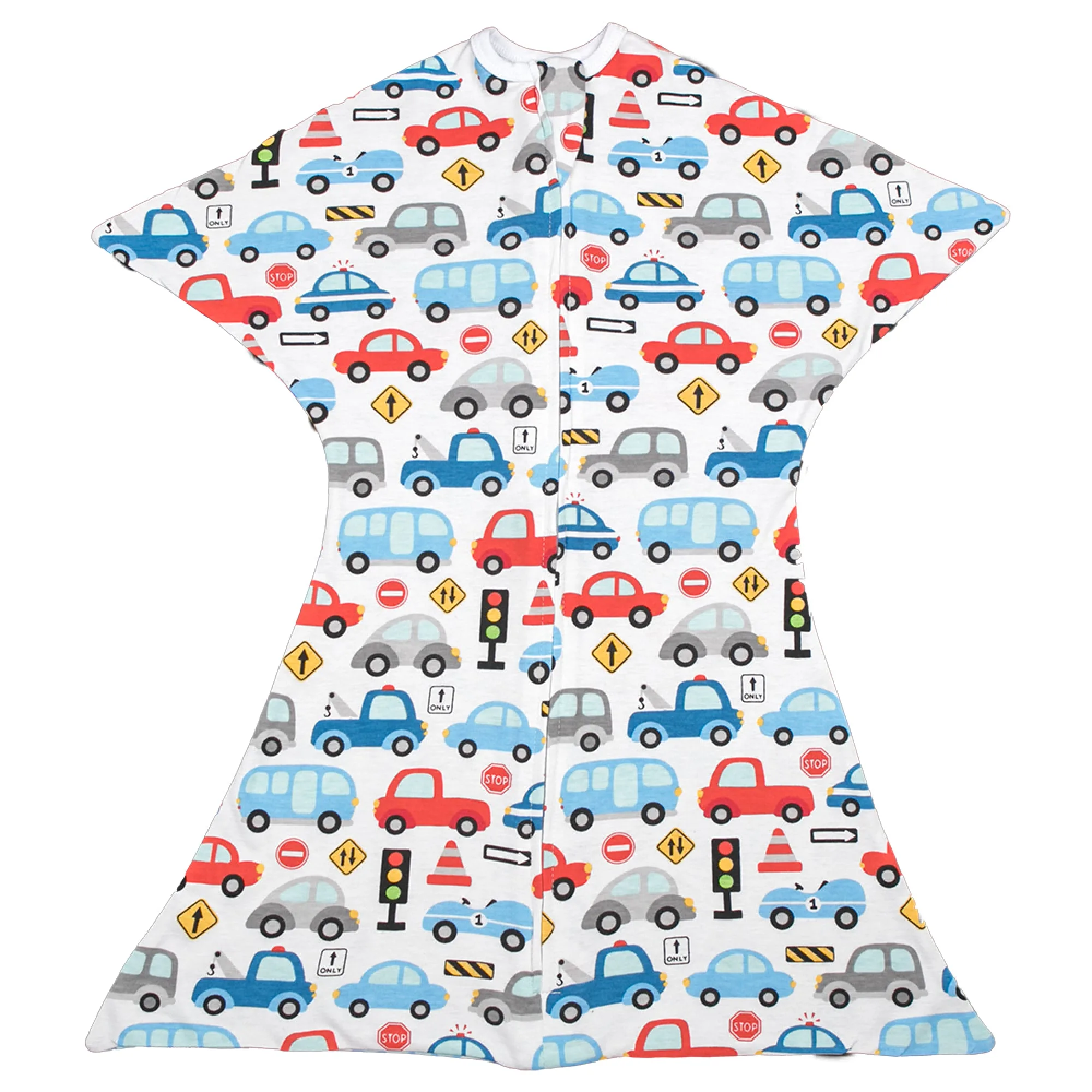
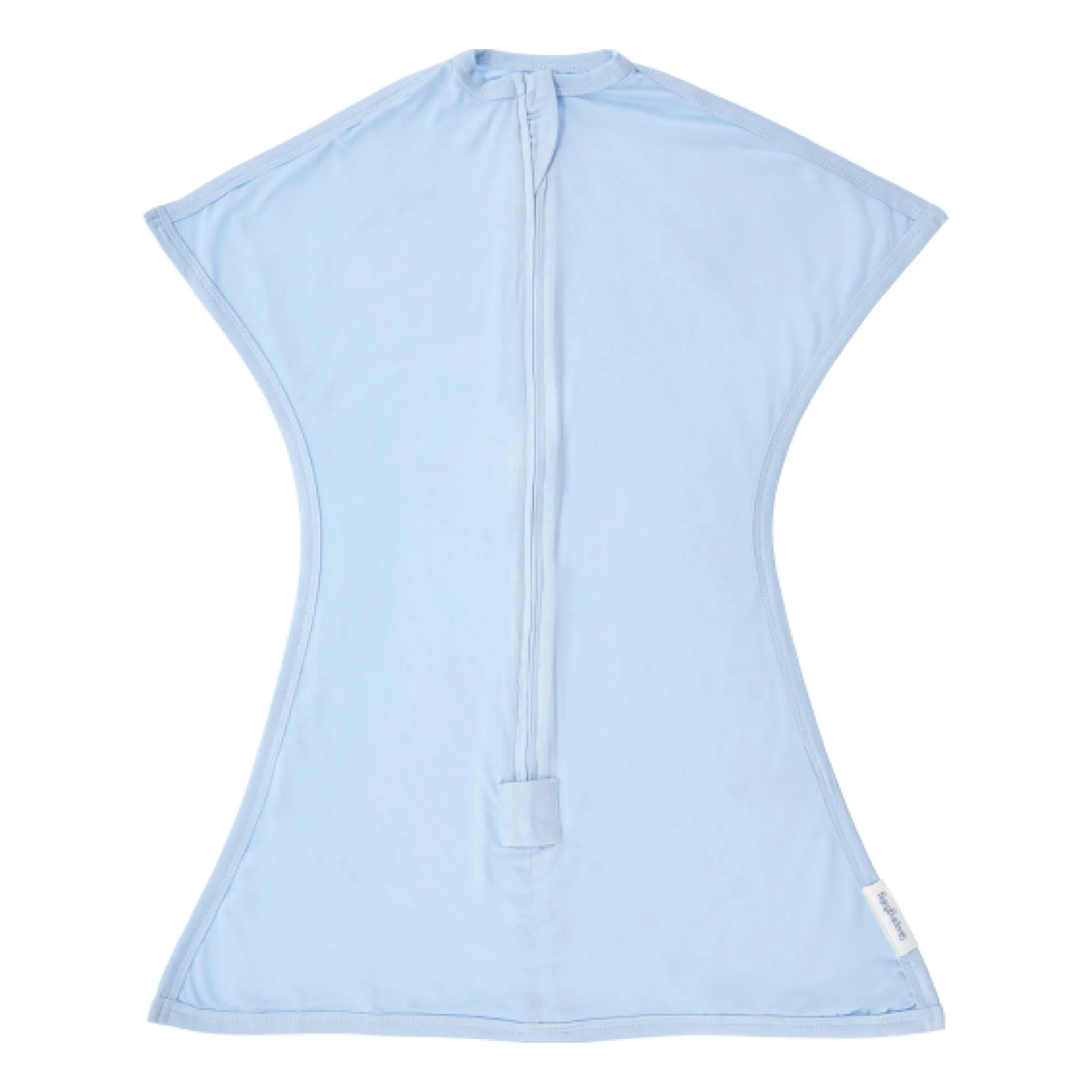
- Sleeping Baby Stripes & Checkers Zipadee-Zip Swaddle Transition: Sleeping Baby Stripes & Checkers Zipadee-Zip Swaddle Transition is safe for rollers and comes in five patterns. If your baby has started rolling, a transition swaddle like this one can replace a traditional swaddle while keeping sleepwear stylish and familiar.
- Sleeping Baby EverSoft™ Bamboo Zipadee-Zip Swaddle Transition (Gingham): Sleeping Baby EverSoft Bamboo Zipadee-Zip Swaddle Transition is made with lightweight bamboo fabric and has a double zipper for late-night diaper changes. Bamboo is a good choice for delicate skin and warm rooms, and the double zipper means fewer full wake-ups during nighttime changes.
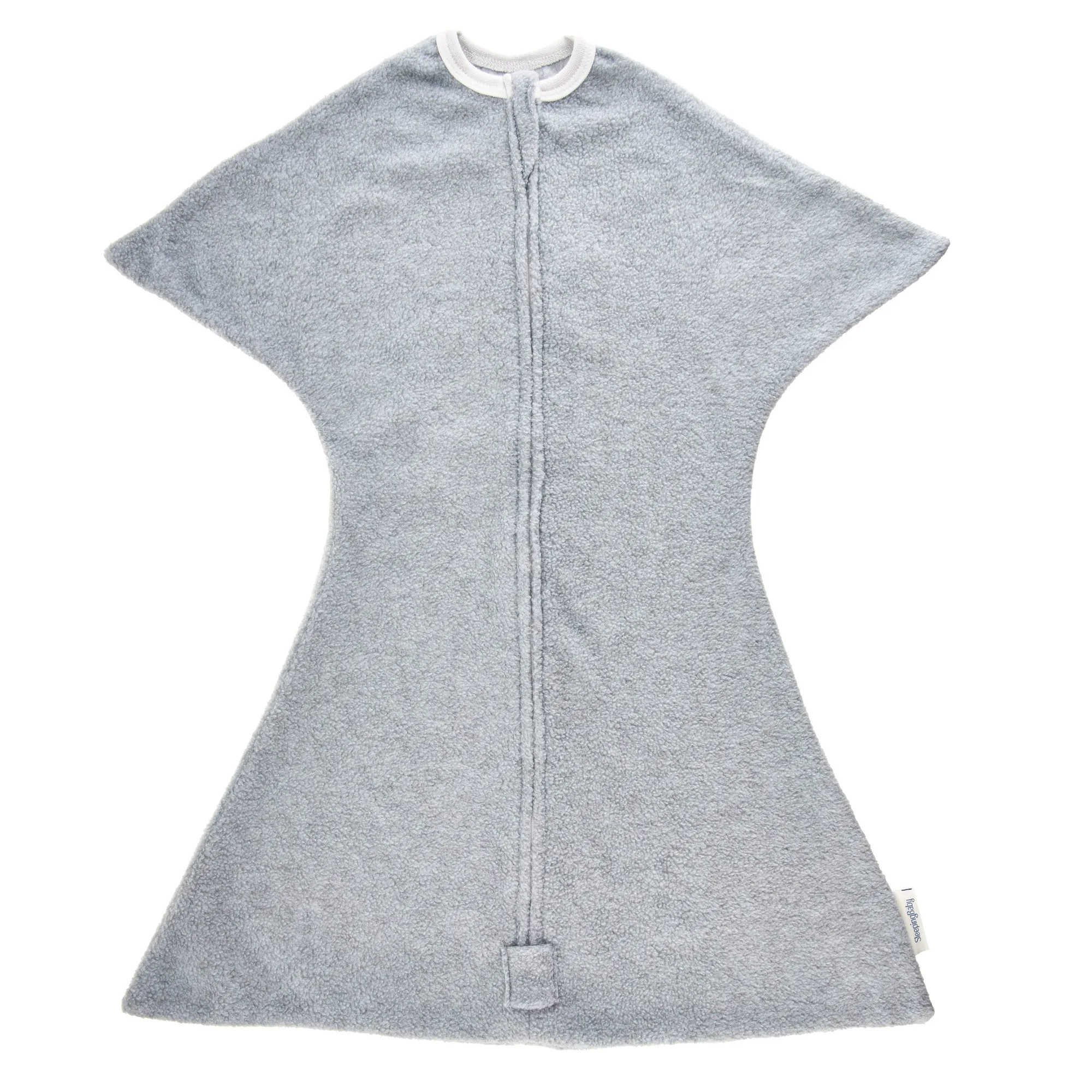
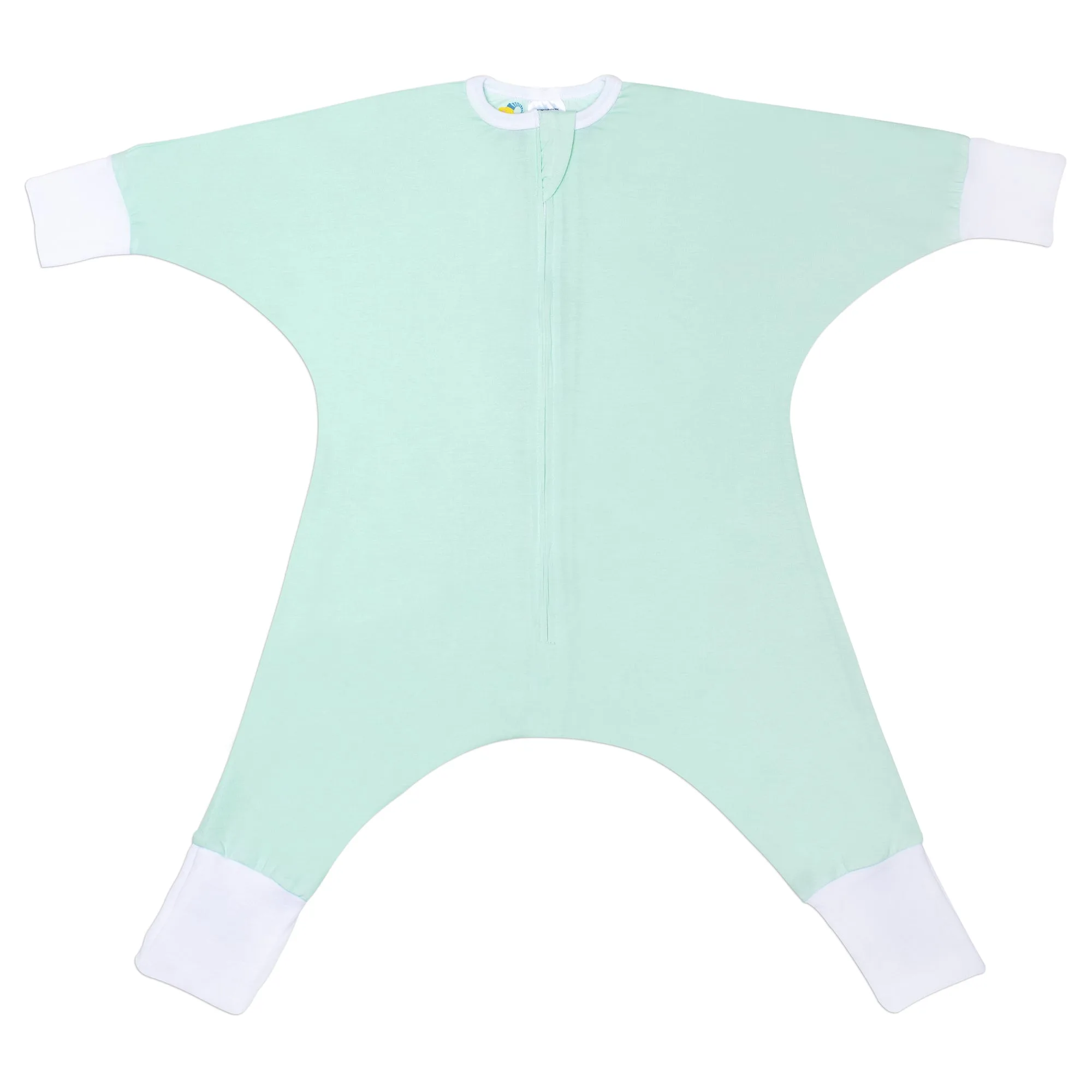
- Sleeping Baby Classic Heather Flying Squirrel Pajama - Fleece: Sleeping Baby Classic Heather Flying Squirrel Pajama in fleece doubles as a wearable blanket and has ribbed cuffs at wrists and ankles. For babies 12 months to 5 years, this fleece option keeps a loose-fitting pajama from hiking up during sleep and works as a wearable blanket.
Which should you choose?
Best for
- Parents bathing a newborn in a kitchen sink who want a soft, supportive seat that stores flat
- Small bathrooms or apartments where a full-size baby tub would be hard to store
- Caregivers who want a quick fill-and-drain routine for the first few weeks
Not for
- Babies who have outgrown the sink or need a deeper tub with more water
- Parents who want a rigid tub that can sit inside a full-size bathtub
- Anyone who prefers a bath seat with a built-in contoured insert rather than a soft fabric cradle