Quick Answer
If you want a visually striking, mildly earthy brew with potential antioxidant benefits, blue pea flower tea is a fun choice. If you prefer a classic, calming, caffeine-free cup with well-known soothing properties, a pure herbal tea like chamomile is the safer bet. Both are naturally caffeine-free, but they differ in flavor and purpose.
blue pea flower tea
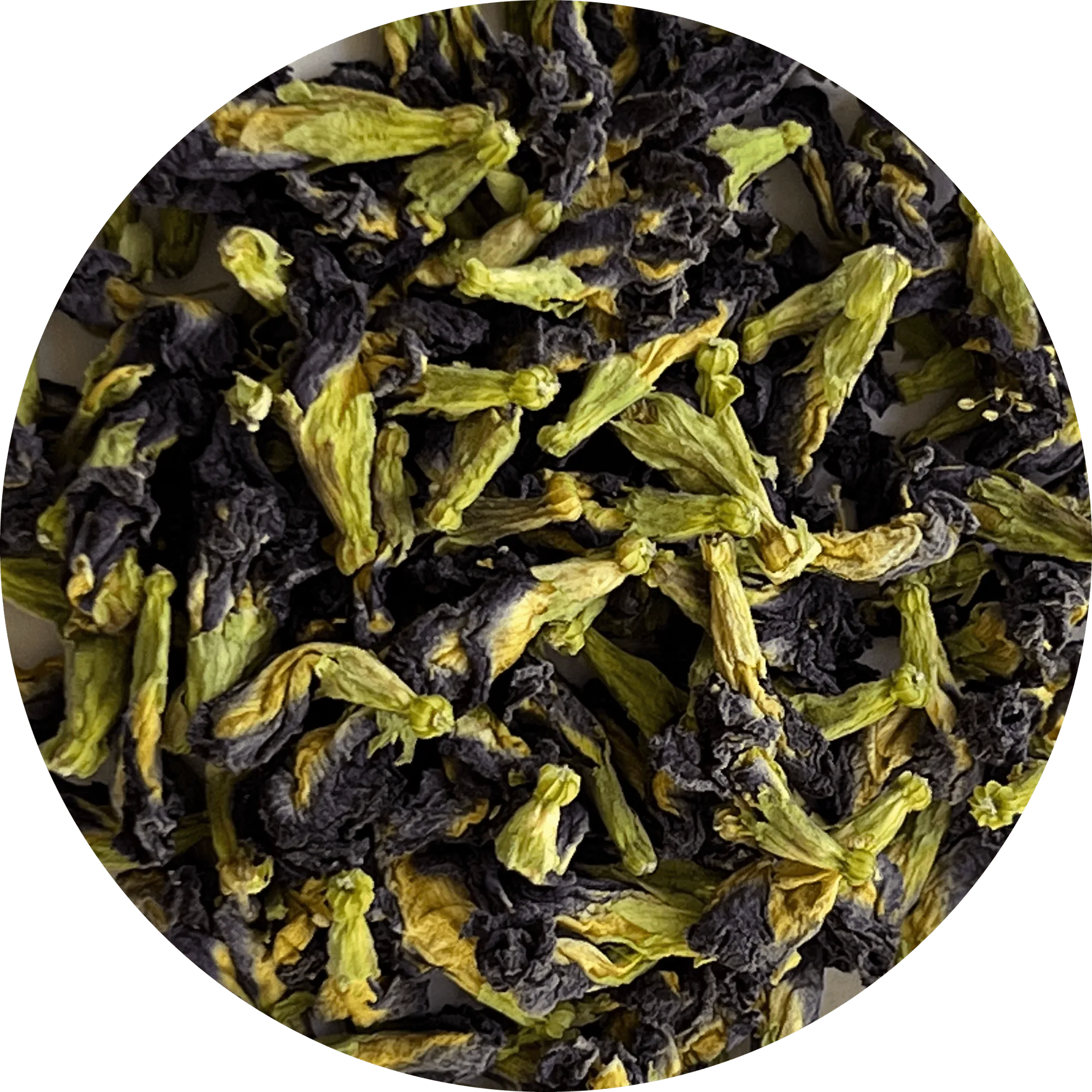
When you're looking for a caffeine-free tea, blue pea flower tea and traditional herbal teas are two popular paths. Both skip the caffeine, but they bring very different experiences to your cup. Blue pea flower tea, sometimes called butterfly pea tea, is known for its vivid blue color and subtle earthy taste. Herbal teas like chamomile offer a familiar floral comfort with a long history of use.
This comparison breaks down what each option really offers, based on the facts we have, so you can choose the one that fits your routine, taste, and wellness goals. We'll look at flavor, caffeine content, benefits, and practical considerations like brewing and pairing.
Flavor and Experience
Blue pea flower tea has a mild, earthy flavor with a slightly woody note. It's not sweet or fruity, so it pairs well with honey or lemon. The real draw is the color: a deep blue that turns purple with a squeeze of citrus. This makes it a favorite for iced teas and creative drinks.
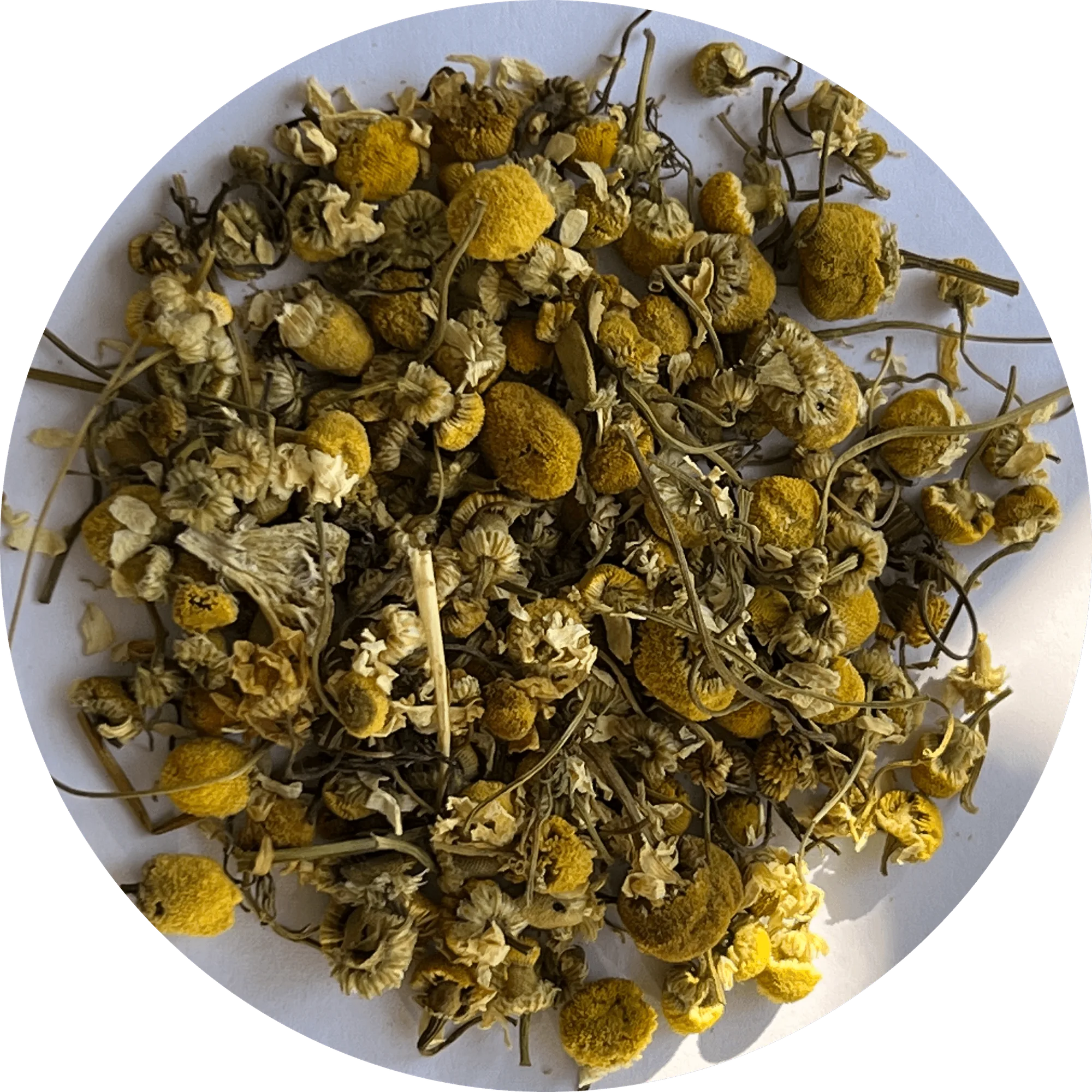
Herbal teas vary widely, but chamomile is a classic example. It offers a gentle, apple-like sweetness with floral undertones. Chamomile is often chosen for its calming effect, especially before bed. If you want a comforting, familiar cup, herbal tea is hard to beat.
- Blue pea flower tea: earthy, mild, and visually striking.
- Pure chamomile tea: sweet, floral, and soothing.
Caffeine Content and Benefits
Both blue pea flower tea and herbal teas are naturally caffeine-free. This makes them suitable for evening consumption or for people sensitive to caffeine. Blue pea flower is often praised for its antioxidant properties, though we don't have specific scientific data to confirm all claims. Our Blue Pea Green Tea, however, does contain green tea, so it's not caffeine-free—it's a blend.
Pure herbal teas like chamomile are also caffeine-free and are traditionally used to support relaxation and sleep. The catalog notes that chamomile is 'crafted exclusively from organic chamomile flowers,' ensuring a pure, caffeine-free experience. For stress relief and winding down, herbal tea is a well-established choice.
- Check the label: blue pea flower tea alone is caffeine-free, but blends with green tea are not.
- Herbal teas like chamomile are naturally caffeine-free and often chosen for calm.
Practical Considerations
Brewing blue pea flower tea is straightforward: steep the dried flowers in hot water for 3-5 minutes. The color develops quickly, and you can add lemon to change the hue. It's best enjoyed fresh, as the color fades over time. Herbal teas like chamomile also steep quickly, usually 5 minutes, and are forgiving if you leave them a bit longer.
When choosing between the two, think about your purpose. If you want a visually engaging drink for a special occasion or a fun iced tea, blue pea flower is unique. If you want a daily calming ritual, a pure herbal tea like chamomile is more traditional and offers a consistent, soothing experience.
- Store dried flowers in an airtight container away from light to preserve color and flavor.
Trade-offs at a Glance
- Visual appeal: Blue pea flower tea offers a stunning blue color that changes with citrus. Herbal teas are typically brown or pale yellow. Choose blue pea for Instagram-worthy drinks.
- Flavor profile: Blue pea is earthy and mild; chamomile is sweet and floral. Neither is bitter, so both are easy to enjoy. Pick based on your preferred taste: earthy vs. sweet.
- Caffeine content: Both are naturally caffeine-free, but blends like Blue Pea Green Tea contain caffeine. Always check the label. For a truly caffeine-free option, choose pure blue pea flowers or pure herbal tea.
Products to Consider
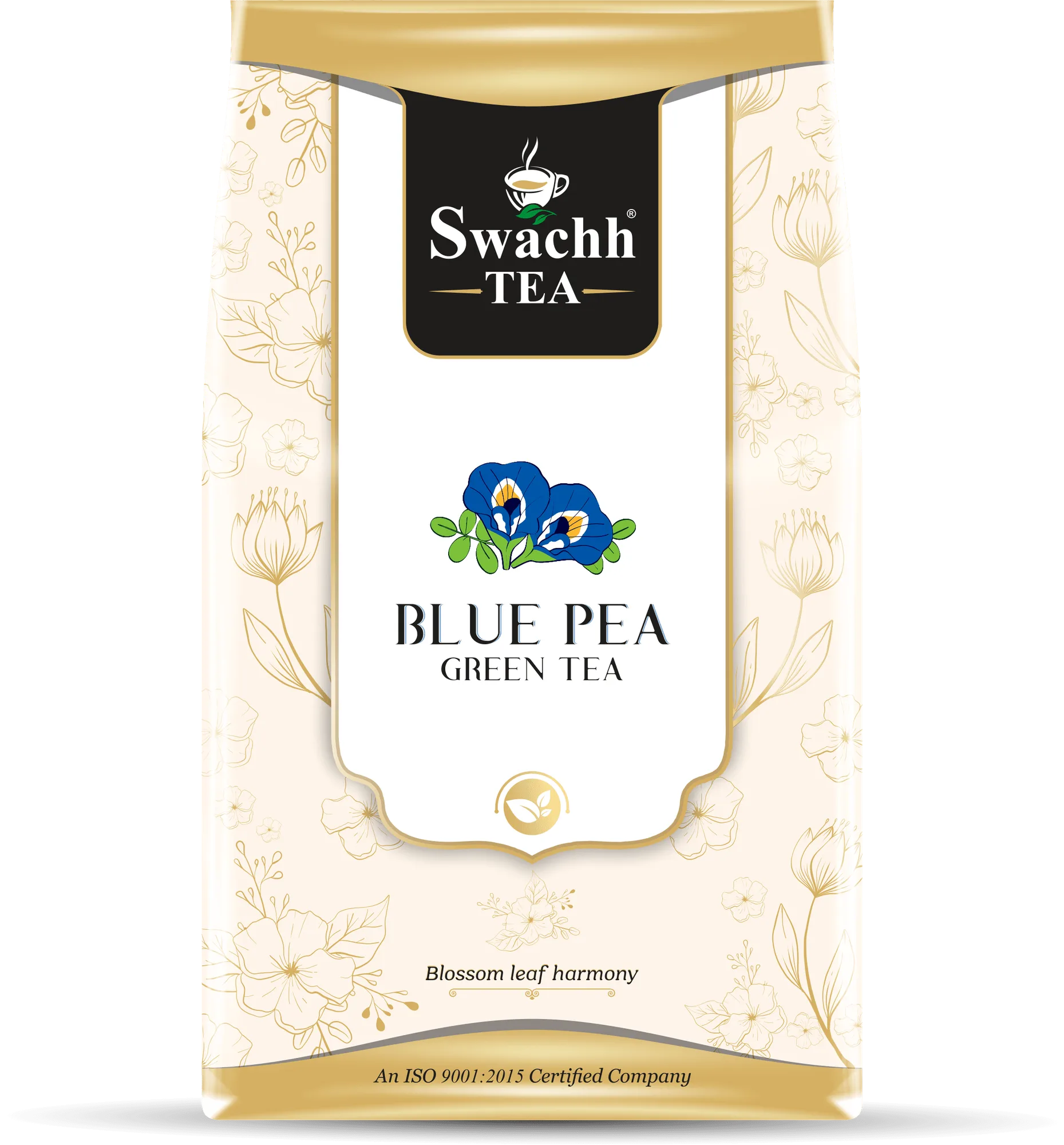
- Blue Pea Green Tea: This blend combines premium green tea leaves with blue pea flower, creating a unique and exotic tea experience. If you love blue pea's color but want a caffeine boost, this blend gives you both—but it's not caffeine-free.
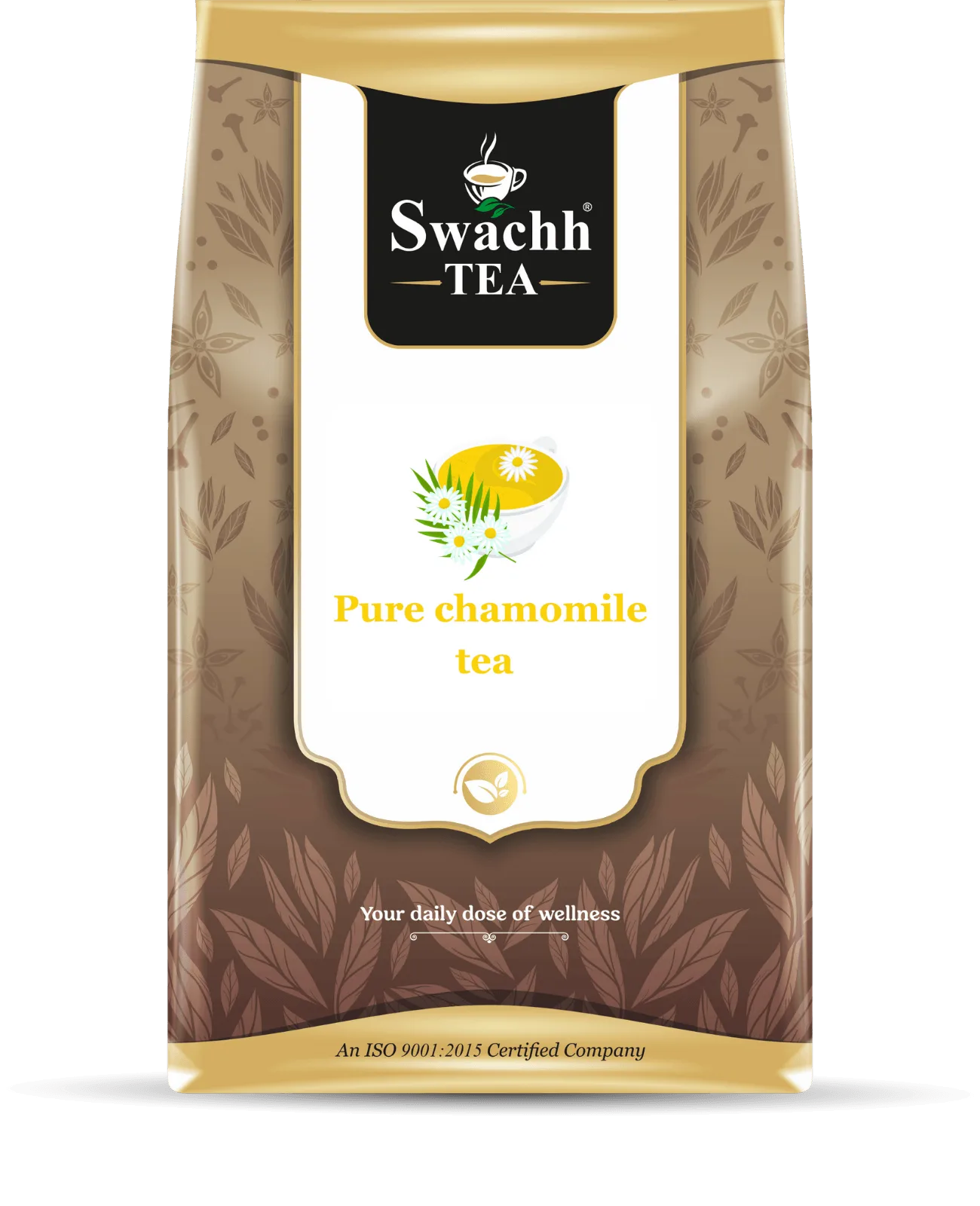
- Pure Chamomile Tea: Crafted exclusively from organic chamomile flowers, this caffeine-free herbal tea is a treasure for your tea collection. For a pure, caffeine-free calming cup, chamomile is a reliable choice with a soothing profile.
Which One Should You Choose?
Best for
- Blue pea flower tea: people who want a visually unique, caffeine-free drink for creative beverages or iced tea.
- Pure herbal tea (like chamomile): those seeking a classic, calming bedtime tea with a sweet, floral flavor.
Not for
- Blue pea flower tea: if you prefer a sweet, fruity flavor or want a tea with strong traditional medicinal associations.
- Pure herbal tea: if you're looking for a dramatic color-changing brew or a caffeine-free option with a bold, earthy taste.
Both blue pea flower tea and herbal teas are excellent caffeine-free choices, but they serve different needs. Blue pea offers visual flair and a mild earthy taste, while herbal teas like chamomile deliver classic comfort and soothing benefits. Consider your flavor preference and the occasion—then brew a cup that fits your moment.