What this plush actually is
The Wild Republic Rainforest Birds Blue Rumped Parrot is a compact plush bird modeled on a real species: small green parrots with bright blue accents. At 4.5 inches, it is closer to a pocket-sized collectible than a cuddle-sized stuffed animal. That single measurement drives most of the buying decision, so it is worth starting there.
The catalog describes the fill as spun from recycled water bottles, giving the plush a soft, lightweight feel. That detail matters if you want a small gift that carries an eco-minded story, but it does not tell you how the plush will hold up to heavy washing or rough play. The supplied information includes no care, safety, or age guidance, so treat those as open questions rather than settled features.
Catalog facts that shape the decision
-
Rainforest Birds Blue Rumped Parrot Stuffed Animal - 4.5": Compact at 4.5 inches, it is easy to gift, collect, and decorate with. The small size is the main reason to choose this bird, and the main reason to skip it if you want a plush to hug.
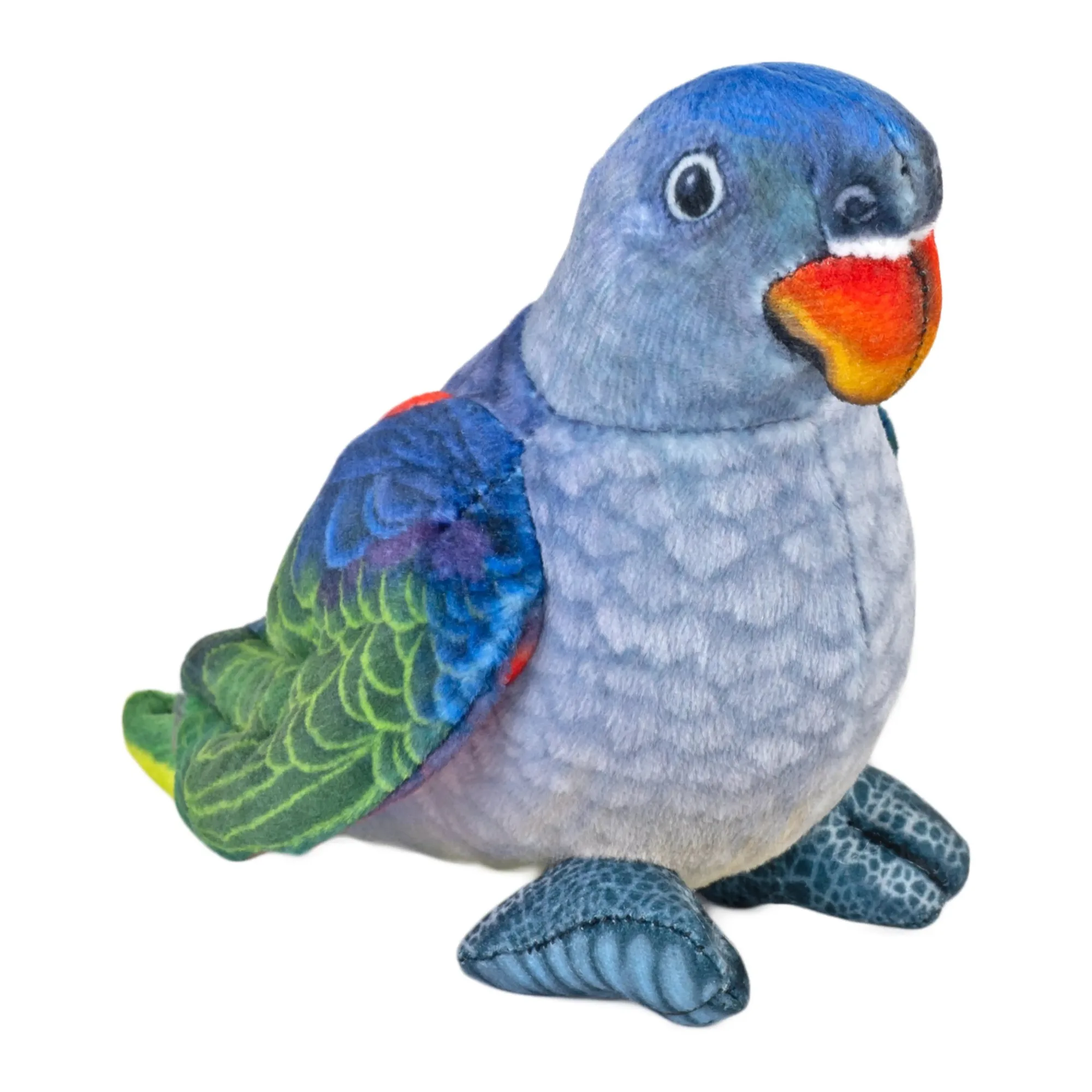
Rainforest Birds Blue Rumped Parrot Stuffed Animal - 4.5"
-
Rainforest Birds Blue Rumped Parrot Stuffed Animal - 4.5": Fill is spun from recycled water bottles, giving this plush a soft, lightweight feel. This is the clearest eco-friendly feature in the record, and it supports the lightweight feel noted in the catalog.
-
Rainforest Birds Blue Rumped Parrot Stuffed Animal - 4.5": Blue-rumped parrots are small green parrots with bright blue accents. The plush is species-inspired rather than a generic bird, which matters if you want a realistic bird stuffed animal or a conversation starter.
Where a 4.5-inch bird plush works best
Because the catalog positions this bird for gifting, collecting, and display, the best uses follow from that framing. These are practical fits, not guarantees about durability or safety.
- Gift bags and party favors: The catalog lists gift bags and party favors as suitable uses. At 4.5 inches, it fits small spaces that a full-size plush cannot.
- Classroom rewards and small prizes: The same compact size makes it easy to hand out individually, and the rainforest theme gives it a bit of educational value.
- Travel and pocket-sized comfort: Lightweight and small enough to pack, though the catalog does not specify a recommended age or whether it is suitable for very young children.
- Shelves, desks, and themed displays: The catalog explicitly mentions shelves, desks, gift baskets, and rainforest-themed decor. This is a display-friendly plush, not a pillow substitute.
The trade-offs you should weigh
The first trade-off is size. A 4.5-inch plush is genuinely small. If the recipient expects a cuddly toy for bedtime, this bird will likely disappoint. If they enjoy miniature collectibles, desk decor, or small gifts with a story, the size becomes an advantage rather than a limitation.
The second trade-off is information. The supplied record confirms the recycled fill, the species inspiration, and the display and gifting uses, but it does not include care instructions, safety certifications, or age recommendations. That does not mean those details are absent from the product packaging; it means you should check the packaging or ask the seller before buying for a young child or before washing the plush.
The third trade-off is price context. The catalog shows a comparison price alongside the current price, which suggests a discount, but the record does not explain how long that pricing will last. Treat any savings as temporary rather than a permanent feature of the product.
Who should choose this bird, and who should not
This is not a plush for every household. The table below matches the catalog facts to common buyer situations.
- Good fit: collectors of small bird plush: The Rainforest Bird Collection framing and the 4.5-inch size make it easy to build a colorful collection without taking up much space.
- Good fit: gift-givers who want a nature theme: The recycled fill and rainforest species story give the gift a talking point beyond the toy itself.
- Good fit: teachers or party hosts needing small rewards: The catalog lists classroom rewards and party favors as intended uses, and the small size keeps per-gift bulk low.
- Poor fit: shoppers wanting a large cuddle plush: At 4.5 inches, this is not a huggable pillow-sized toy. Look for a larger plush if comfort is the priority.
- Poor fit: buyers who need confirmed wash or safety instructions: The supplied record does not include care or safety guidance, so this is not the choice if you need those details confirmed before purchase.
What the catalog does not confirm
The supplied information does not state a recommended age, washing method, drying instructions, or safety-testing details. It also does not describe the plush’s exact materials beyond the recycled-bottle fill, or whether the eyes and beak are embroidered or plastic. If any of those points are decisive for you, verify them with the retailer or on the packaging before buying.
None of these gaps are evidence that the product lacks those features. They simply fall outside the record supplied here, and a careful buyer should treat them as questions to ask rather than assumptions to make.