Quick answer
Buy the speaker that fits where you will actually put it. For clipping to a pack, belt, or dashboard vent, choose a wearable magnetic speaker. For a camp table or car trunk that stays put, choose a compact satellite-style speaker. If you also need to inflate mattresses or light a tent, a multi-use pump-and-speaker tool earns its space. Match weather rating and battery to your longest trip, not to a spec sheet.
Start with placement, not sound quality claims
Placement decides everything else. A speaker that clips to you moves when you move; a speaker that sits on a surface stays where you leave it. If you split time between a car and a campsite, pick one that can do both without needing a separate mount. Magnetic clip-on designs solve the car problem because they attach to metal surfaces without tools, while flat-bottom speakers need a stable shelf or table.
In a car, the dashboard and console are the practical spots. Avoid loose speakers that slide under braking. In a tent or at a picnic table, weight and footprint matter more than clip strength. Write down your two most common listening spots before comparing models.
Weather ratings: what IP numbers actually cover
IP ratings describe dust and water resistance, not waterproofing for submersion. An IP56 rating covers dust and strong water jets, which handles rain splashes and dusty trails. An IP54 rating covers limited dust and splashing water, which is enough for a pocket or pack but not for leaving out in a downpour. Neither rating promises survival after a drop into a lake.
For camping, look for at least IP54 on anything that lives outside a tent. For car use, weather resistance matters less, but dust protection still helps if you drive with windows down. If a product page does not list an IP rating, treat it as indoor-focused.
Battery life and charging: plan around your longest day
Battery claims are usually measured at moderate volume. If you listen loudly, expect less. A 10-hour rating covers a full day of background music but not a multi-day backpacking trip without a power source. For car trips, you can top up from a USB port, so shorter battery life is less of a problem.
If you camp without a vehicle, pair the speaker with a power bank. A 10000mAh power bank can recharge a small speaker several times, and some models double as hand warmers for cold-weather trips. That combination covers both your phone and your speaker.
Wearable vs satellite vs multi-use: pick one job
Wearable speakers trade bass depth for portability. They clip to clothing, packs, or metal surfaces and keep sound close to you. Satellite-style speakers are slightly larger and aim for room-filling sound at a basecamp. Multi-use tools add a pump, light, or power bank, which saves packing space but usually means the speaker is not the primary feature.
If you want one device for car commutes and campsite dinners, a wearable magnetic speaker is the most flexible. If you mostly host at a table, a satellite speaker gives better sound per dollar. If you already carry an air pump for inflatables, a combined tool removes one item from your bag.
Decision rules for outdoor and car speakers
- Rule 1: If it moves with you, make it wearable: Choose a magnetic clip-on speaker when you listen while walking, biking, or working. It attaches to clothing, packs, or car metal without a mount. Check: does it have a clip or magnet, and does the rating cover dust and splashes?
- Rule 2: If it sits on a table or trunk, prioritize footprint and stability: A compact satellite speaker with a flat base stays put at camp or in the car. Skip clip hardware you will not use. Check: does it fit your cup holder, glovebox, or camp table without wobbling?
- Rule 3: If you carry an air pump, combine tools: A pump, light, and power bank in one device saves space for car campers and beach trips. Accept that the speaker is secondary. Check: does the pump include nozzles for your mattress or float valves?
- Rule 4: Match battery to your longest day without power: A 10-hour speaker covers a day trip. For multi-day camping, add a power bank or choose a speaker you can recharge from one. Check: can you charge the speaker from a power bank you already own?
- Rule 5: Treat IP ratings as splash and dust limits, not waterproofing: IP54 and IP56 handle splashes and dust. Neither survives a drop into water. If you need a floating speaker, look for a specific waterproof claim. Check: does the product page list an IP rating, and does it match your wettest expected condition?
Products that fit these rules
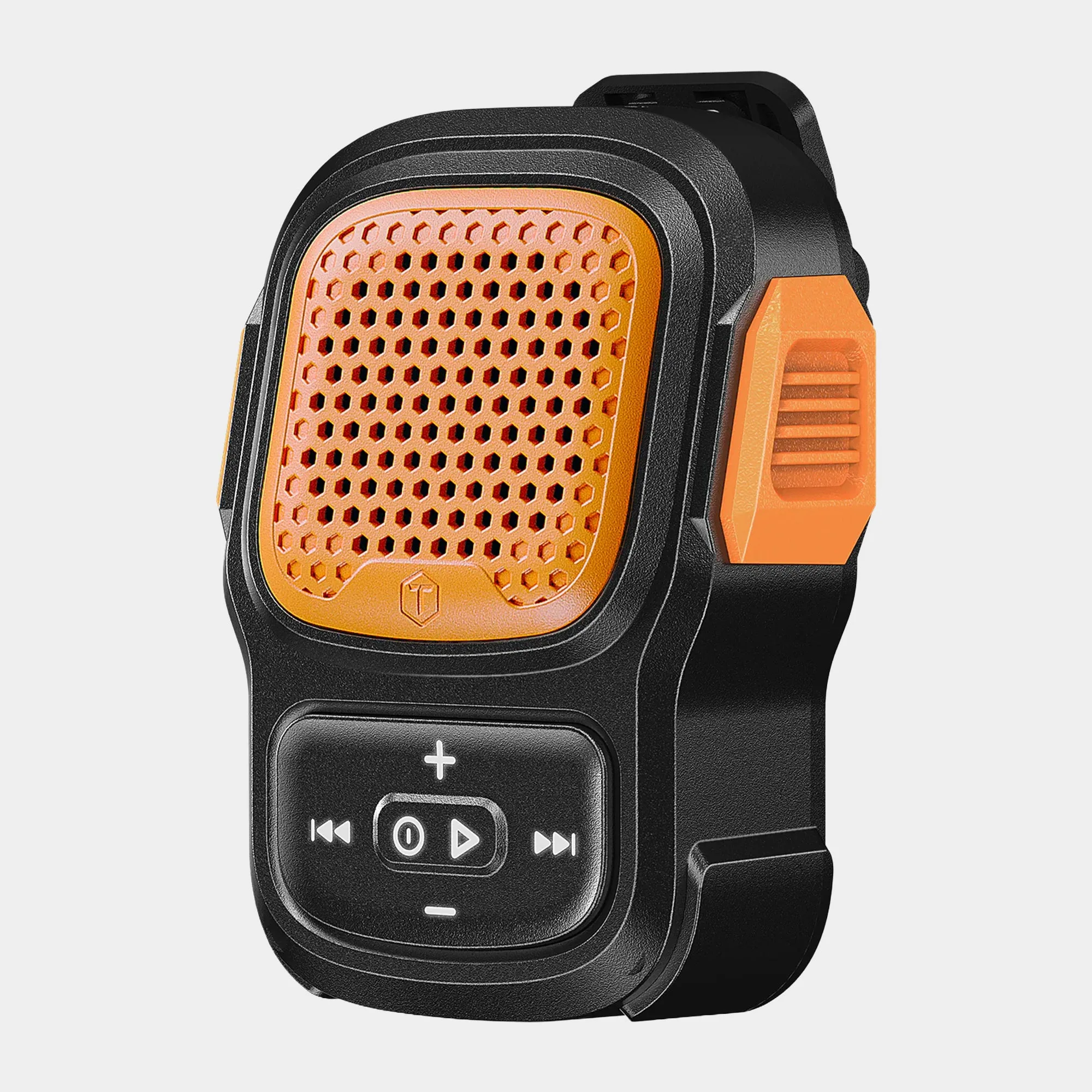
- ToughTested MagnaCom Wearable Bluetooth Speaker: Magnetic clip-on design allows easy attachment; IP56-rated construction; up to 10 hours of playtime. Clips to a belt, pack strap, or car metal surface without a mount. IP56 handles dust and water jets, so it suits dusty trails and rain splashes. Ten hours covers a full day of listening at moderate volume.
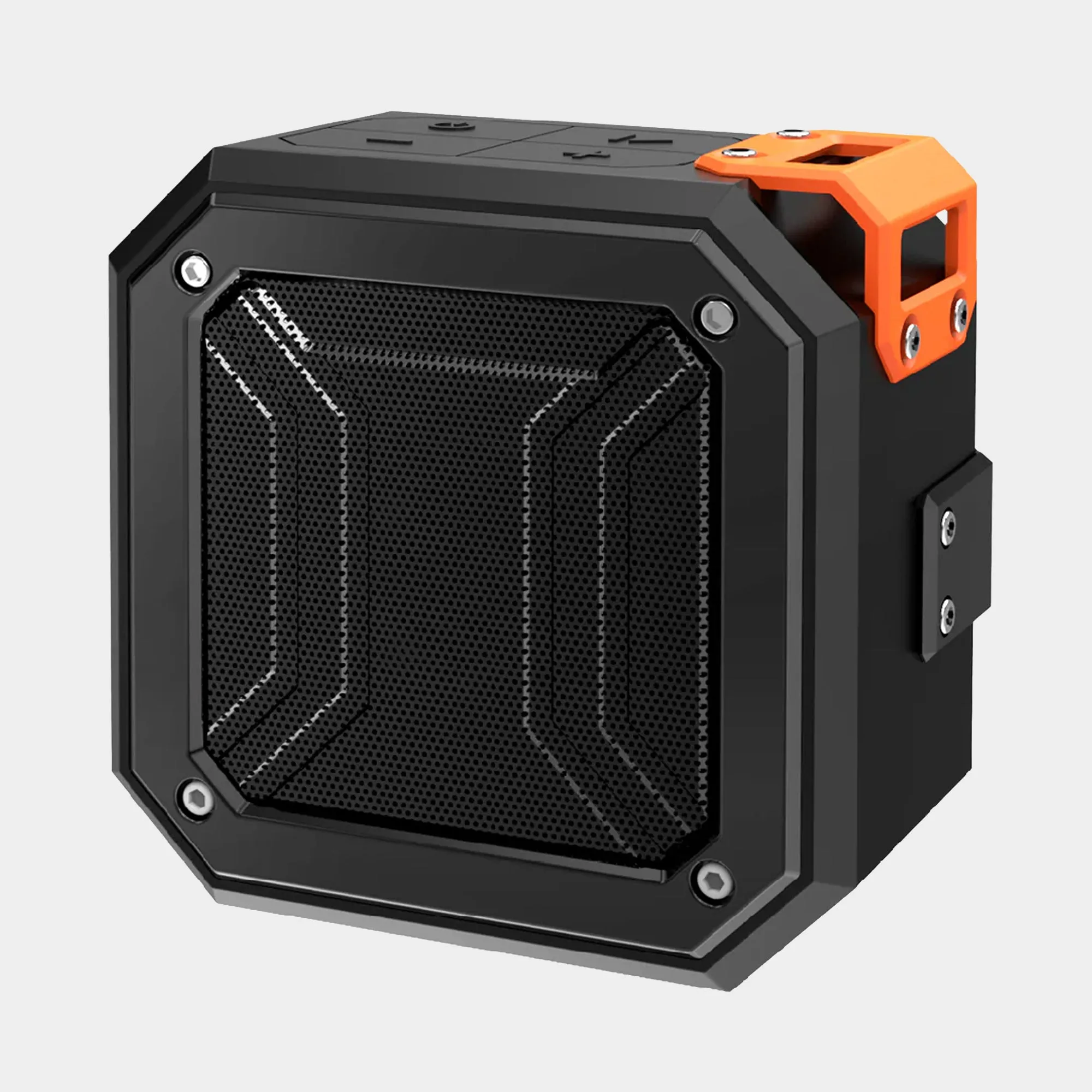
- ToughTested Satellite Outdoor Wireless Speaker: Compact design for easy carrying and setup; built for use at home or on the go. A simple satellite-style option when you want a speaker that sits on a table or trunk lid and moves between home and car without fuss.
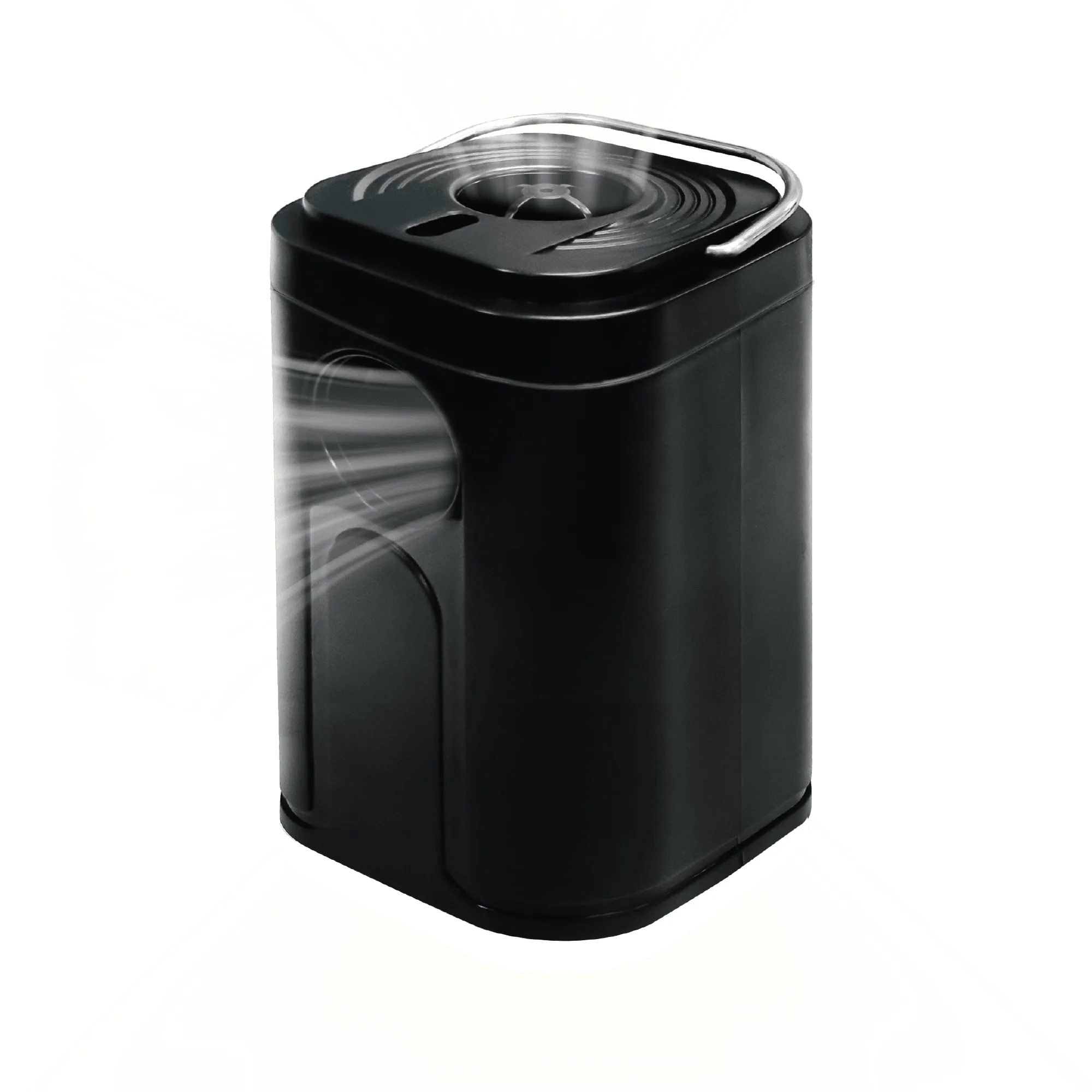
- ToughTested Mini Air Pump, Camping Light & Power Bank for Inflatables: Inflates and deflates air mattresses; includes 5 nozzles; LED camping light with SOS mode; 2400mAh rechargeable power bank. Replaces three separate items for car campers and pool days. The 2400mAh battery is small, so treat the power bank as emergency top-up, not a full phone recharge.
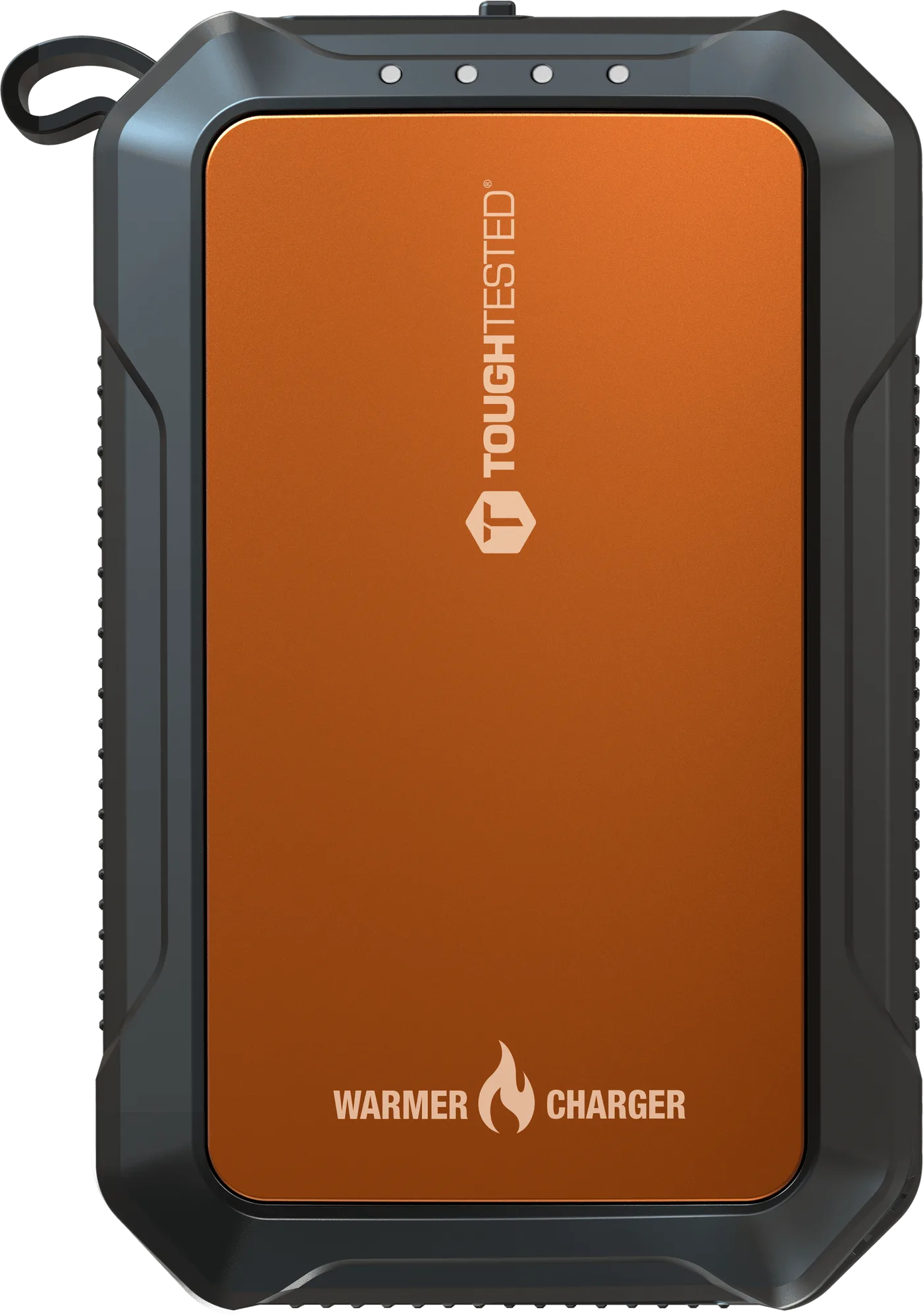
- ToughTested Explorer10 10000mAh Power Bank & Hand Warmer: 10000mAh power bank; hand warmer with 4 heat settings; up to 24 hours of warmth; 20W USB-C PD; IP54 weatherproof housing. Pairs with any speaker to extend playtime and keeps your hands warm on cold-weather trips. IP54 covers splashes, not submersion.
Who should buy which
Best for
- Car commuters and campers who want one speaker that clips to a belt, pack, or metal surface without a mount
- Day-trippers and tailgaters who listen at moderate volume for up to 10 hours and need dust and splash protection
- Car campers who want to replace a separate air pump and camp light with one multi-use tool
Not for
- Listeners who need deep bass at high volume for a large group; a larger non-portable speaker will serve better
- Backpackers on multi-day trips without a power bank; the speaker battery will not last the whole trip at loud volume
- Anyone who needs a speaker that survives full submersion; IP54 and IP56 are not waterproof for swimming