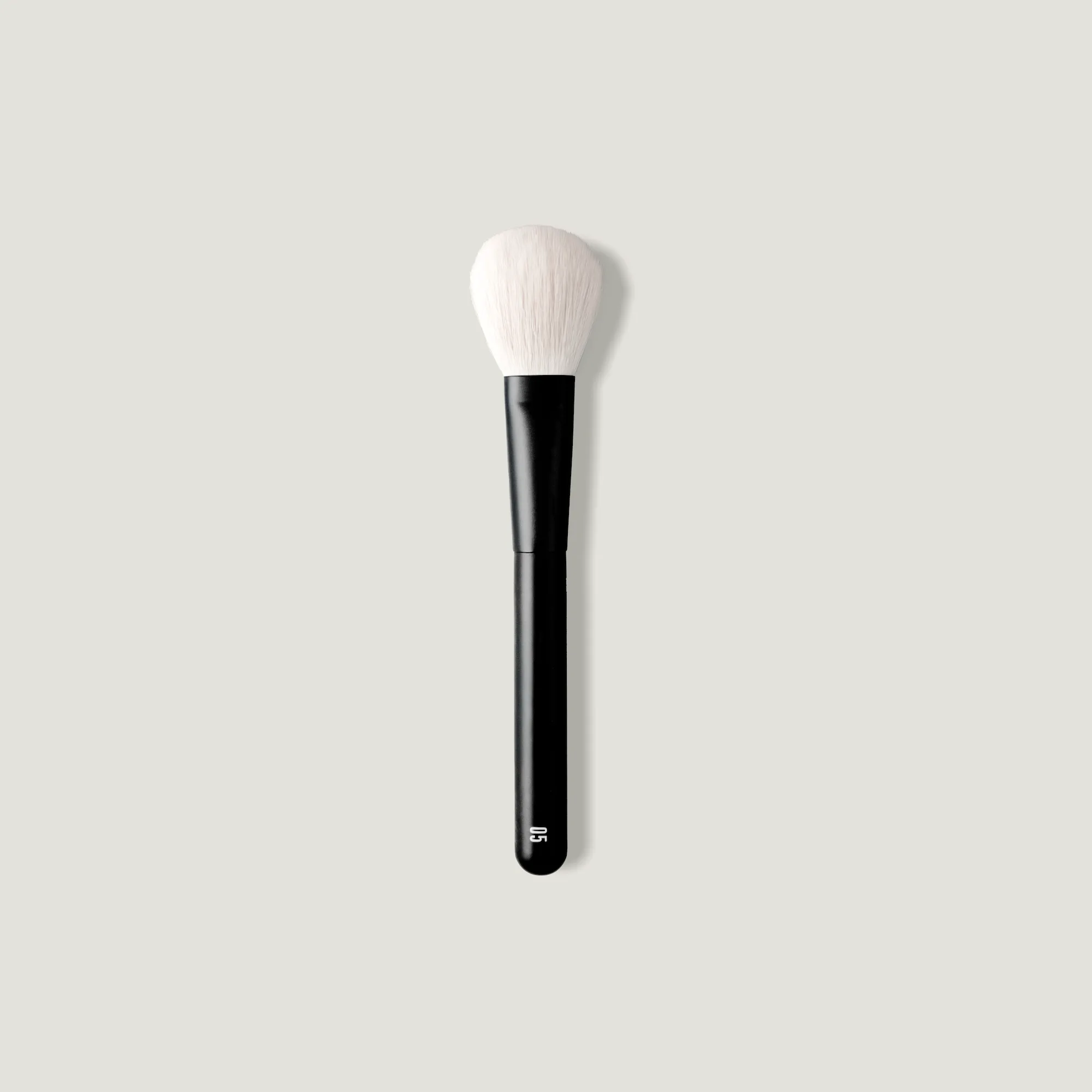
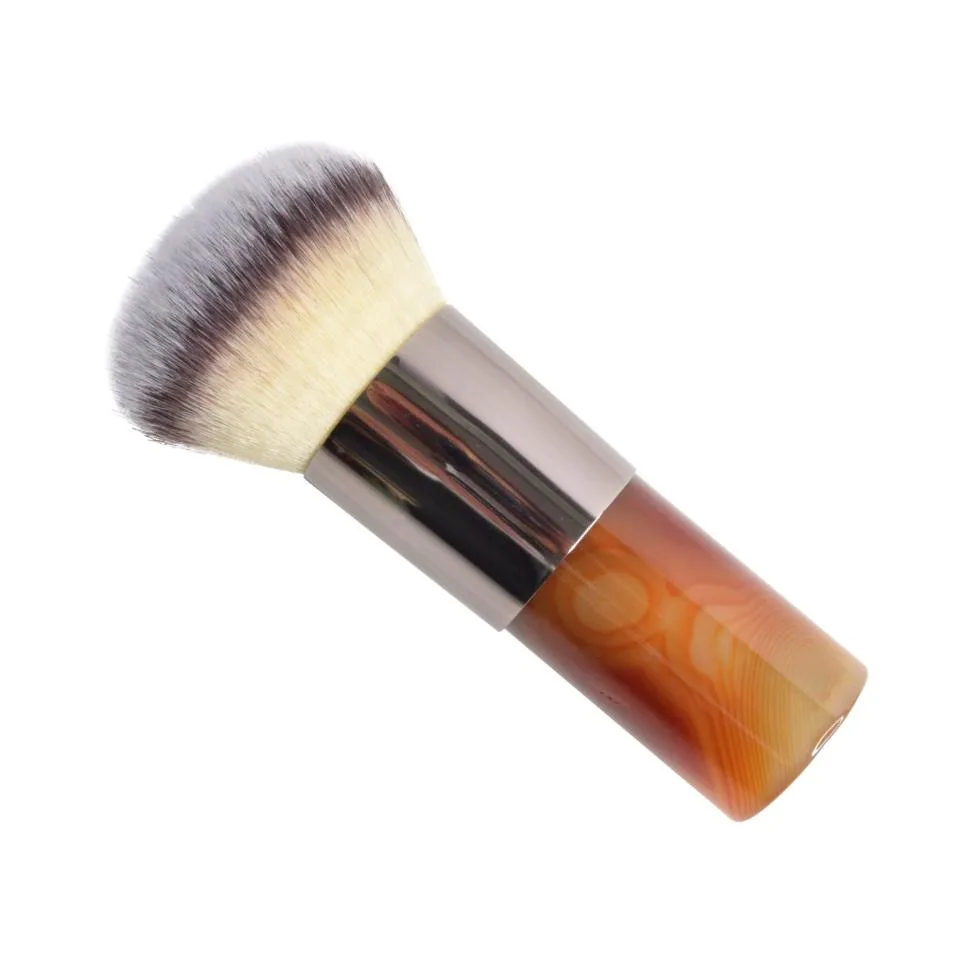
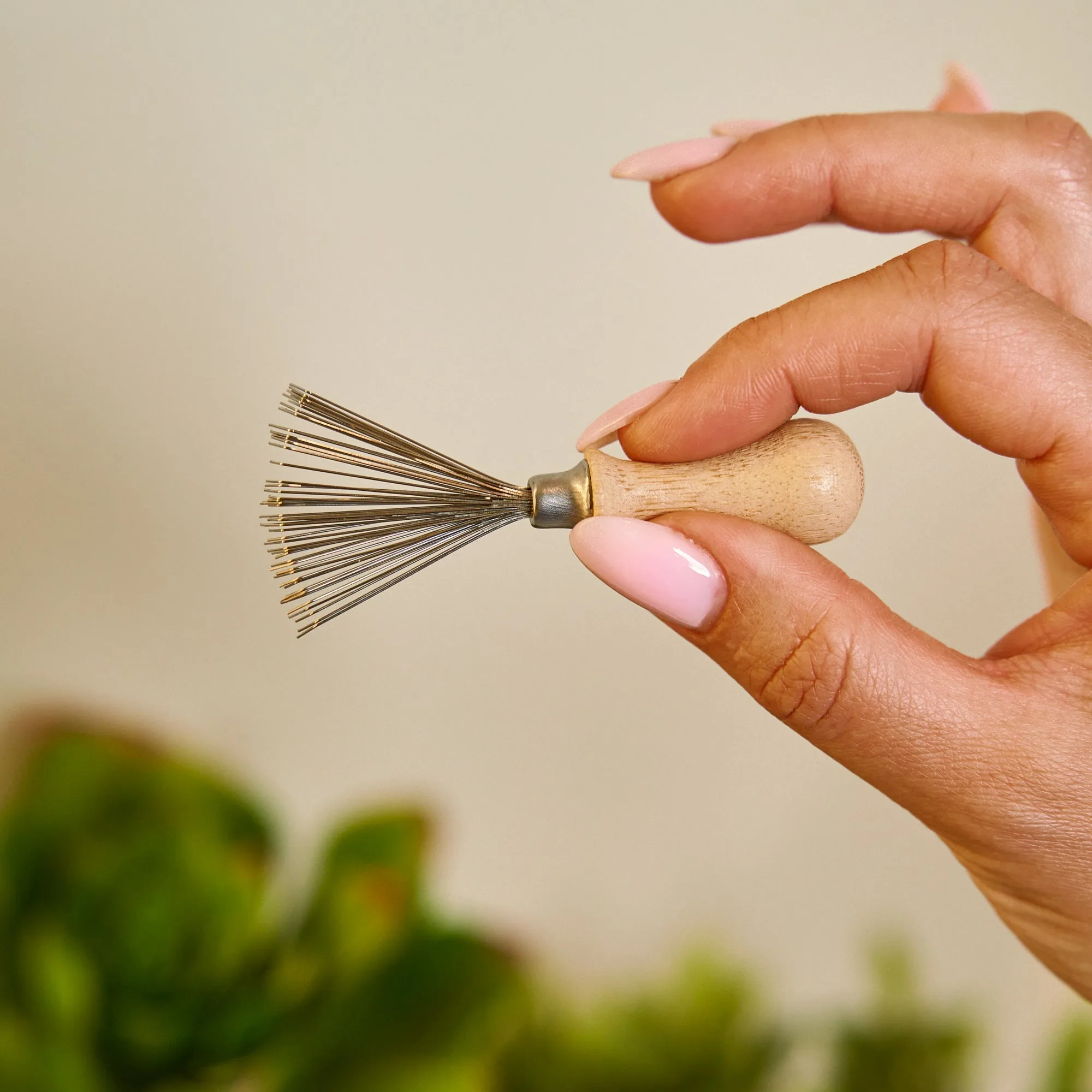
Why The Blush Brush needs a gentler cleaning approach
The Blush Brush is built around soft-yet-firm bristles and an ergonomic handle, and it is dual-ended for cream blush application. Those soft bristles are the reason it blends smoothly, so the goal of cleaning is to remove cream blush residue without crushing, bending, or roughing up the fibers.
The supplied product information does not include a manufacturer cleaning method, drying time, or water-temperature instruction. That means the routine below is general brush-care guidance, not a company-prescribed procedure. Use it as a careful default, and check any care label or insert that comes with your brush for brand-specific directions.
What the product record confirms
-
The Blush Brush: The Blush Brush has ultra plush, dual-ended bristles with a soft-yet-firm feel and an ergonomic handle. Soft-yet-firm bristles are the part most affected by washing, so handling them gently protects the blending performance you bought the brush for.
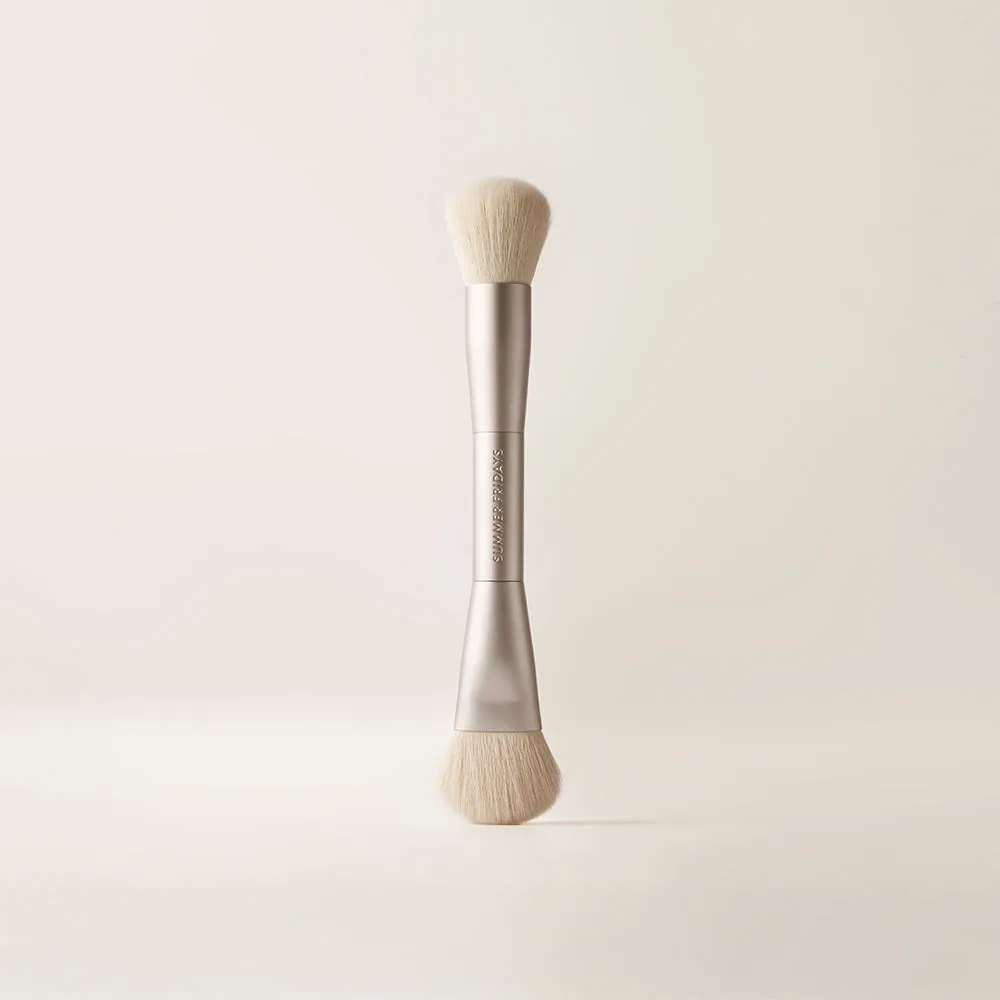
The Blush Brush
-
The Blush Brush: It is designed for cream blush and is described as providing smooth, even coverage. Cream formulas can cling to bristles, so regular cleaning helps keep application even instead of patchy.
A gentle wash for cream blush residue
Work through these steps with a light hand. The aim is to lift cream blush out of the bristles, not to scrub the brush.
- 1. Wet only the bristles: Hold the brush with the bristles pointing down and wet just the tips. Keep water away from the handle and the base of the bristles, where moisture can weaken the glue over time.
- 2. Add a small amount of gentle soap: Use a mild brush cleanser or a gentle soap. A little goes a long way; too much product means more rinsing and more handling.
- 3. Swirl, don't scrub: Gently swirl the wet bristles in the palm of your hand or on a cleaning mat. Avoid pressing hard or splaying the bristles, which can distort the soft-yet-firm shape.
- 4. Rinse until the water runs clear: Rinse with the bristles still pointing down. Repeat the soap step only if cream blush residue is still visible in the rinse water.
- 5. Squeeze, don't pull: Gently squeeze excess water out with a clean towel, working from the base of the bristles toward the tips. Do not tug or twist the bristles.
- 6. Dry bristles-down: Lay the brush flat with the bristles over the edge of a counter or stand it bristles-down so water drains away from the handle. Let it air-dry fully before the next use.
Blush brush care tips between washes
How you store and handle The Blush Brush day to day matters as much as the wash itself.
- Wipe the ends after use: A quick swipe on a clean tissue can lift surface cream blush before it sets into the bristles, making the next wash easier.
- Keep the dual ends separate: If you use both ends for different cream blush shades, clean them at the same time so color from one end does not transfer to the other.
- Store bristles-up or flat: Keep the brush in a cup with bristles pointing up, or in a case that does not press on the bristles. Bending the soft fibers while stored can spoil their shape.
- Avoid shared towels and dirty surfaces: Rest the brush on a clean surface after use. A clean landing spot reduces the chance of picking up dust or residue that then goes back onto your face.
How often should you wash it?
The supplied product information does not give a recommended cleaning frequency. A practical rule for a cream blush brush is to wash it when the bristles start to feel stiff, when color looks patchy or uneven, or when you notice visible product buildup. If you use it daily, that often means a wash once a week, but adjust to how the brush actually feels and performs.
Because cream blush can stay tacky on bristles, do not wait for the brush to look heavily coated. A light, regular wash is easier on the bristles than a deep scrub after weeks of buildup.
What to do when the bristles stop feeling soft
If The Blush Brush starts to feel stiff or applies blush unevenly, first check for leftover product at the base of the bristles. A gentle re-wash and thorough rinse often restores the soft feel. Avoid harsh solvents, hot water, or aggressive rubbing, which can damage the bristles and the handle.
The supplied information does not confirm whether the brush is compatible with specific cleansers, sanitizing sprays, or conditioning products. If you want to use a specialty brush soap or conditioner, follow that product's own directions and test it on a small area of the bristles first.