The grip claims worth testing
Search for suede yoga mats and you'll meet two confident camps: one says suede is slippery until you break it in, the other says natural rubber solves everything. Neither claim is a law of nature. The honest way to judge a mat is to ask what its construction actually tells you, then treat everything else as a question to test in your own practice.
The Blushing Petal Natural Rubber Yoga Mat gives us a concrete example to work with: a suede top over a non-slip natural rubber bottom. Below, we separate the common suede grip myths from what the supplied product information confirms, and flag where the evidence stops.
What the Blushing Petal mat actually is
-
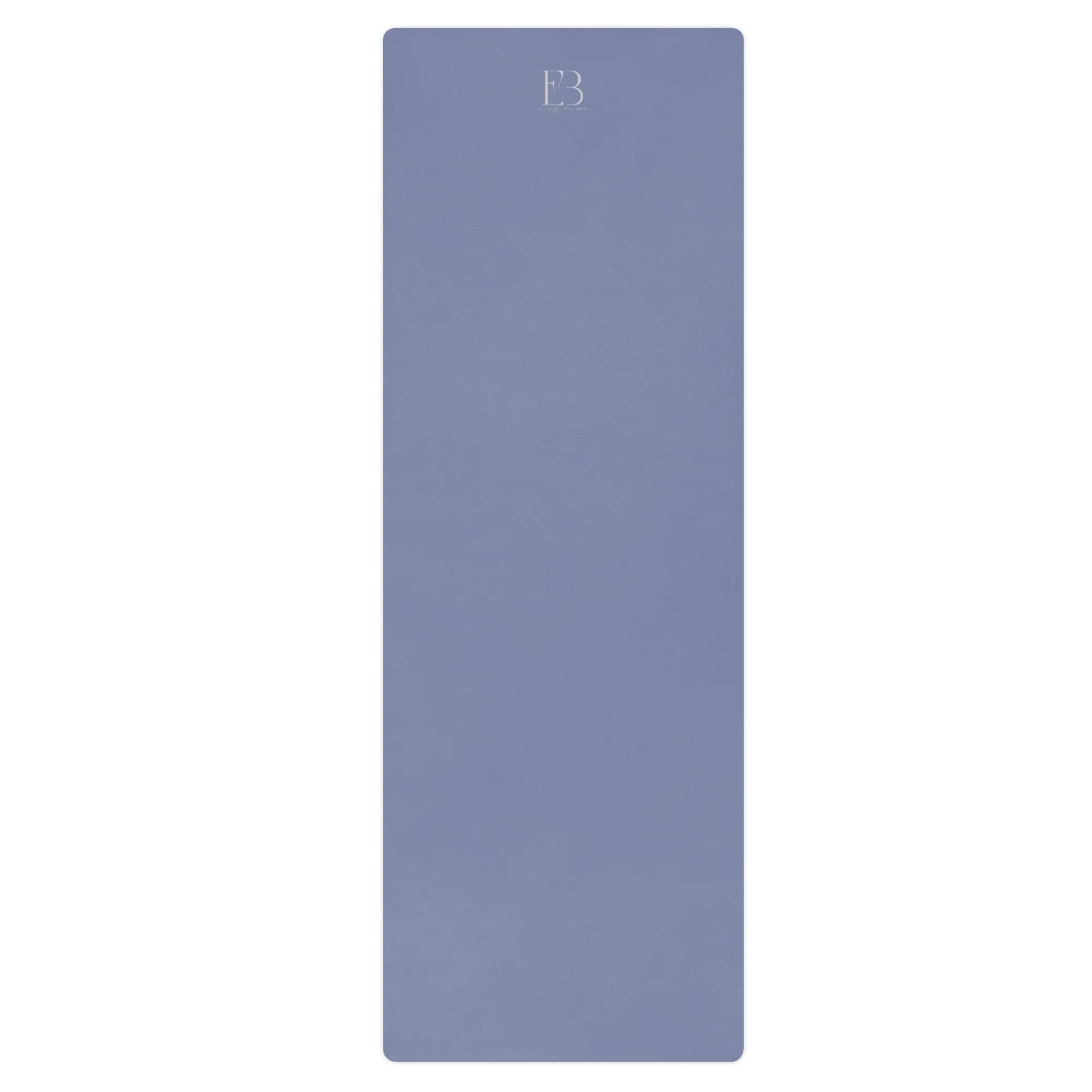
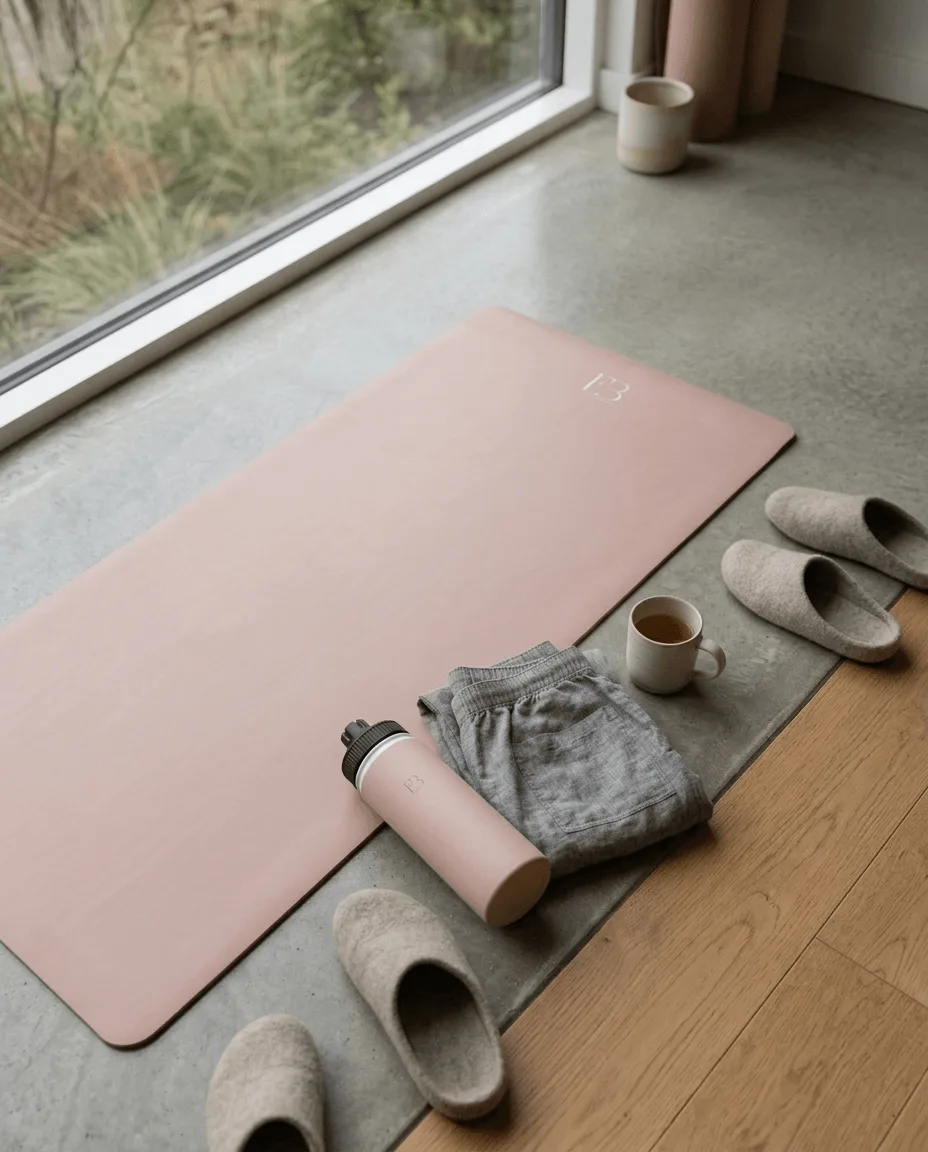
Blushing Petal Natural Rubber Yoga Mat | Non-Slip Suede | Eco Black: Suede top with a non-slip natural rubber bottom. Two different surfaces meet your hands and the floor, so grip questions should be split between them rather than answered for the mat as a whole.
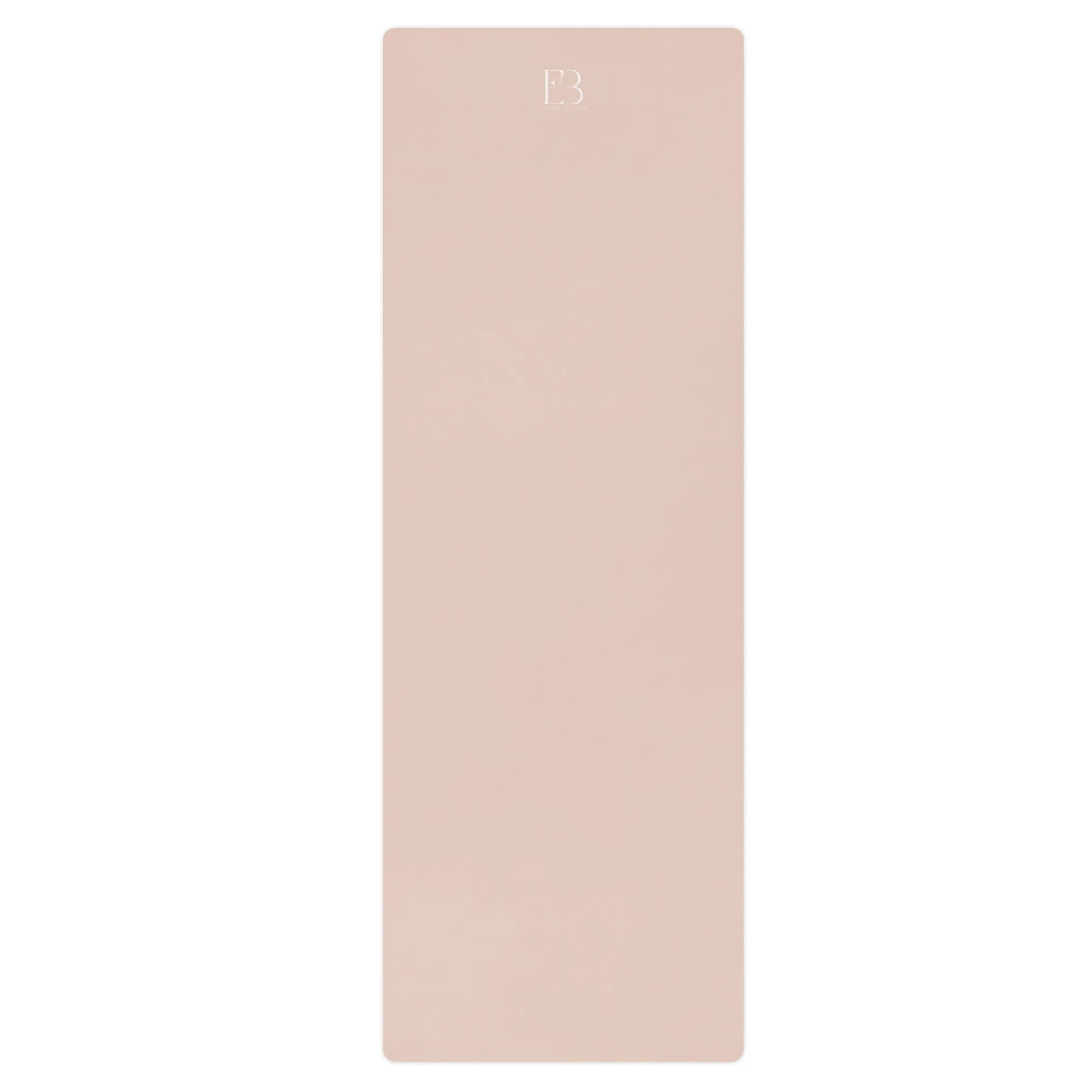
Blushing Petal Natural Rubber Yoga Mat | Non-Slip Suede | Eco Black
-
Blushing Petal Natural Rubber Yoga Mat | Non-Slip Suede | Eco Black: Size: 24" × 68" (61 cm × 173 cm); thickness 0.12" (3 mm); weight 62 oz (1.75 kg). These are the only dimensions supplied. Any claim about how the mat feels underfoot at a specific thickness is a personal judgment, not a spec.
-
Blushing Petal Natural Rubber Yoga Mat | Non-Slip Suede | Eco Black: Crafted from natural rubber, described as a renewable, biodegradable material harvested from rubber trees. The material story is about sustainability and end-of-life breakdown, not a guarantee of grip performance in every condition.
Myth 1: Suede is slippery, full stop
Suede is a textured fabric, and texture is exactly why blanket statements about it fail. What the supplied record confirms is narrower: the mat pairs a suede top with a non-slip natural rubber bottom. It does not specify a grip rating, a wet-grip test, or a required break-in period.
- What's supported: The mat has a suede top and a bottom described as non-slip natural rubber. That is the construction claim, and it is worth taking at face value.
- What's not supported: The supplied information does not state that the suede surface becomes grippier after a set number of sessions, nor does it give a break-in procedure. Treat 'suede needs X sessions to break in' as unverified for this mat.
- What you can do: Test grip in the conditions you actually practice in — dry hands, warm room, whatever applies — rather than assuming a fixed timeline from another mat's reputation.
Myth 2: Natural rubber means you'll never slip
Natural rubber is a sensible choice for the floor-facing side of a mat, and the Blushing Petal record describes its bottom as non-slip. But 'non-slip bottom' describes the underside, not a promise about every pose, floor type, or amount of moisture.
- The floor matters: The supplied information does not specify which floor surfaces the rubber bottom is tested on. If you practice on carpet, polished wood, or tile, that variable is yours to check.
- The top and bottom are different jobs: The rubber bottom addresses the mat-to-floor interface. Hand and foot contact happens on the suede top. A confident claim about one does not automatically cover the other.
- No care instructions supplied: The selected record includes no cleaning or maintenance steps. We won't invent a routine here; if grip changes over time, check the manufacturer's own care guidance rather than guessing.
Myth 3: A thicker mat always grips better
Thickness and grip are separate properties, and the Blushing Petal mat's supplied thickness is 0.12" (3 mm). That figure tells you how much cushioning to expect, not how well the surface holds.
- What 3 mm means here: It is a relatively slim mat by the numbers supplied. Whether that suits your joints is a personal fit question, not a grip claim.
- Weight as a practical signal: At 62 oz (1.75 kg), the mat is substantial. The record also lists a carrying strap in the package, which matters if you plan to travel with it.
- Don't infer a grip rating: No grip score, friction rating, or slip-resistance standard appears in the supplied evidence. Any such number you see elsewhere is not confirmed here.
How to test suede grip claims yourself
Since the supplied record doesn't prescribe a break-in routine, the practical move is a short, honest trial on your own floor. Keep it simple and note what changes.
- 1. Start on your usual floor: Unroll the mat where you normally practice and check that the rubber bottom sits flat without curling at the edges.
- 2. Try the poses you actually do: Prioritize the movements where you normally notice slipping — standing balances, lunges, or seated folds — rather than a generic sequence.
- 3. Note hand and foot feel separately: The suede top and rubber bottom are different surfaces. Record which one, if either, feels less secure, so you can address the right layer.
- 4. Recheck on a different day: Conditions like room temperature and skin moisture vary. A single session is weak evidence either way.
Where the evidence stops — and why that's useful
The Blushing Petal record is clear on materials, size, thickness, weight, and the package contents: one mat and one carrying strap. It is silent on break-in time, cleaning method, grip ratings, and floor compatibility. That silence is not proof the mat performs poorly — it simply means those questions can't be answered from the supplied information.
What the record does support is a specific positioning: a soft blush mat in the Spring Bliss 2026 Collection, described for restorative yoga, prenatal practice, and sessions rooted in kindness toward the body. If your practice is gentle and floor-based, the grip myths matter less than fit. If you need documented slip-resistance figures, ask the manufacturer before buying rather than relying on forum folklore.
At a catalog price of USD 67.49 against a comparison price of USD 89.99, the mat is positioned as an accessible entry into natural rubber construction. Judge it on the confirmed specs — suede top, non-slip rubber bottom, 3 mm thickness, 1.75 kg — and treat every unverified grip claim, in either direction, as a question for your own trial.