Quick answer
Store games vertically or horizontally on a stable shelf, keep them out of direct sun and damp basements, bag or token-tray small pieces, and handle cardboard and wooden tokens with clean, dry hands. Do a quick inventory and bag check after every play session. This routine prevents warping, lost pieces, and box damage without buying expensive inserts.
Choose a stable, climate-safe storage spot
The biggest threats to board games are moisture, heat, and direct sunlight. A cool, dry interior closet or a shelf away from radiators and windows works better than a garage, attic, or damp basement. If you live in a humid area, add a small reusable dehumidifier packet to the shelf, not inside the box, and replace it seasonally. Keep boxes off concrete floors, which can wick moisture into the cardboard.
- Avoid stacking heavy games on top of small boxes; the pressure crushes corners and dents lids.
- If you store vertically, make sure the box is full enough that components do not slump; use a foam insert or bagged pieces to fill gaps.
- Label shelves by player count or genre so you can find and return games without digging.
Bag, tray, and sort components before they scatter
Small tokens, cubes, and cards are the first things to go missing. Use resealable bags, small plastic token trays, or a compartment box to group pieces by type or player color. For games with many identical tokens, keep a few spares in a labeled bag so you can replace a lost piece without hunting. If a game includes a custom insert, use it as designed; if it does not, a cheap plano-style box often fits inside the original box and speeds setup.
- Do not overstuff bags; a bag that barely closes stresses the seal and can split.
- Keep cards in a deck box or banded stack so edges do not fray.
- For wooden tokens, avoid airtight bags if the wood is unfinished; a small cloth bag lets them breathe.
Handle cards, cardboard, and wooden tokens with care
Oils and moisture from hands are the main cause of grimy cards and swollen cardboard. Wash and dry your hands before play, and consider sleeving cards that get shuffled often. When punching new cardboard tokens, do it over a tray or table so pieces do not fly, and press out any stubborn bits gently with a dull knife rather than tearing. Wooden tokens should be kept away from drinks and wiped with a dry cloth if they get sticky. Never use water or solvent on printed cardboard; a dry microfiber cloth is safer.
- Do not store games in a car trunk or a hot garage; heat warps boards and fades printing.
- If a box lid is bowed, store it flat with a light weight for a few days before shelving.
- Keep pets and toddlers away from open boxes; chew marks and scattered pieces are hard to reverse.
Do a post-game reset and periodic deep check
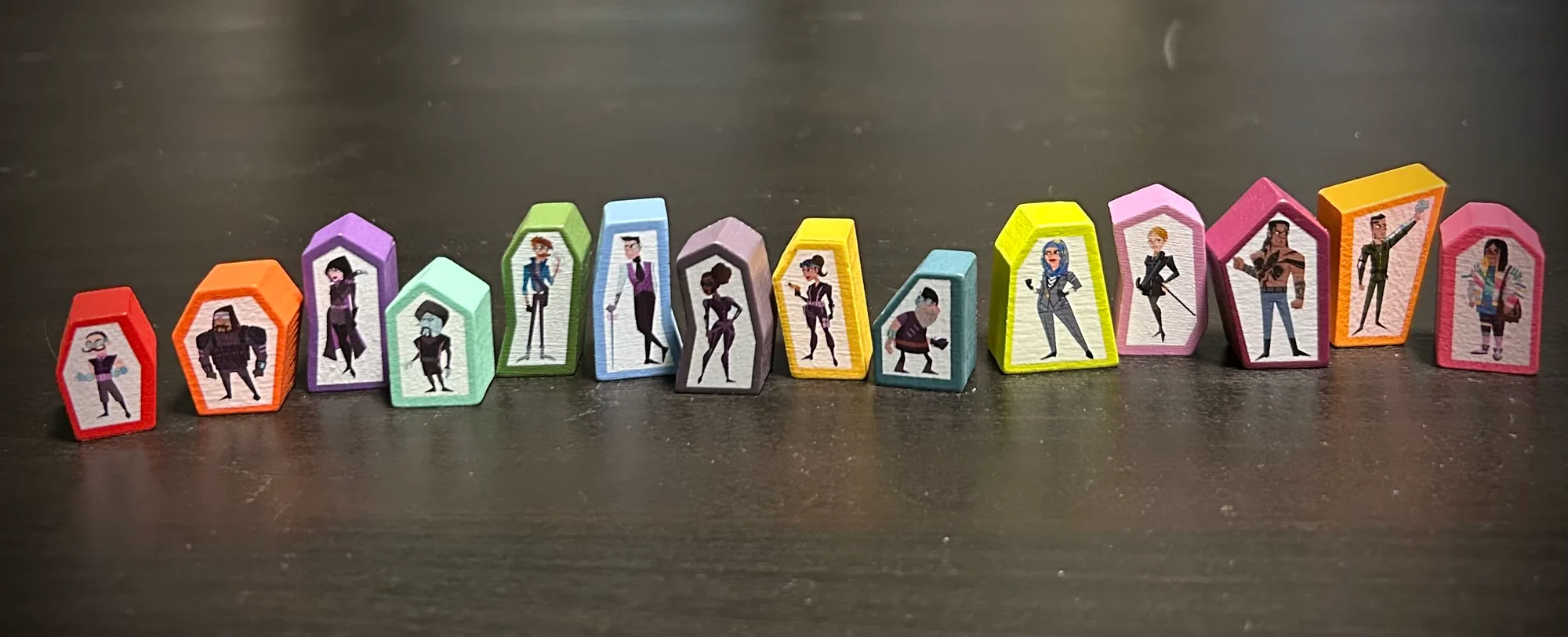
After each session, take two minutes to count unique pieces, return cards to their deck, and close bags. This habit catches missing tokens before they disappear into a couch. Once or twice a year, open every box, check for moisture or pests, and air out games that smell musty. If you find a damaged component, contact the publisher for a replacement part; many offer them for a small fee or free. For games with printed modes on tokens, like Burgle Bros 3 Geared Tokens, keep them in a dedicated bag so you can flip between Disguised and Geared without losing the small wooden pieces.
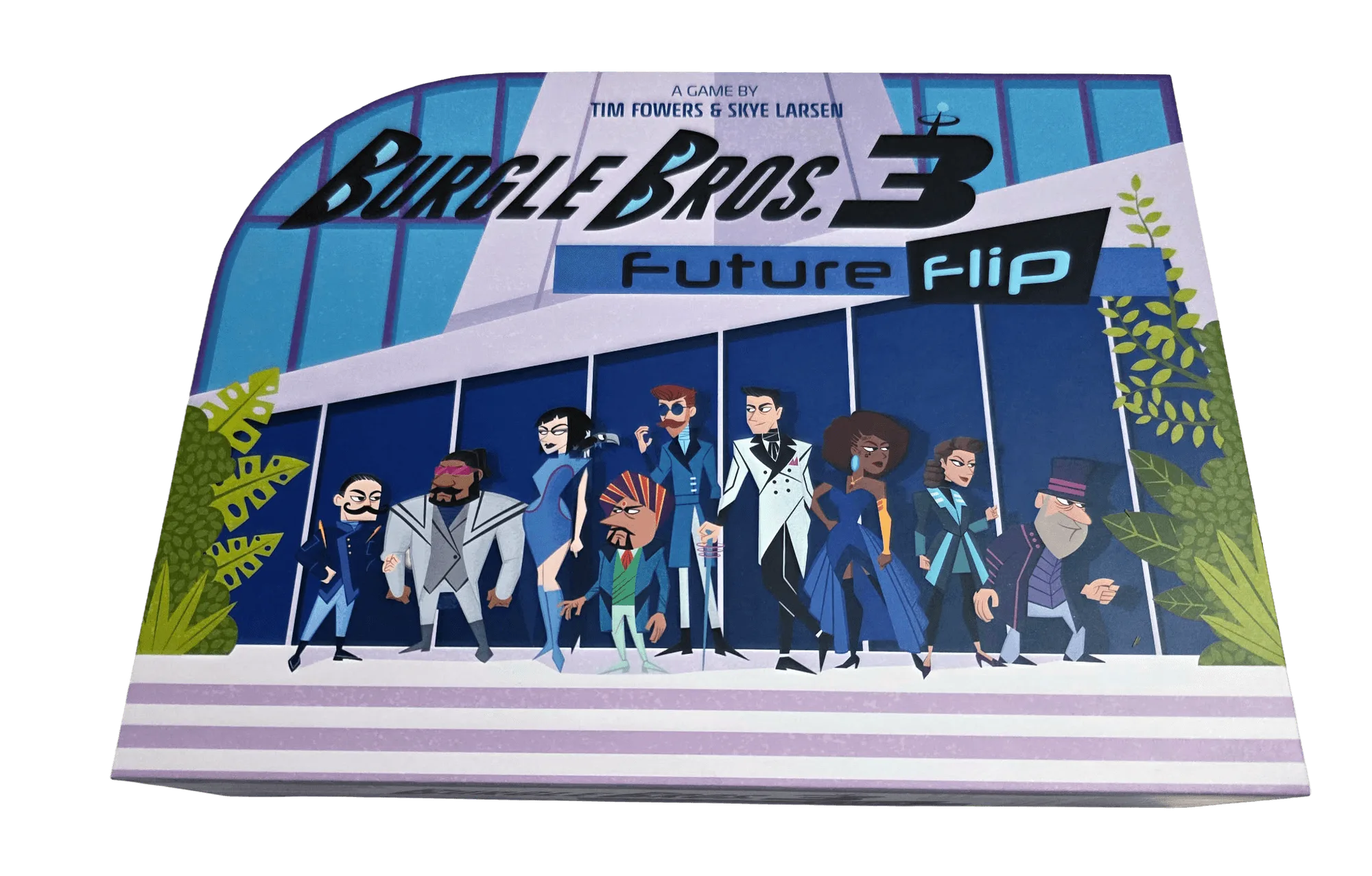
Burgle Bros 3
- Use a checklist for games with many unique pieces; a photo of the sorted components helps.
- Rotate stored games so bottom boxes are not crushed indefinitely.
- If you notice silverfish or carpet beetles, isolate the affected game and clean the shelf.
Your step-by-step storage and care routine
- Pick a climate-safe shelf: Choose an interior closet or shelf away from sun, heat, and damp. Keep boxes off concrete and add a dehumidifier packet nearby if needed. Checkpoint: the spot stays dry and room-temperature year-round.
- Bag and sort components by type: Use resealable bags or a compartment box for tokens, cubes, and cards. Group by player color or function, and keep a few spares bagged separately. Common mistake: overstuffing bags so they split; leave a little slack.
- Sleeve or protect frequently shuffled cards: Sleeve cards that see heavy shuffling, and store decks in a banded stack or deck box to prevent edge wear. Checkpoint: cards slide freely and edges stay clean.
- Handle tokens with clean, dry hands: Wash and dry hands before play. Wipe wooden tokens with a dry cloth; never use water or solvent on printed cardboard. Common mistake: eating greasy snacks while handling cardboard and wooden pieces.
- Reset after every session: Take two minutes to count unique pieces, return cards, and close bags. This catches missing tokens before they vanish. Checkpoint: the box closes flat and all bags are sealed.
- Do a seasonal deep check: Twice a year, open each box, check for moisture or pests, and air out musty games. Rotate stored boxes to avoid long-term crushing. Next step: contact the publisher for replacement parts if you find damage.
Component care in practice
- Burgle Bros 3 Geared Tokens: This set of 14 wooden tokens are the Geared modes for all 9 Burgle Bros characters and the 5 Runner expansion characters, heat transfer printed on both sides. Small, double-sided wooden tokens are easy to lose or scratch; store them in a dedicated bag or tray and keep them dry to preserve the printed faces.
- Now Boarding - Wholesale: Now Boarding includes 72 Passenger Cards, 5 Plane Tokens, 30 Upgrade Tiles, 6 Weather Tokens, 16 Weather Cards, 30 Anger Cubes with stickers, and two timers. With this many small components, bagging by type and using the included insert prevents setup delays and missing pieces.
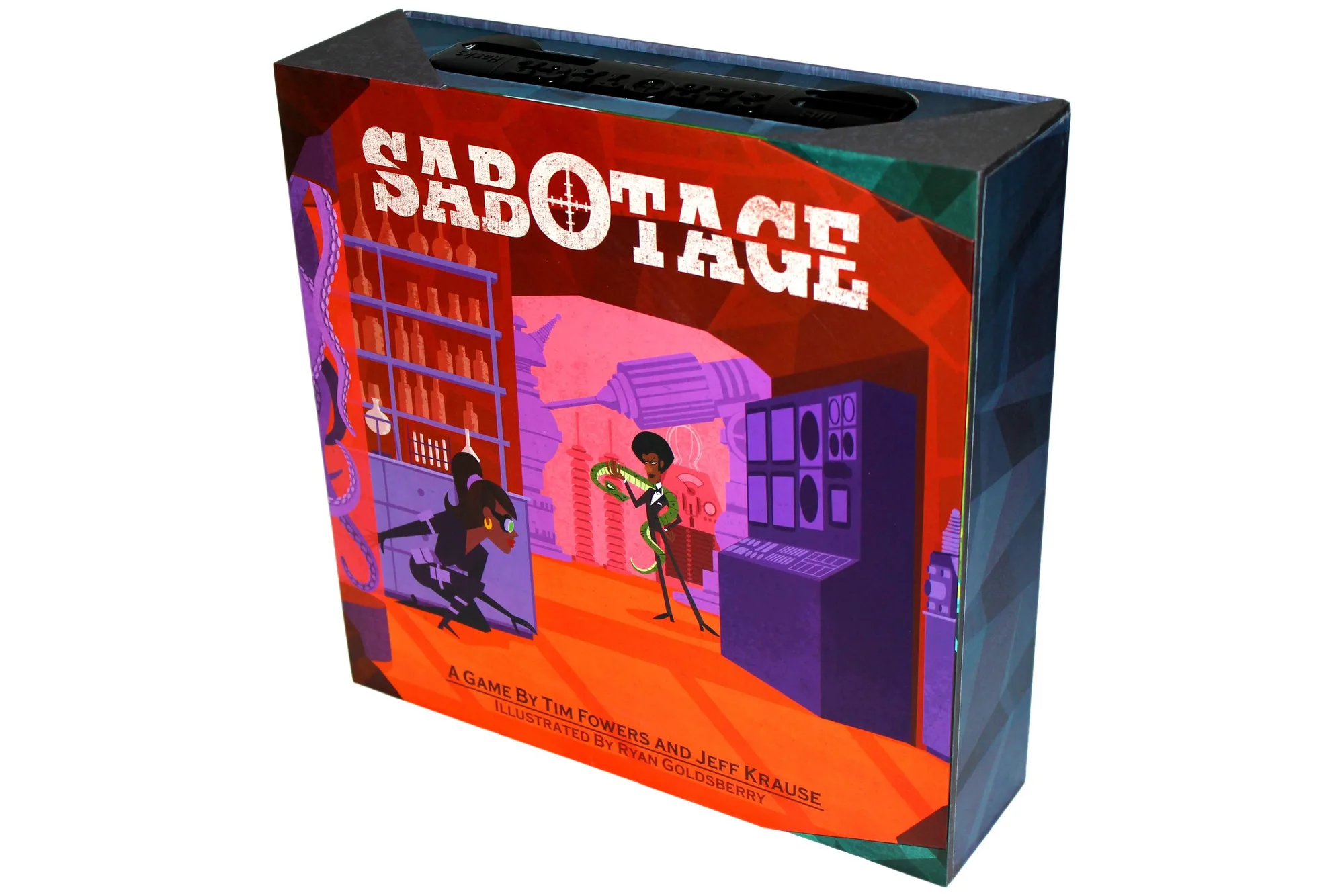
- Sabotage - Wholesale: Sabotage is an asymmetric stealth game for two teams of two players each, with villains using doomsday devices and spies infiltrating a secret lair. Team games with hidden information benefit from consistent bagging and a quick post-game count so nothing from either side goes missing.