There’s nothing quite like the joy of sipping a cold, creamy boba tea and popping those chewy, sweet tapioca pearls through a wide straw. What was once a specialty drink found only at bubble tea shops has become a beloved home treat, thanks to the rise of DIY boba kits and easy-to-follow recipes. Making boba at home is not only fun and rewarding, but it also lets you control the sweetness, texture, and flavor of your pearls.
Whether you’re a boba beginner or a seasoned enthusiast, this guide will walk you through everything you need to know about making tapioca pearls from scratch. From selecting the right ingredients to mastering the perfect chew, you’ll be sipping café-quality boba tea in your own kitchen in no time. And if you’re looking for a shortcut, we’ll also introduce you to the best boba kit that takes the guesswork out of the process.
What Are Tapioca Pearls?
Tapioca pearls, also known as boba, are small, chewy spheres made from tapioca starch, a starch extracted from the cassava root. They are the signature ingredient in bubble tea and come in two main varieties: white pearls (often used in desserts) and black pearls (colored with brown sugar or caramel). The texture of a perfect boba pearl is soft yet chewy, with a slight bounce that makes every sip an experience.
Making tapioca pearls from scratch requires just a few basic ingredients: tapioca starch, water, and a sweetener like brown sugar or honey. The process involves forming a dough, shaping it into small balls, and boiling them until they become translucent and chewy. While it may sound simple, achieving the right texture takes practice and patience.
- Tapioca pearls are naturally gluten-free and vegan, making them a versatile addition to many diets.
- Black boba gets its color from brown sugar or caramel, while white boba is often used in fruit-based drinks.
Essential Tools and Ingredients for DIY Boba
Before you start, gather the following tools and ingredients. You’ll need a medium saucepan, a mixing bowl, a wooden spoon, a clean work surface, and a slotted spoon. For the pearls, you’ll need tapioca starch (also called tapioca flour), dark brown sugar or muscovado sugar, and water. Some recipes also call for a pinch of salt or a dash of vanilla extract for extra flavor.
If you want to save time and ensure consistent results, consider using a boba kit. The Hello Kitty Boba Can Bundle is a fantastic option for beginners—it comes with pre-measured ingredients and easy instructions, so you can skip the trial and error. This kit also includes fun Hello Kitty-themed accessories that make the process even more enjoyable.
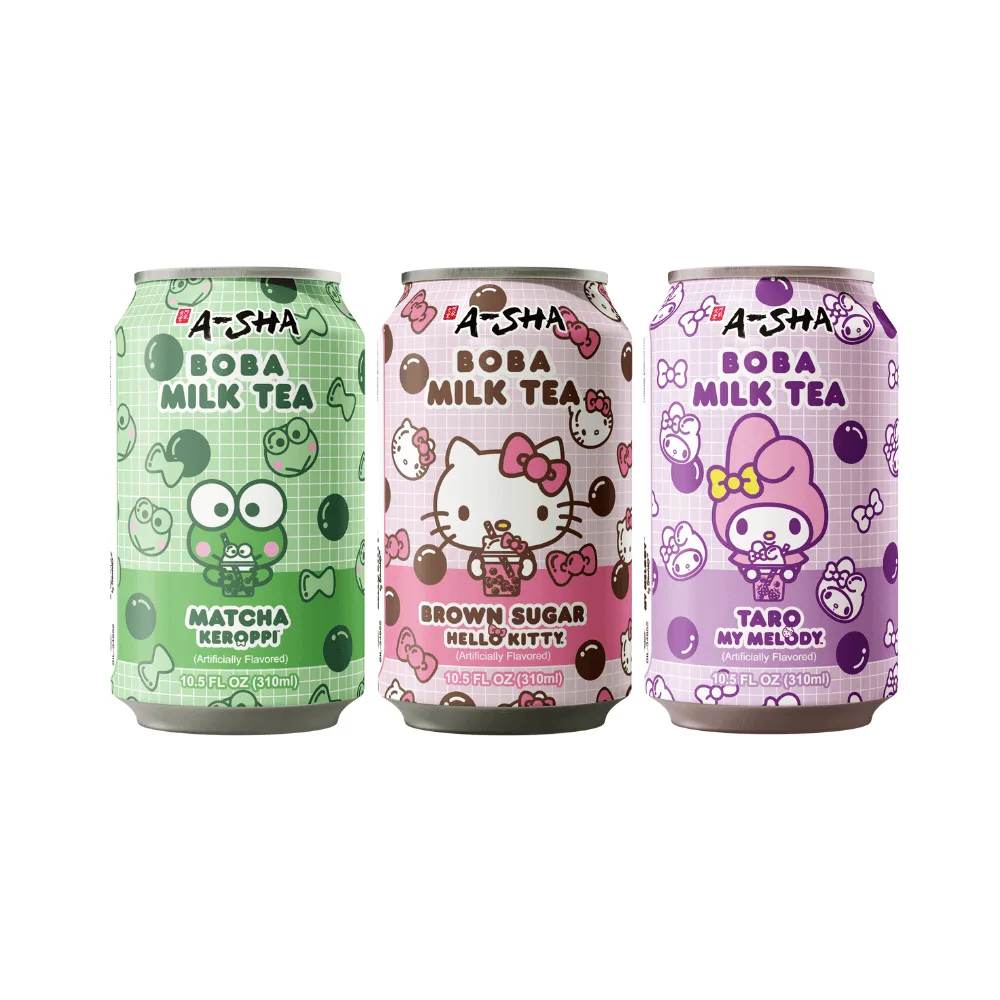
Hello Kitty Boba Can Bundle
- Use a digital kitchen scale for accurate measurements—boba dough is sensitive to moisture.
- A silicone mat or lightly oiled surface prevents the dough from sticking while you roll the pearls.
Step-by-Step: How to Make Tapioca Pearls from Scratch
Start by combining 1/2 cup of dark brown sugar with 1/2 cup of water in a saucepan. Bring the mixture to a gentle boil, stirring until the sugar dissolves completely. Remove from heat and immediately add 1 cup of tapioca starch, stirring vigorously with a wooden spoon until a shaggy dough forms. Let it cool for a minute, then knead the dough on a lightly floured surface until smooth and pliable. If it’s too sticky, add a little more tapioca starch.
Divide the dough into small sections and roll each into a long rope about 1/2 inch thick. Cut the rope into small pieces, then roll each piece into a ball between your palms. Place the pearls on a baking sheet dusted with tapioca starch to prevent sticking. Once all pearls are formed, bring a large pot of water to a rolling boil and gently drop the pearls in. Stir occasionally to prevent clumping. Boil for 15–20 minutes, then cover and let them sit for another 15 minutes. The pearls should be translucent and chewy. Drain and rinse with cold water, then toss them in a simple syrup or brown sugar syrup to keep them sweet and soft.
- For extra chewy pearls, let them sit in the hot water (off the heat) for an additional 10 minutes after boiling.
- Store leftover pearls in syrup in the refrigerator for up to 3 days—they’ll stay soft and ready to use.
Flavor Variations and Creative Twists
Once you’ve mastered the basic boba, it’s time to get creative. You can infuse your pearls with different flavors by adding fruit purees, matcha powder, or even cocoa powder to the dough. For a fun twist, try making mini pearls or giant pearls (just adjust the rolling size). You can also experiment with colored boba using natural food coloring like beet juice or butterfly pea flower tea.
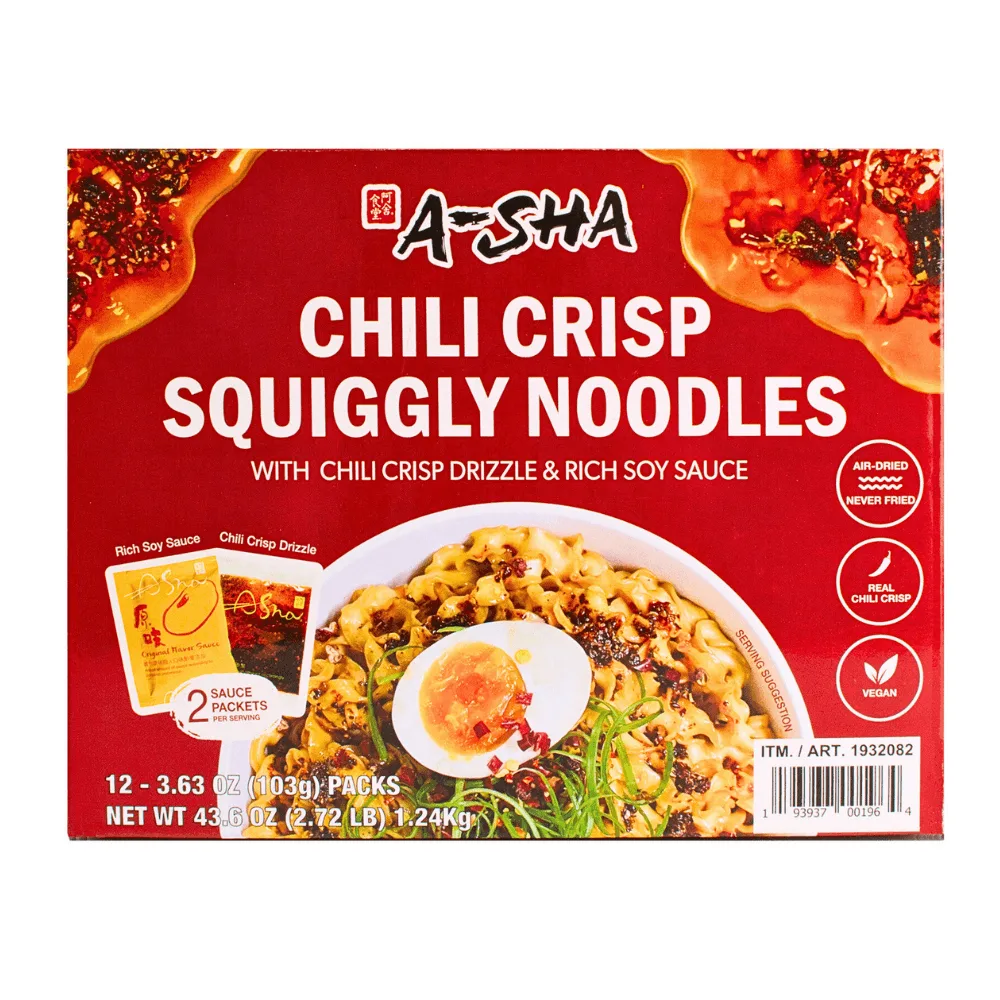
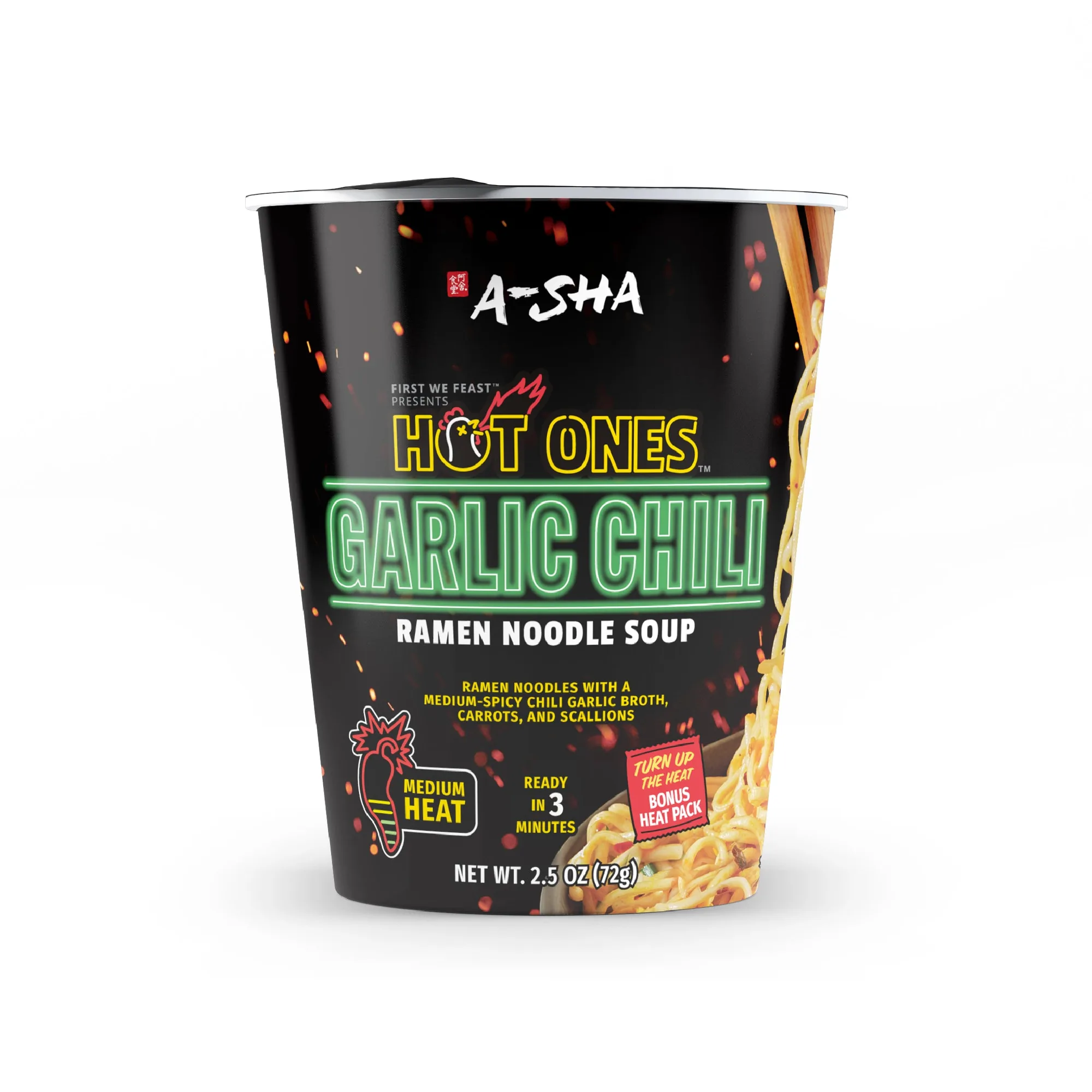
Pair your homemade boba with a variety of drinks—classic milk tea, fruit slushies, or even coffee. For a savory-sweet surprise, serve your boba alongside a bowl of noodles. The A-Sha Spicy Mala Meteor Noodle Box offers a fiery, numbing flavor that contrasts beautifully with the sweet, chewy pearls. Or, for a milder pairing, try the A-Sha Garlic Soy Thin Street Noodle Box, whose savory garlic notes complement the boba’s sweetness.
- Add a splash of rose water or lavender syrup to your boba syrup for a floral note.
- Use coconut milk instead of dairy for a vegan-friendly boba drink.
Troubleshooting Common Boba Problems
Even experienced home cooks can run into issues when making boba. If your pearls turn out too hard or have a chalky center, they likely weren’t boiled long enough or the dough was too dry. If they dissolve or become mushy, the water may have been too hot or the pearls were overcooked. The key is to maintain a gentle rolling boil and to let the pearls rest in the hot water after boiling.
Another common problem is sticky dough. If your dough is too tacky to roll, sprinkle a little more tapioca starch onto your work surface. If it’s too dry and crumbly, add a teaspoon of warm water at a time until it comes together. Practice makes perfect—don’t be discouraged if your first batch isn’t perfect. With time, you’ll develop a feel for the right consistency.
- Always use fresh tapioca starch—old starch can lose its binding ability.
- If pearls stick together after cooking, rinse them with cold water and toss with a little syrup.
Making boba at home is a delightful culinary adventure that rewards you with fresh, chewy tapioca pearls and endless drink possibilities. Whether you follow this scratch recipe or opt for the convenience of a boba kit, you’ll be amazed at how easy and satisfying it is. Ready to get started? Explore the Hello Kitty Boba Can Bundle for a fun, all-in-one solution that brings the bubble tea shop experience straight to your kitchen.