A velvety microfoam can transform a simple cup of coffee into a café-quality latte. But achieving that silky texture at home often comes down to one key decision: electric frother or manual frother? In this comparison, we pit the popular Bodum milk frother against classic manual frothers to help you decide which tool delivers the best latte without breaking the bank.
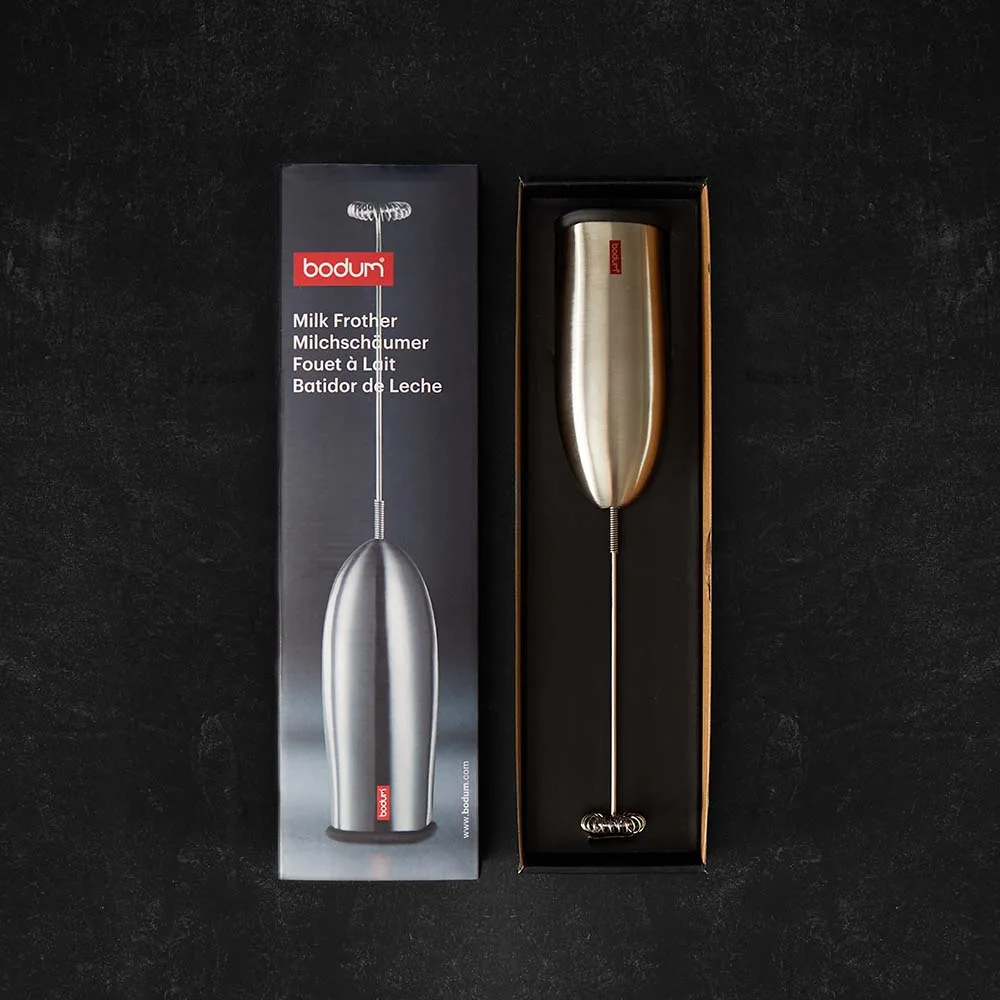
Bodum milk frother
Whether you prefer a quick morning fix or a hands-on ritual, understanding the differences in foam quality, ease of use, and cleanup will guide your choice. We also explore how your favorite brew method—like using a Classic Cold Brew Latte as your base—can benefit from the right frothing technique.

Classic Cold Brew Latte
Bodum Milk Frother: Consistent Heat and Effortless Foam
The Bodum electric milk frother is designed for convenience. With a simple press of a button, it heats and froths milk in about a minute. Its automatic shut-off and non-stick interior make it foolproof for beginners. The result is a dense, uniform microfoam that blends beautifully into espresso-based drinks.
One standout feature is the dual-function whisk: one side creates thick foam for cappuccinos, while the other produces a lighter, airier foam for lattes. This versatility makes it a favorite among home baristas who want consistent results without manual effort. Cleanup is also quick—just rinse the interior and whisk under warm water.
- Heats and froths simultaneously in under 90 seconds
- Two whisk options for cappuccino or latte foam
- Automatic shut-off and dishwasher-safe parts (hand wash recommended)
Manual Frother: Full Control and Zero Electricity
Manual frothers, such as handheld battery-operated wands or classic French press plungers, put you in charge. They require a bit of arm work but offer total control over foam texture and temperature. For those who enjoy the tactile ritual of coffee preparation, a manual frother can be a rewarding tool.
The biggest advantage is portability—no cords or outlets needed. You can froth milk anywhere, from a camping trip to a power outage. However, achieving consistent microfoam takes practice. Over-frothing can lead to large bubbles, while under-frothing leaves milk flat. Manual frothers also require separate heating of milk, adding an extra step.
- Affordable and portable—no electricity required
- Full control over foam density and temperature
- Best for small batches (single serving)
Foam Quality Comparison: Which Produces Better Microfoam?
When it comes to microfoam—the silky, velvety texture that latte art demands—the Bodum electric frother has a clear edge. Its consistent heating and whisking create a uniform foam that integrates seamlessly with espresso. Manual frothers can produce good foam, but the texture is often less stable and more prone to large bubbles.
For cold foam, manual frothers can actually excel because you can control the speed and duration. A handheld wand can whip cold milk into a thick, airy topping for iced drinks like a Caramel Cold Brew Latte. Ultimately, if microfoam is your priority, electric wins; if you prefer a thick, cold foam, manual can be just as effective.
- Bodum produces more consistent microfoam for hot lattes
- Manual frothers work well for cold foam and iced beverages
- Practice improves manual foam quality significantly
Ease of Use and Cleanup: Which Saves You Time?
The Bodum milk frother is nearly effortless: pour milk, press a button, and wait. Cleanup involves rinsing the interior and whisk—no soaking required. Manual frothers, especially handheld wands, require immediate rinsing to prevent milk residue from hardening. French press plungers need disassembly and thorough cleaning to avoid stale odors.
For busy mornings, the Bodum wins hands down. But if you enjoy a slower pace and don't mind a few extra minutes, manual frothers can be just as satisfying. Consider your morning routine: if you're often rushing, an electric frother will save you time and frustration.
- Bodum: press button, rinse, done—under 2 minutes total
- Manual: requires heating milk separately and immediate cleaning
- Electric frother is ideal for multitaskers and early risers
Price and Value: Which Frother Fits Your Budget?
Manual frothers are undeniably cheaper. A basic handheld wand costs under $10, while a French press can double as a frother and a brewer. In contrast, a Bodum electric frother typically ranges from $30 to $50, depending on the model. But the investment pays off if you make lattes daily, as it eliminates the need for separate heating and reduces waste from disposable frothing tools.
Think about your long-term coffee habits. If you're a casual latte drinker, a manual frother is a low-risk entry point. If you're committed to perfecting your home barista skills, the Bodum's consistency and speed justify the higher price. Pairing it with a quality cold brew like the Classic Cold Brew Latte can elevate your entire coffee experience.
- Manual frothers: $5–$20, great for occasional use
- Bodum electric frother: $30–$50, best for daily latte lovers
- Long-term value: electric saves time and reduces counter clutter
Choosing between a Bodum milk frother and a manual frother ultimately depends on your priorities: convenience and consistency versus control and cost. For most home baristas, the Bodum electric frother offers the best balance of speed, foam quality, and ease of cleaning. If you're ready to elevate your latte game, explore our collection of brewing accessories and apparel—like the cozy Caffeinated State Hoodie—to complete your coffee ritual. Start your journey to the perfect foam today.