Back and chest breakouts are stubborn for a reason: the skin on your torso has more oil glands and is often trapped under clothing, sweat, and friction. Body acne isn't the same as facial acne — it needs a different product strategy. The two main formats — sprays and washes — each have distinct strengths. Here's how to decide which one belongs in your shower routine.
Sprays offer quick, no-rinse treatment, while washes let you actively cleanse and exfoliate. Both can be effective, but your choice depends on factors like skin sensitivity, how often you work out, and whether you prefer a quick spritz or a full lather. We'll walk you through the practical differences.
How Body Acne Washes Work (and When They Shine)
Body acne washes are liquid or bar cleansers formulated with active ingredients like salicylic acid, benzoyl peroxide, or glycolic acid. You apply them in the shower, let them sit for 60–90 seconds, then rinse. The key advantage is thorough coverage: you can scrub hard-to-reach spots like your upper back with a loofah or silicone brush. Washes also remove sweat, oil, and dirt before the actives get to work, so they're ideal if you shower after exercise or first thing in the morning.
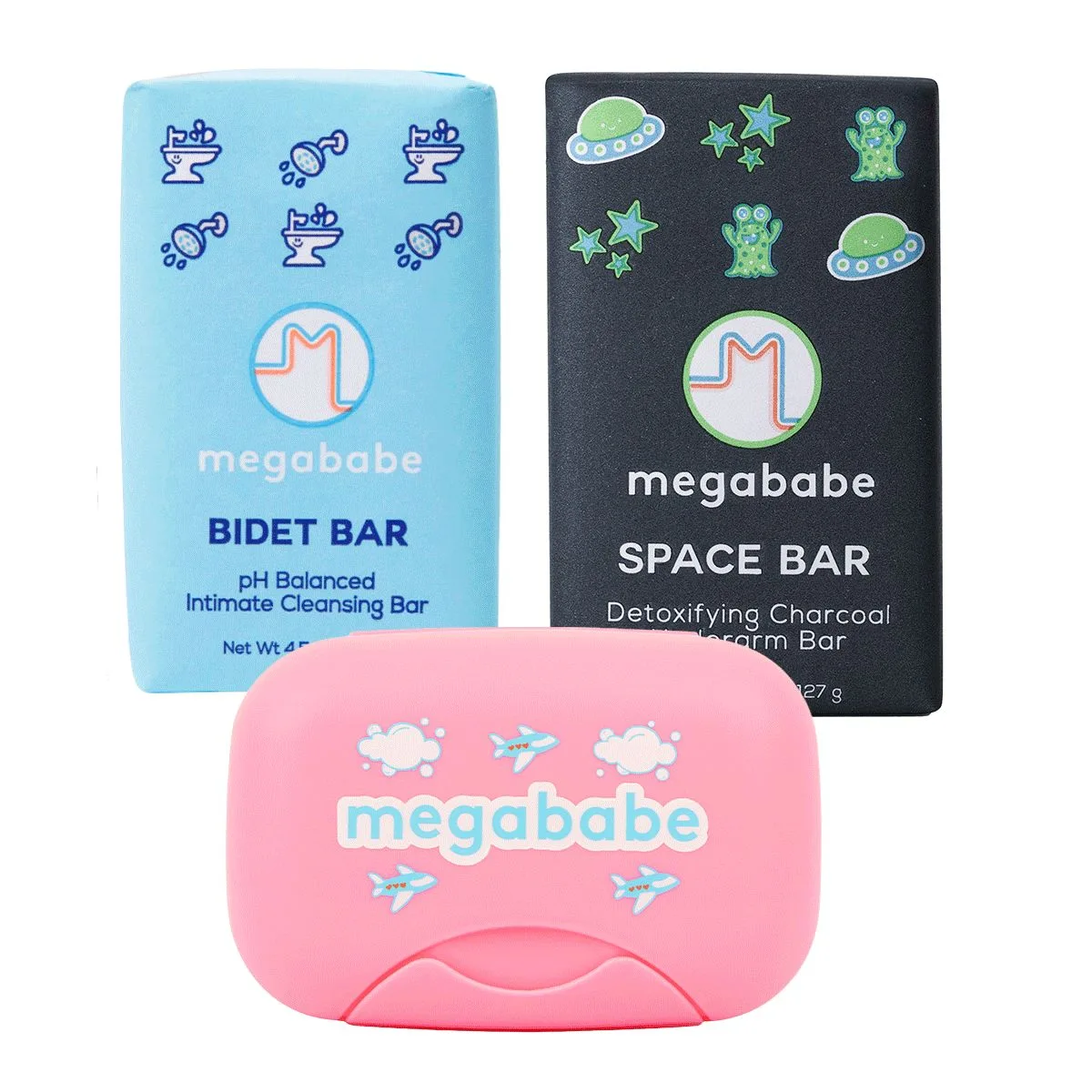
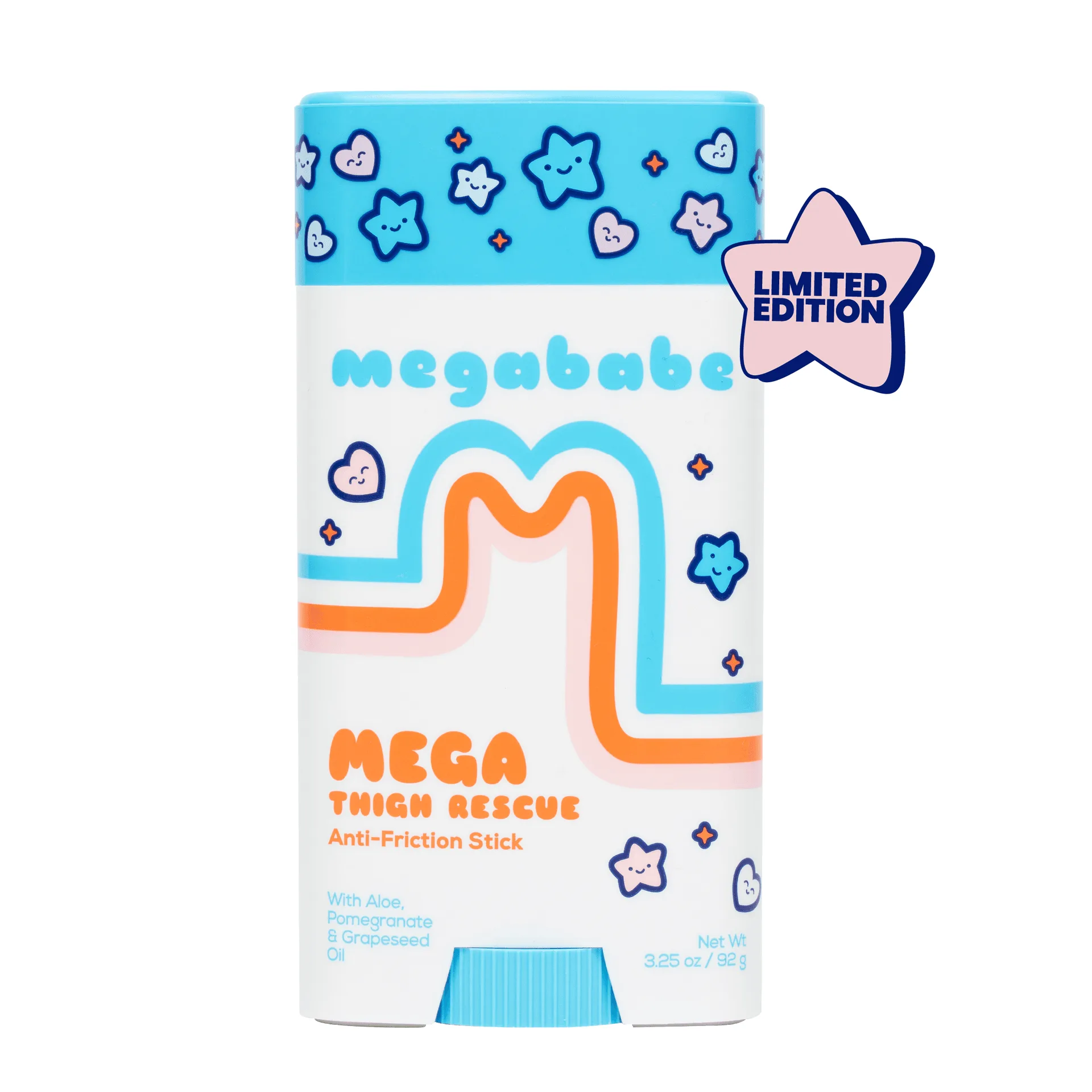
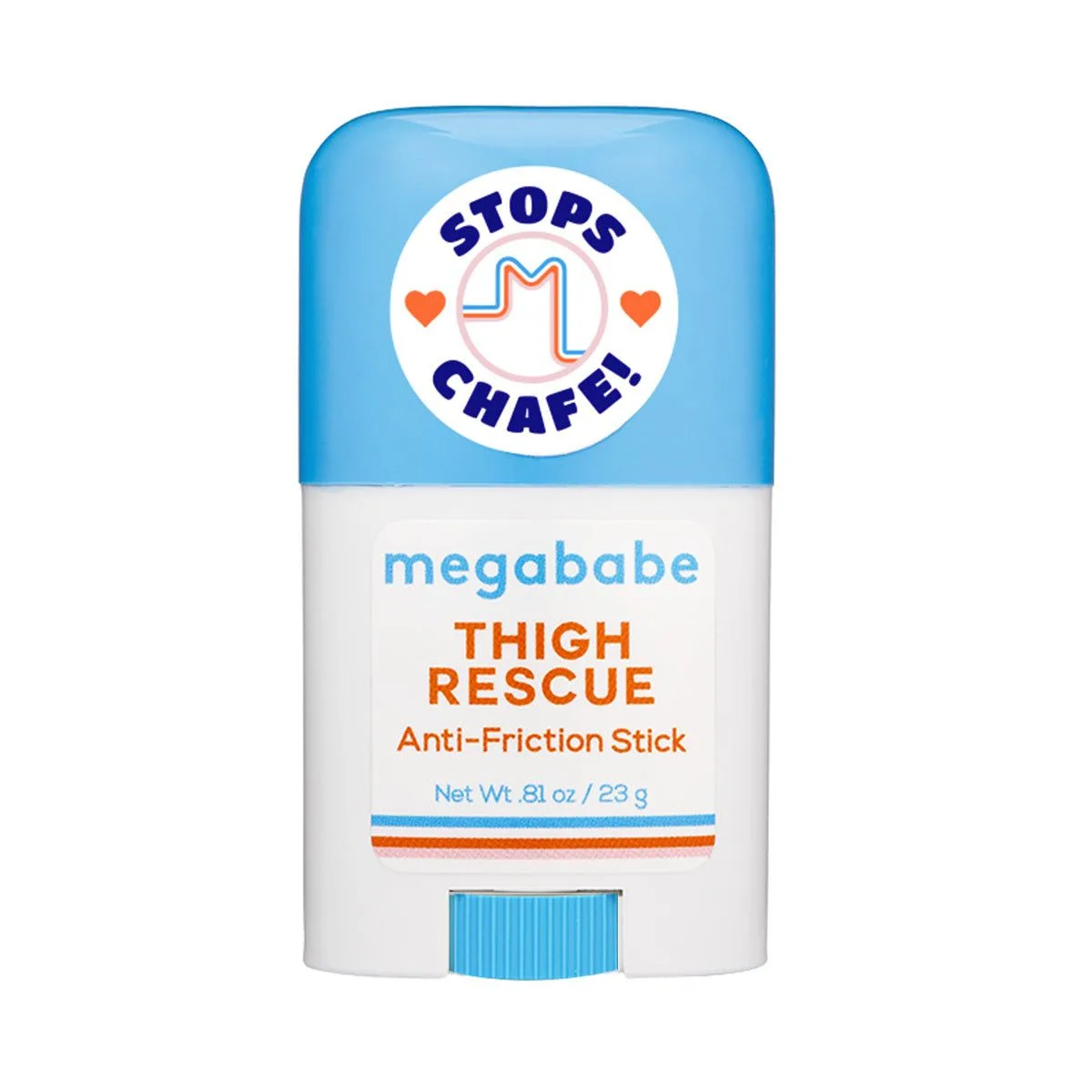
A good body wash can double as a pre-shave prep for the chest or a gentle exfoliant. For example, a set like Megababe's The Shower Stack includes a variety of body cleansers that let you rotate ingredients based on your skin's needs that day. Just keep in mind that washes require rinsing, so you'll want to apply them at the start of your shower and wait before washing off. If you're prone to dryness, look for formulas with soothing additives — many body washes also hydrate while they treat.
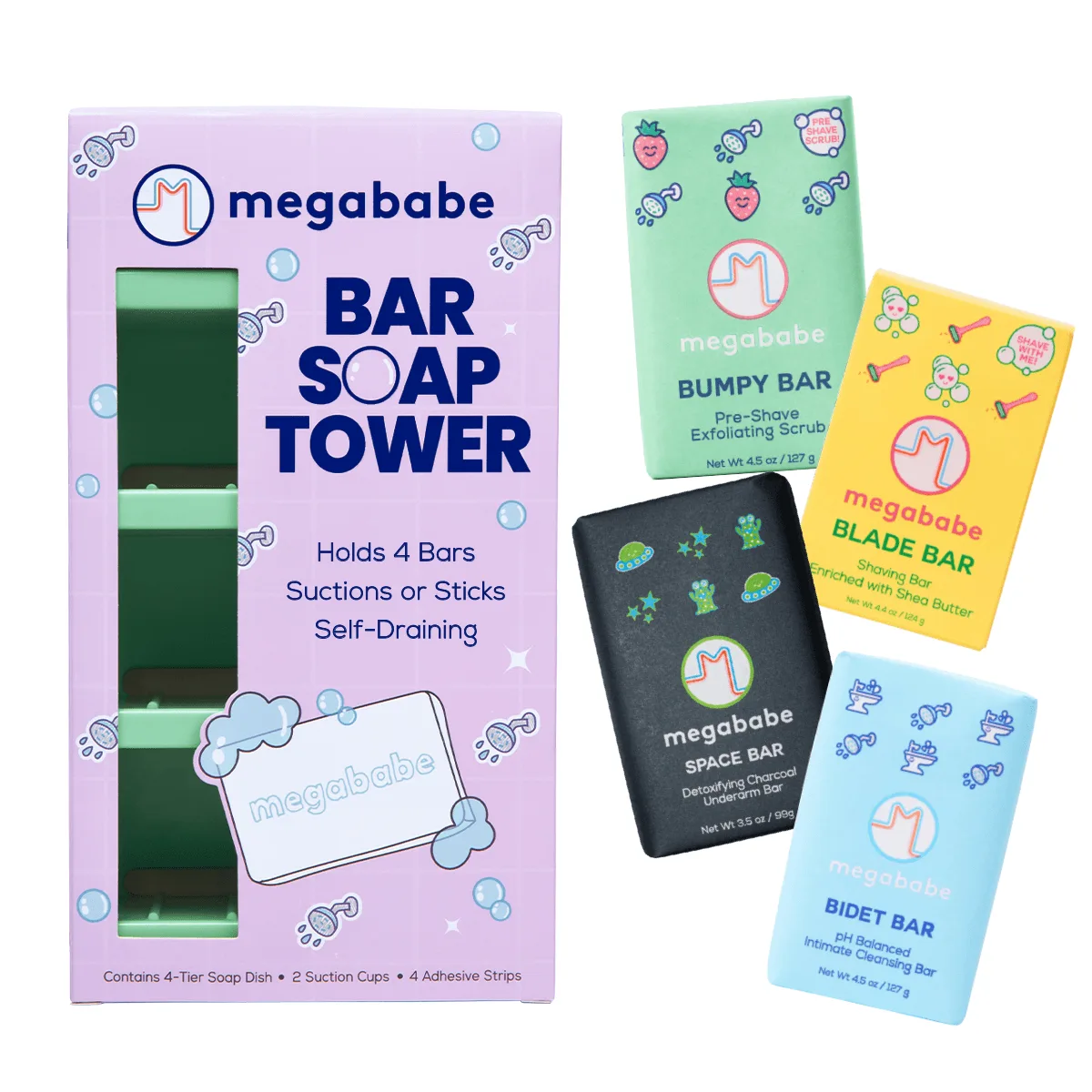
The Shower Stack
- Apply your body wash to a damp, warm shower, let it sit for at least a minute, then rinse with cooler water to reduce irritation.
How Body Acne Sprays Work (and When They're the Better Pick)
Body acne sprays are leave-on treatments that you mist directly onto problem areas without rinsing. They're ideal for chest, upper back, and shoulders — spots that are awkward to reach with a washcloth. Sprays tend to be lighter than washes because the actives are suspended in a watery or alcohol-free base. Because you don't rinse them off, the ingredients stay on the skin longer, which can mean faster results for some people.
Sprays shine between showers: after a workout, on hiking trips, or any time you want to treat acne without stripping your skin. They're also gentler for sensitive skin because you control the amount you apply. Compare that to a body wash, which you might overuse out of habit. If you're someone who breakouts on your chest after sweating but doesn't want to shower every time, a spray is your friend. Just make sure to shake the bottle well and hold it 6–8 inches away to avoid pooling.
- Always apply spray to clean, dry skin — not right after a shower when pores are open and more prone to irritation.
Key Differences at a Glance: Spray vs. Wash
The biggest tradeoff is convenience versus thoroughness. A wash gives you the mechanical exfoliation and deep clean that a spray can't. But a spray skips the rinse step and treats on the go. If you have very oily skin that clogs quickly, a daily wash with salicylic acid might be non-negotiable. If you have dry or reactive skin, a gentle spray two to three times a day might be all you need.
Another factor is cost per use: washes usually last longer per ounce because you dilute them with water, while sprays are pure product. But sprays can target specific spots, so you waste less. Consider also how each fits into your routine. A body wash like those in The Shower Stack works well if you already have a consistent shower habit. A spray is better for people who need a quick, no-mess option mid-day or after the gym.
- Pair a morning body wash with an afternoon spray if you're prone to sweat-triggered breakouts.
Which One Should You Choose?
Start with a body acne wash if you shower at least once daily, have active breakouts, and can handle the wait time. It's also the better choice if you use heavy sunscreens or moisturizers that need to be washed off before treatment. For most people, a salicylic acid wash used every other day is enough to keep back and chest clear without over-drying.
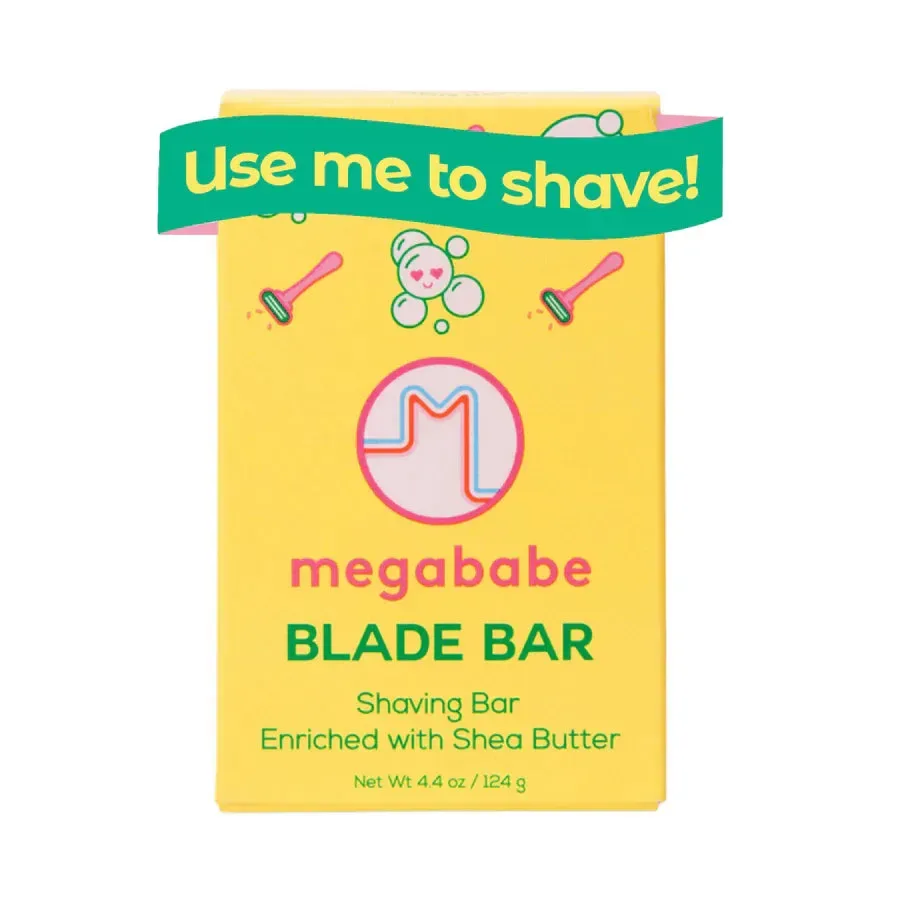
Go with a body acne spray if you need a fast, rinse-free option for midday touch-ups, if you're traveling, or if your skin is too sensitive for scrubbing. Sprays are especially helpful for chest acne because the area is hard to rinse without getting water everywhere. If you're unsure, try alternating: use a wash at night and a spray in the morning. And don't forget that body care isn't just about treating acne — products like Megababe's Fun Gal Stuff set can round out your routine with gentle body care for overall skin health.
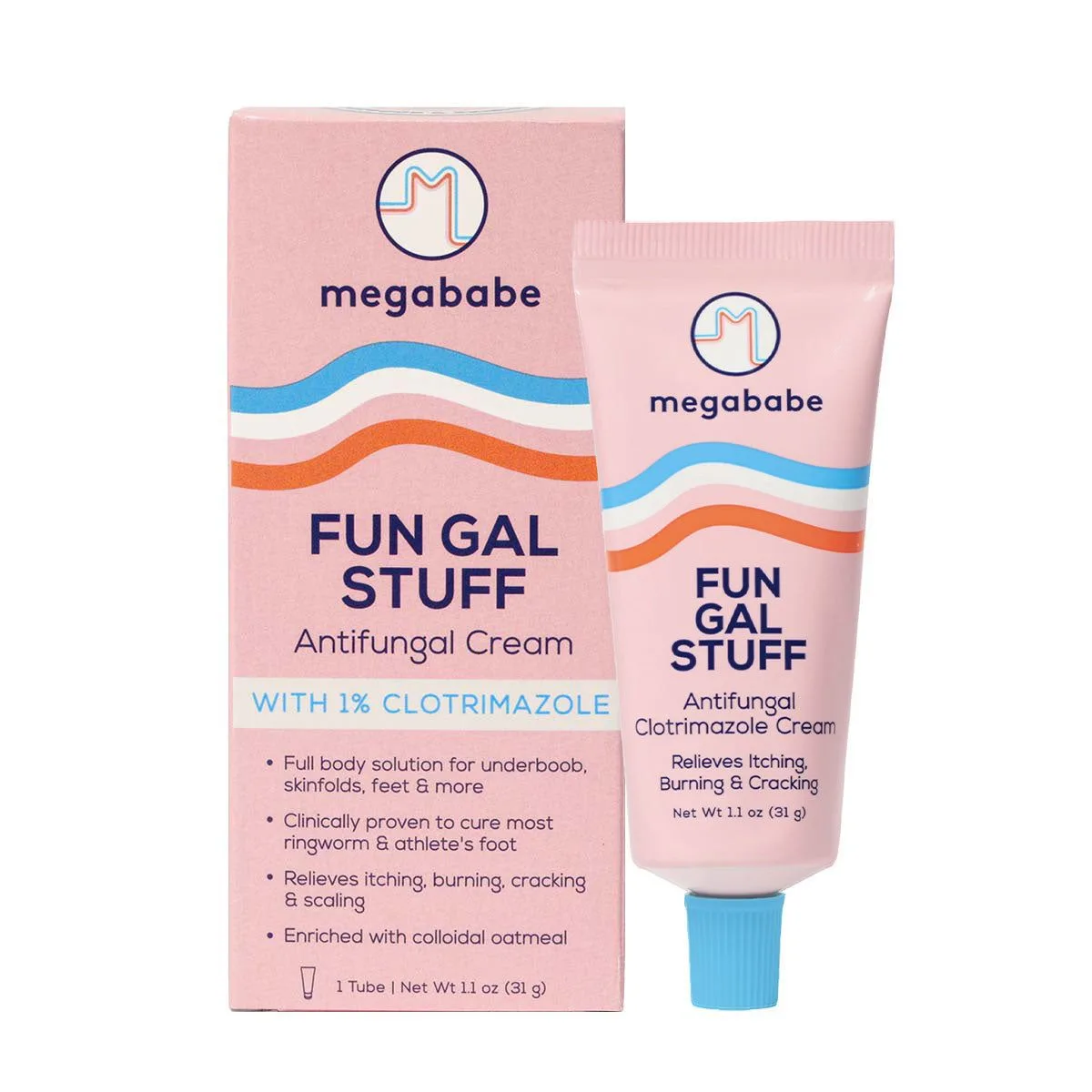
Fun Gal Stuff
No matter which format you pick, consistency matters more than the product type. Give any new treatment at least four weeks before judging results. And always patch-test a small area first, since both sprays and washes can cause irritation if your skin reacts to actives like salicylic acid or benzoyl peroxide.
- If you're prone to back acne, a long-handled brush can help you apply wash evenly — sprays are easier to reach behind you without help.
Body acne sprays and washes both have a place in an effective back treatment routine. The best choice depends on your lifestyle, skin type, and how much time you're willing to spend in the shower. For a balanced approach, keep a gentle body wash from The Shower Stack on hand for your daily shower and a targeted spray for touch-ups — your chest and back will thank you.