Quick Answer
Choose body oil if your skin feels tight, flaky, or very dry, especially in winter. Choose body lotion if you prefer a lighter, fast-absorbing option that works well for normal to oily skin. For the most balanced routine, use both: lotion for daily hydration and oil to seal it in on dry areas.
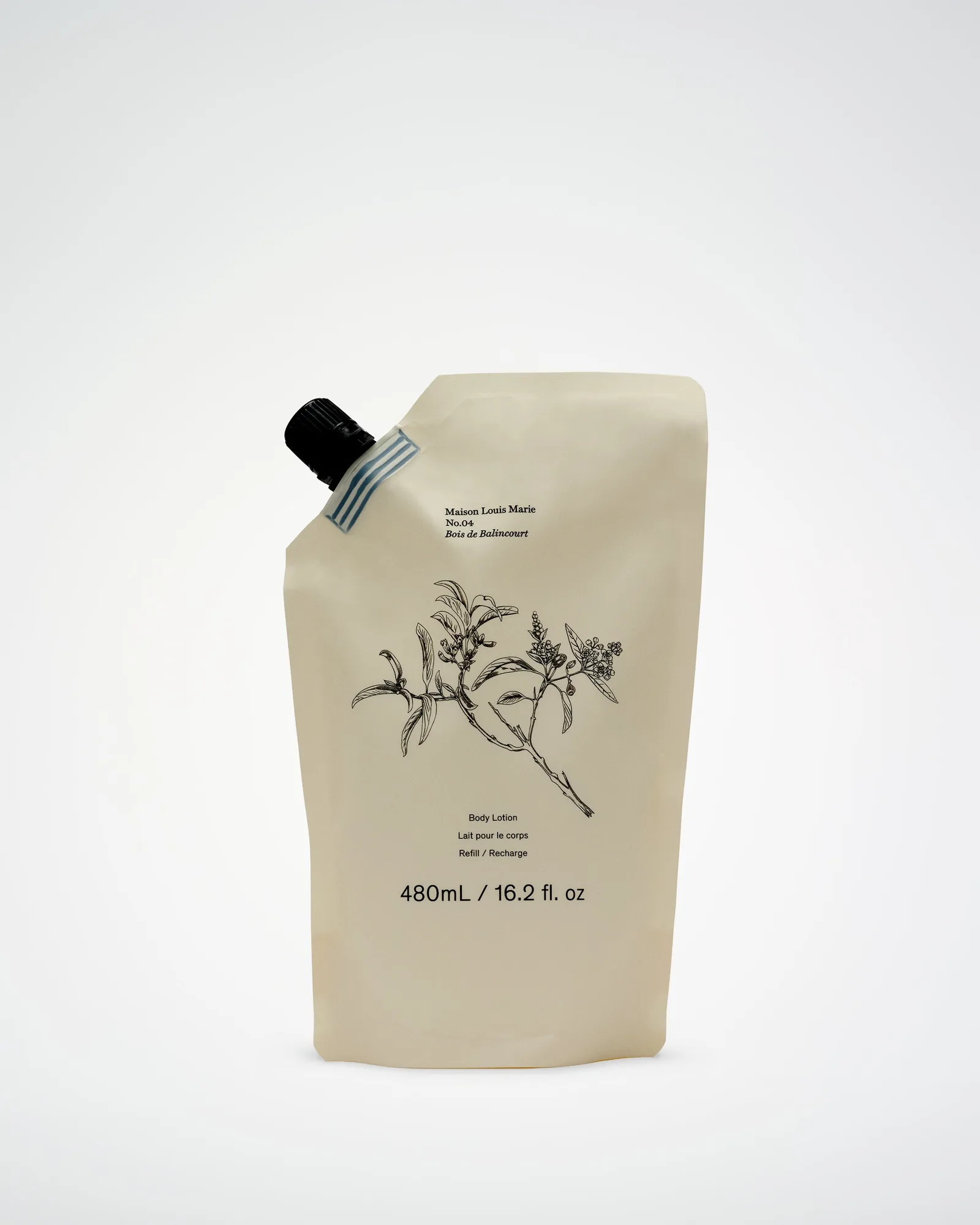
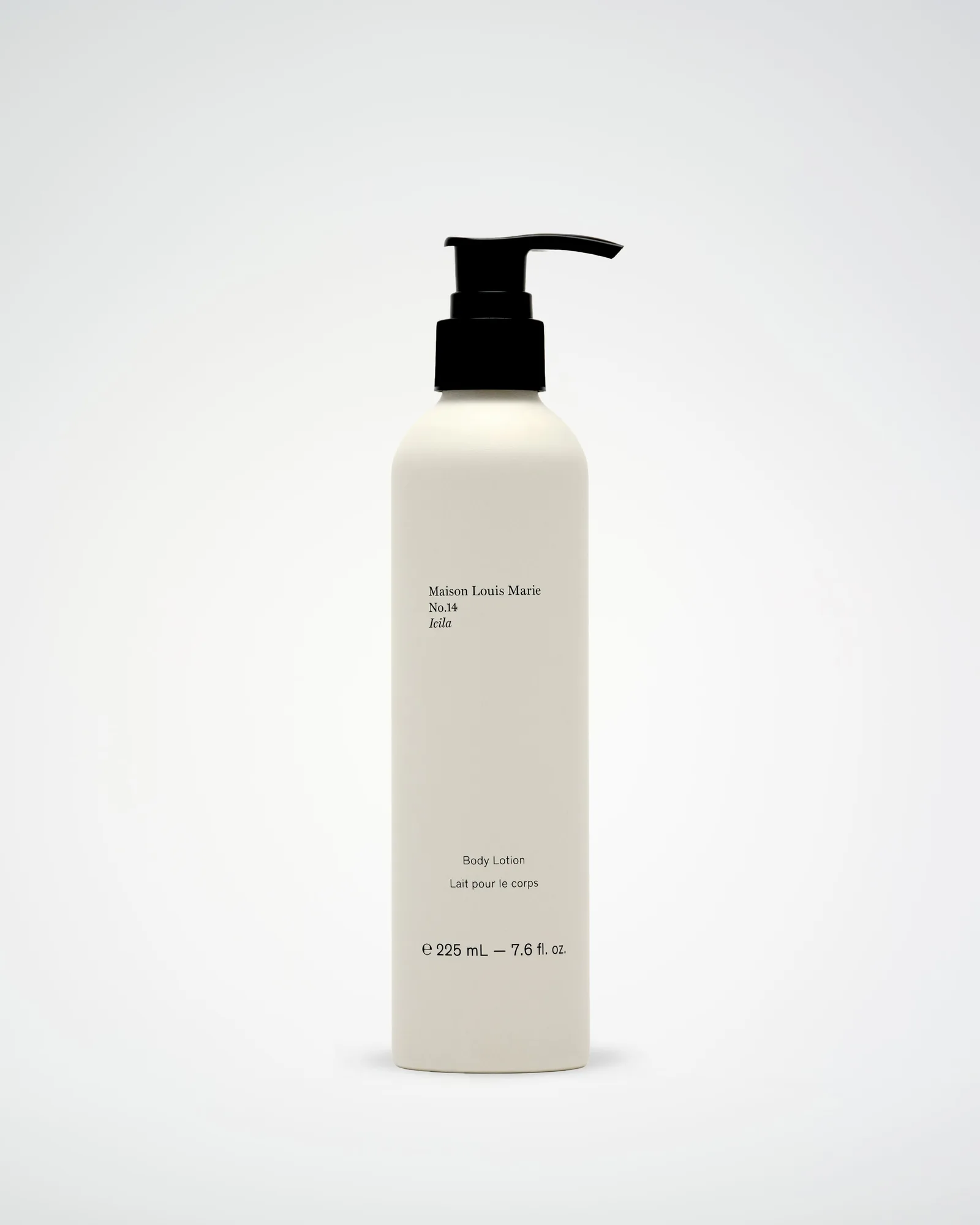
body lotion
Body oil and body lotion both moisturize, but they work in different ways. Body lotion is water-based with a little oil, so it adds hydration and feels light. Body oil is pure oil, which traps moisture and creates a protective barrier. Your skin type and the season should guide your choice.
If you've ever wondered why your skin still feels dry after applying lotion, or why oil feels too heavy in summer, this guide breaks down the differences. You'll also learn how to combine both for a body care routine that adapts to your skin's changing needs.
Body Oil: Best for Dry and Very Dry Skin
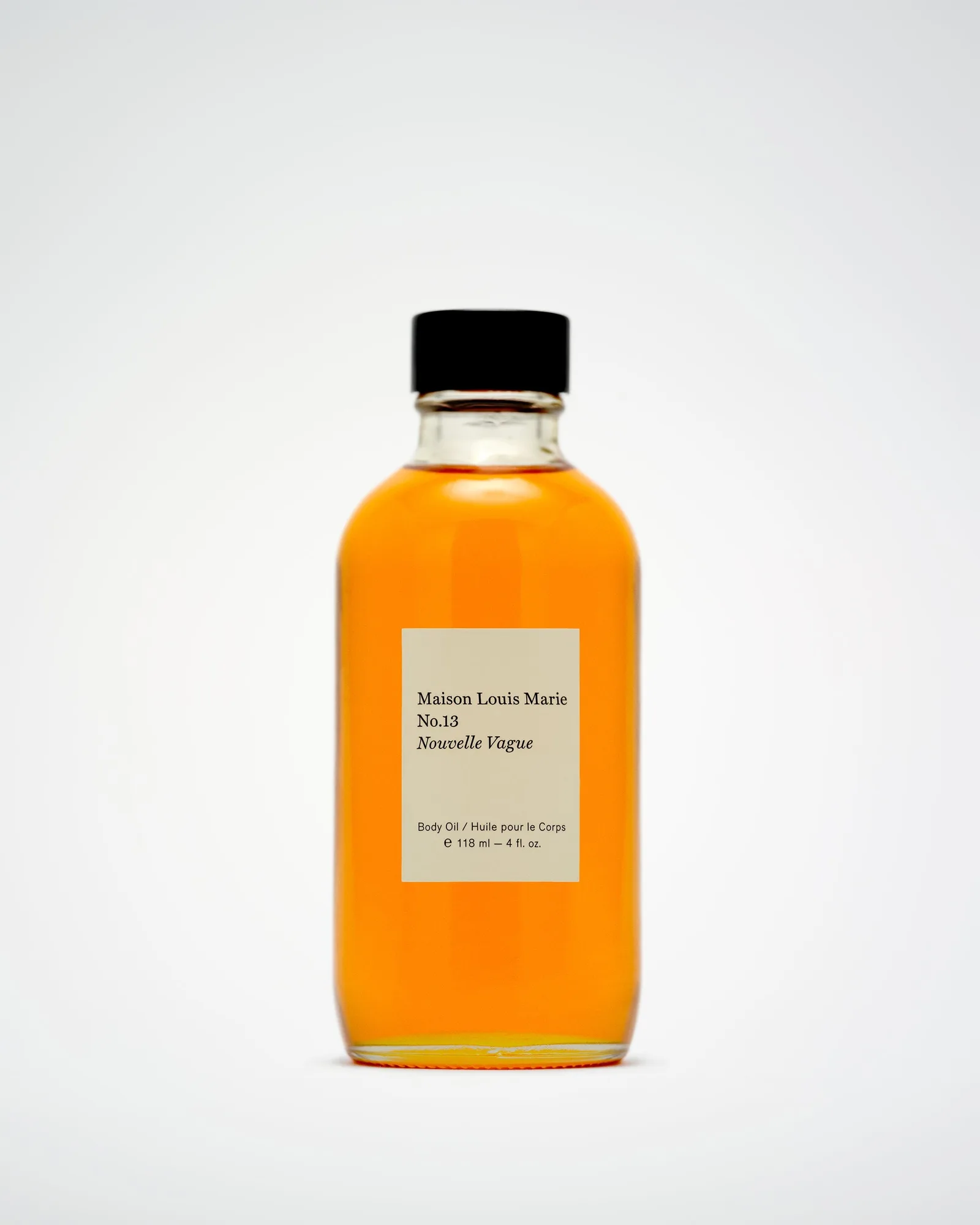
Body oil is an occlusive, meaning it sits on the skin's surface and locks in moisture. It's ideal for dry skin because it prevents water loss and keeps skin soft for hours. If you have flaky patches, rough elbows, or skin that feels tight after showering, oil is your best friend.
Apply body oil to damp skin after a shower to trap water. Focus on areas like legs, arms, and cuticles. In winter, you may need to reapply oil to hands and feet. The trade-off: oil can feel greasy if you use too much, so start with a few drops and add more as needed.
- Use body oil at night to let it absorb while you sleep.
- Mix a few drops into your body lotion for extra nourishment without the grease.
Body Lotion: Lightweight Hydration for Normal to Oily Skin
Body lotion has a higher water content, so it absorbs quickly and feels weightless. It's perfect for normal to oily skin that needs hydration without heaviness. Lotion also works well in humid weather when oil can feel suffocating.
If you have oily skin, you might worry that lotion will clog pores. Look for non-comedogenic formulas with ingredients like green tea or cucumber, which help balance oil. Apply lotion right after bathing to lock in moisture without leaving a residue.
- Choose a lotion with antioxidants if you want extra skin benefits.
- For oily skin, avoid heavy butters and stick to gel-like lotions.
How to Combine Both for a Balanced Routine
You don't have to pick just one. Many people use lotion for daily hydration and oil as a targeted treatment. For example, apply lotion all over, then add a few drops of oil to elbows, knees, and heels. This gives you the best of both: lightweight moisture plus deep nourishment.
The order matters. Lotion first, then oil. Lotion adds water, and oil seals it in. If you apply oil first, it can block the lotion from absorbing. In summer, you might skip oil entirely and use lotion alone. In winter, layer both for extra protection.
- Keep a mini oil in your bag for quick touch-ups on dry spots.
- Adjust your routine seasonally: more oil in winter, more lotion in summer.
Decision Rules: Body Oil or Body Lotion?
- Skin feels tight or flaky: Choose body oil. It creates a barrier that locks in moisture and prevents water loss. Reach for oil, especially on dry patches.
- Skin feels normal or oily: Choose body lotion. It's water-based, absorbs quickly, and won't add extra grease. Stick with lotion for daily use.
- Weather is cold and dry: Layer both: lotion first, then oil on top. This seals in hydration and protects against winter dryness. Use the lotion-plus-oil combo in winter.
- Weather is hot and humid: Use lotion alone. Oil can feel heavy and sticky in high humidity. Skip oil and keep it light.
Maisonlouismarie Options to Consider
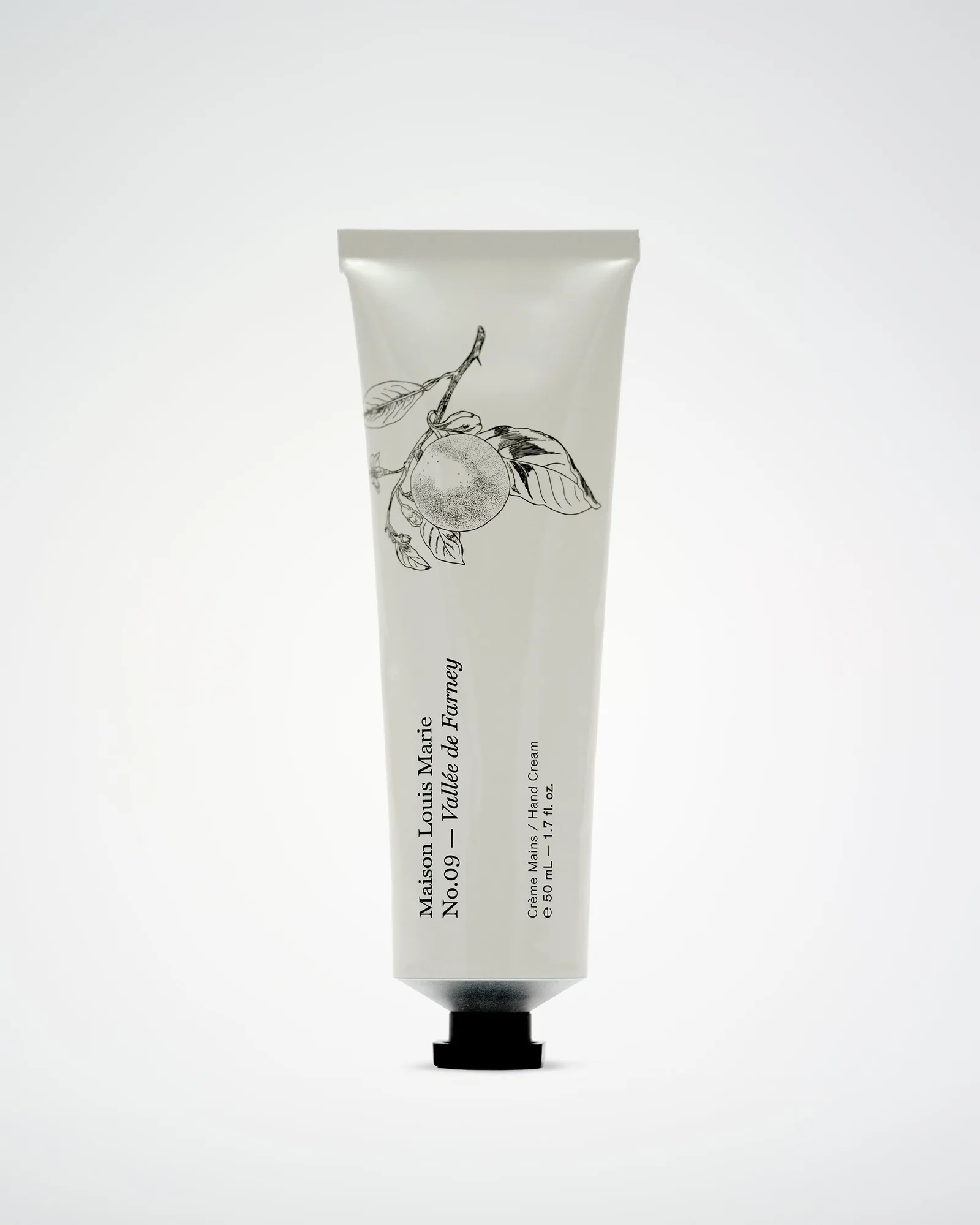
- Body Lotion - No.09 Vallée de Farney: Formulated with a nourishing blend of plant-derived oils — including organic jojoba, avocado, and sunflower — to deeply moisturize and replenish the skin. Infused with antioxidant-rich green tea, cucumber, oats, and blueberry. This lightweight lotion is a good choice for normal to oily skin that wants hydration without heaviness. The green tea and cucumber help balance oil, so it won't leave you feeling greasy.
- https://maisonlouismarietr.com/products/hand-cream-no-14-icila-255846Hand Cream - No.14 Icila: Powered by Shea Butter and Cocoa Butter to deeply moisturize and help protect dry, overworked hands. Ceramide and Avocado Butter support the skin's barrier, while Hyaluronic Acid attracts lasting hydration without feeling greasy. If your hands are dry and rough, this cream offers a richer alternative to lotion. It's perfect for targeted care on hands, which often need more nourishment than the rest of your body.
- Perfume Oil - No.04 Bois de Balincourt, Mini: Apply to pulse points — wrists, neck, or chest — whenever you'd like. Gently roll onto skin to release the fragrance. This oil-based formula stays close and lingers softly. After moisturizing, a perfume oil adds a personal scent that lasts. It layers well with lotion and oil, and the mini size is easy to carry for touch-ups.
Find Your Match
Best for
- Body oil: dry, flaky, or mature skin that needs intense nourishment and a protective barrier.
- Body lotion: normal, combination, or oily skin that wants lightweight hydration without residue.
Not for
- Body oil: people who dislike any greasy feel or who have very oily skin prone to breakouts.
- Body lotion: those with severely dry, cracked skin that needs a heavier occlusive to prevent moisture loss.
Choosing between body oil and body lotion comes down to your skin's needs and the season. For dry skin, oil is your go-to; for oily or normal skin, lotion keeps you comfortable. And when in doubt, layer both for a complete body care routine. Start with what feels best, and adjust as your skin changes.