What Body Work and Massage Oil is built for
Body Work and Massage Oil is a nut-free body oil made with sunflower and grapeseed oils plus red raspberry seed oil. The catalog describes it as a lightweight texture that glides without residue, which makes it a fit for intimate massage, full-body relaxation, or everyday moisturizing rather than a heavy balm you would reserve for one job.
The blend is positioned for dry or sensitive skin, with the catalog noting antioxidants and anti-inflammatory benefits to calm irritation and restore softness. If you are choosing a massage oil for sensitive skin, that positioning and the nut-free formula are the two details to weigh first. The catalog does not list a full ingredient panel, so anyone with a known allergy should confirm the complete ingredient list before buying.
The evidence behind the glide
-
Body Work and Massage Oil 💆 | Sunflower X Grapeseed w Red Raspberry Seed Oil (Nut Free): Expertly crafted with a rich blend of sunflower and grapeseed oils to deliver intense hydration and luxurious glide. Sunflower and grapeseed are the base of the formula, so the lightweight, slippery feel comes from the blend rather than a single oil.
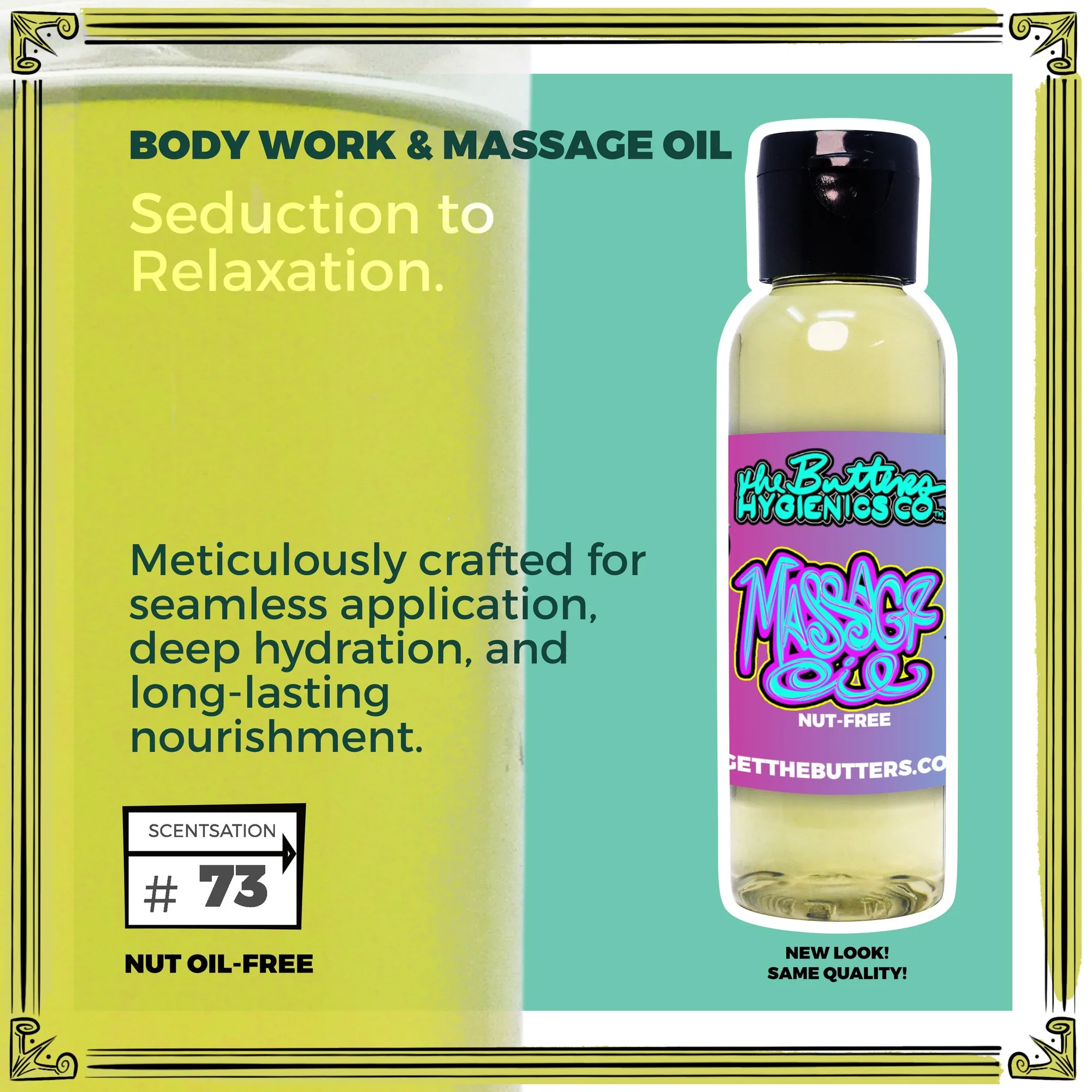
Body Work and Massage Oil 💆 | Sunflower X Grapeseed w Red Raspberry Seed Oil (Nut Free)
-
Body Work and Massage Oil 💆 | Sunflower X Grapeseed w Red Raspberry Seed Oil (Nut Free): The lightweight texture glides effortlessly over skin without residue, making it ideal for intimate massages, full-body relaxation, or everyday moisturizing care. This is the clearest statement of intended use: one oil for massage and daily moisture, with a finish described as non-greasy.
-
Body Work and Massage Oil 💆 | Sunflower X Grapeseed w Red Raspberry Seed Oil (Nut Free): This botanical fusion deeply nourishes dry or sensitive skin while delivering antioxidants and anti-inflammatory benefits to calm irritation and restore softness. Sensitive-skin buyers get a specific claim to evaluate, though the catalog does not provide a full ingredient list or patch-test instructions.
Why red raspberry seed oil earns its place
Red raspberry seed oil is the third oil in the blend, and it is the ingredient that separates this formula from a plain sunflower or grapeseed body oil. The catalog does not break down percentages or list a separate red raspberry seed oil product page, so treat it as a supporting botanical rather than the main event. The practical takeaway is that you are buying a lightweight carrier-oil blend with a nut-free claim, not a single-ingredient red raspberry seed oil.
Which size fits your routine
The oil comes in three sizes. There is no single right answer, but the choice usually comes down to whether you are testing the texture or committing to a routine.
- .5oz Sample: Best for a first trial, travel, or checking how the glide feels on your skin before buying a larger bottle. The catalog does not state how many uses a sample provides.
- 2oz: A middle size for occasional massage or a short daily moisturizing routine. The catalog does not give a fill weight in grams or a shelf life, so plan around your own usage.
- 16oz: The practical choice if you already know you like lightweight body oils and want one bottle for regular full-body use or partner massage.
How to use massage oil without overdoing it
The catalog describes the texture and intended uses but does not provide a step-by-step application method, so the following is general practical guidance rather than a manufacturer instruction.
- Start with a small amount: A lightweight oil spreads further than a thick balm. Begin with a small pour and add more only if the glide feels dry.
- Warm it between your palms: Spreading the oil over your hands first helps you control the amount and avoid a puddle on the skin.
- Work in long strokes: For massage, use broad, even strokes and reapply to areas that need more slip rather than pouring more oil overall.
- Use it as a daily moisturizer too: The catalog lists everyday moisturizing care as an intended use, so you can apply it after a shower the same way you would a body oil.
- Patch test first if your skin is reactive: The catalog does not include patch-test instructions. If you have sensitive skin or a known allergy, test a small area before a full-body application.
The honest trade-offs
Nut-free is a meaningful label for many buyers, but it is not the same as allergy-proof. The catalog does not state that the oil is made in a nut-free facility or list every ingredient, so if you have a severe nut allergy, confirm the full ingredient and manufacturing details before use. The same caution applies to the anti-inflammatory wording: it is a catalog claim, not a medical recommendation, and the oil is not described as a treatment for any skin condition.
The lightweight, residue-free finish is a strength for massage and daily wear, but it also means the oil is not a heavy occlusive balm. If you want a thick barrier for very dry skin, this is a different category of product. And because the catalog does not specify a shelf life or storage instructions, keep the bottle capped and away from direct heat as a sensible default rather than a stated requirement.