Quick answer
Bokashi composting is a fermentation-based method that lets you compost all kitchen waste—including meat and dairy—indoors, without odors or pests, using a special inoculated bran like Dr Jim Z Bokashi.
Why choose fermentation over traditional composting
Traditional composting requires heat, air, and a balance of greens and browns, which can be tricky indoors. Bokashi fermentation works in a sealed bucket, so you can compost year-round in a small apartment or kitchen corner.
It also handles items you normally can't compost at home: cooked leftovers, meat scraps, dairy, and citrus peels. The process is anaerobic and happens quickly—usually two weeks in the bucket, then two weeks in the soil.
What you need to get started
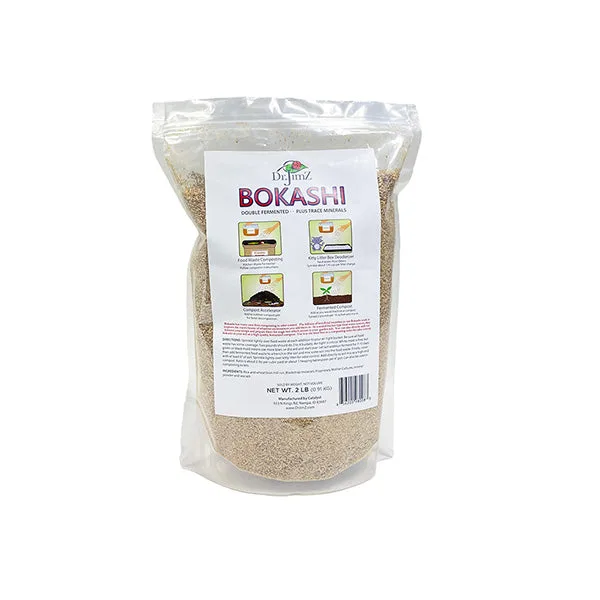
You'll need a bokashi bucket with a spigot and tight lid, plus a supply of inoculated bran. Dr Jim Z Bokashi 2 LB is a ready-to-use bran that contains effective microorganisms to kickstart fermentation. One bag typically lasts several months for a household of two.
The bran is the key ingredient—it's what ferments the waste rather than rotting it. Without it, you're just storing trash in a bucket.
How to start bokashi composting in 5 steps
- Set up your bucket: Place your bokashi bucket in a convenient spot (under the sink or on the counter). Ensure the spigot is closed and the bottom grate is in place. Common mistake: Forgetting to drain the liquid every few days. The liquid can smell if left too long—use it as a drain cleaner or diluted plant feed.
- Add kitchen scraps: Cut food waste into small pieces (1-2 inches) and add a layer about 2-3 inches deep. Avoid large bones or excessive liquids. Checkpoint: Press down firmly to remove air pockets—fermentation is anaerobic, so you want as little oxygen as possible.
- Sprinkle bokashi bran: Sprinkle a generous tablespoon of Dr Jim Z Bokashi bran over each layer of scraps. Use a spoon or your hand to mix it in lightly. Common mistake: Using too little bran. If you see mold (not the white fermentation mold), you need more bran. White fuzz is fine; green or black mold means too much air or too little bran.
- Seal and wait: Close the lid tightly and leave the bucket for two weeks. Drain the liquid every 2-3 days. Do not open the lid during this time unless adding more waste. Checkpoint: If you add waste over time, start the two-week count from your last addition. The bucket should smell like pickles or sourdough—not rot.
- Bury the fermented waste: After two weeks, bury the fermented scraps in garden soil or a large planter. Cover with at least 6 inches of soil and wait two more weeks before planting. Common mistake: Burying too shallow—the fermentation process continues in the soil, and shallow burial can attract pests. Deeper is safer.
Product facts
-
Dr Jim Z Bokashi 2 LB: Dr. Jim Z Bokashi 2 LB is derived from the Japanese term 'bokashi,' meaning 'fermenting organic matter,' and transforms kitchen scraps into nutrient-rich soil amendment. This means you can compost meat, dairy, and cooked food indoors without smell or flies—something traditional bins can't do.
Dr Jim Z Bokashi 2 LB