When it comes to cutting through chains, padlocks, and rebar, bolt cutters are an essential tool for tactical professionals, first responders, and DIY enthusiasts. But with so many sizes and types available, how do you know which pair is right for your needs? This buying guide will walk you through the key factors to consider, ensuring you choose the most effective bolt cutters for your specific applications.
From compact models that fit in a backpack to heavy-duty cutters that can slice through hardened steel, understanding the relationship between size, cutting capacity, and design is crucial. We'll also explore how bolt cutters compare to other breaching tools, and why having the right cutting tool can make all the difference in an emergency.
Why Size Matters: Bolt Cutter Length and Cutting Capacity
Bolt cutters come in a range of lengths, typically from 12 inches to 42 inches or more. The length directly influences the cutting capacity and the amount of leverage you can apply. Longer cutters provide more mechanical advantage, allowing you to cut through thicker materials with less effort. For example, a 24-inch cutter can handle most padlocks and chains, while a 36-inch or longer model is needed for rebar or heavy-duty shackles.
Cutting capacity is usually specified for medium-hard steel, such as chain or rebar. It's essential to match the cutter's capacity to the hardest material you'll encounter. Using a cutter that's too small can damage the blades or fail to cut through, while an oversized cutter may be cumbersome to carry and use in tight spaces.
- 12-18 inch: Compact and portable, ideal for light tasks like cutting wire or small padlocks.
- 24-30 inch: The most versatile size, suitable for most chains, locks, and bolts.
- 36-42 inch: Heavy-duty, for cutting rebar, hardened steel, and large shackles.
Types of Bolt Cutters: Which Design Suits Your Needs?
Bolt cutters are not one-size-fits-all. There are several types, each designed for specific tasks. Standard bolt cutters feature a simple scissor-like action and are the most common. However, for tactical and emergency applications, you might consider compound bolt cutters, which use a gear mechanism to multiply force, making them easier to use with one hand or in awkward positions.
Another type is the ratcheting bolt cutter, which allows for multiple cuts in a single motion, ideal for cutting through thick materials without re-gripping. For those who prioritize portability, folding bolt cutters are available, which can be stored compactly. When selecting a type, think about where you'll use them: in a vehicle, on your person, or in a fixed location.
- Compound bolt cutters: Provide up to 3x more cutting force with less effort.
- Ratcheting bolt cutters: Ideal for repetitive cutting tasks, reducing hand fatigue.
- Folding bolt cutters: Compact and easy to carry, perfect for EDC or bug-out bags.
Key Features to Look For in Quality Bolt Cutters
When investing in bolt cutters, you should consider the materials and construction. High-carbon steel jaws are essential for durability and edge retention. Look for cutters with heat-treated blades that can withstand repeated use without dulling quickly. The handles should be made of solid steel or reinforced fiberglass for strength, with comfortable grips that reduce hand strain.
Another feature to consider is the cutting head design. Some cutters have angled heads, which allow for easier access to flush cuts or cutting in tight spaces. Additionally, some models come with replaceable blades, which can extend the tool's lifespan. Finally, check the overall build quality, including the pivot joint, which should be robust and allow for smooth operation.
- High-carbon steel jaws for maximum hardness and durability.
- Replaceable blades for long-term cost savings.
- Comfortable, non-slip grips for safety and control.
Using Bolt Cutters in Tactical and Emergency Situations
In tactical scenarios, bolt cutters are invaluable for breaching operations, allowing quick entry through gates, fences, or padlocked doors. They are also essential for first responders who may need to cut through debris or vehicle components during rescue missions. When seconds count, having a reliable pair of bolt cutters that you can grab quickly is critical.
For those who carry a tactical backpack, consider a compact pair that can be stored without adding excessive weight. Pairing your bolt cutters with other breaching tools, such as a pry bar, can give you a versatile toolkit for various entry situations. Always practice using your cutters on different materials to ensure you're familiar with their capabilities and limitations.
- Always wear eye protection when using bolt cutters, as metal fragments can fly.
- Practice cutting different sizes of chain and lock shackles to build proficiency.
- Store bolt cutters in a dry environment to prevent rust and corrosion.
Bolt Cutters vs. Other Breaching Tools
While bolt cutters are excellent for cutting through metal, they are not always the best tool for every breaching scenario. For example, a pry bar is better suited for forcing open doors or prying apart materials. Bolt cutters are specifically designed for cutting, so they excel at severing chains, cables, and padlocks. In contrast, tools like the Falcon Breaching Schivv combine prying and cutting functions, offering a more versatile option.
When deciding between bolt cutters and other tools, consider the primary task. If you need to cut a padlock quickly, bolt cutters are your best bet. If you need to pry open a door or window, a pry bar is more effective. For a well-rounded breaching kit, you may want to include both types of tools.
- Bolt cutters: Best for cutting chains, cables, and padlocks.
- Pry bars: Best for prying, leverage, and forced entry.
- Multi-tools: Combine cutting and prying but may be less effective at both.
Choosing the right bolt cutters involves understanding your specific needs regarding size, type, and features. Whether you're a professional in the field or a homeowner preparing for emergencies, investing in a quality pair of bolt cutters is a smart decision. For a reliable addition to your tactical gear, consider the NAR S-Rolled Gauze for medical emergencies, but for cutting tools, always prioritize quality and suitability. Explore our selection at Blaze Defense Systems to find the perfect bolt cutters for your toolkit.
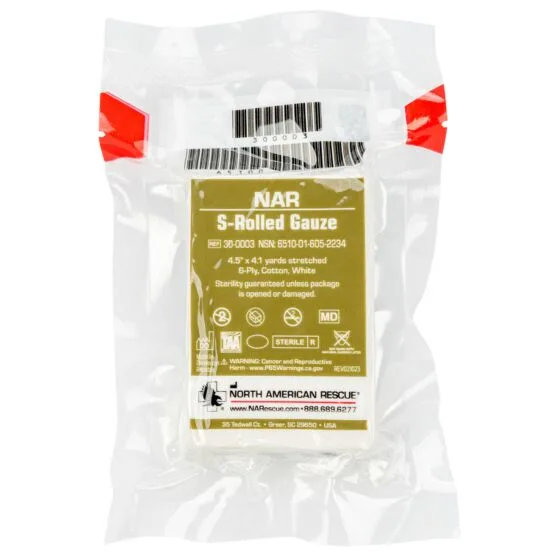
NAR S-Rolled Gauze