Start with the blend you actually have
Bombay Cutting Chai Tea Café Blend is built for the bold, spiced half-cup chai served on Mumbai streets. The supplied product record lists CTC tea, dry ginger (sonth), fennel seeds (saunf), and cardamom (elaichi) as ingredients. That combination is what gives the blend its signature character, so your brewing job is to extract that flavor without letting the cup turn harsh.
The product record does not include a manufacturer brewing recipe, water temperature, or steeping time. The steps below use a standard stovetop chai method and let you adjust strength by taste rather than by a fixed clock. Treat every quantity as a starting point, not a rule.
What the catalog confirms about this blend
-
Bombay Cutting Chai Tea Café Blend: Ingredients include CTC tea, dry ginger (sonth), fennel seeds (saunf), and cardamom (elaichi). These are the spices you are trying to balance in the cup, so knowing them helps you decide whether to add anything else.
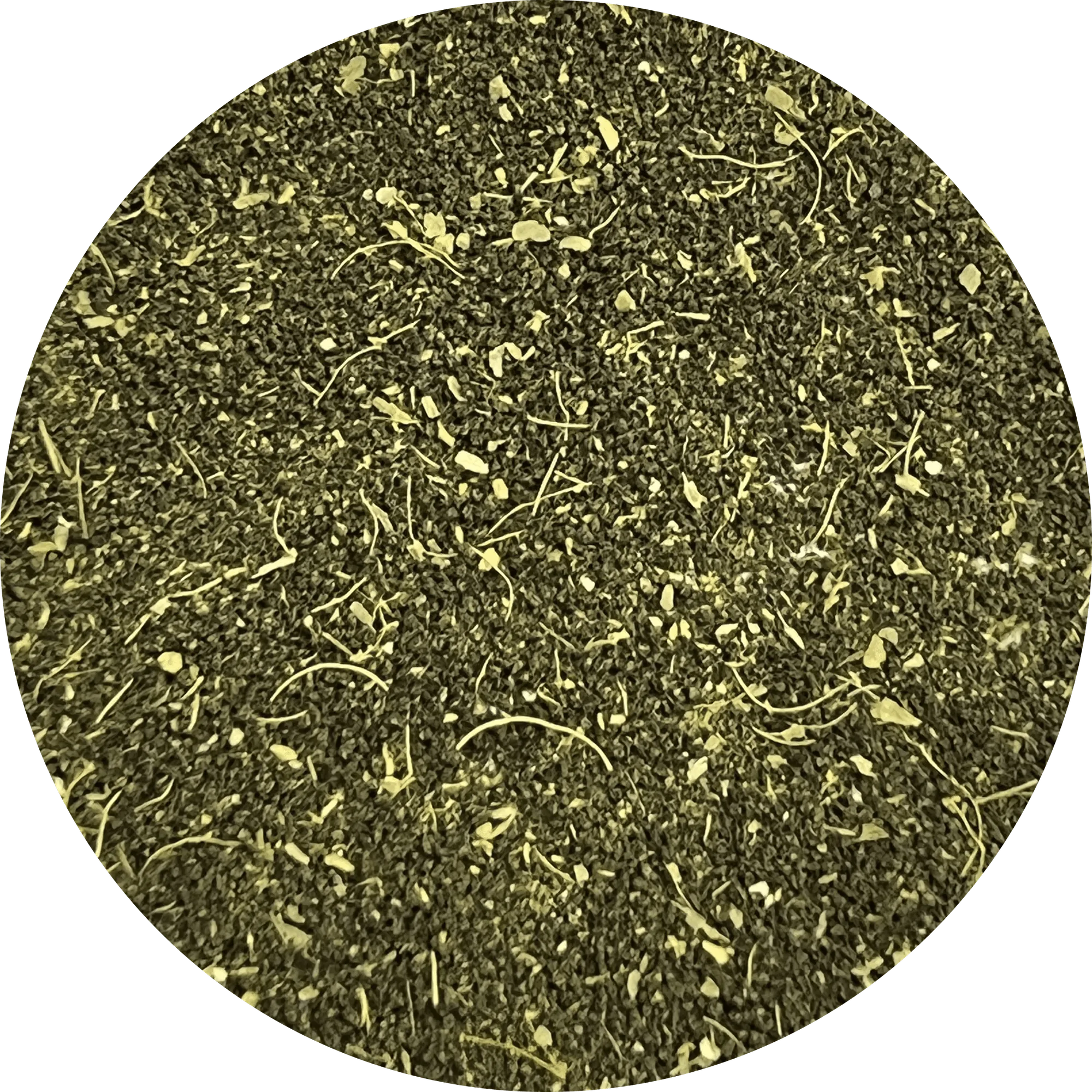
Bombay Cutting Chai Tea Café Blend
-
Bombay Cutting Chai Tea Café Blend: Available pack sizes: 250g Trial Pack, 2kg Pack at ₹1130/kg, and 5kg Pack at ₹910/kg. A trial pack lets you test your home ratio before committing to a larger pack.
-
Bombay Cutting Chai Tea Café Blend: Per cup cost is listed as low as ₹2.73, with a 5kg pack at ₹910/kg for consistent daily batches. This is a café-oriented blend, but the cost structure also works for regular home brewing if you settle on a repeatable method.
A simple stovetop method for cutting chai at home
Use this sequence as a flexible framework. The goal is a small, strong cup with a clear spice note and enough milk to soften the CTC tea.
- Measure your tea and water: Start with about one teaspoon of Bombay Cutting Chai Tea Café Blend for every small cup of water. Use less tea if you prefer a lighter cup; use more if you want the bold street-style strength the blend is known for. Bring the water to a boil in a small saucepan.
- Add the tea and simmer briefly: Add the tea to the boiling water and let it simmer for a short period—just enough to color the water deeply and release the spice aroma. Because the record does not specify a time, watch the pot rather than the clock. If the liquid smells sharp or looks very dark, move to the next step.
- Pour in the milk: Add milk to the simmering tea. For a cutting chai style, use a ratio of roughly one part milk to two parts water, or adjust toward more milk for a softer cup. Whole milk gives a richer body; skim milk will taste thinner. Bring the mixture back to a gentle boil, then lower the heat.
- Add sugar to taste: Stir in sugar while the chai simmers. Cutting chai is often sweet, but the amount is personal. Start with a small amount, taste, and add more if needed. The supplied record does not give a sugar quantity, so rely on your own preference.
- Finish with a short rolling boil: Let the chai rise once or twice, then remove it from the heat. This brief rolling boil helps blend the milk and tea. Do not boil for a long time, or the CTC tea can turn bitter. Strain into a small cup and serve immediately.
How to adjust strength without a fixed timer
The product record does not provide a brewing time or temperature, so use these sensory checkpoints instead of a stopwatch.
- Color of the water before milk: A deep reddish-brown color means the tea has released enough strength. If the water is still pale, give it a little more time.
- Aroma: You should smell the ginger and cardamom clearly. If the aroma is faint, the brew may be weak; if it smells harsh or smoky, you may have over-boiled the tea.
- Taste after straining: Take a small sip. A good cutting chai is bold but not bitter. If it is too strong, add a splash of hot milk or water. If it is too weak, brew the next cup with more tea or a slightly longer simmer.
Milk and sugar: what to expect from this blend
The blend is designed for a café-style cup, which usually means milk and sugar are part of the experience. Whole milk will carry the spice notes better than skim milk, but either works. If you are reducing sugar, try starting with half the amount you normally use and taste before adding more.
The product record does not state whether the blend contains added sugar or dairy. If you have allergies or dietary restrictions, check the packaging label before brewing.
Scaling up for a small group
The same method works for multiple cups. Keep the ratio consistent: one teaspoon of tea per small cup of water, then add milk to taste. For a larger batch, use a bigger pot and bring the mixture to a boil slowly so the tea and spices have time to infuse. Strain into cups and serve while hot.
If you plan to brew regularly, the 250g Trial Pack is a low-commitment way to dial in your ratio. Once you know how strong you like it, the 2kg or 5kg packs offer better per-kg value. The product record lists a 5kg pack at ₹910/kg, which is the most economical option for daily brewing.