Quick answer
Open the bundle together, name every plush out loud, then let each child pick in turns instead of assigning toys for them. If one plush is clearly the favorite, pair it with a second item so both children end up with something to hold, and treat the split as a starting point you can rotate later.
A bundle looks simple until two children are standing over an open box. The Bon Ton Toys Bundle mixes characters from different families, which is exactly what makes it hard to divide: one child may want Miffy, another may only have eyes for Snoopy.
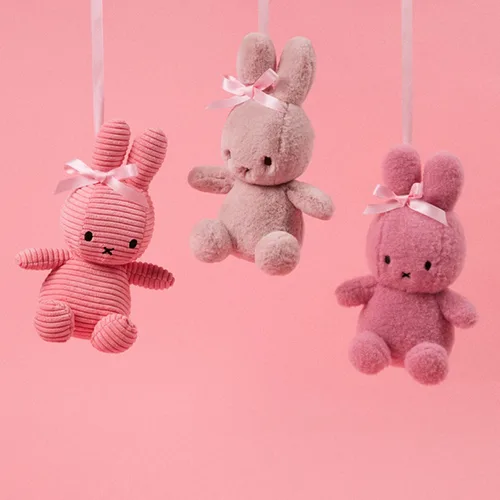
Bon Ton Toys Bundle
This guide walks through a fair split in order, with a checkpoint at each step so you can stop before a small disagreement turns into a long one. It also covers what to do when the bundle does not divide evenly, and when a second small plush is the better answer.
Step 1: Open the bundle together and name every plush
Before anyone claims anything, take the plush out one at a time and say the character name aloud. The Bon Ton Toys Bundle is described as one carefully chosen friend from every Bon Ton Toys family: Miffy, Peanuts and Bon Ton Toys originals. Saying the names turns a pile of toys into a set of known options, which makes the next step much calmer.
Lay the plush in a row where both children can see them. If a child cannot yet read or does not know the characters, point out one visible difference per plush, such as color or size. This is also the moment to check for tags and any small parts you want to keep away from younger siblings.
- Checkpoint: every child can point to and name at least two plush they like before you move on.
Step 2: Decide the split rule before anyone picks
Choose one rule and say it out loud: alternate picks, draw names, or match each plush to the child who already plays with that character. Alternating picks works best when the bundle has an even number of items and both children are close in age. Matching works better when one child has a strong attachment to a specific character.
Write the rule down if the children are old enough to read. A written rule is harder to renegotiate mid-pick, and it gives you something neutral to point at when someone changes their mind.
- Common mistake: deciding the rule after the first pick, which makes the first choice look like a loss for the other child.
Step 3: Let the younger child pick first, then alternate
If ages differ, let the younger child choose first. This is not about fairness in the abstract; it prevents the older child from taking the most wanted plush before the younger one has a chance. After the first pick, alternate strictly, even if one child wants to trade immediately.
Keep the turns short. A child who is still deciding should hold the plush they are considering, not the whole row, so the other child can see what is still available.
- Checkpoint: each child has the same number of plush in front of them before you allow any trades.
Step 4: Handle the uneven split with a pair or a trade
Bundles do not always divide evenly, and one child may end up with the plush everyone wanted. If that happens, offer a trade rather than taking the plush back. A trade keeps the choice in the child's hands and usually ends the negotiation faster than an adult ruling.
If no trade works, add a second small plush so both children have something new. Better Together is described as two soft companions who belong together, for shared moments, matching gifts, or simply twice the love, which makes it a practical way to even out a split without breaking up the original bundle.
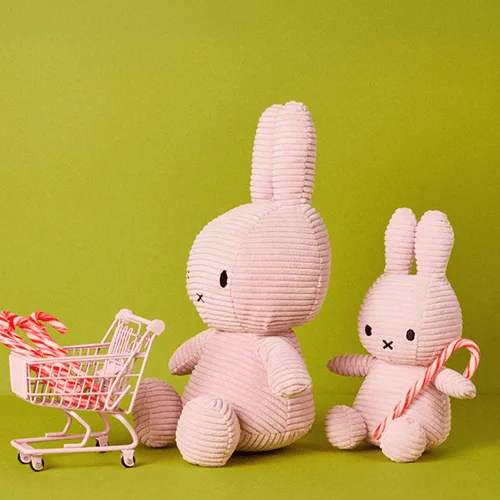
Better Together
- Common mistake: promising a future plush to the child who feels shortchanged. A vague promise usually reads as a no.
Step 5: Set a rotation date for the most wanted plush
For the plush that both children wanted, agree on a rotation date before the argument is over. A simple swap every two weeks gives the second child something concrete to look forward to, and it keeps the plush in use instead of stored away.
Put the date somewhere visible, such as a family calendar. If the children are old enough, let them mark the swap themselves so the rotation belongs to them rather than to you.
- Checkpoint: both children can say the rotation date out loud before the bundle is put away.
Step 6: Label, store, and keep the split reviewable
Once the plush are claimed, give each child a spot for their own items, and keep the bundle packaging or tags if you may need to prove what came in the set later. Labeling matters most when the plush look similar, such as two Snoopy items in the same cream color.
Plan a short review after a week. If one child has not touched their plush and the other keeps borrowing it, a second trade is reasonable. The first split does not have to be the final one.
- Common mistake: storing the plush in one shared bin, which quietly undoes the whole split.
The sibling split checklist
- Open and name: Take every plush out of the Bon Ton Toys Bundle and say each character name aloud before any claiming starts. Checkpoint: both children can name two plush they like.
- Set the rule first: Choose alternating picks, name drawing, or character matching, and state it before the first choice is made. A written rule is harder to renegotiate later.
- Pick in turns: Let the younger child choose first, then alternate strictly until the plush are divided. Checkpoint: equal counts on both sides before trades.
- Trade, do not reassign: If the split feels uneven, offer a trade or add a second small plush such as Better Together instead of taking a plush back. Trades end negotiations faster than adult rulings.
- Schedule the rotation: Agree on a swap date for the most wanted plush and mark it where both children can see it. Checkpoint: both children can repeat the date.
- Store separately and review: Give each child their own storage spot and check in after a week to see whether a second trade makes sense. The first split does not have to be final.
Bundle and plush facts that affect the split
- Bon Ton Toys Bundle: One carefully chosen friend from every Bon Ton Toys family: Miffy, Peanuts and Bon Ton Toys originals. Because the bundle crosses character families, a split by character preference is usually easier than splitting by size or color.
- Better Together: Two soft companions who belong together, for shared moments, matching gifts, or simply twice the love. A two-plush set is the simplest way to even out a bundle split when one child ends up with fewer items.
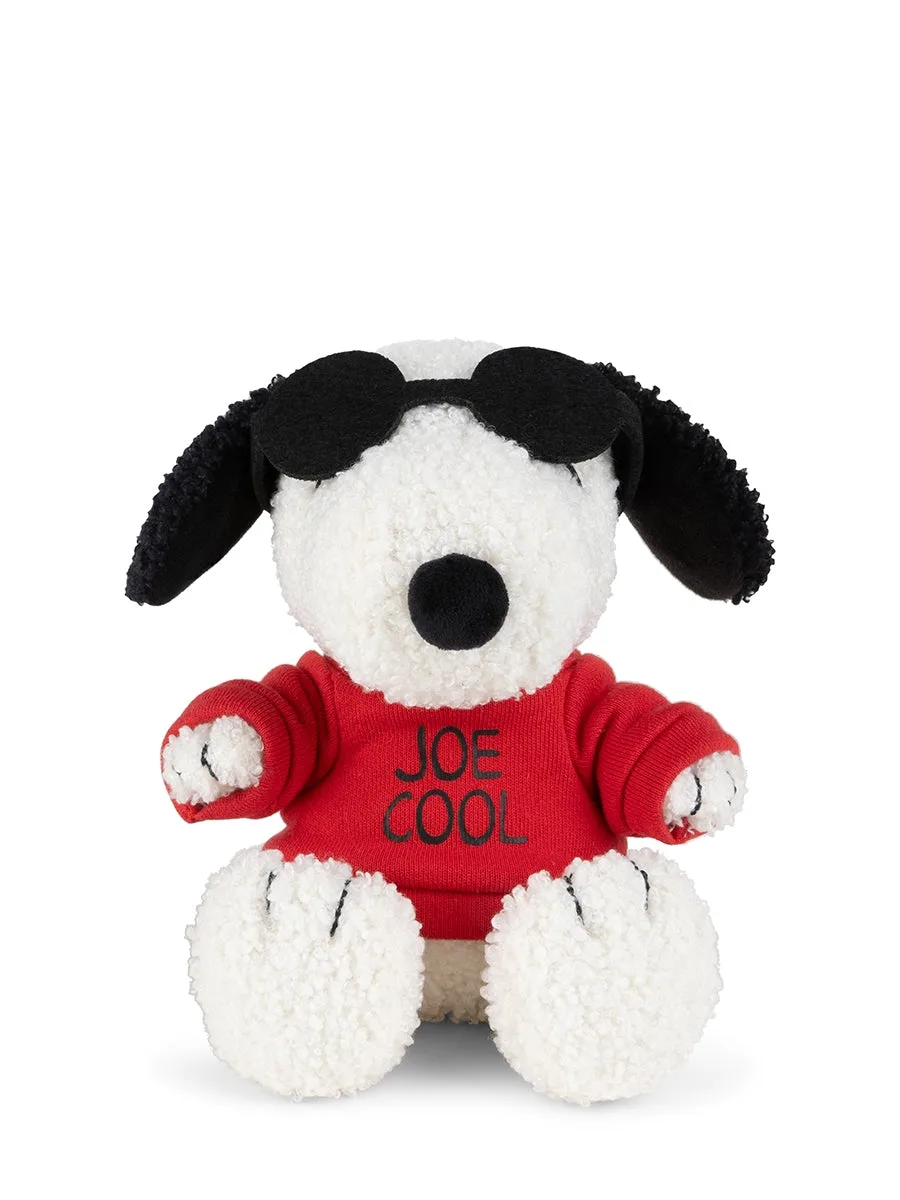
- Snoopy Joe Cool - 20 cm - 8 | Cream: All Peanuts plush items are hand made. Handmade plush can vary slightly from piece to piece, so let children choose the exact plush they will keep rather than assigning one by description.
A bundle split works best when the process is visible and the rules are set before the first pick. Name the plush, choose a rule, alternate fairly, and keep one rotation date on the calendar. If the numbers do not work out, a small second plush or a two-item set solves it faster than a lecture about sharing.