Rice is a staple food for billions of people around the world, but not all rice is created equal. While white rice has been a pantry essential for generations, a new contender has emerged: bone broth rice. This innovative twist on a classic grain promises enhanced nutrition and flavor, making it a popular choice for health-conscious consumers. But how does bone broth rice really stack up against traditional white rice? In this article, we’ll dive deep into the nutritional profiles, health benefits, and practical uses of both, so you can decide which one deserves a spot in your kitchen.
Whether you’re looking to improve gut health, boost protein intake, or simply enjoy a more flavorful meal, understanding the differences between these two rice options is key. We’ll explore the science behind bone broth rice, compare it to white rice in terms of calories, protein, and vitamins, and share tips on how to incorporate it into your daily diet. By the end, you’ll have a clear picture of which rice is better for your health goals.
What Is Bone Broth Rice?
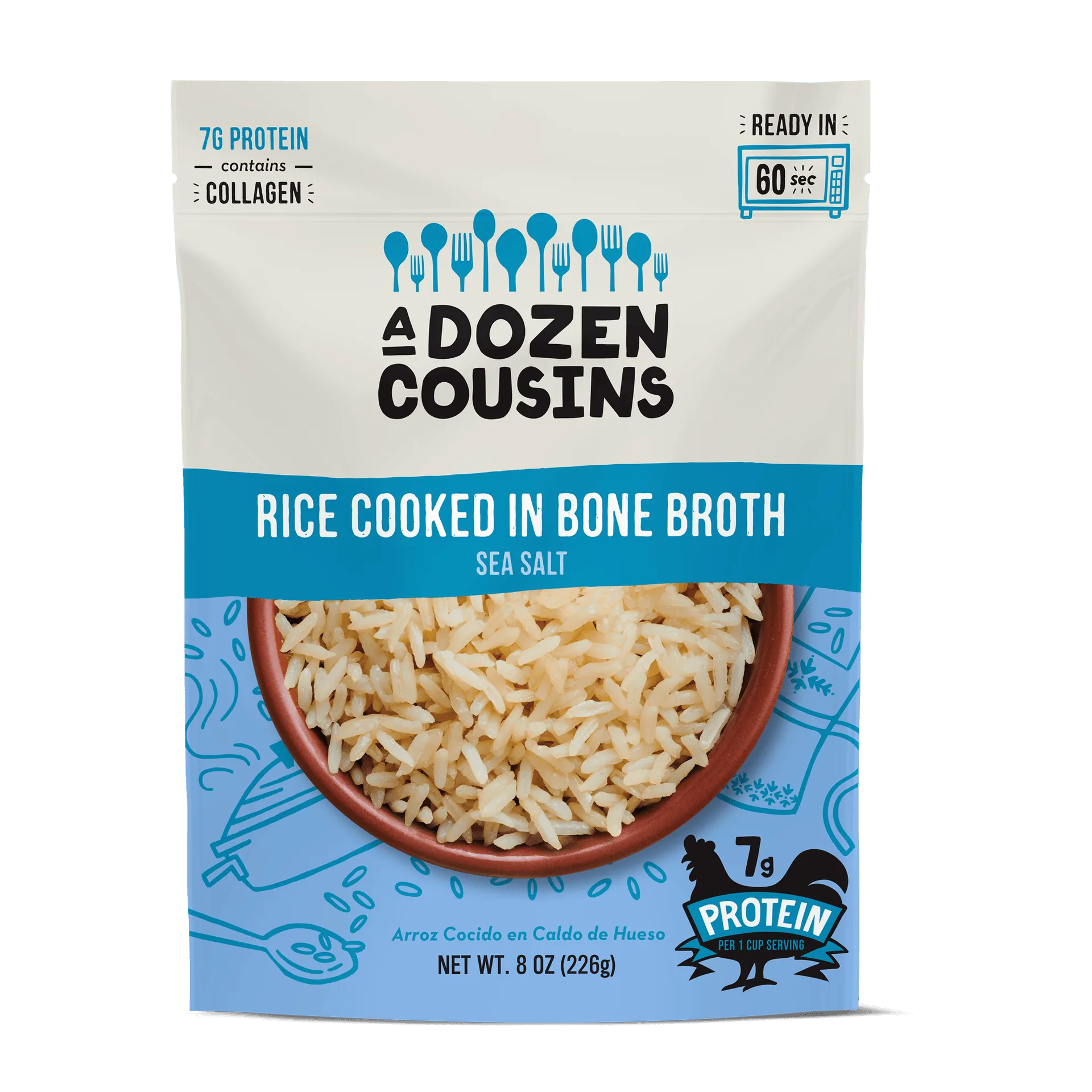
Bone broth rice is exactly what it sounds like: rice that has been cooked in bone broth instead of plain water. The result is a grain that absorbs the rich, savory flavors and nutrients from the broth, including collagen, gelatin, amino acids, and minerals like calcium and magnesium. This cooking method transforms ordinary white rice into a functional food that supports joint health, digestion, and immune function. Brands like A Dozen Cousins have perfected this concept with products such as https://goodplate.shop/products/sea-salt-rice-cooked-in-bone-broth-12-pack-79300Sea Salt - Rice Cooked in Bone Broth (12 Pack), which offers a convenient way to enjoy the benefits without any extra prep work.
Unlike white rice, which is often stripped of nutrients during milling, bone broth rice retains the nutritional goodness of the broth. The slow simmering process extracts collagen from animal bones, which then infuses the rice with protein and gut-healing compounds. This makes bone broth rice a smart choice for anyone looking to add more functional foods to their diet, especially those with busy lifestyles who still want to eat well.
- Bone broth rice is cooked in nutrient-rich bone broth instead of water.
- It contains collagen, gelatin, and minerals that support joint and gut health.
- A Dozen Cousins offers pre-cooked bone broth rice for quick meals.
Nutritional Comparison: Bone Broth Rice vs. White Rice
When comparing bone broth rice to white rice, the most significant difference lies in protein content. A typical serving of white rice contains about 2-3 grams of protein, while bone broth rice can provide 5-7 grams per serving, depending on the broth used. This extra protein comes from the collagen and gelatin in the broth, which are also rich in amino acids like glycine and proline. These amino acids play a crucial role in repairing tissues, supporting skin elasticity, and reducing inflammation.
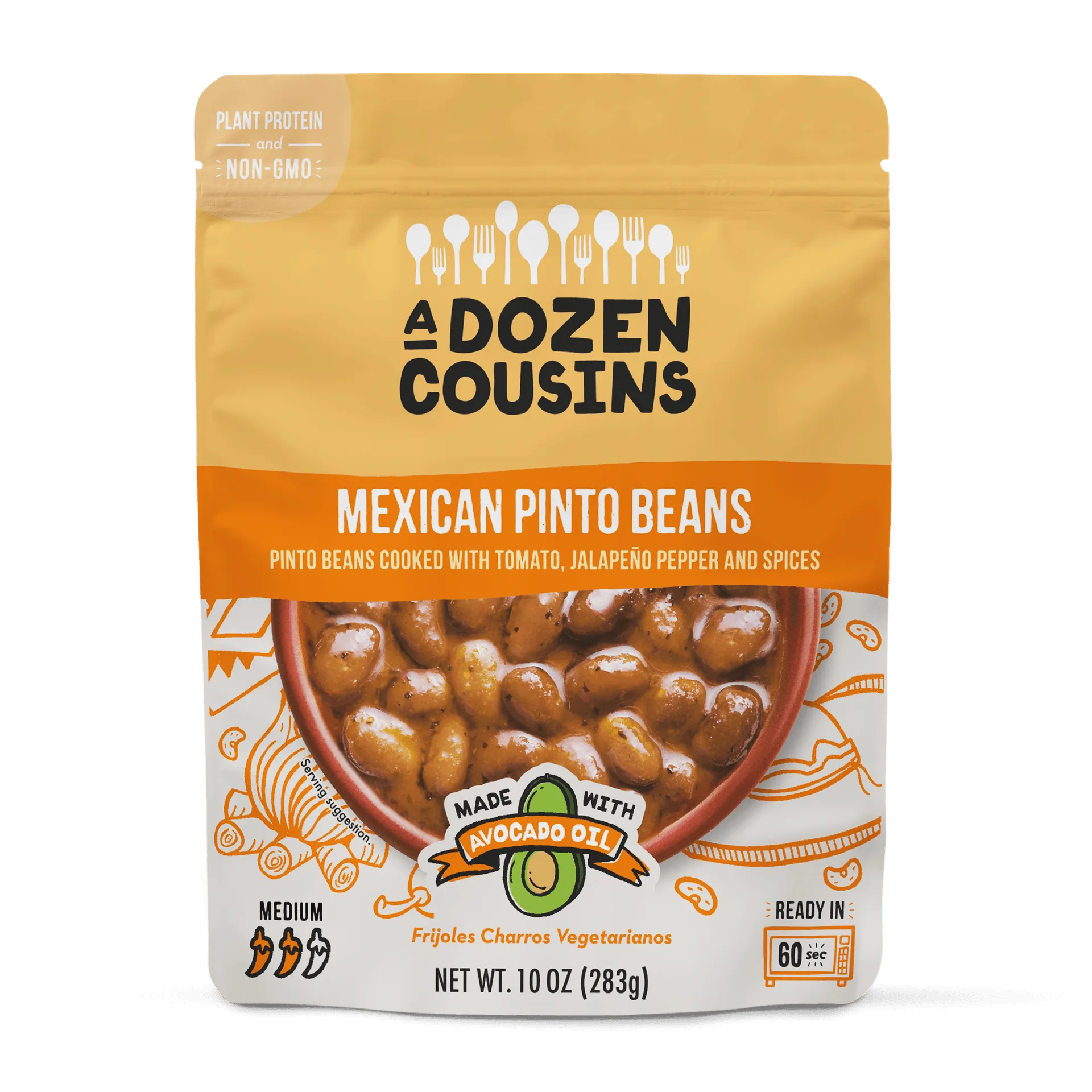
In terms of calories, bone broth rice is often slightly higher due to the added nutrients, but the difference is minimal. White rice is primarily a source of carbohydrates, offering quick energy but little else. Bone broth rice, on the other hand, delivers a more balanced macronutrient profile, making it a better choice for sustained energy and satiety. It also contains small amounts of calcium, magnesium, and phosphorus from the bones, which are absent in white rice. For a complete meal, consider pairing bone broth rice with seasoned beans like those in The Complete Bean + Rice Variety Pack (12 pack) for a protein-packed, fiber-rich dish.
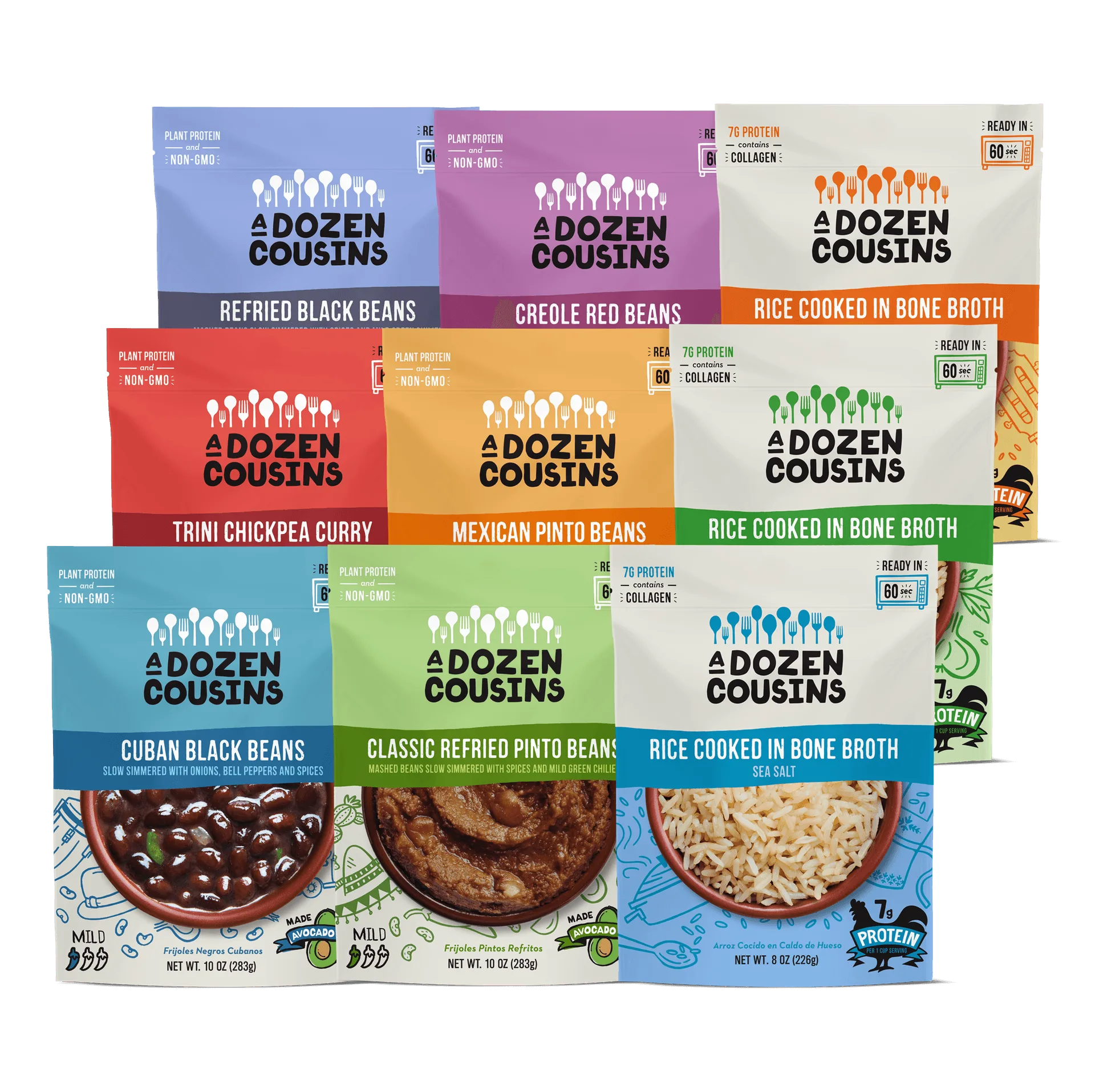
The Complete Bean + Rice Variety Pack (12 pack)
- Bone broth rice has 2-3 times more protein than white rice.
- It provides collagen, gelatin, and minerals like calcium and magnesium.
- White rice is mainly carbohydrates with minimal micronutrients.
Gut Health Benefits of Bone Broth Rice
One of the standout benefits of bone broth rice is its positive impact on gut health. The gelatin in bone broth helps to seal the lining of the intestines, which can be beneficial for people with leaky gut syndrome or digestive issues. Additionally, the amino acid glutamine supports the health of intestinal cells and may reduce inflammation in the gut. White rice, while easy to digest, does not offer these same gut-healing properties.
For those with sensitive stomachs or conditions like IBS, bone broth rice can be a soothing and nourishing option. It’s also a great way to introduce more collagen into your diet without having to drink broth separately. The mild, savory flavor of bone broth rice makes it a versatile base for bowls, stir-fries, or as a side dish. To enhance the gut health benefits even further, try adding fermented foods or probiotic-rich toppings like sauerkraut or kimchi.
- Gelatin in bone broth rice supports intestinal lining health.
- Glutamine aids in repairing gut cells and reducing inflammation.
- Bone broth rice is gentle on the digestive system.
Which Rice Is Better for Weight Management?
When it comes to weight management, bone broth rice has a slight edge over white rice. The higher protein content helps increase feelings of fullness, which can reduce overall calorie intake throughout the day. White rice, being low in protein and fiber, may leave you feeling hungry sooner, leading to more snacking. Additionally, the collagen in bone broth rice can support muscle maintenance, which is important for a healthy metabolism.
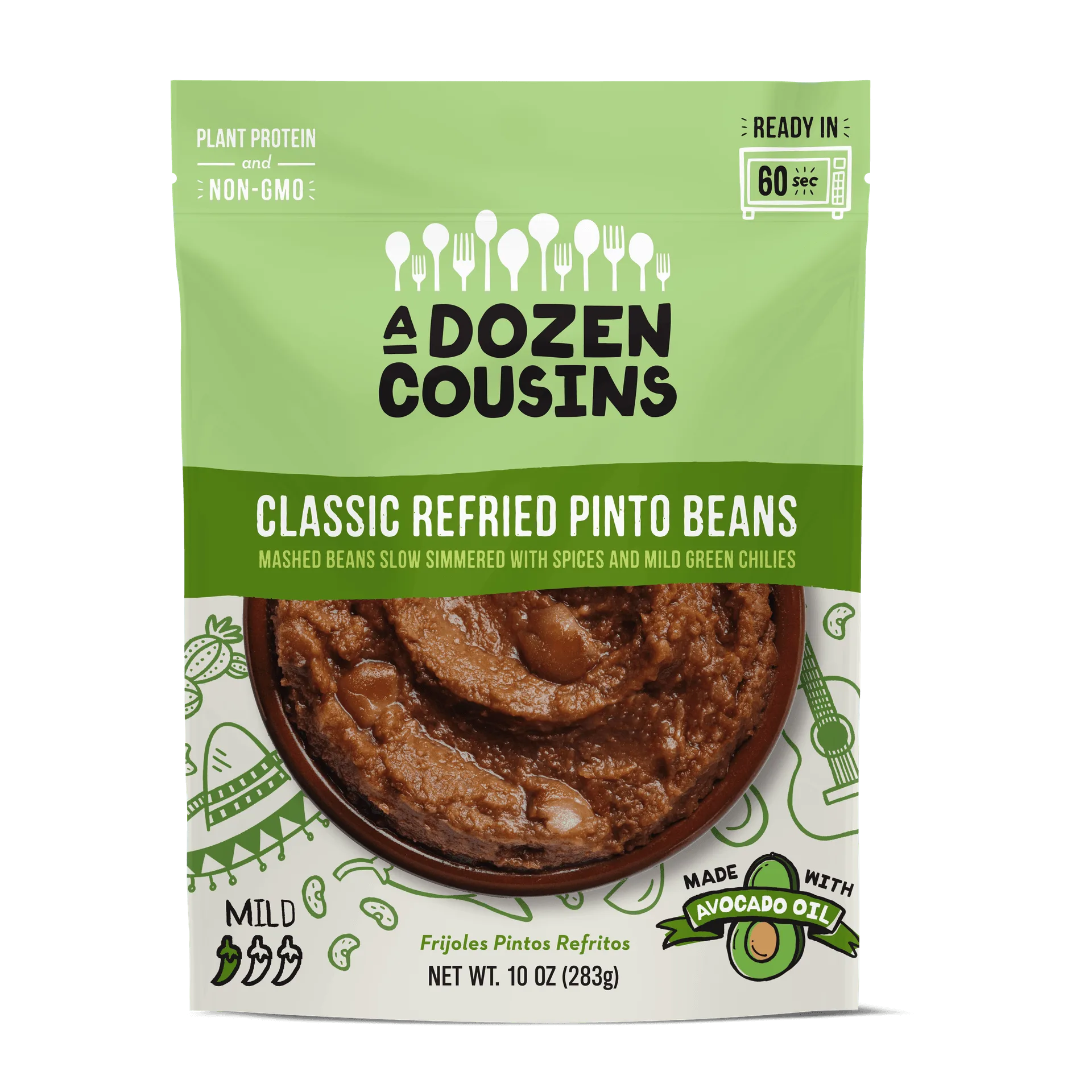
However, portion control is still key. Both types of rice are calorie-dense, so it’s important to stick to recommended serving sizes. Bone broth rice can be a valuable tool in a weight loss plan because it provides more nutrients per calorie than white rice. For a satisfying, low-calorie meal, combine bone broth rice with plenty of vegetables and a lean protein source. Products like Los Frijoles Clasicos (12 Pack) offer pre-seasoned beans that pair perfectly with bone broth rice for a balanced, weight-friendly meal.
- Bone broth rice’s protein helps keep you fuller longer.
- White rice may lead to quicker hunger due to lower protein and fiber.
- Pair bone broth rice with veggies and beans for a weight-loss-friendly meal.
How to Incorporate Bone Broth Rice into Your Diet
Switching from white rice to bone broth rice is simple and delicious. You can use bone broth rice in any recipe that calls for white rice, from burrito bowls to stir-fries. Because it’s already seasoned, it adds depth of flavor without extra effort. A Dozen Cousins offers pre-cooked options that heat up in minutes, making them perfect for busy weeknights. Try using bone broth rice as a base for a grain bowl topped with roasted vegetables and a drizzle of seasoning sauce.
For a complete meal, pair bone broth rice with a protein source like grilled chicken, tofu, or beans. The savory notes of the rice complement a wide range of cuisines, from Latin American to Asian. You can also use it as a side dish for stews or curries. The versatility of bone broth rice makes it easy to incorporate into your weekly meal prep, ensuring you always have a nutritious, flavorful option on hand.
- Use bone broth rice in place of white rice in any recipe.
- It’s pre-seasoned, so you can skip adding extra salt or spices.
- Perfect for meal prep – just reheat and serve.
Ultimately, both bone broth rice and white rice have their place in a balanced diet, but if you’re looking for a nutrient-dense option that supports gut health, provides more protein, and offers a richer flavor, bone broth rice is the clear winner. It’s a simple swap that can make a big difference in your overall nutrition. Ready to give it a try? Explore the Sea Salt - Rice Cooked in Bone Broth (12 Pack) from A Dozen Cousins and experience the benefits for yourself.