Start with what the jersey is built to do
The Bone Dry Cycling Jersey is a limited-edition piece made from moisture-wicking performance fabric. According to the catalog, it is lightweight, breathable, and designed for all-day comfort, with the goal of keeping you bone dry from the first mile to the last. That makes it a natural base layer for cold-weather rides, where managing sweat matters as much as blocking wind.
Because the supplied information does not include fabric composition, care instructions, or thermal ratings, the guidance below focuses on layering logic and general jersey-care principles. Treat any specific washing temperature or drying method as something to confirm on the garment label before you act.
What the catalog confirms about the Bone Dry Jersey
-
Bone Dry Cycling Jersey: Moisture-wicking performance fabric built to keep you bone dry from the first mile to the last. This is the jersey's core function: moving sweat away from your skin so you stay drier when you add layers over it.
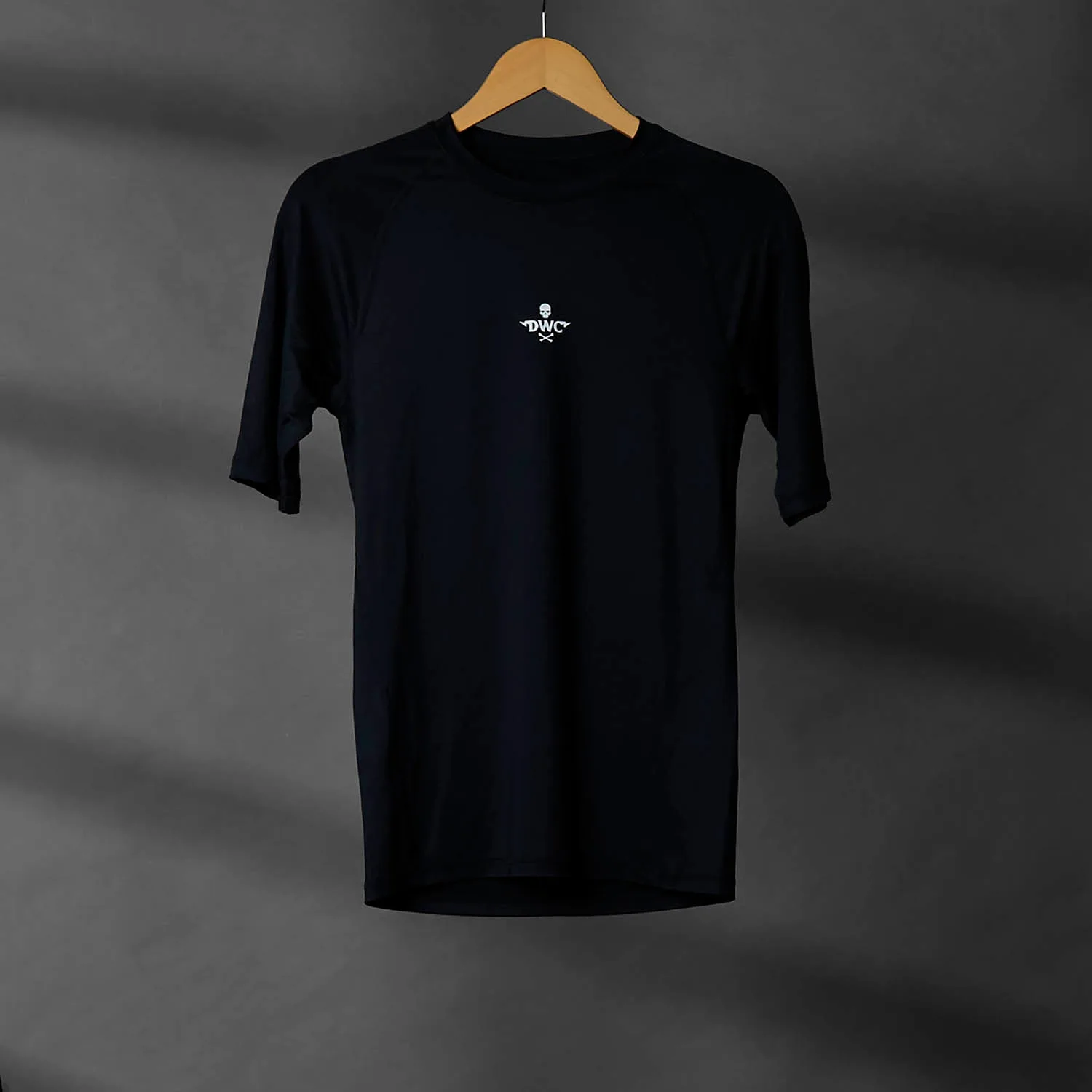
Bone Dry Cycling Jersey
-
Bone Dry Cycling Jersey: Lightweight, breathable, and designed for all-day comfort. These traits make it suitable as a next-to-skin layer rather than a heavy outer layer on cold rides.
-
Bone Dry Cycling Jersey: Available in sizes S and M. Sizing is limited to these two options, so check the size chart before ordering if you plan to layer underneath.
How to layer the jersey for cold rides
Use the jersey as your base layer and add insulation and wind protection over it. The exact pieces depend on temperature and your own comfort, but the sequence below keeps the moisture-wicking fabric against your skin where it works best.
- 1. Put on the Bone Dry Jersey first: Wear it directly against your skin or over a thin base layer you already trust. Its moisture-wicking fabric is designed to manage sweat, so it should be the layer closest to your body.
- 2. Add a thin insulating layer if needed: A long-sleeve thermal or lightweight fleece over the jersey adds warmth without trapping too much moisture. Choose a layer that fits comfortably over the jersey without bunching.
- 3. Finish with a windproof or water-resistant shell: A packable jacket or gilet blocks wind and light rain. Because the jersey is breathable, the shell can be removed if you warm up, letting the jersey continue to manage moisture.
- 4. Adjust as you ride: Start slightly cool and add or remove the outer layer as your effort changes. The goal is to avoid overheating and soaking the jersey from the inside.
Fit tips before you order
The Bone Dry Cycling Jersey comes in sizes S and M only. The catalog does not provide a size chart, measurements, or a fit description (such as race cut or relaxed), so use the store's sizing guide if one is available, or contact support for measurements before ordering.
If you plan to wear the jersey over a base layer, consider whether you want a close fit or a little room. A jersey that is too tight can restrict movement; one that is too loose may flap or let cold air in. Because only S and M are listed, check the size chart carefully if you normally fall between sizes.
How to wash a cycling jersey without damage
The supplied product information does not include specific care instructions, so the following steps are general best practices for moisture-wicking cycling apparel. Always check the care label on your jersey first and follow it over any general advice.
- 1. Turn the jersey inside out: This protects the outer surface and any printed graphics from abrasion during washing.
- 2. Use a mild detergent: Avoid fabric softeners and harsh chemicals, which can coat performance fibers and reduce their ability to wick moisture. Choose a sport-specific or gentle detergent if you have one.
- 3. Wash on a gentle cycle in cool or lukewarm water: Hot water can damage some synthetic fabrics over time. If the care label specifies a temperature, follow that instead.
- 4. Skip the dryer or use low heat: High heat can shrink or degrade performance fabrics. Air-drying is safest; if you must use a dryer, choose the lowest heat setting and remove the jersey while slightly damp.
- 5. Hang or lay flat to dry: Avoid direct sunlight and radiators, which can fade colors and weaken fibers. Hang the jersey by its shoulders or lay it flat on a drying rack.
What the catalog does not confirm
The supplied information does not state the fabric composition, UV protection, thermal rating, or specific washing instructions for the Bone Dry Cycling Jersey. It also does not confirm whether the jersey is machine washable or dry-clean only. For these details, check the garment's care label or the store's product page before washing.
Additionally, the catalog does not describe the fit (e.g., race, relaxed, or club) or provide measurements for sizes S and M. If fit is critical, use the store's size guide or reach out to customer service for exact measurements.
A note on value and availability
The Bone Dry Cycling Jersey is listed at USD 17.50, with a comparison price of USD 35.00. As a limited-edition item, availability may be limited, especially in sizes S and M. If you find your size in stock and the jersey suits your layering needs, it can be a practical addition to a cold-weather cycling wardrobe.