Quick answer
Pick children's books that leave something for your child to act out: a clear character goal, a setting they can rebuild with toys, and a few open-ended details. If you want one book that reliably turns into play, choose a story with a journey or a secret space rather than a book built only around facts or a single joke.
What makes a picture book playable
Playable picture books share three traits: a character who wants something specific, a setting your child can recreate with what you already own, and a problem solved through action rather than explanation. A child who can answer "what does the character want?" and "where does this happen?" has enough to start a game without your help.
Rhythm matters too. Books with repeated phrases or a predictable sequence let younger children join in before they can read, which is often the moment reading turns into performance and then into play.
The trade-off between facts and story
Nonfiction children's books build vocabulary and answer questions, but they rarely generate pretend play on their own because there is no character to become. Fiction does the opposite: it fuels role play but leaves gaps in knowledge.
The practical solution is to pair them. A fact-heavy book about a habitat plus a story set in that habitat gives your child both the vocabulary and a reason to use it. This pairing also extends the life of each book, since the fiction gets replayed while the nonfiction gets consulted mid-game.
When a familiar story beats a new one
Stories your child already knows, including fairy tales and folktales, are unusually strong play starters because the plot is already memorized. Your child can direct the game instead of following it, and can change endings without losing the thread.
The cost is novelty. If your child has heard the same tale for months, a retelling with different artwork can restart interest more cheaply than a completely new story, because the familiar structure does the work while the new images give them something fresh to describe.
Reading for toddlers versus reading for creative kids
For toddlers, prioritize short text, one clear action per page, and images simple enough to point at. Play looks like copying sounds and movements, so the book should invite that on nearly every spread.
For older creative kids, prioritize longer narratives, unexplained details, and characters with a goal that takes several pages to reach. Play looks like building, casting, and reworking scenes, so the book should leave room for your child to add characters who were never in it.
Decision rules for choosing a play-sparking book
- If your child is under three: Choose books with one action per page and images simple enough to point at. Skip long descriptive passages even if the artwork is beautiful; toddlers need something to copy on every spread. Test it by reading one page aloud and seeing whether your child immediately makes a sound or gesture.
- If your child already narrates their toys: Choose a story with a journey, a secret space, or a caretaking relationship. These give a role to step into rather than a scene to admire.
- If you want the book to be replayed for months: Choose a familiar tale or a story with a strong repeated structure. Novelty fades faster than structure, and structure is what children reuse.
- If your child asks constant factual questions: Buy one nonfiction book and one story set in the same place or theme, then keep both within reach of the play area so facts get consulted mid-game. Pairing usually costs less than buying two unrelated books your child abandons.
- If you are unsure between two books: Pick the one whose setting your child could rebuild with toys you already own. A book set somewhere unbuildable is harder to turn into play.
Books worth considering
-
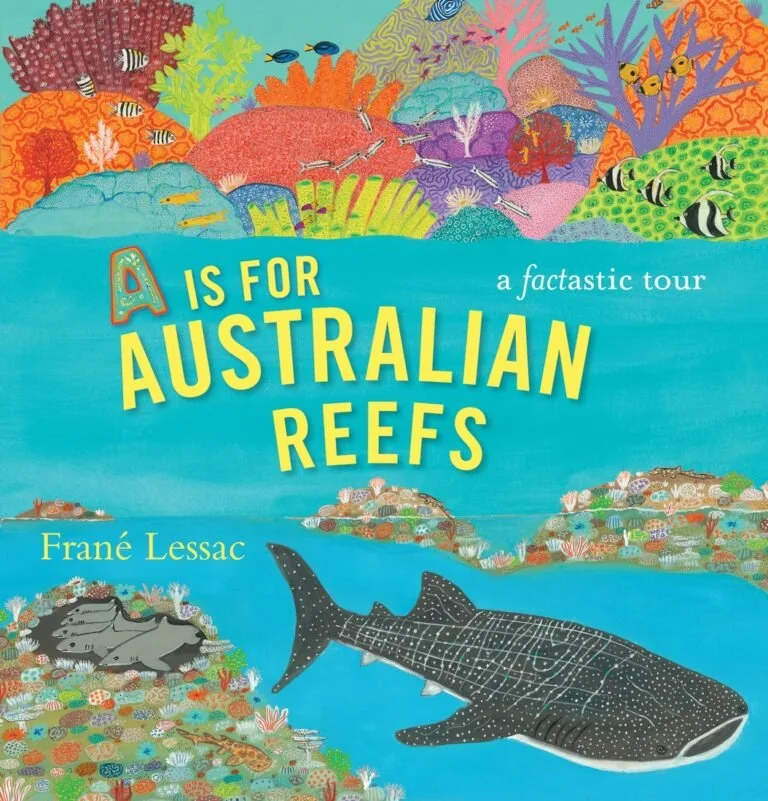
A is for Australian Reefs: A picture book by Frané Lessac that explores Australia's underwater reefs, from sharks and octopuses to dolphins, manta rays, and seahorses. Its creature-by-creature structure gives children a ready cast to assign to toy animals and act out underwater scenes.
A is for Australian Reefs
-
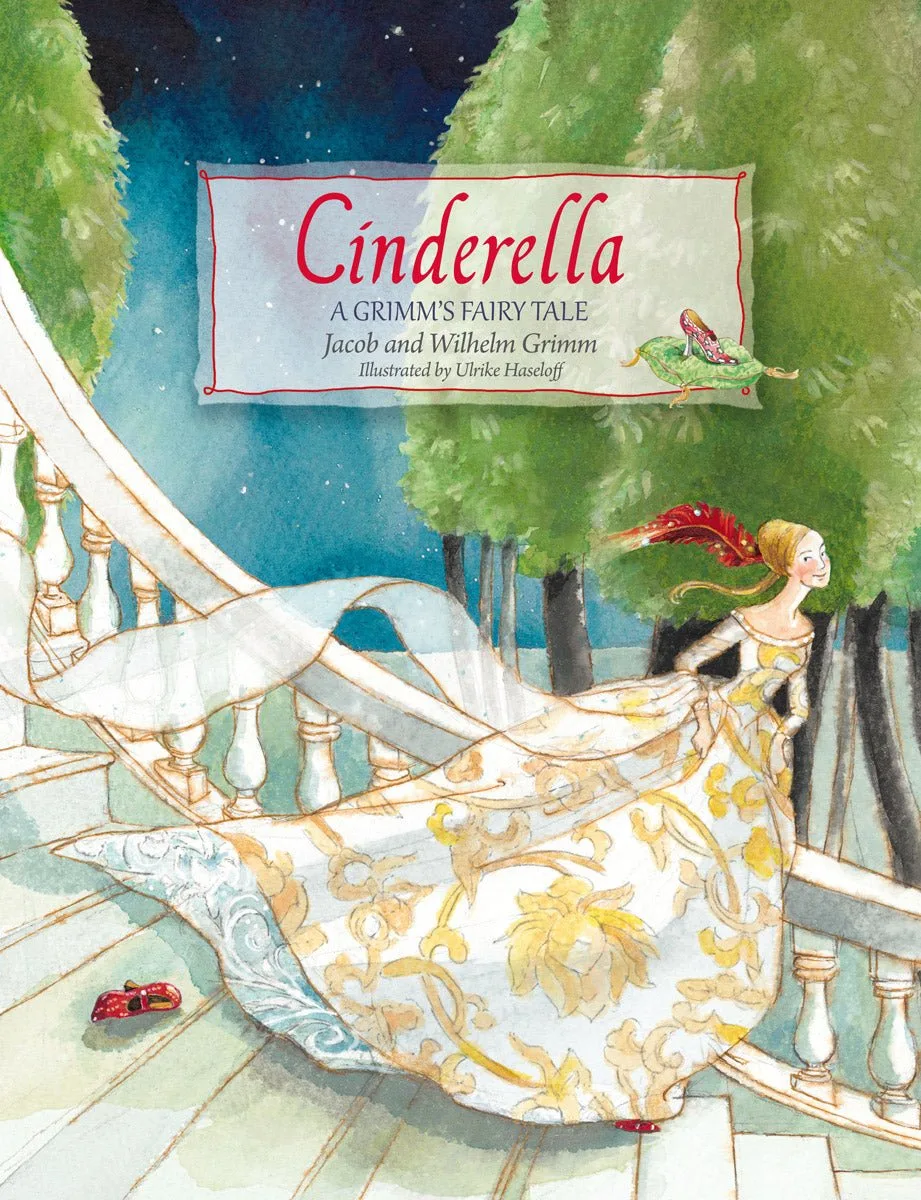
Cinderella: A retelling of Cinderella in which birds bring her a glittering gown and silk slippers so she can attend the King's dance. Because the plot is already familiar, a child can direct the story as a game and invent new endings without losing the thread.
Cinderella
-
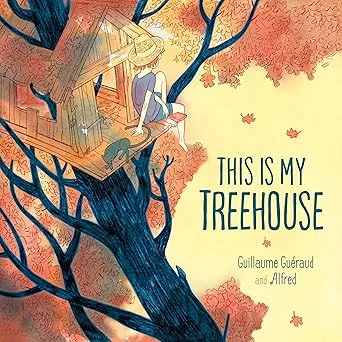
This is My Treehouse: A book about a secret hideaway built in a tall tree from wood, rope, and a grandmother's old parasol. The improvised building materials invite children to gather their own household items and construct a version of the space.
-
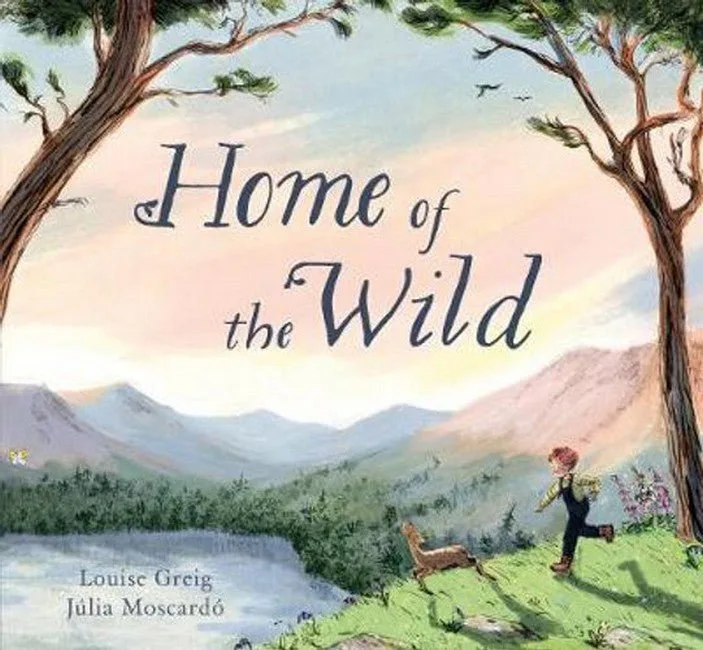
Home of the Wild: A story in which a boy finds an orphan fawn in the spring forest, carries her home, and cares for her as she grows strong. The caretaking relationship gives children a clear role to step into, which is easier to act out than a purely descriptive book.
Who this approach suits
Best for
- Parents who want reading time to lead into independent play
- Families building a small shelf of picture books that get reread rather than skimmed once
- Buying a gift for a child who already invents stories with toys
Not for
- Shoppers looking mainly for early phonics or learn-to-read series
- Buyers who want a single factual reference book rather than a story
- Anyone seeking a book with interactive flaps, sounds, or novelty elements