Quick Answer
Your child is ready for a booster seat when they meet the seat's minimum weight and height requirements, and the vehicle belt fits them correctly. A booster positions the lap belt low across the hips and the shoulder belt across the center of the shoulder, never the neck or stomach. If the belt doesn't fit, keep using a harness.
When to move to a booster seat
Move to a booster only after your child outgrows the harnessed car seat by weight or height, or when the harness no longer fits properly. Most harnessed seats have a maximum weight and height limit; check your seat's manual rather than guessing. A child under 4 years old should not use a booster, even if they meet the weight minimum, because they may not sit still enough for the belt to stay positioned.
Booster seat weight and height requirements
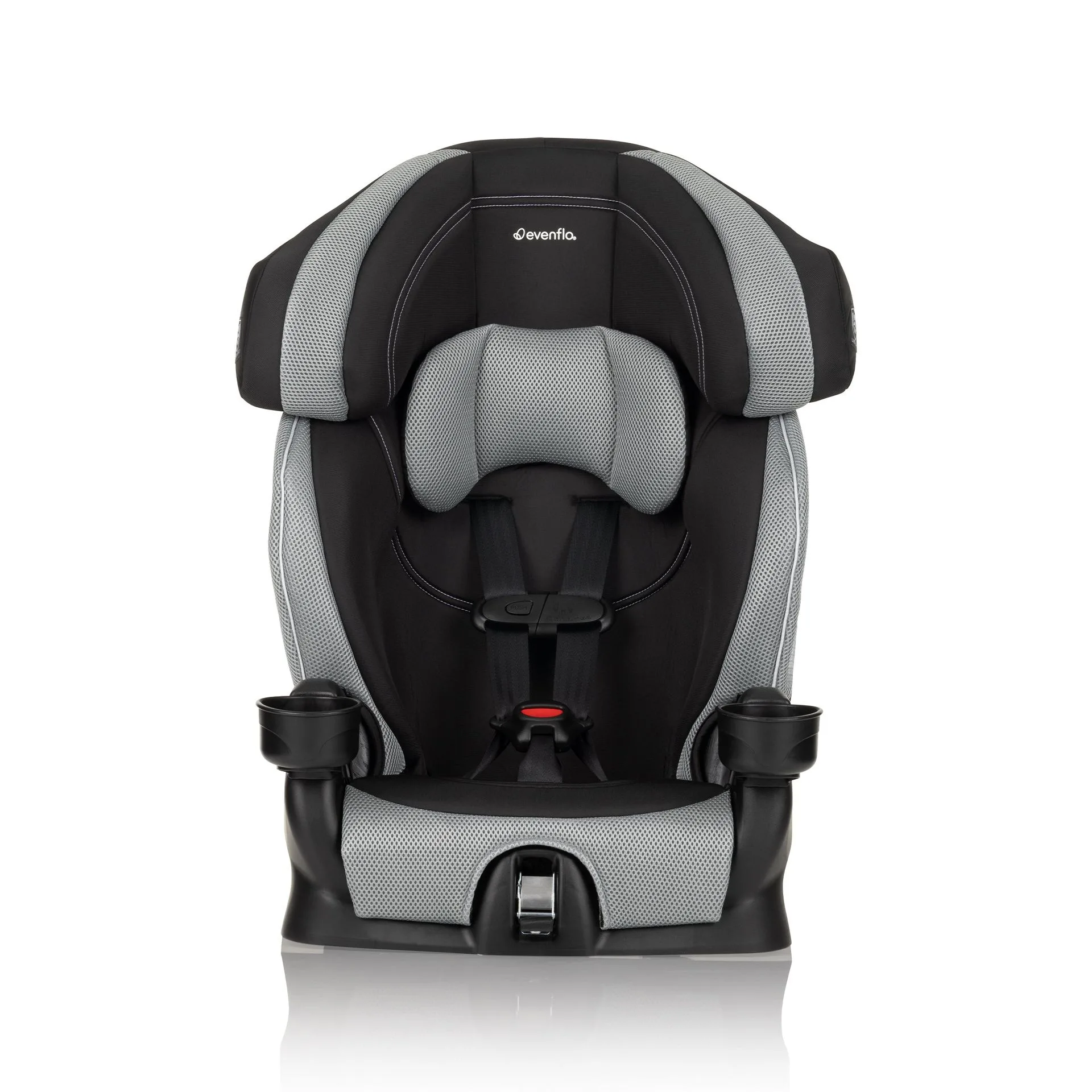
Booster seats are rated by weight and height, and the requirements vary by model and by mode. For example, the Evenflo Chase LX Harnessed Booster converts from a 5-point harness booster for use 30–40 lb to a belt-positioning booster as your child grows. Always follow the specific minimums and maximums printed on your seat and in the manual. If your child is below the minimum weight or height, the booster cannot do its job.
Harnessed booster vs backless booster
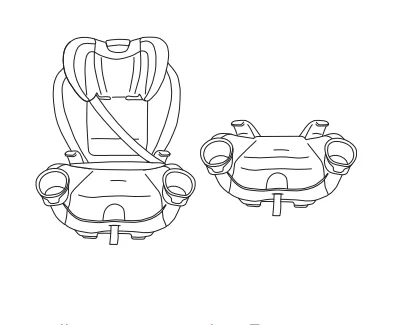
A harnessed booster uses a 5-point harness and is for younger children who still need the extra upper-body support. A backless booster uses the vehicle's lap and shoulder belt and is for older children who can sit upright for the whole ride. A high-back booster offers head and neck support, which helps if your vehicle seat has a low back or no headrest. Choose based on your child's size, maturity, and your vehicle's seating.
How to run a booster seat fit test
Have your child sit all the way back against the vehicle seat. Buckle the lap and shoulder belt. The lap belt should touch the thighs and lie low across the hip bones, not the soft stomach. The shoulder belt should cross the middle of the shoulder and chest, away from the neck. Your child's knees should bend comfortably at the edge of the seat without slouching. If any of these fail, adjust the booster's headrest or belt guide, or keep using a harness.
Common transition mistakes to avoid
Don't rush the transition because your child wants to be like an older sibling. Don't use a backless booster if your vehicle seat lacks a headrest behind your child's head. Don't let the shoulder belt tuck under an arm or behind the back. And don't assume a booster is safe just because your child meets the weight minimum—the belt fit test matters just as much. Recheck the fit as your child grows and as seasons change with bulkier clothing.
Booster Seat Readiness FAQ
What is the minimum weight for a booster seat?
Most booster seats start at 40 lb, but some harnessed boosters begin at 30 lb in harness mode. Check your specific seat's manual for the exact minimum. Never use a booster below the stated minimum weight.
Can my child use a backless booster if the car has no headrest?
No. A backless booster requires a vehicle seat with a headrest behind your child's head to prevent whiplash. Use a high-back booster instead. Check your vehicle's headrests before choosing a backless booster.
How do I know if the seat belt fits correctly?
The lap belt should lie low across the hips, and the shoulder belt should cross the center of the shoulder. If the belt touches the neck or stomach, the fit is wrong. Adjust the booster or keep using a harness until the belt fits.
When can my child stop using a booster?
Your child can stop using a booster when the vehicle belt fits them correctly without it—usually around 4'9" tall and between 8 and 12 years old. Check the belt fit in every vehicle they ride in. The back seat is still the safest place until age 13.
Booster seat features that support a safe transition
- Chase LX Harnessed Booster Car Seat: The Evenflo Chase LX Harnessed Booster converts from a 5-point harness booster for use 30–40 lb to a belt-positioning booster, and its headrest design lets the vehicle belt self-adjust to your child's height in booster mode. One seat can cover the harness stage and the booster stage, and the self-adjusting headrest helps keep the shoulder belt positioned correctly as your child grows.
- EveryFit 4-in-1 Convertible Car Seat Support: The Evenflo EveryFit 4-in-1 Convertible Car Seat accommodates rear-facing beyond 2 years and adjusts to multiple positions without extending the seat or cramping other passengers. If your child is not ready for a booster, a convertible seat can keep them rear-facing longer, which is the safer choice until they meet booster requirements.
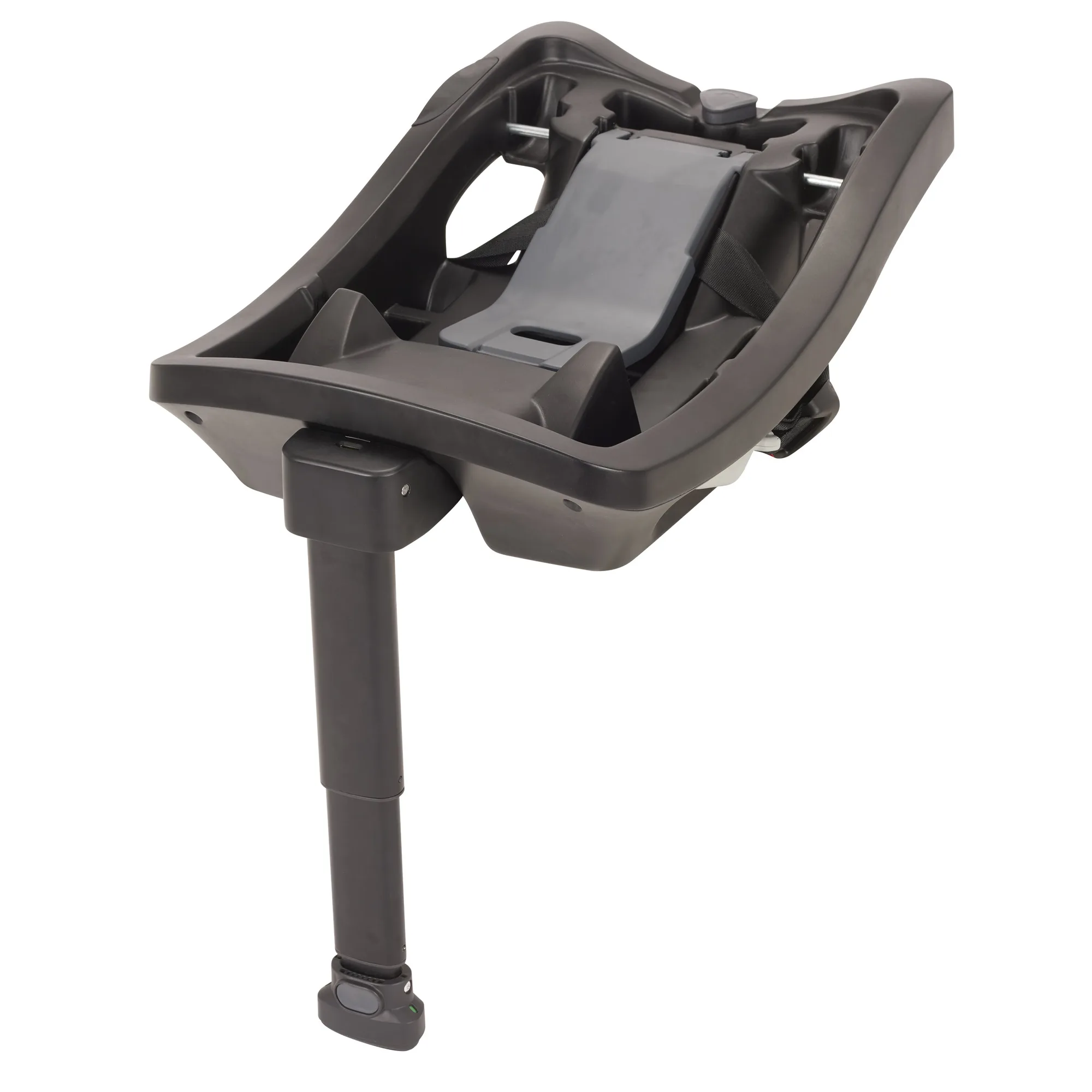
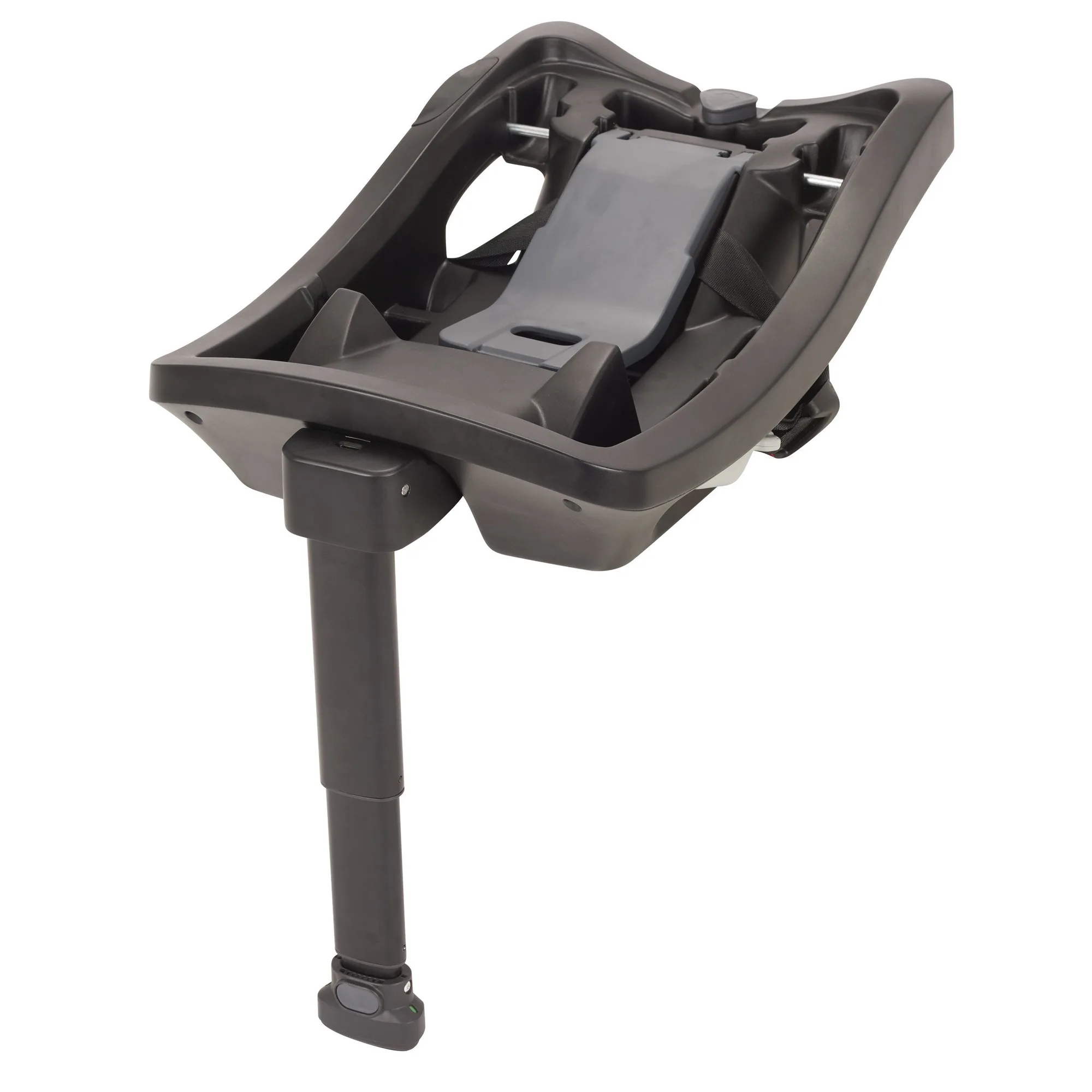
- LiteMax DLX Infant Car Seat Base with LoadLeg: The Evenflo LiteMax DLX Infant Car Seat Base with LoadLeg features an adjustable support load leg with easy-to-read indicators. If you are moving an older child to a booster, a second base for a younger sibling can simplify drop-offs and pickups without moving the infant seat.