Quick answer
Most booster seat safety mistakes come down to three things: moving a child out of a harness too early, routing the seat belt wrong, and skipping the backless-versus-high-back decision. Fix those three and you remove the biggest everyday risks. The booster itself rarely fails; the setup around it does.
Why booster mistakes are so easy to make
Boosters work differently from car seats with harnesses. A harness holds the child in place; a booster only positions the vehicle's lap and shoulder belt across the strongest parts of a child's body. That means every ride depends on the belt sitting correctly, and small setup errors have outsized effects.
The other reason mistakes are common is that readiness is not a single number. Age, weight, and height all matter, and the right answer changes as a child grows. Parents who treat the booster as a one-time purchase rather than a stage to re-check tend to miss the transitions where problems start.
Check belt positioning before every trip
The lap belt should sit low across the upper thighs, not across the soft belly. The shoulder belt should cross the middle of the shoulder and chest, never the neck or the face. If the belt rides up on the stomach, the child can slide under it in a crash, which is the exact injury a booster is meant to prevent.
Do a quick check each time: buckle, tug the belt snug, and look at where it lands. If the shoulder belt crosses the neck, a high-back booster with a belt guide usually solves it. If the lap belt floats above the thighs, the booster may be too small or the child may not be ready yet.
Match the booster type to your child and your car
High-back boosters add head and neck support and include a shoulder belt guide, which helps in vehicles with low seat backs or seats without head restraints. Backless boosters are smaller, easier to move between cars, and fine when the vehicle seat already provides head support and the belt routes correctly on its own.
The choice is not about which is safer in general. It is about which one puts the belt in the right place in your specific back seat. If you are unsure, start with a high-back and switch to backless only after confirming the vehicle's head restraint and belt geometry work for your child.
Do not rush the move out of a harness
A harness distributes crash forces across a wider area than a lap and shoulder belt. Moving a child into a booster before they can sit still for the whole ride, keep the belt in place, and meet the seat's minimum requirements removes that advantage. Fidgeting is not a discipline problem; it is a readiness signal.
Use the booster's stated minimums as a floor, not a target. If your child slouches, pulls the shoulder belt under an arm, or unbuckles mid-trip, they are not ready, no matter what the calendar says.
Booster myths, verdicts, and fixes
- Myth: My child is 8, so they can stop using a booster.: Age alone does not determine readiness. A child needs to meet the booster's height and weight requirements and pass the seat belt fit test in each vehicle they ride in. Verdict: Myth. Re-check fit in every car, not just the family vehicle.
- Myth: Backless boosters are just as safe as high-back boosters.: Both can be safe, but they are not interchangeable. High-back boosters add head support and a shoulder belt guide; backless boosters rely on the vehicle seat to provide those things. Verdict: Depends on the vehicle. Match the booster to the seat, not to convenience.
- Myth: The lap belt should sit across the stomach.: The lap belt belongs low on the upper thighs. A belt across the belly can cause internal injuries in a crash because it presses on soft tissue instead of the pelvic bones. Verdict: Myth. Check belt placement every ride.
- Myth: Once the booster is installed, you do not need to adjust it.: Children grow, clothing changes with the seasons, and seat belts can loosen. Belt routing that was correct last month may be wrong today. Verdict: Myth. Re-check the fit as your child grows and after any seat change.
- Myth: A booster is only for long trips.: Every ride carries risk, and short trips are where parents most often skip the booster because the child is 'just going a few blocks.' Verdict: Myth. Use the booster on every trip, no matter the distance.
Product facts
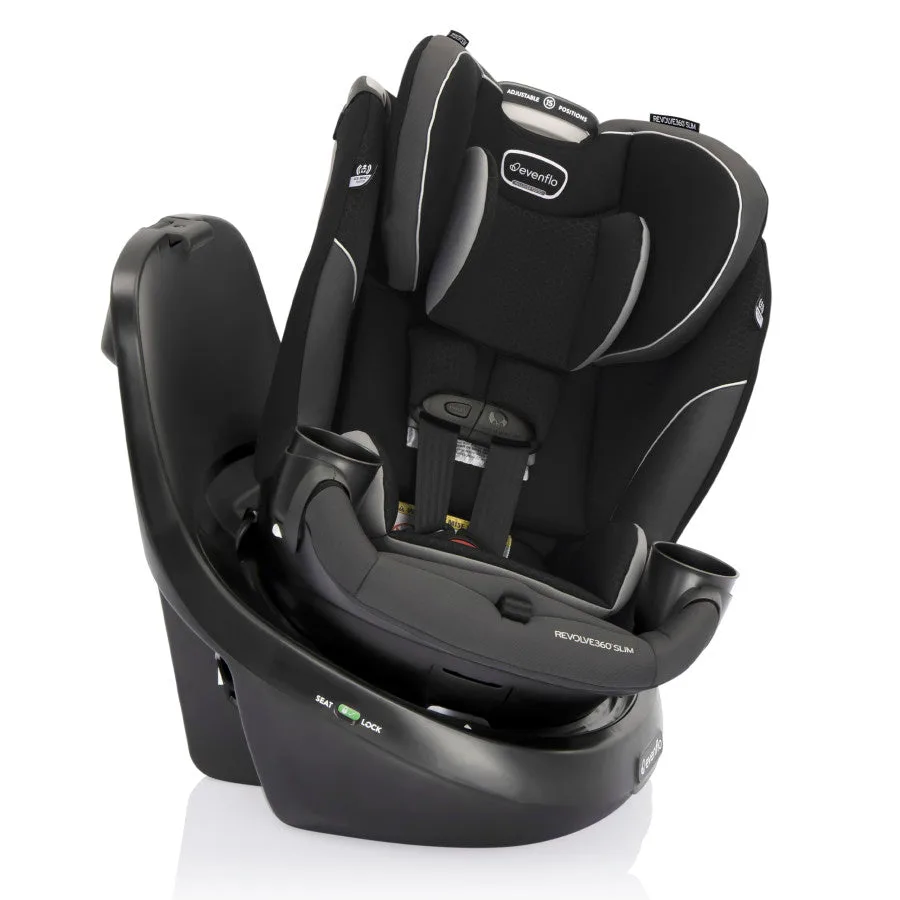
- Revolve360 Slim 2-in-1 Rotational Convertible Car Seat Support: The Evenflo Revolve360 Slim 2-in-1 rotational convertible car seat has a 16.7-inch footprint and is designed to keep seating space for the child while fitting a compact vehicle. A narrower seat leaves more room for a booster-age sibling or a passenger, which matters when you are juggling multiple children in a small back seat.
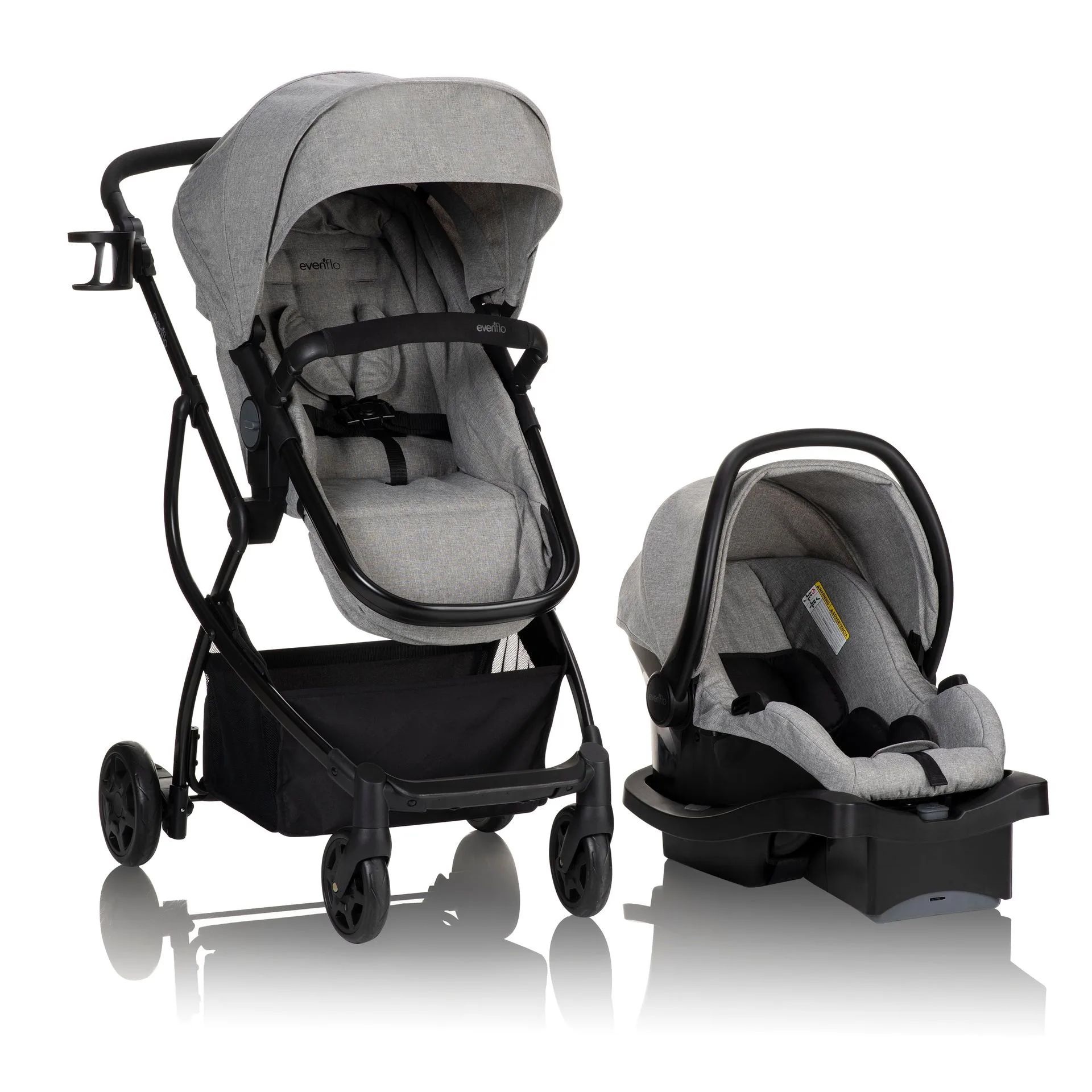
- Omni Plus Modular Travel System with LiteMax Sport Rear-Facing Infant Car Seat Support: The Evenflo Omni Plus Modular Travel System with LiteMax Sport rear-facing infant car seat supports children up to 50 lb and includes a higher toddler seat position. If you are still using an infant seat and stroller for a younger child, this system covers the earlier stages so you can focus booster decisions on the older child.