Quick Answer
Boron is a trace mineral that helps your body use calcium and magnesium for bone health. Most adults can consider a daily boron supplement of 3–6 mg, often paired with calcium and magnesium for better absorption. Look for a bioavailable form from a trusted brand, and consult your healthcare provider if you have kidney issues or take hormone-sensitive medications.
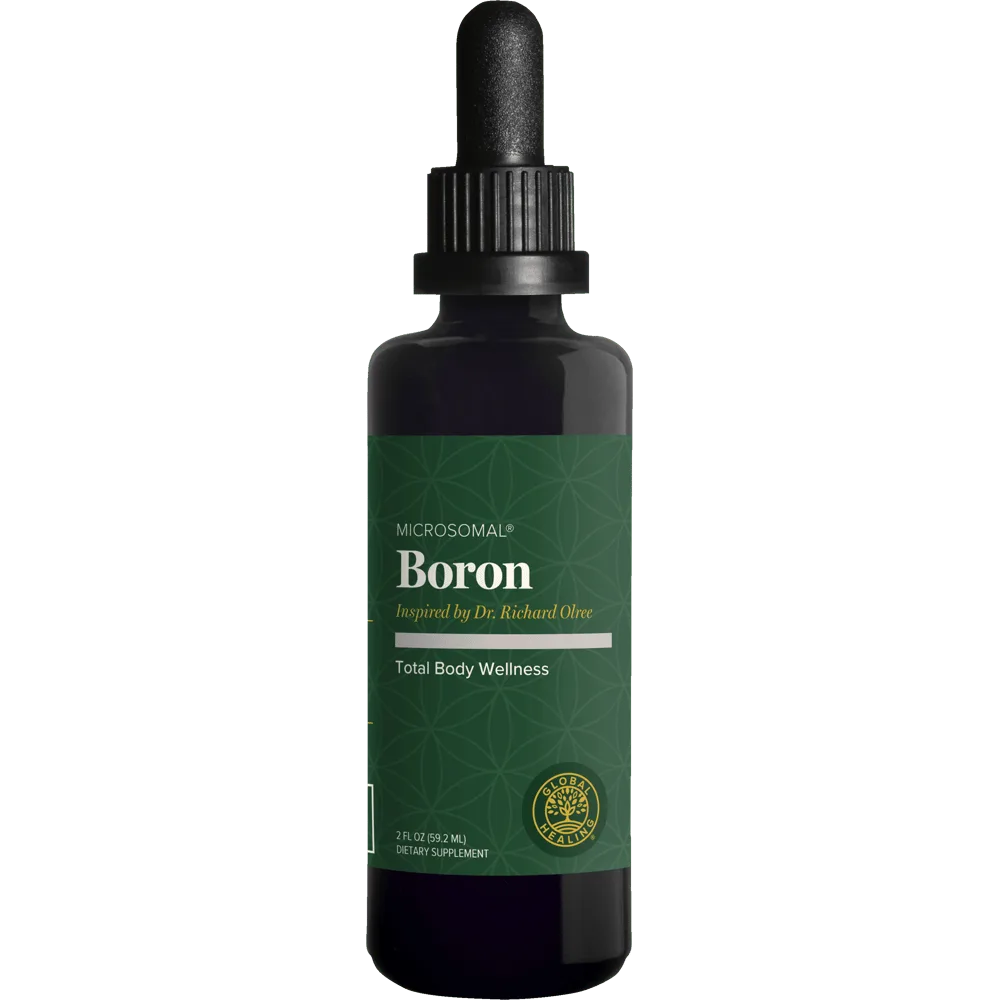
Boron
When you think about bone health, calcium and vitamin D probably come to mind first. But there's a lesser-known mineral that plays a supporting role: boron. This trace element helps your body retain calcium and magnesium, which are essential for maintaining strong bones and teeth.
Boron is found in small amounts in foods like prunes, raisins, almonds, and avocados, but many people don't get enough from diet alone. If you're already taking calcium and magnesium for bone support, adding boron might help you get more from those supplements.
What Does Boron Do for Bone Health?
Boron's main role in bone health is helping your body use calcium and magnesium more efficiently. Research suggests that boron can reduce the amount of calcium lost through urine and may support the activity of vitamin D, which is crucial for calcium absorption.
Boron also plays a part in hormone balance, including estrogen and testosterone. These hormones influence bone density, especially in women after menopause. That's why boron is sometimes discussed in the context of arthritis and joint health, though more research is needed to confirm its effects on joint pain.
- Boron may help reduce calcium loss, making your calcium supplement work harder.
- It supports vitamin D metabolism, which is essential for calcium absorption.
- Boron's influence on hormones may benefit bone density, especially in older adults.
How Much Boron Should You Take?
There is no official recommended daily allowance for boron, but studies have used doses from 3 mg to 6 mg per day with positive results. Most boron supplements come in 3 mg capsules, making it easy to start with a low dose and adjust if needed.
It's important to note that boron is water-soluble, so excess amounts are usually excreted in urine. However, very high doses (more than 20 mg per day) can cause digestive upset. Stick to the label directions and talk to your doctor if you have kidney disease or are taking hormone therapy.
- Start with 3 mg per day and monitor how you feel.
- Take boron with meals to reduce any stomach discomfort.
- Avoid exceeding 10 mg per day unless supervised by a healthcare provider.
Pairing Boron with Calcium and Magnesium
Boron works synergistically with calcium and magnesium. While calcium is the building block of bone, magnesium helps convert vitamin D into its active form, which then helps absorb calcium. Boron supports this process by reducing calcium loss and enhancing magnesium retention.
If you're already taking a calcium and magnesium supplement, adding boron can be a logical next step. Look for a boron supplement that is easy to absorb and gentle on the stomach. Liquid formulas are often well-tolerated and can be taken alongside your existing mineral routine.
- Pair boron with a calcium and magnesium supplement for comprehensive bone support.
- Choose a boron supplement with a simple, clean ingredient list.
- Consider taking boron and minerals at different times of day to avoid competing for absorption.
Your Boron Supplement Decision Rules
- Start with dosage: Choose a supplement that provides 3–6 mg of boron per serving. This range is supported by research and is safe for most adults. Look for a 3 mg option to start low and adjust if needed.
- Check the form: Boron is available as sodium borate, boron citrate, or boron glycinate. Citrate and glycinate forms are generally well-absorbed and gentle on the stomach. Opt for a chelated or citrate form for best absorption.
- Pair with minerals: Boron works best when combined with calcium and magnesium. If you're not already taking these, consider a combined formula or take them together. Use boron as a complement to, not a replacement for, calcium and magnesium.
- Check for allergies and additives: If you have food sensitivities, choose a supplement that is free from common allergens like gluten, soy, and dairy. Vegan capsules are also available. Read the label for allergen information and choose a clean formula.
Products That Support Bone Health
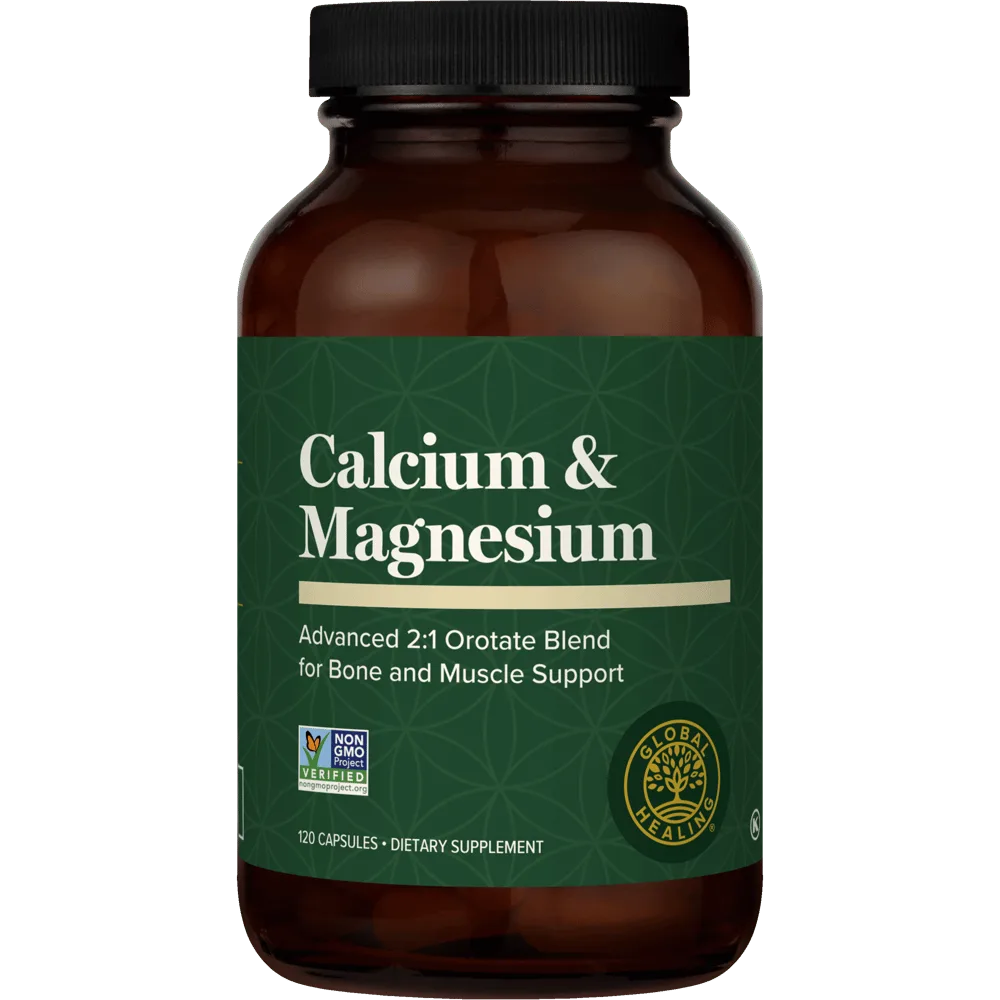
- Calcium & Magnesium Canada: Unleash the boundless potential of calcium and magnesium to fortify your bones and teeth, especially as time progresses, through the introduction of our extraordinary formula. Experience unrivaled absorption and unmatched benefits with our potent blend, meticulously crafted in a 2:1 ratio of calcium orotate and magnesium orotate. This remarkable combination supports the maintenance of normal bone density and aids in... This 2:1 calcium-to-magnesium ratio is designed for optimal bone support, and the orotate form is known for superior absorption. Pairing it with boron can help you get even more from these minerals.
- Zinc: From your immune system to hormone balance, zinc affects hundreds of essential biological functions. Global Healing Zinc helps you meet your daily requirement of this important nutrient, and even goes a few key steps farther. Our liquid formula contains zinc derived from guava leaves, enhanced with Ormus Supercharged Minerals for increased bioavailability, and is all-natural and gentle on your stomach. Zinc is another trace mineral that supports bone health by aiding in collagen synthesis and bone mineralization. A liquid formula with enhanced bioavailability may be easier to absorb, especially if you have digestive sensitivities.
Who Should Consider Boron?
Best for
- Adults looking to support bone density, especially postmenopausal women.
- People already taking calcium and magnesium who want to enhance absorption.
- Those interested in natural ways to support joint and bone health.
Not for
- Pregnant or breastfeeding women without medical supervision.
- Individuals with kidney disease or a history of kidney stones.
- People taking hormone-sensitive medications without consulting a doctor.
Boron may not get as much attention as calcium or vitamin D, but it plays a valuable supporting role in bone health. By helping your body use calcium and magnesium more effectively, boron can make your existing mineral routine work harder. If you're looking to support your bones naturally, consider adding a boron supplement to your daily regimen, and always choose a high-quality product from a trusted source.