Quick answer
Choose botanical perfume if you prefer natural, skin-friendly scents and don't mind shorter wear; choose synthetic if you need maximum longevity and projection.
Scent profile: natural complexity vs. synthetic consistency
Botanical perfumes rely on essential oils, which create a more layered, living scent that can evolve differently on your skin. Synthetic fragrances are engineered to smell the same every time, offering predictability but often lacking the subtle depth of natural ingredients.
For example, a floral bouquet perfume built from essential oils like peony, rose, and jasmine gives a fresh, romantic impression that feels closer to a real garden. A rose spice perfume with warm spice notes adds an alluring, sensual twist that synthetic blends often try to copy but rarely match.
Longevity trade-off: natural doesn't always last
Essential oils evaporate at different rates, so botanical perfumes tend to have a softer sillage and shorter wear time than synthetic formulas, which are designed to cling to skin for hours. If you need a scent that lasts through a full workday, you may need to reapply a botanical perfume more often.
That said, some botanical blends are formulated to be long-lasting. Check the product description for terms like 'long-lasting' to find options that balance natural ingredients with better staying power.
Skin sensitivity and aromatherapy benefits
Synthetic perfumes often contain phthalates and artificial musks that can irritate sensitive skin. Botanical perfumes made with organic ingredients are generally gentler and can provide aromatherapy benefits, like calming or uplifting effects, from the essential oils themselves.
If you have allergies or prefer clean fragrance, botanical is the safer bet. But note that even natural essential oils can be allergens for some people, so always patch-test a new fragrance.
Botanical vs. synthetic: trade-offs at a glance
- Ingredient transparency: Botanical perfumes list essential oils and organic ingredients; synthetic often hides behind 'fragrance' on labels. Trade-off: you know what you're wearing, but natural ingredients can be costlier. Check the ingredient list before buying—look for 'essential oils' or 'organic'.
- Scent evolution: Botanical scents change on your skin over time; synthetic stays consistent. Trade-off: natural feels more personal, but synthetic is more predictable.
- Longevity and projection: Synthetic lasts longer and projects more; botanical fades faster but is gentler. Trade-off: reapply natural or choose a long-lasting botanical blend. If you pick botanical, plan to reapply after 4-6 hours.
Two botanical options to consider
-
Hello Sexy! Botanical perfume. Alluring rose spice aroma.: Hello Sexy! Botanical perfume blends sensual rose and warm spice with essential oils and is made from organic ingredients. If you want an alluring, romantic scent with aromatherapy benefits, this rose spice perfume offers a natural alternative to synthetic spicy florals.
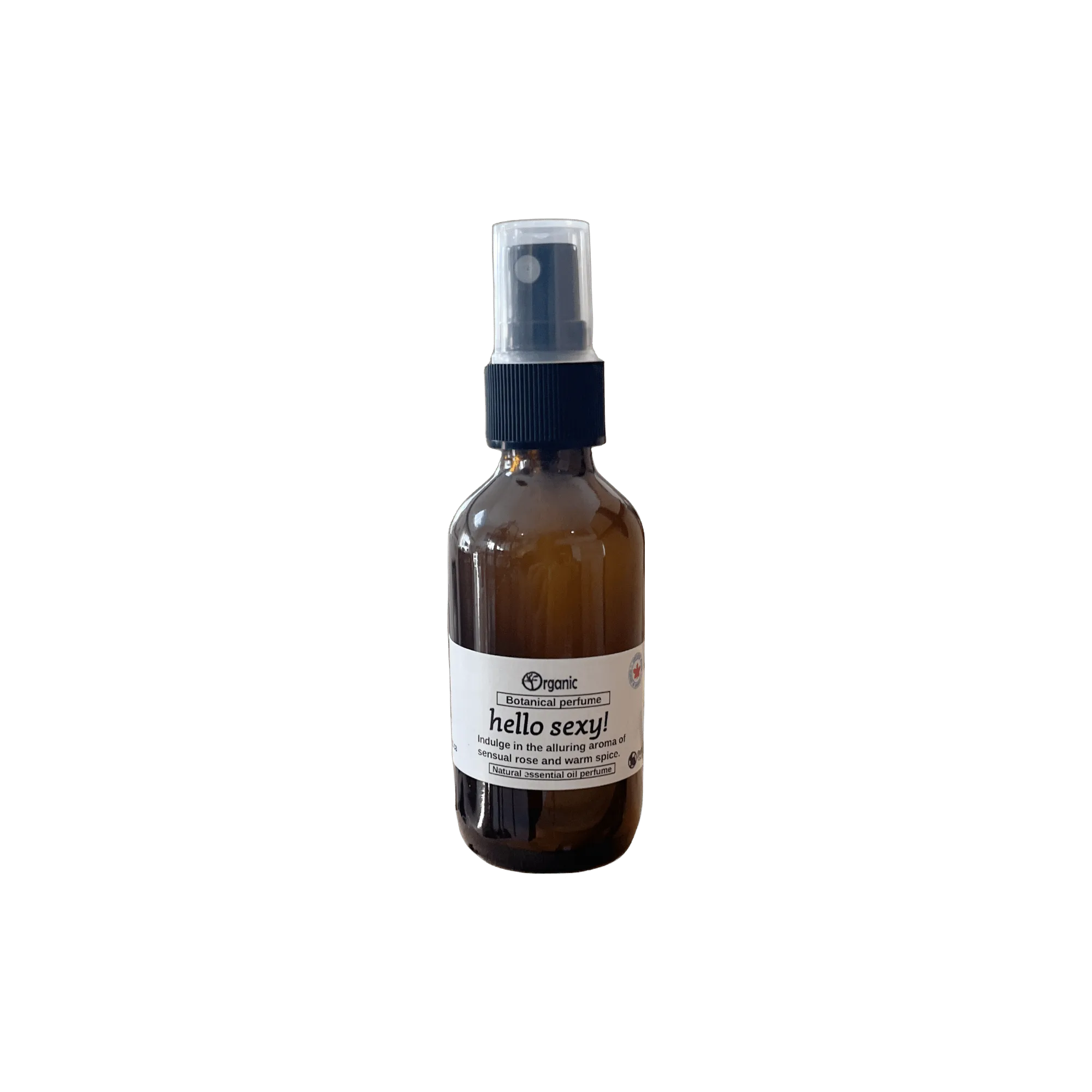
Hello Sexy! Botanical perfume. Alluring rose spice aroma.
-
Divine botanical floral bouquet perfume: Divine botanical perfume features a floral bouquet of 7 essential oils, including peony, rose, jasmine, and geranium, and is described as long-lasting. This floral bouquet perfume gives a fresh, romantic feel while addressing the longevity concern, making it a good pick if you want natural but lasting wear.
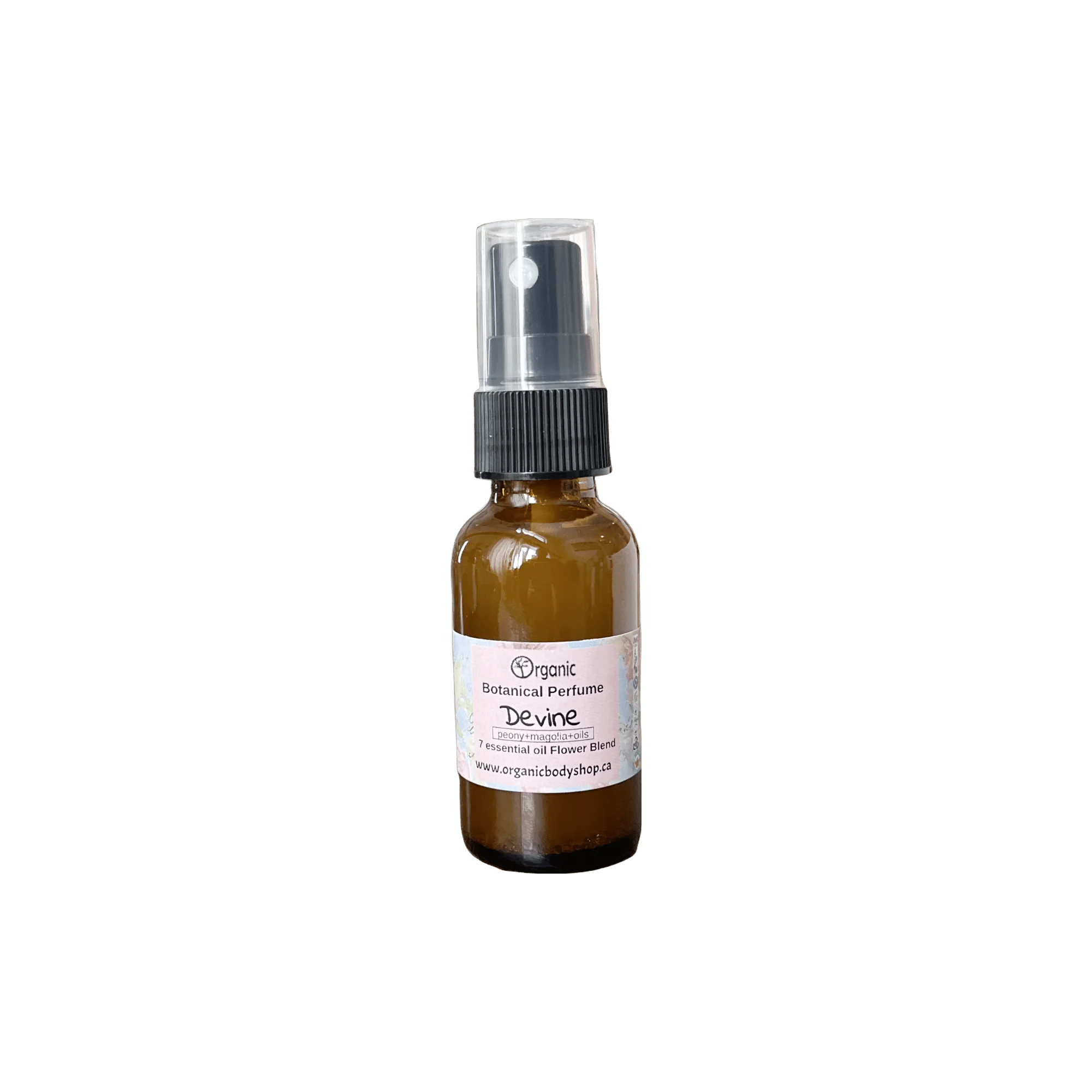
Divine botanical floral bouquet perfume
Which should you choose?
Best for
- People with sensitive skin who prefer clean, organic ingredients
- Those who enjoy evolving, natural scents and don't mind reapplying
Not for
- Anyone needing a single application to last all day in high-heat or active settings
- Those who want a bold, consistent scent trail without touch-ups