Quick Answer
Making your own herbal bitters is surprisingly simple: steep a blend of bitter herbs, aromatics, and alcohol for two to four weeks, then strain and bottle. Start with a basic digestive bitters recipe using gentian root, orange peel, and cardamom, and adjust the botanicals to suit your taste and health goals.
If you've ever wondered how to make herbal bitters, the process is more approachable than you might think. A classic cocktail staple and a traditional digestive aid, bitters are simply concentrated extracts of botanicals in alcohol. By crafting your own, you control the flavor and the function, tailoring each batch to your palate and wellness needs.
Whether you're aiming for a bright, citrusy blend to elevate your evening cocktail or a grounding, earthy formula to sip after a heavy meal, this bitters making guide walks you through the essentials. You'll learn the key botanicals, the basic method, and common pitfalls to avoid—so your first batch turns out beautifully.
Understanding Bitters: Flavor and Function
Bitters are more than just a cocktail ingredient; they're a time-honored herbal remedy. The bitter taste itself stimulates digestion by triggering saliva and gastric juices, which is why digestive bitters are often taken before or after meals. Beyond the digestive benefits, bitters add complexity and balance to drinks, rounding out sweetness and enhancing other flavors.
When you make your own, you can choose botanicals that align with your goals. For a classic aromatic profile, gentian root, cinchona bark, and wormwood provide the bitter backbone. For a more approachable, citrus-forward blend, orange peel, lemon zest, and cardamom offer brightness and warmth. The key is to balance bitter, sweet, and aromatic elements to create a harmonious extract.
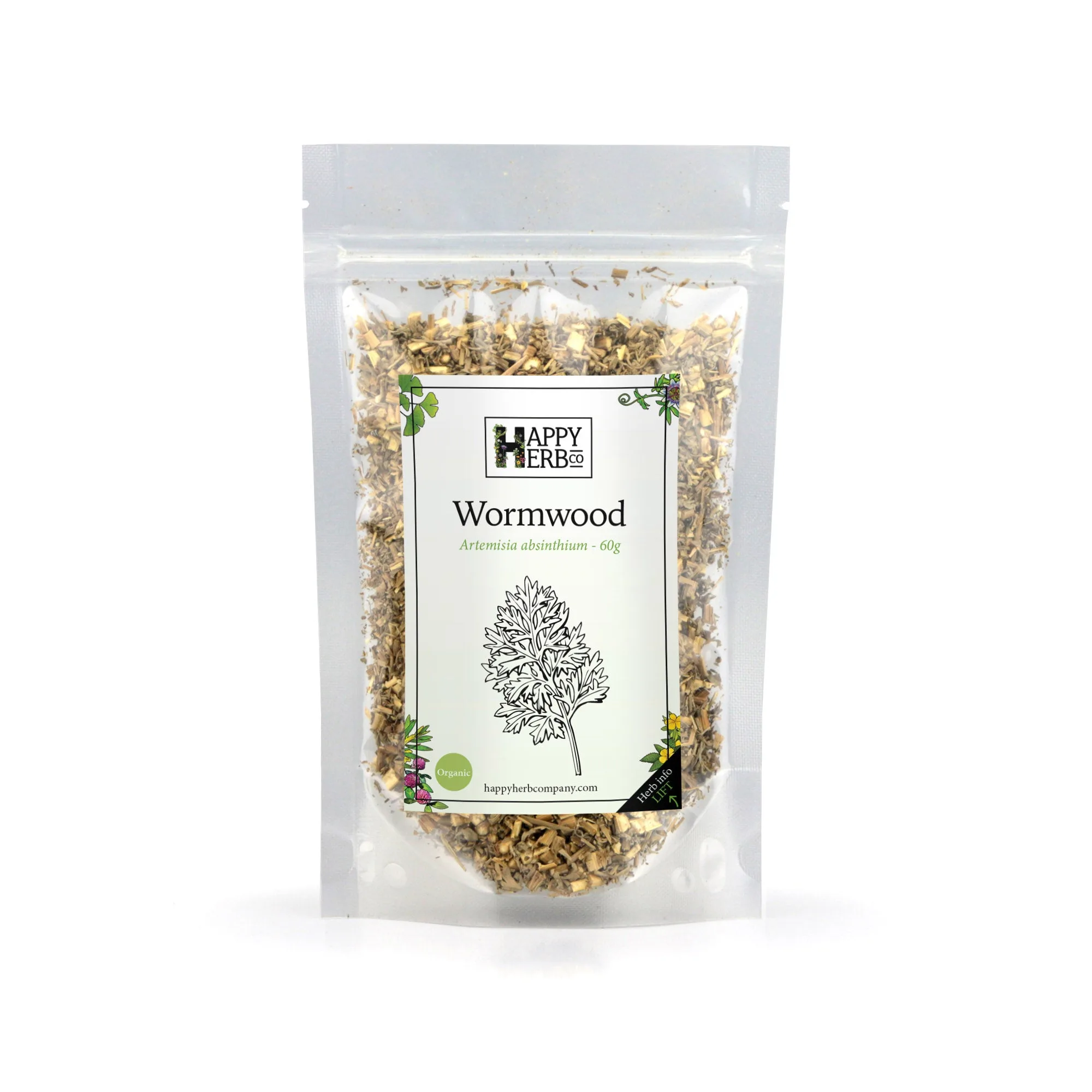
wormwood
- Start with a small batch (one cup of alcohol) to test flavors before scaling up.
- Use high-proof alcohol (at least 80 proof) for efficient extraction and preservation.
Choosing Your Botanicals
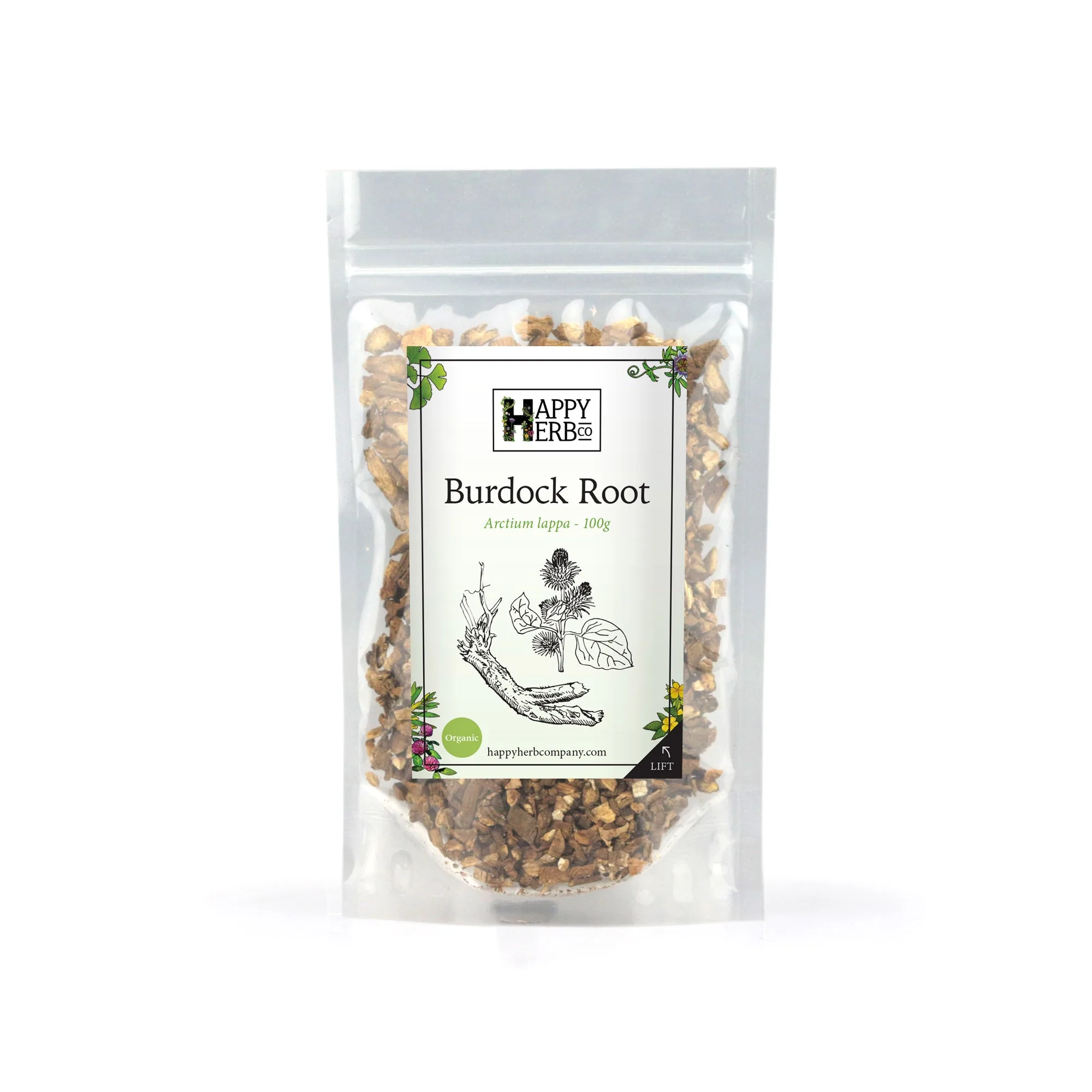
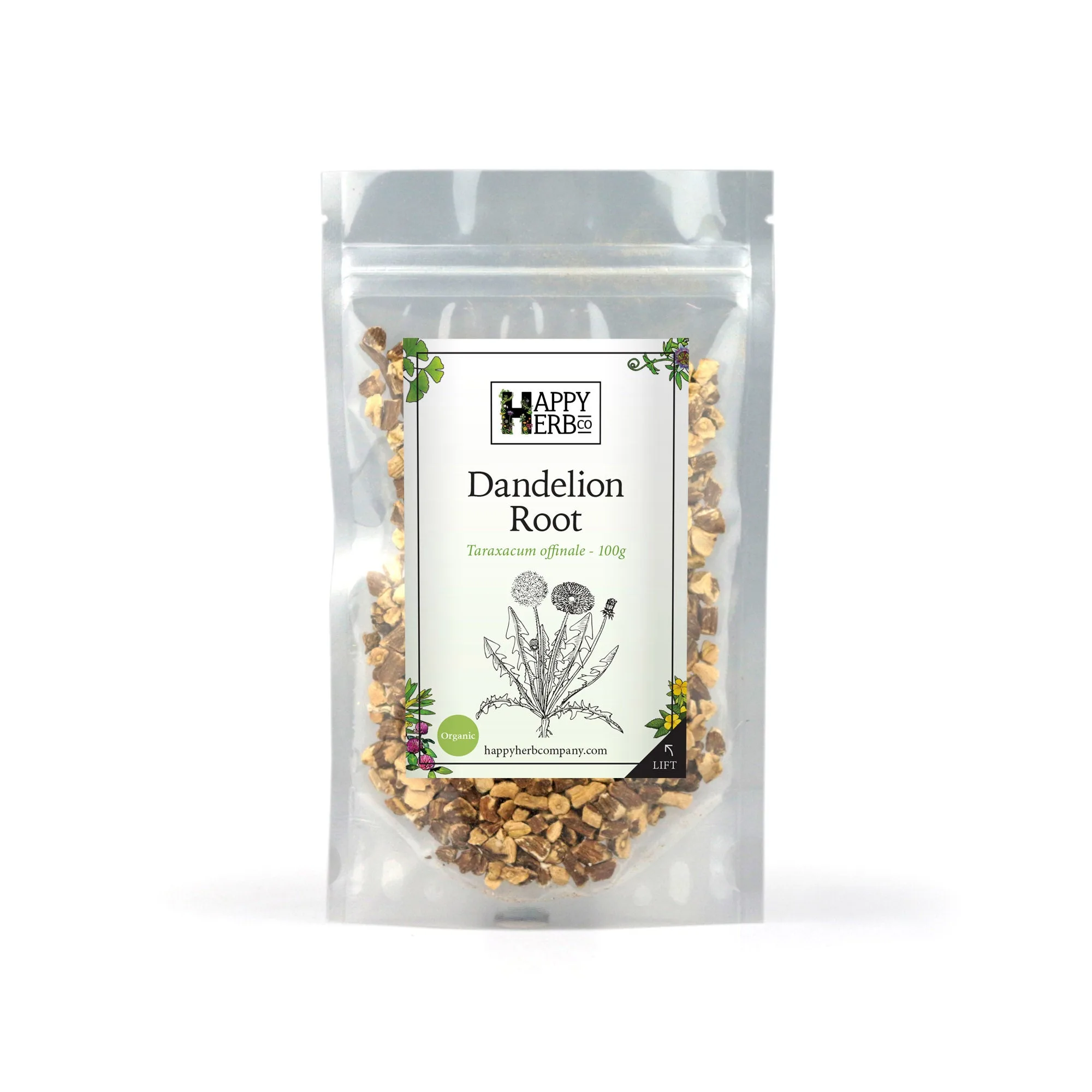
The world of botanicals for bitters is vast, but you don't need a huge pantry to begin. Essential bittering agents include gentian root, dandelion root, and burdock root, all known for their digestive properties. Aromatic herbs like cinnamon, cloves, and cardamom add warmth, while citrus peels lend a fresh, zesty note.
For a simple digestive bitters recipe, combine equal parts gentian root and dried orange peel, with a few cardamom pods and a cinnamon stick. You can also experiment with more exotic ingredients like star anise, fennel seeds, or even dried rose petals for a floral twist. The key is to keep the bitter element dominant but not overwhelming.
- Buy botanicals in small quantities from reputable suppliers to ensure freshness.
- If you're new to bitter flavors, start with a smaller amount of bittering agent and adjust later.
The Basic Method: Step-by-Step
Making bitters is a simple infusion process. First, lightly crush your botanicals to increase surface area. Place them in a clean glass jar and cover completely with high-proof alcohol, such as vodka or grain alcohol. Seal the jar tightly and store it in a cool, dark place, shaking it every few days.
After two to four weeks, the alcohol will have extracted the flavors and active compounds. Strain the liquid through a fine-mesh strainer lined with cheesecloth, pressing the solids to extract every drop. You can then bottle your bitters in small dropper bottles for easy use. The result is a concentrated extract that will keep for years.
- Label your jar with the date and ingredients to track your batches.
- If the flavor is too strong, dilute with a little water or alcohol to your taste.
Your First Batch: A Step-by-Step Guide
- Gather Your Ingredients and Tools: You'll need a clean glass jar with a tight lid, high-proof alcohol (like vodka or grain alcohol), your chosen botanicals (e.g., gentian root, orange peel, cardamom), and a fine-mesh strainer or cheesecloth. Measure your botanicals roughly: about 1 part bittering agent to 2 parts aromatic and 3 parts flavoring is a good start. Checkpoint: Ensure all your botanicals are dry and free from mold. Using fresh, high-quality ingredients makes a noticeable difference.
- Prepare the Botanicals: Lightly crush or chop larger roots and barks to increase surface area. This helps the alcohol extract flavors more efficiently. You can use a mortar and pestle or simply place them in a bag and gently tap with a rolling pin. Don't pulverize them into powder, as that can make straining difficult. Checkpoint: Avoid over-crushing. You want pieces about the size of a peppercorn, not dust.
- Combine and Infuse: Place the botanicals in the jar and pour the alcohol over them, ensuring they are fully submerged. Seal the jar tightly and shake gently. Store in a cool, dark place for 2-4 weeks. Shake the jar every few days to encourage extraction. Checkpoint: If you're impatient, you can taste after 2 weeks, but longer infusions extract more depth. Don't leave it for more than a month, as it may become overly bitter.
- Strain and Bottle: After the infusion period, strain the liquid through a fine-mesh strainer lined with cheesecloth. Squeeze the solids to extract as much liquid as possible. Discard the spent botanicals. Pour the bitters into amber dropper bottles for storage. Label with the date and contents. Checkpoint: Taste your bitters before bottling. If they're too strong, you can dilute with a little neutral alcohol or water. If too weak, you can add more botanicals and re-infuse for a week.
- Use and Enjoy: Your homemade bitters are ready to use. Add a few drops to sparkling water for a digestive aid, or use them in cocktails like an Old Fashioned or Manhattan. Start with 2-3 dashes and adjust to taste. Checkpoint: Remember that bitters are concentrated. A little goes a long way. Store in a cool, dark place and they'll keep for years.
Herbal Allies for Your Bitters Journey
- Breast Health Tea: These teas are the latest addition to the growing range of products from Natural Breast Care. The creator is our longest serving team member here at Happy Herb Co - Sue McKenna. In collaboration with Happy Herbs Co herbalist, Tamara Welsh, these teas have been designed to support the health of our breasts with a daily cuppa! The Earthy Blend aims to support the breast tissue via gently enhancing detoxification and... While not a bitter, this tea shows how herbs can be tailored to specific wellness goals. When making your own bitters, consider how you might blend botanicals for your own health needs, just as this tea was crafted for breast health.
- Bundled Chill: It is time to relax and shift to a more balanced way of living. Pooh bear can provide some timless wisdom, while we provide you with the herbs to unwind, take the edge off or kick off your weekend in the right state of mind. Kava is a potent relaxant, taking the edge off any social anxiety, while Damiana Delight enhances mood and improves connection with friends or lovers. Stress Less Tea is our go to for any time... This bundle illustrates how herbs can be combined for a specific effect—relaxation and mood enhancement. Similarly, you can craft bitters that are not only digestive but also calming, using herbs like chamomile or lemon balm in your blend.
- Tao of Pooh: the principles of Taoism demonstrated by Winnie-the-Pooh: The Tao of Pooh. The how of Pooh? The Tao of who? The Tao of Pooh! Winnie-the-Pooh has a certain Way about him, a way of doing things which has made him the world's most beloved bear, and Pooh's Way, as Benjamin Hoff brilliantly demonstrates, seems strangely close to the ancient Chinese principles of Taoism. While Eeyore frets... and Piglet hesitates... and Owl pontificates... Pooh just is. The Tao of Pooh... This book offers a gentle philosophy of simplicity and being present, which is a lovely mindset for the slow, patient process of making bitters. It reminds us to enjoy the journey and not rush the infusion.
Making your own herbal bitters is a rewarding and creative process that connects you to the traditions of herbalism and mixology. With just a few botanicals and a bit of patience, you'll craft a unique, personal elixir that elevates your drinks and supports your digestion. So gather your ingredients, embrace the art of infusion, and enjoy the fruits of your labor.