When you're juggling work, workouts, and everything in between, getting enough protein can feel like another chore. Two popular options—bottled protein shakes and protein powder—both promise convenience, but they serve different needs. This comparison breaks down the real-world tradeoffs so you can choose the right fuel for your routine.
We'll look at factors like prep time, portability, cost per serving, and taste. Whether you're a gym-goer who needs a post-workout fix or a busy professional grabbing breakfast on the run, understanding the differences will help you make a smarter choice.
Ready-to-Drink Protein Shakes: Grab and Go
Bottled protein shakes are exactly what they sound like: pre-mixed, sealed, and ready to consume. No shaking, no measuring, no cleaning. Just twist the cap and drink. This makes them ideal for situations where you have zero time or access to a blender—think post-workout in the locker room, during a commute, or between meetings.
The main drawback is cost. Ready-to-drink shakes typically cost more per gram of protein than powder. They also generate more packaging waste, and you're limited to the flavors and protein sources the brand offers. For example, Grenade's bottled protein shakes come in several flavours, but if you prefer a different taste or want to control sweetness, powder gives you more flexibility.
- Best for: travel, office, gym bag, or any scenario without a shaker or water source.
Powder Protein Shakes: Customizable and Cost-Effective
Powder protein shakes require a bit more effort: scoop, shake or blend with liquid, then drink. But that extra minute gives you control over consistency, flavour intensity, and mix-ins like fruit or peanut butter. Over time, powder is significantly cheaper per serving, especially if you buy in bulk.
The downside? You need a shaker bottle or blender, plus a clean water source. Cleaning your shaker immediately after use is a must to avoid sour smells. For some, the prep and cleanup outweigh the savings. However, if you're at home or have a gym with a water fountain, powder is a no-brainer for most daily protein needs.
- Tip: Pre-portion powder into small containers to speed up prep when you're on the go.
Convenience Showdown: When Each Wins
Let's get specific. If you're heading straight from work to the gym and then to dinner, a bottled protein shake fits in your bag and requires zero planning. You can drink it while walking. On the other hand, if you're at home and have 60 seconds, mixing a scoop of powder with water or milk is almost as fast—and much cheaper.
For long trips or days without fridge access, shelf-stable bottled shakes are more reliable. Powder can clump or spill, and you need a clean bottle. But for daily use at a desk or home gym, powder wins on value. The choice really comes down to how many 'zero-effort' moments you need per week.
- Scenario 1: 5 a.m. gym session → bottled shake in the car. Scenario 2: afternoon snack at home → powder shake in 30 seconds.
Taste and Texture: Does One Taste Better?
Taste is subjective, but ready-to-drink shakes often have a thinner, more 'milky' consistency because they're pre-mixed with water or milk. Powder shakes can be thicker or creamier depending on how much liquid you use. Some people find bottled shakes have a slight 'canned' aftertaste, while others prefer the consistent flavour every time.
Grenade's Chocolate Chip Cookie Dough Protein Bar flavour is a fan favourite in bar form, and the bottled version captures that taste without any mix-up. If you like experimenting, powder lets you blend with almond milk, coffee, or even add a scoop of peanut butter. For pure convenience, bottled wins; for customisation, powder takes the lead.
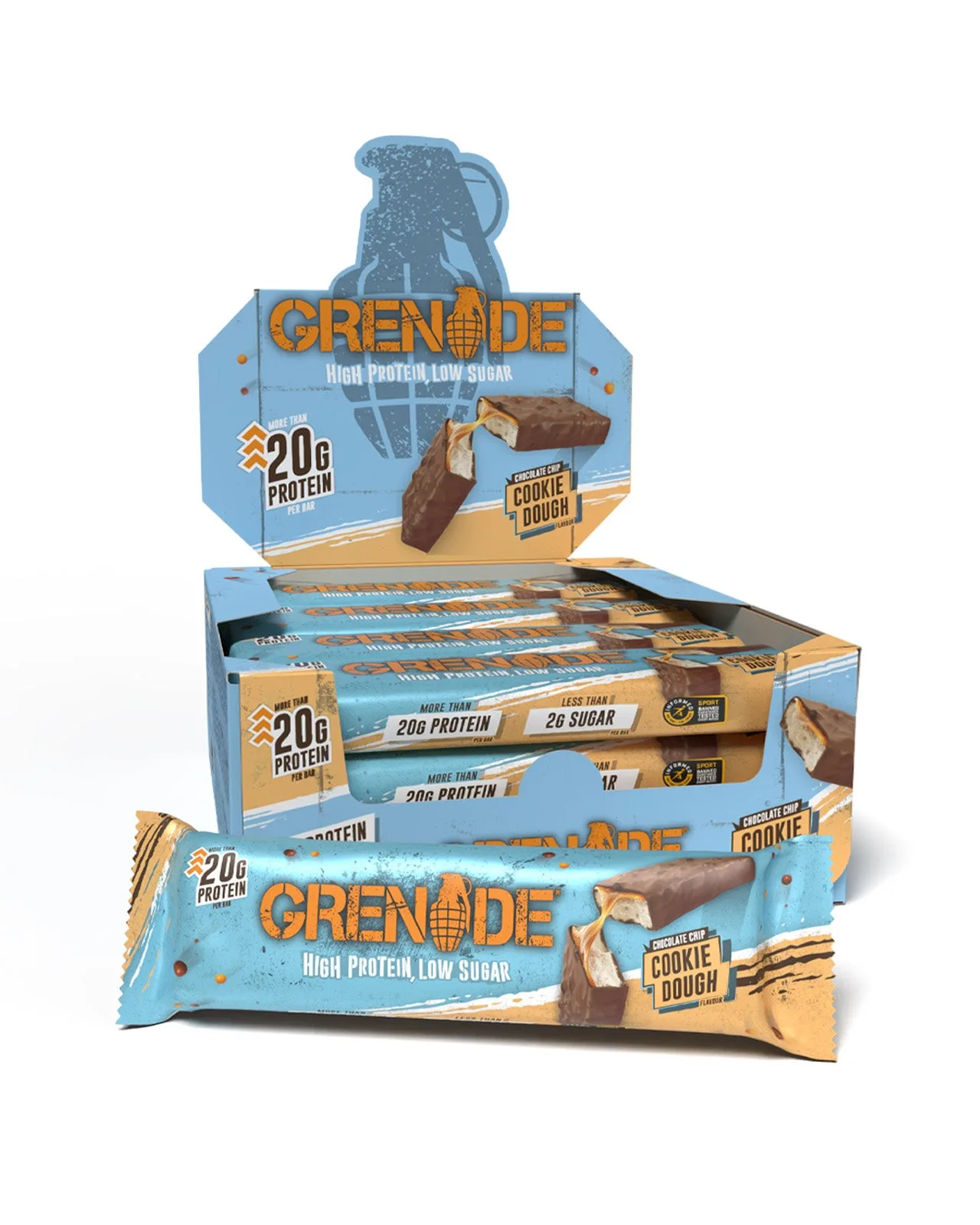
Chocolate Chip Cookie Dough Protein Bar
Cost Comparison: Bottled vs Powder Over a Month
Assume you need 30 servings of protein per month. A box of 12 bottled shakes might cost around £25-35, so 30 servings would be roughly £62-87. A tub of powder (say 2kg) providing about 50 servings might cost £40-60, bringing the per-serving cost down significantly. Over a year, that difference adds up to hundreds of pounds.
However, cost isn't everything. If bottled shakes help you actually consume protein when you otherwise would skip, the extra expense may be worth it. The key is to match the format to your lifestyle—use bottled shakes for the 'emergency' moments and powder for your regular meals.
- Rough estimate: bottled shakes cost 2-3x more per gram of protein than powder.
How to Choose: A Quick Decision Framework
Ask yourself three questions: 1) How often am I away from a kitchen or water source? 2) Am I willing to spend more for zero prep? 3) Do I value flavour variety and control? If you answered 'often', 'yes', and 'no', bottled shakes are your match. If you answered 'rarely', 'no', and 'yes', stick with powder.
Many people keep both on hand. A tub of powder at home for daily shakes, plus a few bottled shakes in the car or gym bag for chaotic days. That hybrid approach gives you the best of both worlds without committing fully to one format.
- Tip: Try a sample of a ready to drink protein shake before buying a case to ensure you like the taste.
Both bottled protein shakes and powder have their place in a balanced fitness routine. Bottled shakes offer unmatched convenience for on-the-go moments, while powder delivers better value and customisation. By assessing your daily schedule and priorities, you can pick the right protein shake format—or combine both—to stay consistent without the hassle.