Quick answer
Start by tightening each strap only until it lies flat without digging in, then check whether your band is doing its share of the support. If straps still slide, the cause is usually band fit, strap placement, or fabric friction rather than the straps themselves. Fix the band first, then adjust straps, and consider a wire-free style with wider straps if slipping continues.
You should not have to tug your straps back into place every hour. When bra straps keep falling down, the fix is rarely just tightening them as far as they go. That usually trades one problem for another: red marks, shoulder pain, or a band that rides up in back.
This guide walks through the most common reasons straps slip, what to adjust first, and when to stop fighting a bra that simply is not shaped for you. You will also see how specific Coobie styles handle strap width, band support, and adjustability so you can match the fix to the cause.
Check strap tension before anything else
Strap tension is the first thing to test because it is the easiest to change. Put the bra on, fasten the band on the loosest hook that feels secure, and adjust each strap so it lies smooth against your shoulder without pressing into the skin. A strap that is too loose will slide; one that is too tight will dig in and can still slip because the band is not holding its share of the weight.
Adjust both sides evenly. If one strap needs to be much shorter than the other, that is a sign the band or cup is sitting unevenly rather than a strap problem. Loosen both straps, reseat the band level around your ribcage, and re-adjust. Straps should follow the band, not compensate for it.
- Tighten in small increments and move your arms after each change to see if the strap stays put.
- If tightening causes shoulder grooves or numbness, stop and check the band fit instead.
Why a loose band makes straps slip
The band provides most of a bra's support. When the band is too loose, it rides up in back, which pulls the straps forward and off your shoulders. This is why tightening straps on a loose band rarely works: you are asking thin straps to do a job the band should handle. A band that stays level and snug around your ribcage keeps straps in place with far less tension.
Test your band by fastening it and seeing whether it stays level when you raise your arms. If it climbs, go down a band size or fasten on a tighter hook. If the band leaves deep marks or you cannot take a full breath, it is too tight and you should size up. The goal is a band that stays put without being uncomfortable.
- A new bra should fasten comfortably on the loosest hook so you can tighten it as the elastic relaxes over time.
- If the band rides up but the cups fit well, the band size is the issue, not the cup.
Strap placement and shoulder shape
Straps sit closer to the neck on some bras and wider on others. If your shoulders slope or are narrow, widely spaced straps are more likely to slide off. The same happens with smooth or silky fabrics that give straps little to grip. In these cases, adjusting tension helps only up to a point.
Look at where the straps attach to the cup. Straps that attach farther apart are more prone to slipping on sloped shoulders. If you have tried tightening and the band fits well, a style with closer-set straps or a different neckline may solve the problem more reliably than any adjustment.
- Cross the straps in back only if the bra is designed for it; otherwise you can distort the fit.
- A racerback converter can hold straps together, but it changes how the bra pulls and is not a permanent fix.
When to stop adjusting and switch styles
If you have leveled the band, adjusted straps evenly, and the straps still slide, the bra is likely the wrong shape for your shoulders. Continuing to tighten will only create discomfort. At that point, choose a different construction rather than a different adjustment. Wider straps spread pressure and stay put better than thin spaghetti straps, and wire-free designs often use a wider band that reduces strap strain.
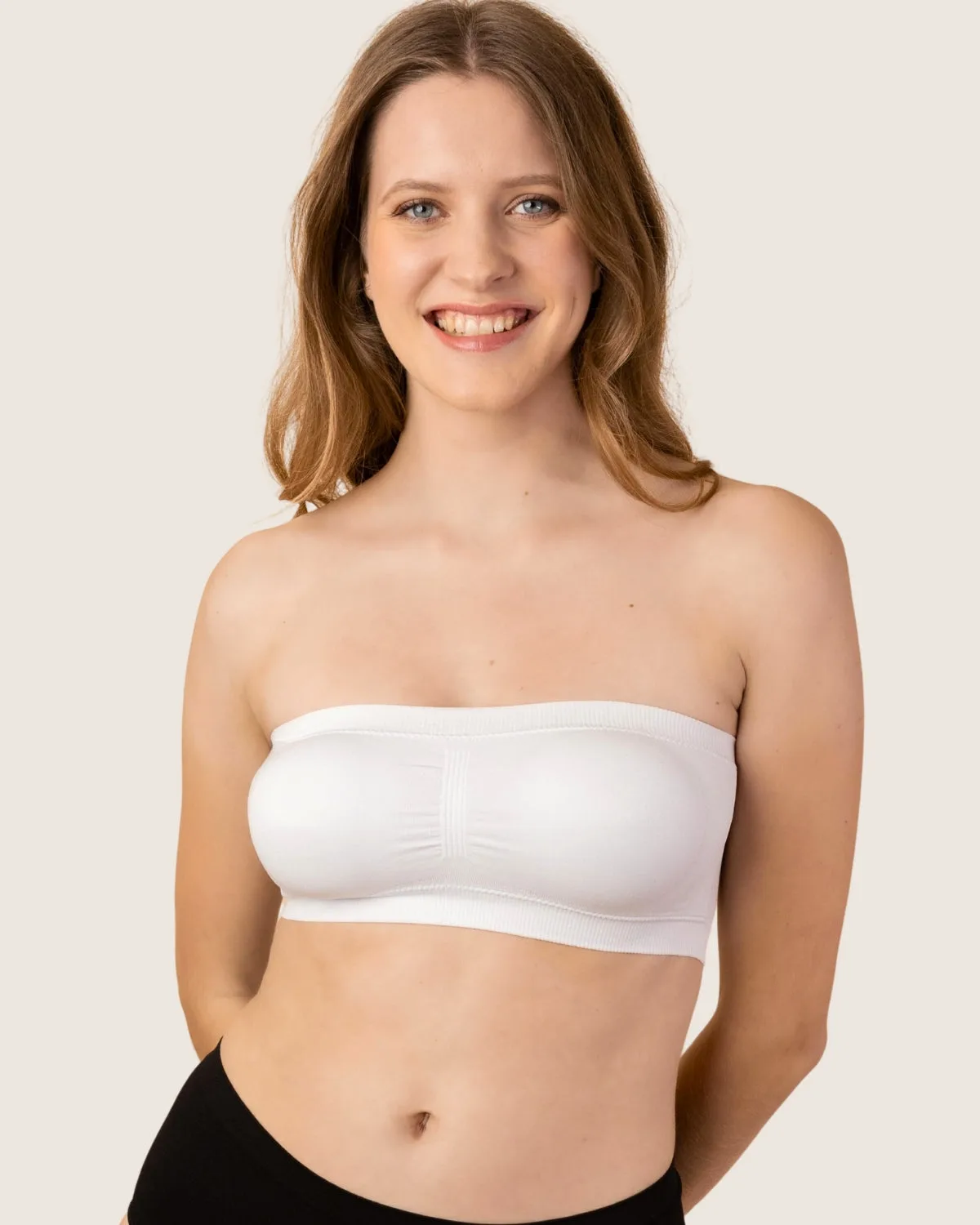
Wire-free bras with wider straps and a supportive band are a practical choice for slipping straps because they rely less on strap tension. If you want a strapless option for specific outfits, a bandeau style removes the strap issue entirely, though it is not meant for every top or every level of support.
- Stop adjusting when straps leave marks, cause numbness, or still slide after two rounds of even tightening.
- If slipping happens only under certain tops, the neckline of the top may be pulling the strap off your shoulder.
Diagnose your slipping straps
- Symptom: straps slide off both shoulders: Check whether the band rides up in back when you raise your arms. If it does, the band is too loose and is pushing the straps forward. Fix the band first. Fasten on a tighter hook or go down a band size before touching the straps.
- Symptom: one strap slips, the other stays put: This usually means the band or cup is sitting unevenly. Loosen both straps, center the band level around your ribcage, and re-adjust each side evenly. If the same side still slips after re-leveling, your shoulders may be asymmetrical and a style with closer-set straps will help.
- Symptom: straps dig in and still slip: Tightening beyond comfort means the straps are trying to replace band support. A wire-free bra with wider straps and a supportive band spreads the load. Stop tightening. If a wider-strap style still slips, choose a bandeau for strap-free wear or a different neckline for that outfit.
Coobie styles that address slipping straps
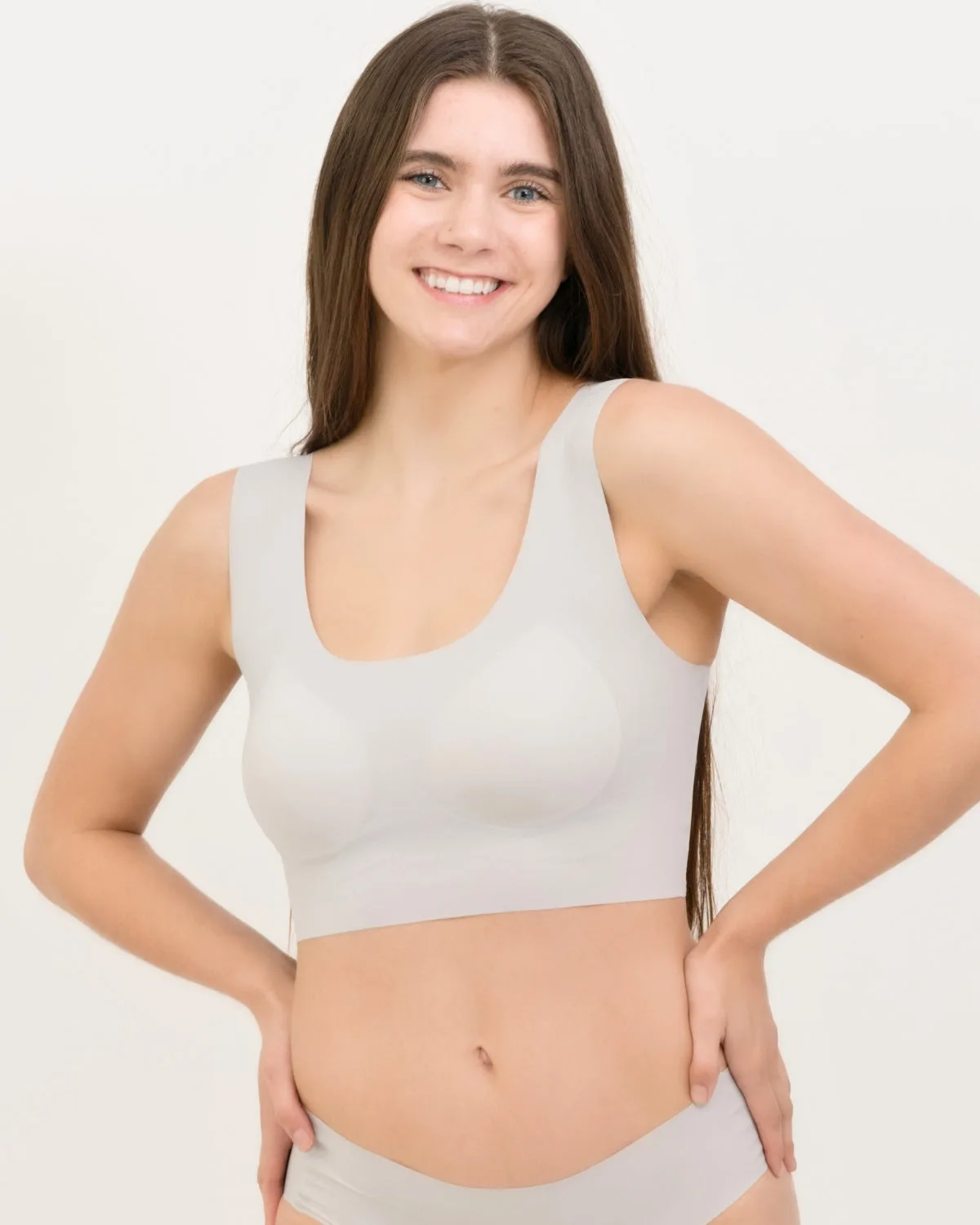
- Coobie Invisible Scoop Wireless Bra 2.0 801N: Features wider straps and a supportive band for a smoother fit, with larger removable pads and pad pockets for easy breast form placement. Wider straps distribute pressure and are less likely to slide than thin straps, while the supportive band reduces how much the straps have to hold.
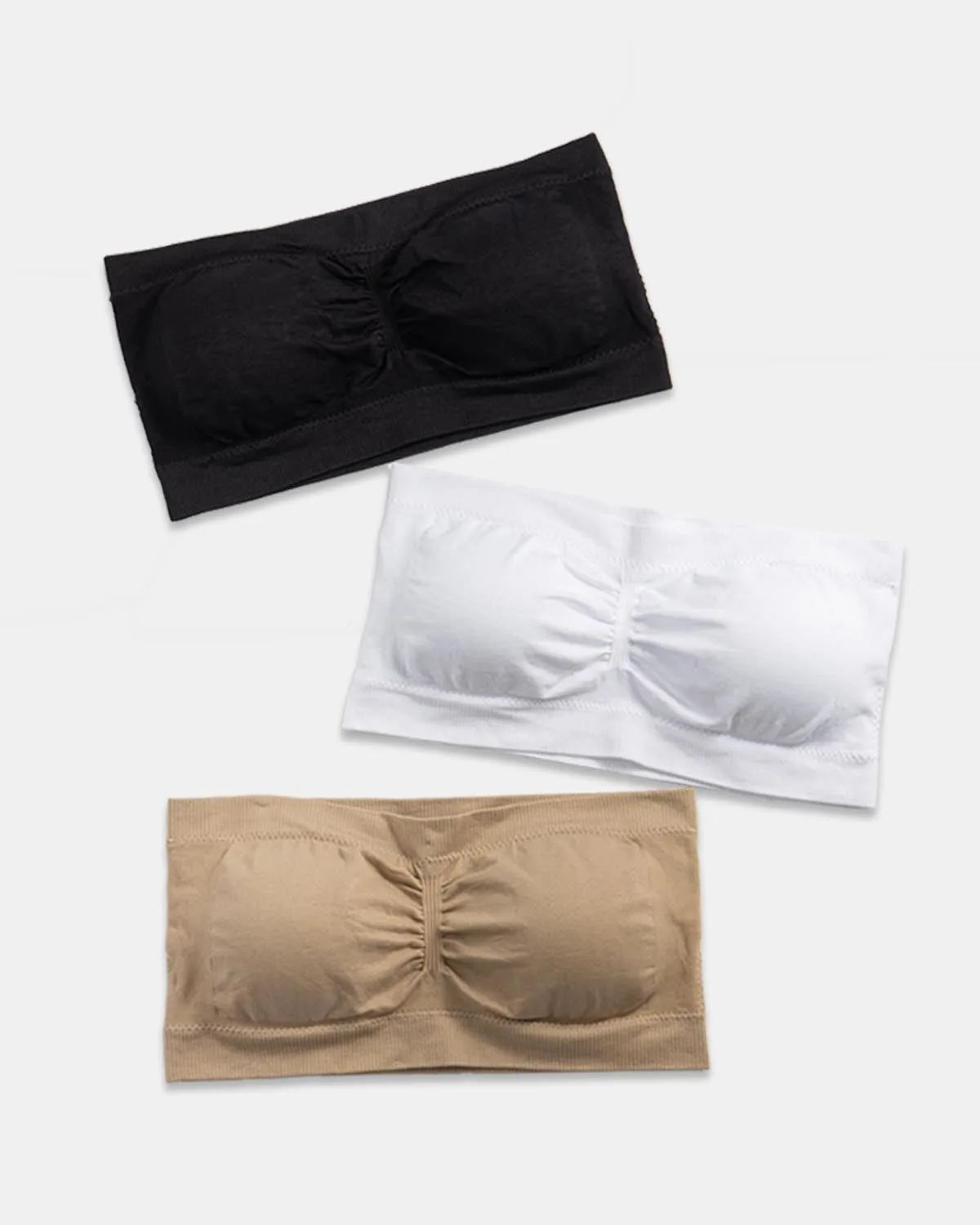
- https://coobiejh.com/products/bandeau-bra-9002-pack-6c46e9e4b530c79f969132de-1343200Coobie All-Match Bandeau Bra 9002 (3 Pack): A padded, wire-free bandeau with a seamless ribbed elastic band on the top and bottom to help it stay in place. If slipping straps are your main frustration, a bandeau removes straps from the equation for strapless tops and dresses.
- Coobie Lace Lover Bra 9140: A seamless, wire-free, hook-free, and tag-free bra with removable pads for natural shaping. A wire-free construction with no hooks can reduce strap strain, but it is designed for light support, so it may not suit higher-impact days.
Slipping straps are usually a signal that the band, not the straps, needs attention. Level the band, adjust straps evenly, and if they still slide, switch to a style with wider straps or no straps at all. A few minutes of diagnosis saves you from a day of tugging.