Quick Answer
When shopping for brain health supplements, focus on ingredients with solid research and clear mechanisms: adaptogens like Poria mushroom for stress, B vitamins like B12 for energy and nerve function, and vitamin D3 for overall brain activity. Avoid blends with vague labels and prioritize formulas that list exact doses. Choose a product that matches your primary goal—whether that's stress resilience, memory support, or daily cognitive maintenance.
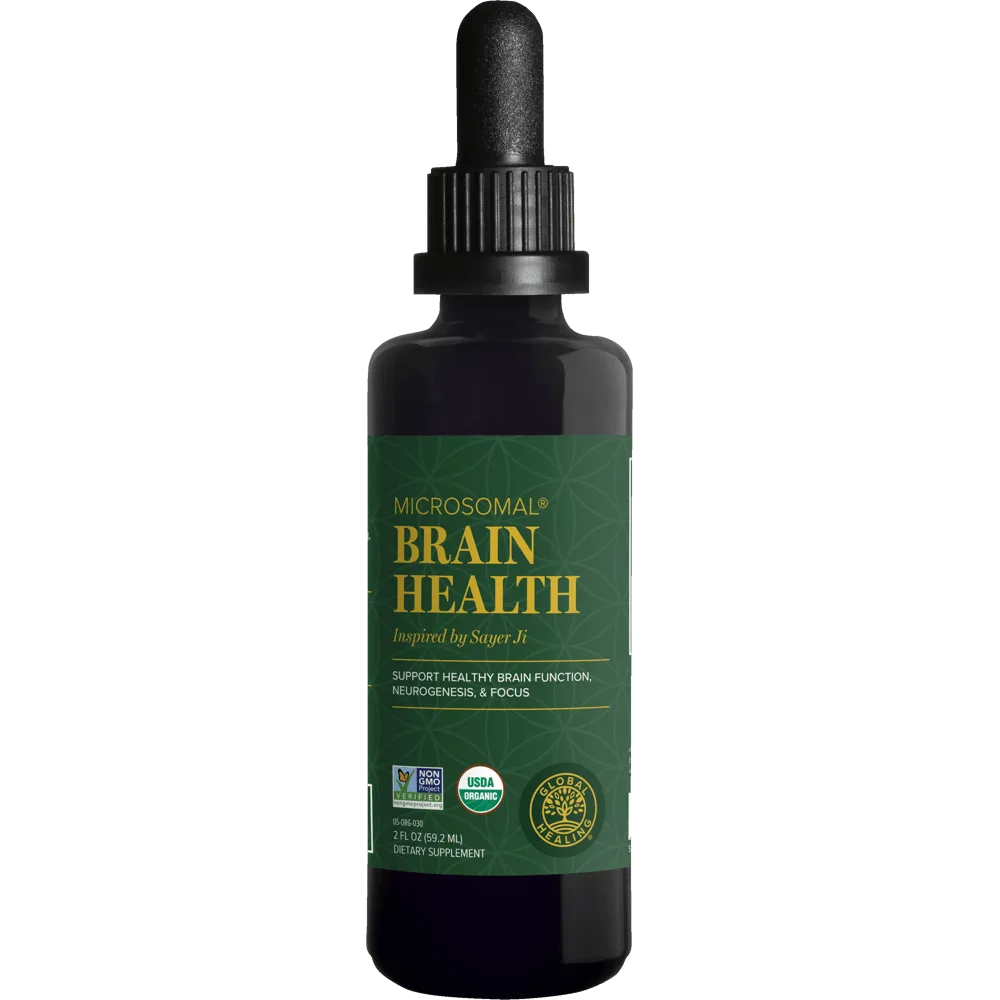
brain health
The market for brain health supplements is crowded, with dozens of nootropic blends claiming to boost memory, focus, and clarity. But not all ingredients are created equal, and many formulas hide behind proprietary blends or underdosed components. Understanding what to look for can save you money and help you choose a product that actually supports your cognitive goals.
This buying guide breaks down the key ingredients to prioritize, explains how they work, and gives you clear decision rules to evaluate any brain health supplement. Whether you're new to nootropics or looking to refine your stack, you'll leave with a practical framework for making an informed choice.
Adaptogens: Stress Management as the Foundation of Brain Health
Chronic stress is one of the biggest threats to cognitive function. When your stress response stays active, cortisol can interfere with memory, focus, and mood. Adaptogens—herbs and mushrooms that help the body adapt to stress—are a common ingredient in brain health supplements because they target this root cause. Look for well-studied adaptogens like Poria mushroom, ashwagandha, or rhodiola, and check that the product lists a meaningful dose rather than a proprietary blend.
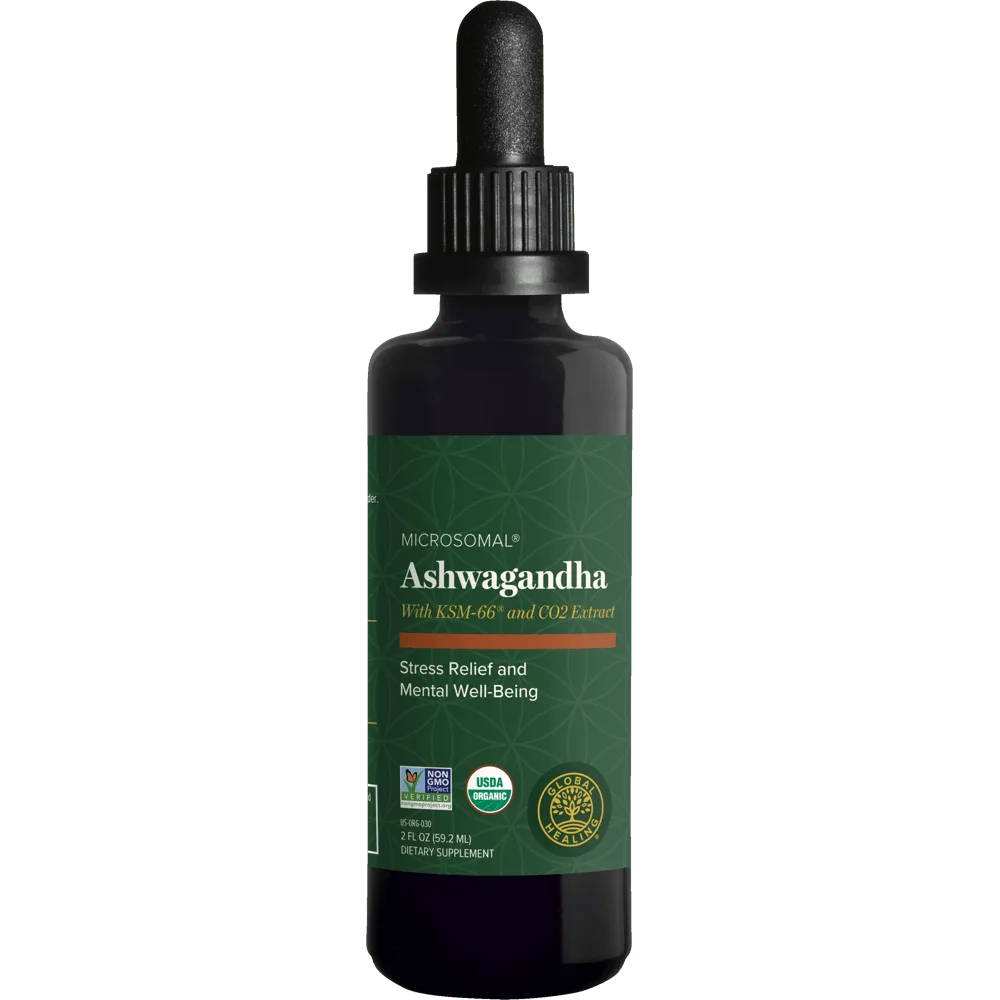
ashwagandha
For example, a supplement that combines traditional and modern stress-relief ingredients can support mood and cognitive function simultaneously. If your main goal is to feel calmer and think more clearly under pressure, an adaptogen-focused formula is often a better starting point than a high-stimulant nootropic.
- Check that the adaptogen is identified by its scientific name (e.g., Poria cocos) and that the dose is listed in milligrams.
B Vitamins: Energy and Nerve Function
B vitamins, especially B12, play a critical role in energy production and the maintenance of the nervous system. A deficiency in B12 can lead to brain fog, fatigue, and even memory problems. When evaluating a brain health supplement, look for an active form of B12—such as methylcobalamin—or a blend of B-complex vitamins. A high-potency B12 supplement can support normal energy levels and optimal nervous system function, which are essential for mental performance.
If your diet is plant-based or you're over 50, you're at higher risk for B12 deficiency, so a standalone B12 supplement might be more effective than a multi-ingredient brain formula. However, if you already take a multivitamin, check the B12 dosage to avoid over-supplementing.
- For vegans, look for B12 that is sustainably sourced and organically grown, as many forms are not plant-based.
Vitamin D3: More Than a Bone Health Nutrient
Vitamin D3 is often associated with bone health, but it also supports immune function and optimal brain activity. Low vitamin D levels have been linked to mood disorders and cognitive decline. Since vitamin D3 is fat-soluble, it's best absorbed when taken with a meal containing fat. In a brain health supplement, vitamin D3 is usually included as a supporting ingredient rather than the star. If you're deficient, a standalone D3 supplement might be more effective.
When choosing a vitamin D3, look for the biologically active form (cholecalciferol) and a plant-based source if you follow a vegan diet. Organic lichen-derived D3 is a vegan-friendly option that delivers the same active form your body produces from sunlight.
- If you live in a region with limited sun, consider testing your vitamin D levels before supplementing.
What to Avoid in Brain Health Supplements
Be cautious of products that rely on high-dose caffeine or undisclosed stimulants. While they may provide a temporary focus boost, they can lead to crashes and increased anxiety. Also, avoid proprietary blends that don't list individual ingredient doses—these make it impossible to know if you're getting an effective amount. Finally, be wary of claims that sound too good to be true, such as 'instant genius' or 'reverse aging.'
A transparent label is a sign of a quality product. Look for supplements that list every ingredient and its dose, and that use third-party testing for purity. This is especially important for brain health, where the balance of ingredients can affect how well they work together.
- If a supplement contains more than 200 mg of caffeine per serving, consider whether it's truly a brain health formula or just a stimulant.
Decision Rules: How to Choose Your Brain Health Supplement
- Match the ingredient to your primary goal: If stress and mood are your main concerns, choose an adaptogen-rich formula like one with Poria mushroom. If you experience brain fog or fatigue, prioritize B12. For overall brain activity, ensure adequate vitamin D3. Your goal determines the ingredient hierarchy.
- Check for full disclosure: Avoid proprietary blends. Look for exact milligram amounts for each ingredient so you can evaluate efficacy. Transparent labels are non-negotiable.
- Consider your diet and lifestyle: Vegans and older adults often need extra B12. If you get limited sun, vitamin D3 supplementation is more critical. Choose forms that fit your dietary needs. Personalize based on your risk factors.
Products That Match These Criteria
- Stress Relief: Combines traditional and modern ingredients like Organic Banana Peel, Organic Poria Mushroom, SAMe, and Lithium Orotate to help manage stress, support mood, and improve cognitive function. If stress is your main cognitive blocker, this formula targets the root cause with adaptogens and mood-supporting compounds, making it a practical choice for calm focus.
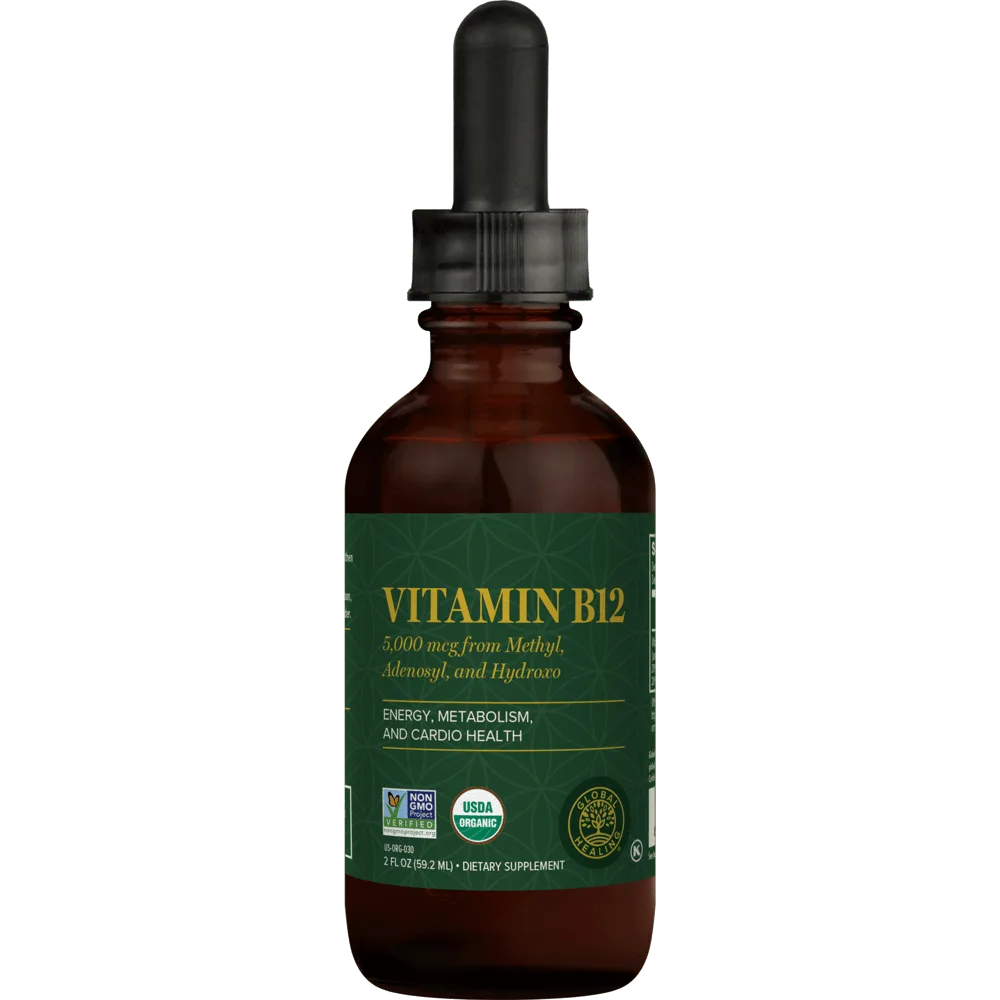
- Vitamin B12: Provides 5,000 mcg per serving of vegan-friendly B12 in a balanced blend of forms to support energy, cardiovascular health, and nervous system function. For vegans or anyone with low B12, this high-potency supplement can address brain fog and fatigue directly, especially if your diet lacks animal products.
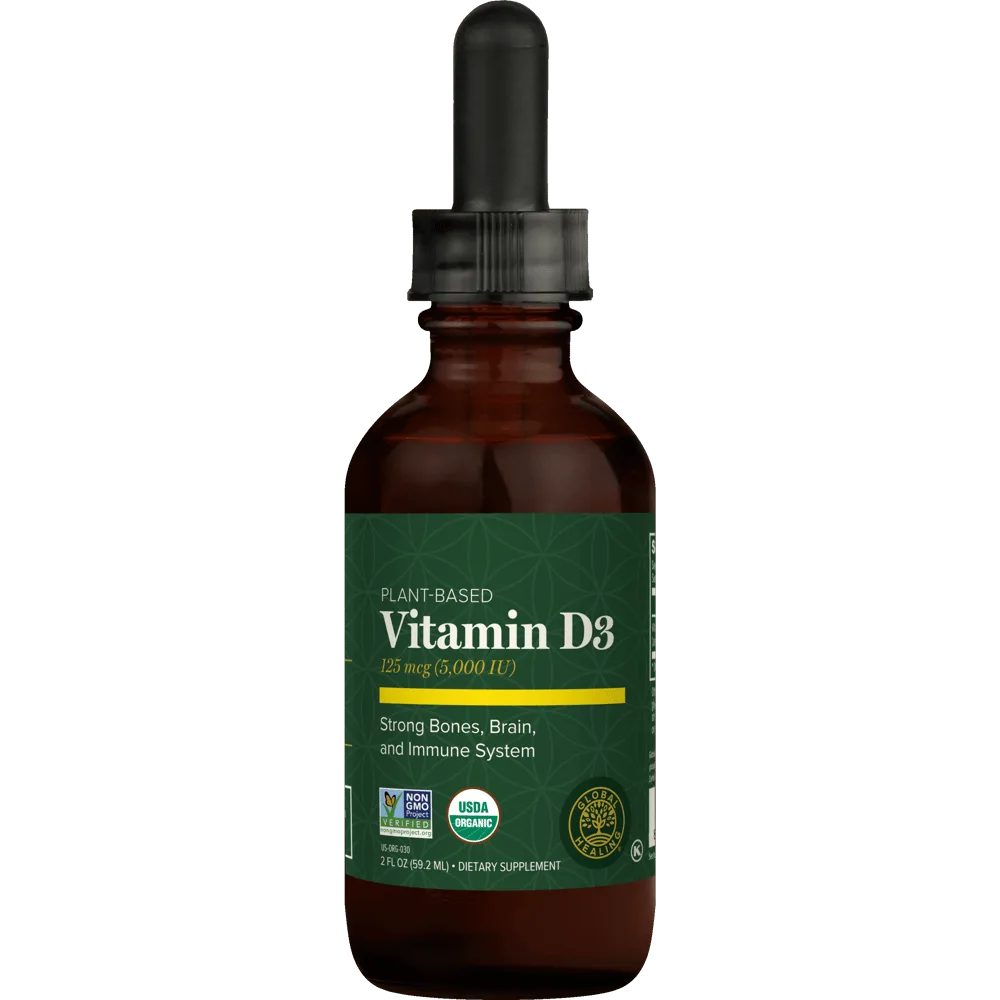
- Organic Vitamin D3 5000 IU: Delivers 5,000 IU of plant-based vitamin D3 derived from organic lichen, supporting strong bones, immune function, and optimal brain activity. If you're deficient in vitamin D, this supplement provides the active form your brain needs, and the vegan source makes it accessible to plant-based eaters.
Who Should Choose What
Best for
- People whose cognitive issues stem from stress and anxiety—look for adaptogen-based formulas like Stress Relief.
- Vegans, vegetarians, and adults over 50 who need reliable B12 support—a high-dose B12 supplement is ideal.
Not for
- If you already have a balanced diet and no deficiencies, a single-ingredient supplement may be unnecessary; a multivitamin could suffice.
- If you're sensitive to stimulants, avoid formulas with high caffeine or undisclosed stimulants.
Choosing the right brain health supplement comes down to understanding your specific needs and reading labels carefully. Focus on adaptogens for stress, B vitamins for energy, and vitamin D3 for overall brain function. Use the decision rules above to evaluate any product, and always prioritize transparency and quality. With the right choice, you can support your cognitive health naturally and effectively.