Quick answer
Hand wash bralettes in cool water with a gentle detergent, press the water out instead of wringing, and dry them flat away from direct heat. If you machine wash, use a mesh bag on a delicate cycle and never put lace in the dryer. Storing bralettes flat or folded in a drawer, rather than hanging them by the straps, is what keeps their shape over time.
Lace bralettes rarely wear out from wearing them. They wear out from washing, drying, and storage habits that stretch bands, snag lace, and break down elastic. That matters because a bralette has no underwire or molded cup to hold its shape for it, so the fabric and band do all the work.
The good news is that bralette care takes a few extra minutes, not a whole routine. The steps below cover how to wash a bralette, how to dry lace without distorting it, and how to store delicates so they stay wearable for years rather than months.
Why bralettes need different care than bras
A bralette relies on stretch fabric, a soft band, and often delicate lace or mesh to fit close to the body. There is no rigid structure absorbing the stress, so the elastic and the lace take all of it. Heat and agitation are what break that elastic down, which is why the dryer is the single biggest threat to a bralette's lifespan.
Lace adds a second problem: it snags. Hooks, zippers, and even other lace items rubbing together in a load can pull threads. Once a thread pulls, the pattern around it can loosen. Separating lace from rough hardware is the simplest way to prevent that.
- Check the care label first; if it says hand wash, treat that as the limit, not a suggestion.
- Close any hooks before washing so they cannot catch on lace.
- Keep lace items away from towels, which shed lint and add weight in the wash.
How to wash a bralette without ruining the lace
For most bralettes, hand washing in cool water with a small amount of gentle detergent is the safest option. Let the bralette soak for a few minutes, then gently squeeze the suds through the fabric. Do not scrub lace against itself or twist the band; that is what stretches it out.
If you prefer the machine, use a mesh lingerie bag and a delicate or hand-wash cycle with cold water. Skip fabric softener, which coats elastic fibers and reduces their stretch over time. Wash bralettes with similar lightweight items rather than heavy denim or towels.
- Rinse in cool water until no suds remain; leftover detergent dulls lace over time.
- Never bleach lace or stretch fabric unless the label specifically allows it.
- Wash after two or three wears, not every single wear, to reduce stress on the elastic.
Drying: the step most people get wrong
Heat is what kills elastic, so keep bralettes out of the dryer entirely. After washing, press the water out gently between your palms or roll the bralette in a clean towel and press down. Wringing twists the band and stretches lace out of shape.
Lay the bralette flat to dry, reshaping the cups and band as you set it down. If you hang it, hang it by the center of the band rather than by the straps, since wet fabric is heavier and straps can stretch under that weight. Keep it out of direct sun and away from radiators or hair dryers.
- Dry lace flat and shaped; a crumpled bralette dries with creases that are hard to remove.
- If a bralette feels damp at the band, give it more time; storing it damp encourages odor and mildew.
- Skip the iron. If lace looks wrinkled, a light steam from a distance is safer than direct heat.
Storage tips that protect shape
How you store a bralette matters as much as how you wash it. Fold bralettes and stack them in a drawer so the cups and band keep their shape, or use dividers to keep lace from catching on other items. Hanging by the straps for long periods stretches them, especially for softer fabrics.
Rotate your bralettes rather than wearing the same one several days in a row. Elastic needs time to recover between wears, and rotation spreads the wear across your collection. If you keep a bralette in a travel bag, pack it flat rather than stuffed into a corner.
- Give each bralette its own space; overcrowding crushes cups and creases lace.
- Keep a small mesh bag in your laundry area so delicate items never end up loose in a load.
- Air a worn bralette overnight before putting it back in the drawer.
When to repair, retire, or replace
Stretched-out straps, a band that no longer hugs the body, or lace with pulled threads are signs the bralette has reached the end of its useful life. Small snags can sometimes be trimmed carefully with sharp scissors, but do not pull them, since that loosens the surrounding pattern.
If the elastic has lost its snap, no amount of careful washing will bring it back. At that point, replacing it is more practical than repairing it. Keeping a couple of bralettes in rotation makes it easier to retire one without losing your everyday options.
- A band that rides up or straps that slip are fit problems, not just care problems.
- Retire any bralette with torn lace at a stress point like the strap or band.
- Replace gradually so you always have a clean, well-fitting option available.
Your bralette care routine, step by step
- Check the label and close the hooks: Read the care instructions before the first wash and close any hooks so they cannot catch on lace in the water or the bag. If the label says hand wash, stop there and skip the machine.
- Wash in cool water with gentle detergent: Hand wash with a small amount of gentle detergent, or use a mesh bag on a cold delicate cycle. Skip fabric softener and bleach. If you would not wash a silk scarf this way, do not wash lace this way either.
- Press, do not wring: Squeeze water out gently with your palms or roll the bralette in a towel and press down. Never twist the band or lace. Wringing is the fastest way to stretch a band out of shape.
- Dry flat and reshape: Lay the bralette flat, reshaping the cups and band, away from direct sun and heat. If hanging, hang by the band, not the straps. No dryer, ever. Heat is what breaks down elastic.
- Store folded and rotate: Fold bralettes in a drawer with space between them, and rotate wears so elastic has time to recover between uses. A bralette that gets a rest day lasts noticeably longer.
Products that reward careful care
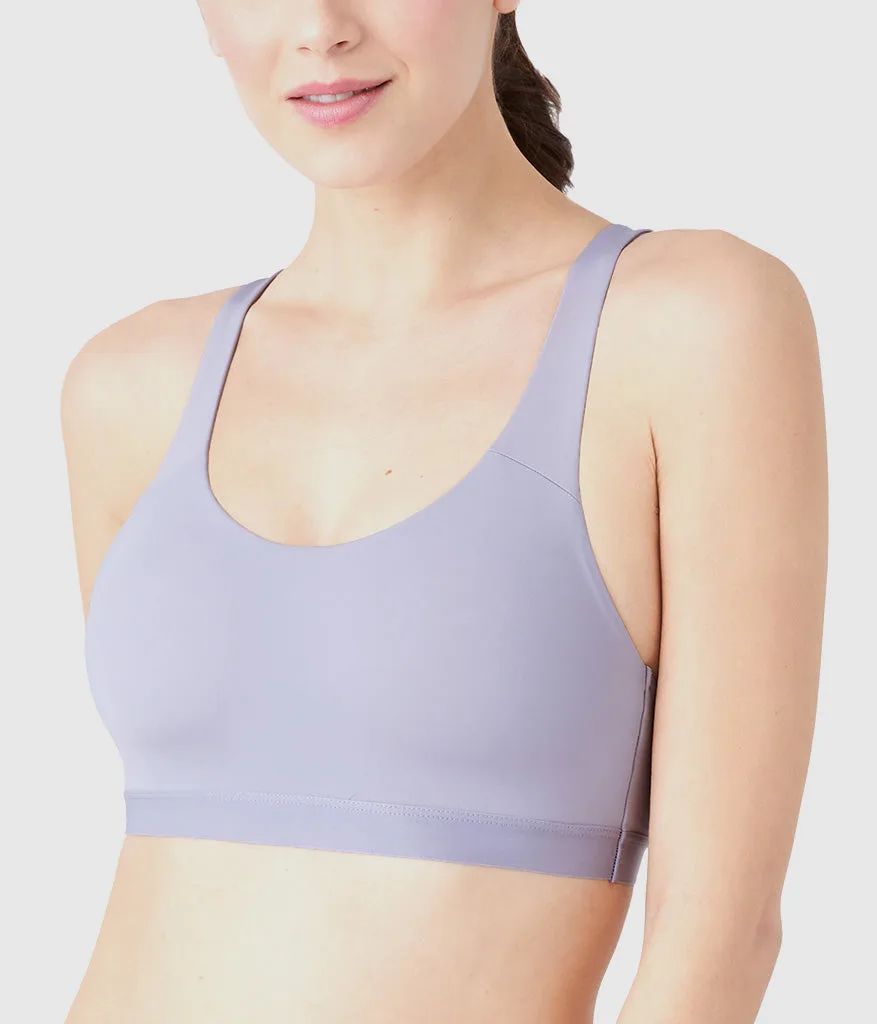
- b.active Sport Crop: Constructed with moisture-wicking fabric and a soft band that hugs the body for a secure fit while still being easy to put on and take off. Moisture-wicking fabric benefits most from air-drying; heat from a dryer can reduce how well it manages sweat and odor over time.
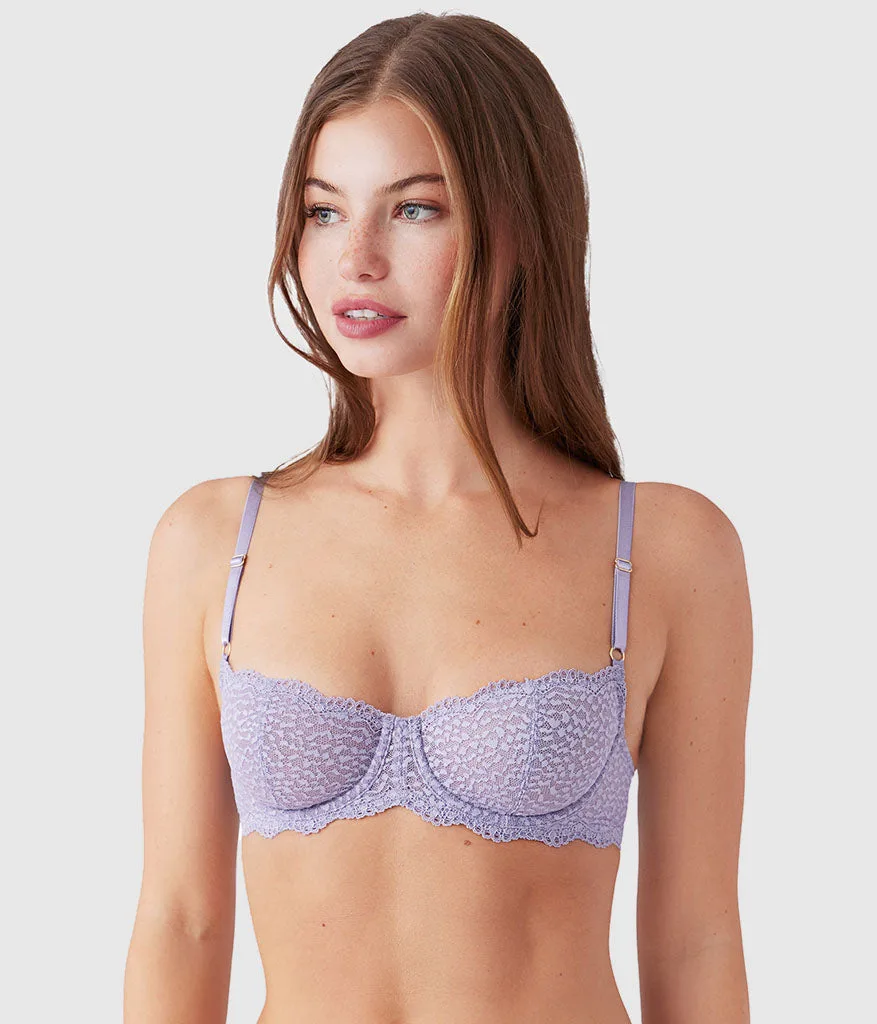
- Untamed Demi Underwire Bra: Features animal-patterned lace with flirty scalloped details. Scalloped lace edges snag easily, so a mesh laundry bag and flat drying protect the detail that makes this style worth owning.
Bralette care comes down to three habits: cool gentle washing, air drying flat, and storing folded with room to breathe. Do those consistently and your lace bralettes will keep their shape and stay in rotation far longer than the ones you toss in with the towels.