Quick answer
Bralettes can offer real support when the design uses stable fabrics and thoughtful construction. The Holly Bralette pairs soft lace with a buttery-soft yet supportive power mesh lining, so it holds its shape without an underwire. Look for a secure band, adjustable straps, and a cut that matches your shape rather than assuming wireless means unsupportive.
If you have ever pulled on a bralette, felt it shift, and decided wireless styles simply do not work for you, you are not alone. That experience is real, but it usually comes down to design and fit, not the absence of an underwire.
Here are five bralette support myths worth retiring, along with what actually drives comfort and hold in a wireless bra.
Myth 1: Wireless means zero support
Support does not come from the wire itself. It comes from how a style distributes tension across the band, straps, and fabric. A wireless bra can feel secure when those elements work together.
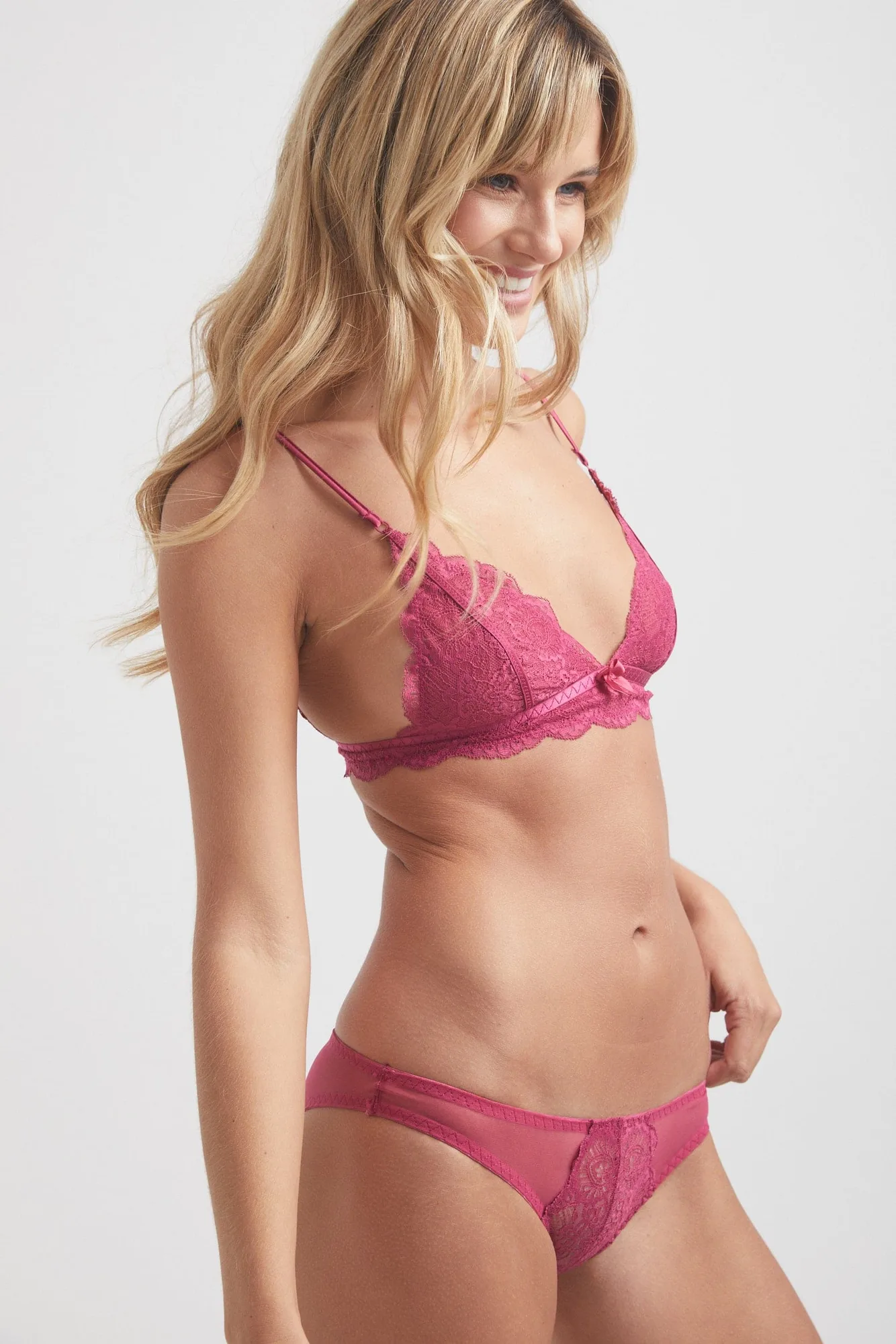
The Holly Bralette is a clear example: its soft-to-the-touch lace is combined with a buttery-soft yet supportive power mesh lining. That lining is what gives the bralette structure without a rigid wire, so you get a luxurious feel with real hold.
- Check the lining, not just the lace. Power mesh adds support while staying soft.
Myth 2: A bralette can replace every bra you own
A bralette is not a universal stand-in for every outfit or every level of support. Some days you want the structured feel of an underwire, like the Sophie Bra or Olivia Bra, which use soft power mesh lining and stretch lace for all-day comfort.
The practical move is to treat bralettes and bras as different tools. Reach for a bralette when you want lighter, softer coverage, and keep an underwire style for moments when you want more structure.
- Match the style to the outfit and the day, not to a rule about which is better.
Myth 3: If it feels tight, it must be supportive
A band that digs in is not a sign of good support. It usually means the size or cut is wrong, and it will only get less comfortable as the day goes on. Support should feel secure without leaving marks.
The Sophie Knicker offers a useful parallel: the brand recommends sizing up in the knicker, which shows that the right fit is about matching the cut to your body, not forcing a smaller size. The same logic applies to bralettes.
- If a bralette leaves deep marks, try a different size or style before deciding wireless is not for you.
Myth 4: Lace is only decorative and adds no support
Lace can be soft and still contribute to how a piece feels and wears. What matters is what sits alongside it. The Holly Bralette pairs its lace with power mesh lining, and the Sophie Bra combines a stretch lace exterior with a soft power mesh lining.
That layering is the point: lace gives the look, while the lining gives the structure. When you shop, read the construction details rather than judging support by the outer fabric alone.
- Look for a lining mentioned in the description. It is often the difference between pretty and wearable.
Myth 5: You need a different bralette for every body type
The better question is whether a specific bralette suits your shape and the way you want to wear it. A style with a secure band and adjustable straps will work for more people than a one-size-fits-all claim suggests.
The Holly Bralette also has a stunning exposed statement back, which makes it a good choice when you want the bralette to be part of the outfit rather than hidden. That is a design decision, not a support limitation.
- Choose based on coverage, back style, and how you plan to wear it.
Verdicts on bralette support myths
- Wireless means zero support: False. Support comes from the band, straps, and lining. The Holly Bralette uses a supportive power mesh lining to give structure without a wire. Check the lining before ruling out a bralette.
- A bralette can replace every bra: Not quite. An underwire style like the Sophie Bra or Olivia Bra offers a different level of structure for days when you want more hold. Keep both in rotation and choose by outfit and mood.
- Tight equals supportive: False. A digging band means the size or cut is off. The Sophie Knicker sizing guidance shows that the right fit varies by style. Prioritise comfort and adjust size or style instead of tightening.
- Lace adds no support: Misleading. Lace is the outer layer; the lining underneath does the work. The Holly Bralette and Sophie Bra both pair lace with power mesh lining. Read the construction details, not just the fabric name.
- One bralette per body type: Oversimplified. A secure band, adjustable straps, and a cut that suits how you wear it matter more than a body-type label. Choose based on coverage, back style, and intended wear.
What the product details actually tell you
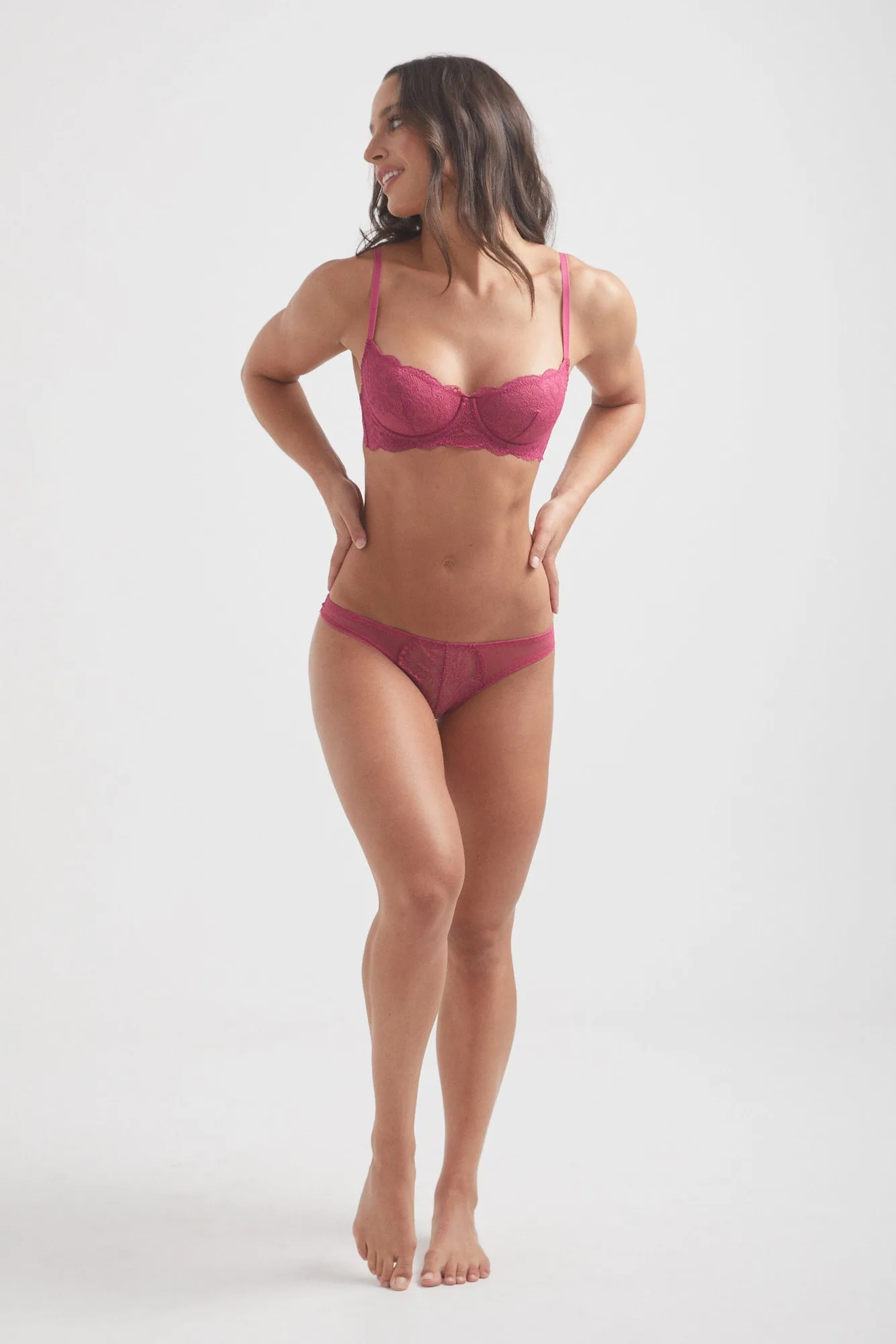
- Holly Bralette - Sangria: Soft-to-the-touch lace combined with buttery-soft yet supportive power mesh lining, silky straps, and a stunning exposed statement back. Shows how a wireless bralette can feel luxurious and still have structure, and the statement back makes it wearable as part of an outfit.
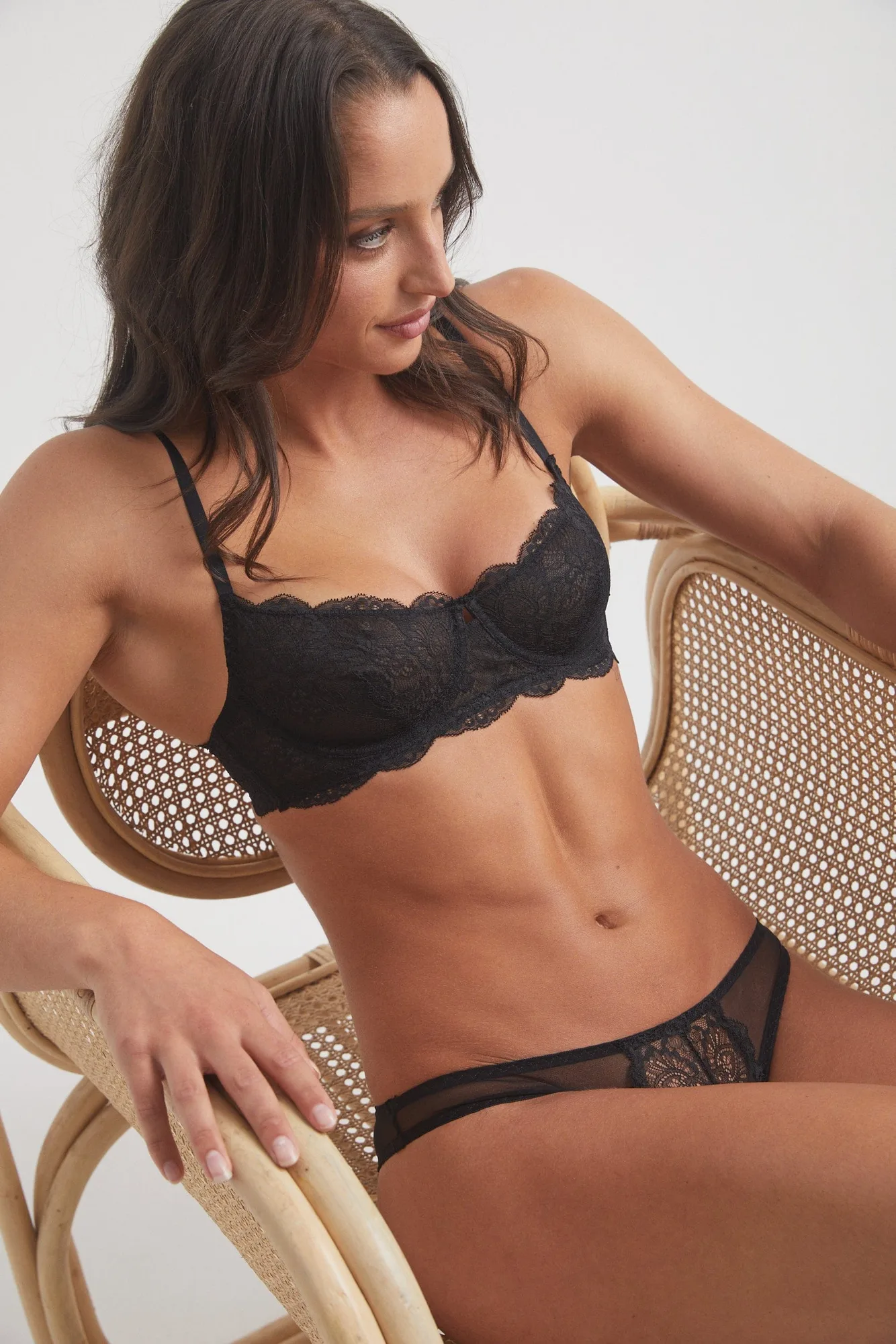
- Sophie Bra - Black: Underwire design with soft power mesh lining and stretch lace exterior, plus lace detail on the back straps. A useful comparison point when you want more structure than a bralette, while keeping the soft, stretchy feel.
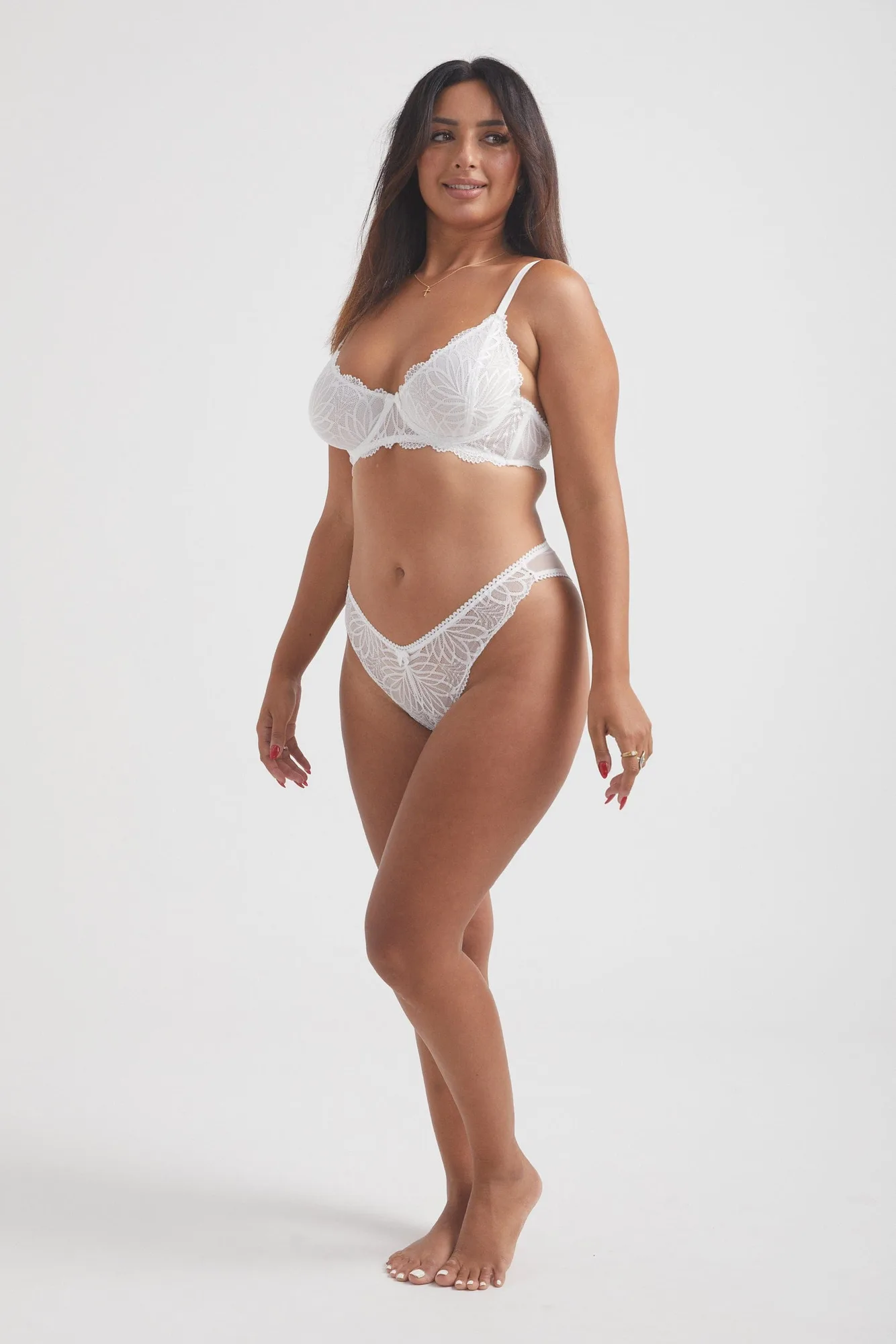
- Olivia Bra - White: Underwire bra with soft power mesh lining for support without compromising comfort. A daily essential option if you prefer underwire support but still want a gentle, comfortable feel.
- Sophie Knicker - Sangria: Tanga cut with power mesh and a lace statement on the front; the brand recommends sizing up in the knicker. Reinforces that fit is about matching the cut to your body, and that sizing guidance can differ by style.
Bralette support is not a myth, but it is not automatic either. Pay attention to the band, the lining, and the cut, and you can find a comfortable bralette that genuinely works for you. Start with the details in the product description, then adjust size or style until it feels right.