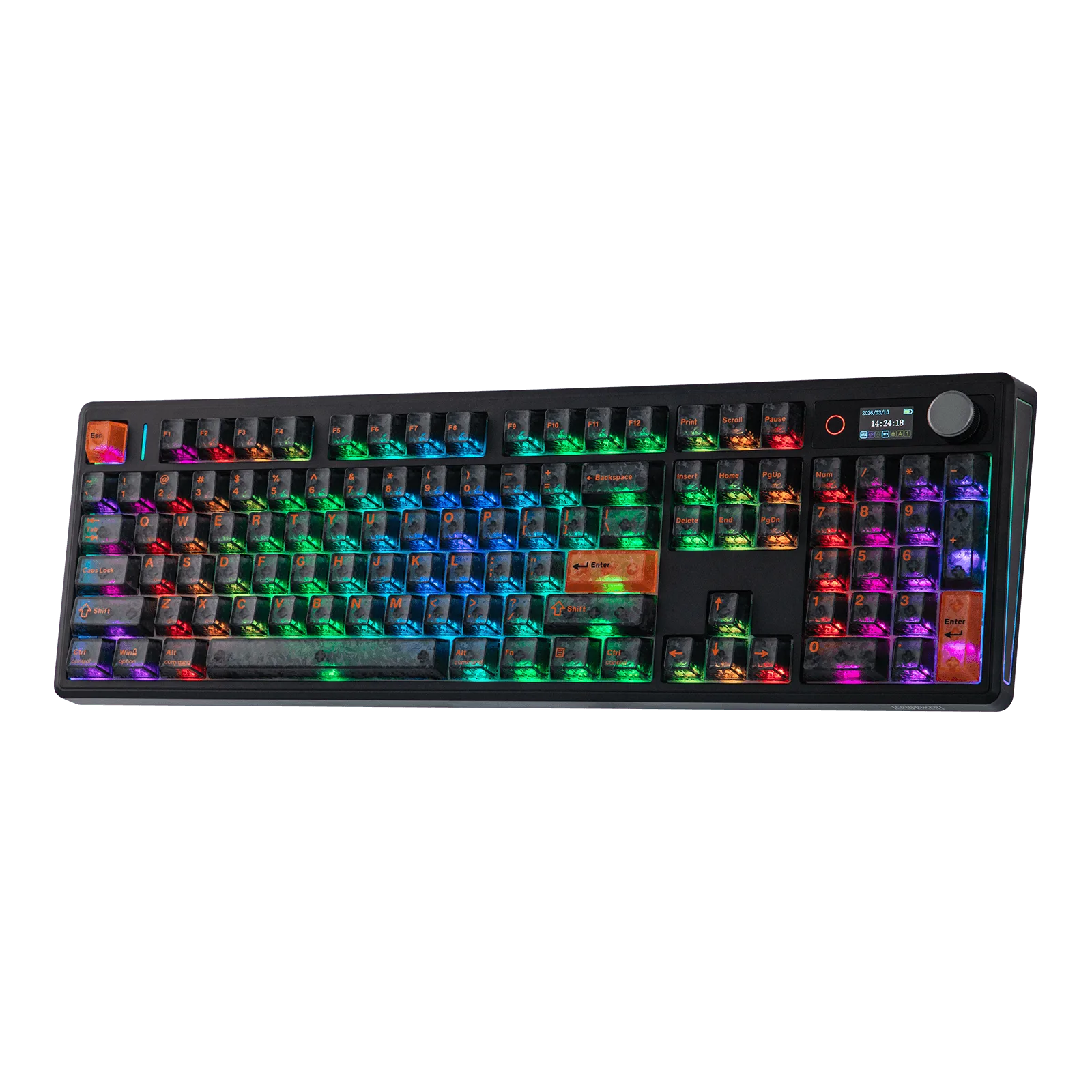
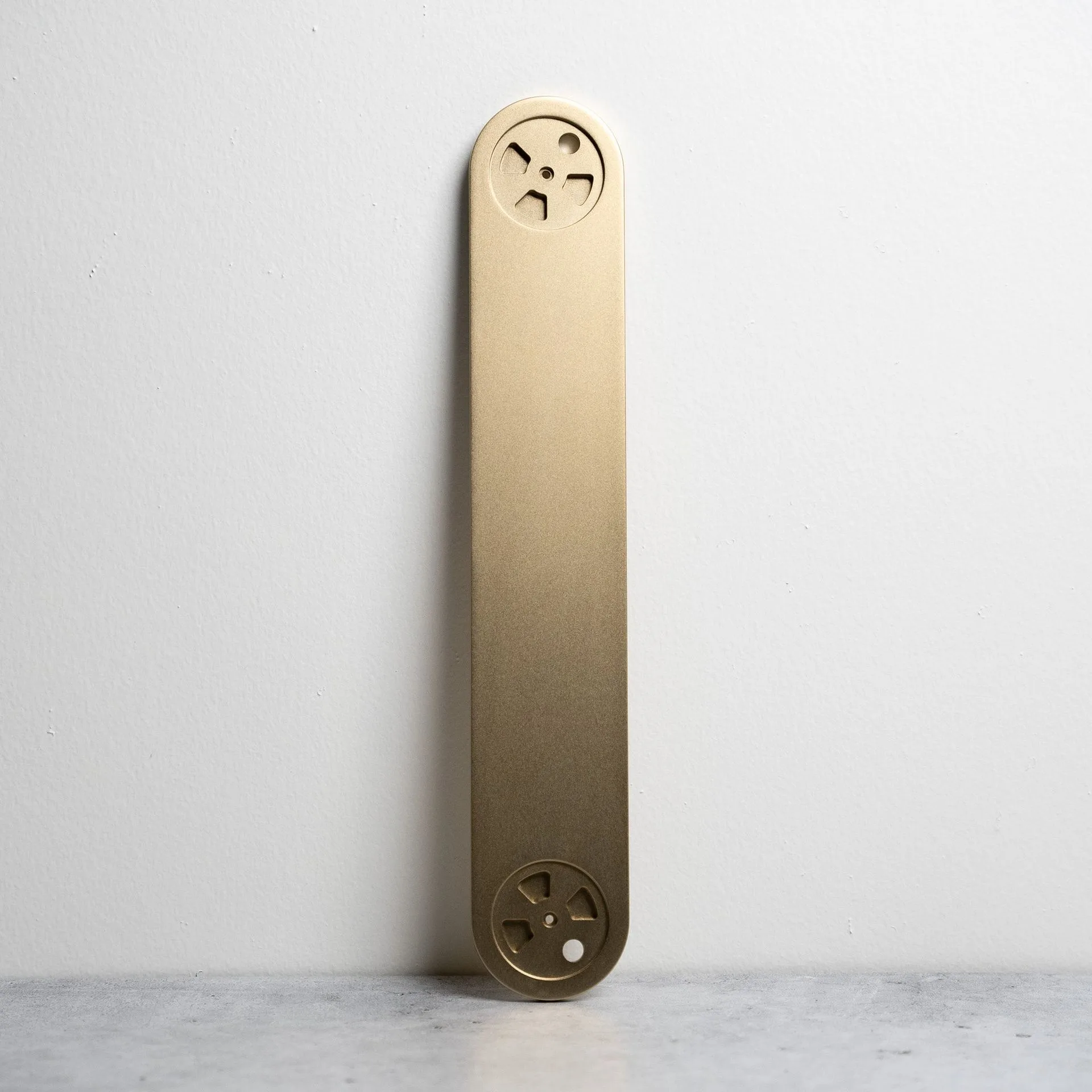
Start with the model option, not the material
The first thing to confirm is whether a plate is listed for your keyboard model. The FR4 Mounting Plate is offered for the 65% - PC66 68key ANSI layout, while the Brass Plate is listed for the Model M SSK Kit. These are different platforms, so the choice is not simply brass versus FR4 on the same board. If you own a PC66, the FR4 plate is the option shown in the catalog. If you are building a Model M SSK Kit, the brass plate is the one listed.
That model-first check matters because a mounting plate has to match the case, PCB and layout it was designed for. The supplied listings do not confirm cross-compatibility between these two plates, so do not assume one will fit the other's keyboard.
What each plate listing confirms
-
FR4 Mounting Plate: FR4 Mounting Plate is available for the 65% - PC66 68key ANSI model. This is the plate option to consider if you are building or modifying a PC66 65% keyboard.
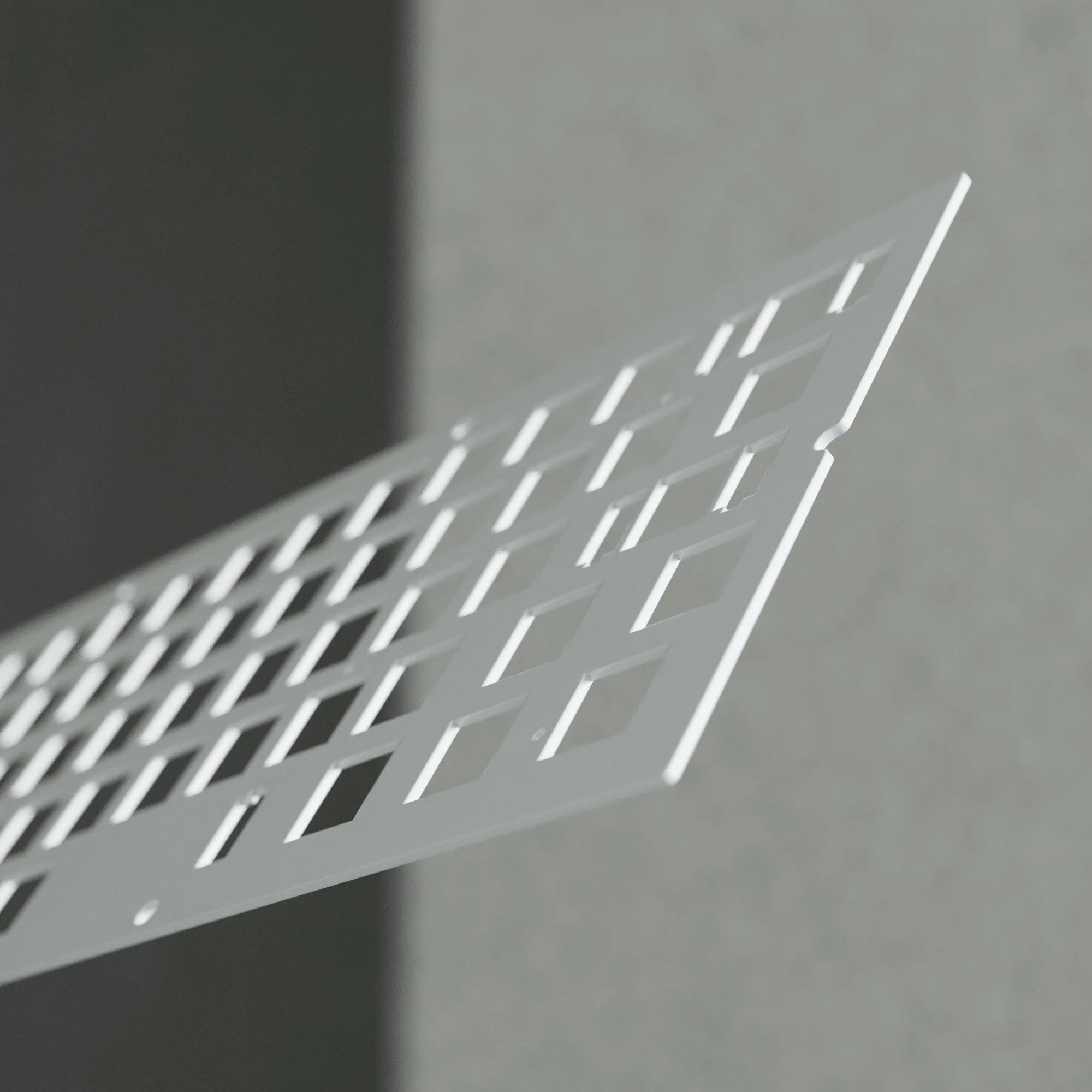
FR4 Mounting Plate
-
Brass Plate: Brass Plate is available for the Model M SSK Kit. This is the plate option listed for the Model M SSK Kit platform.
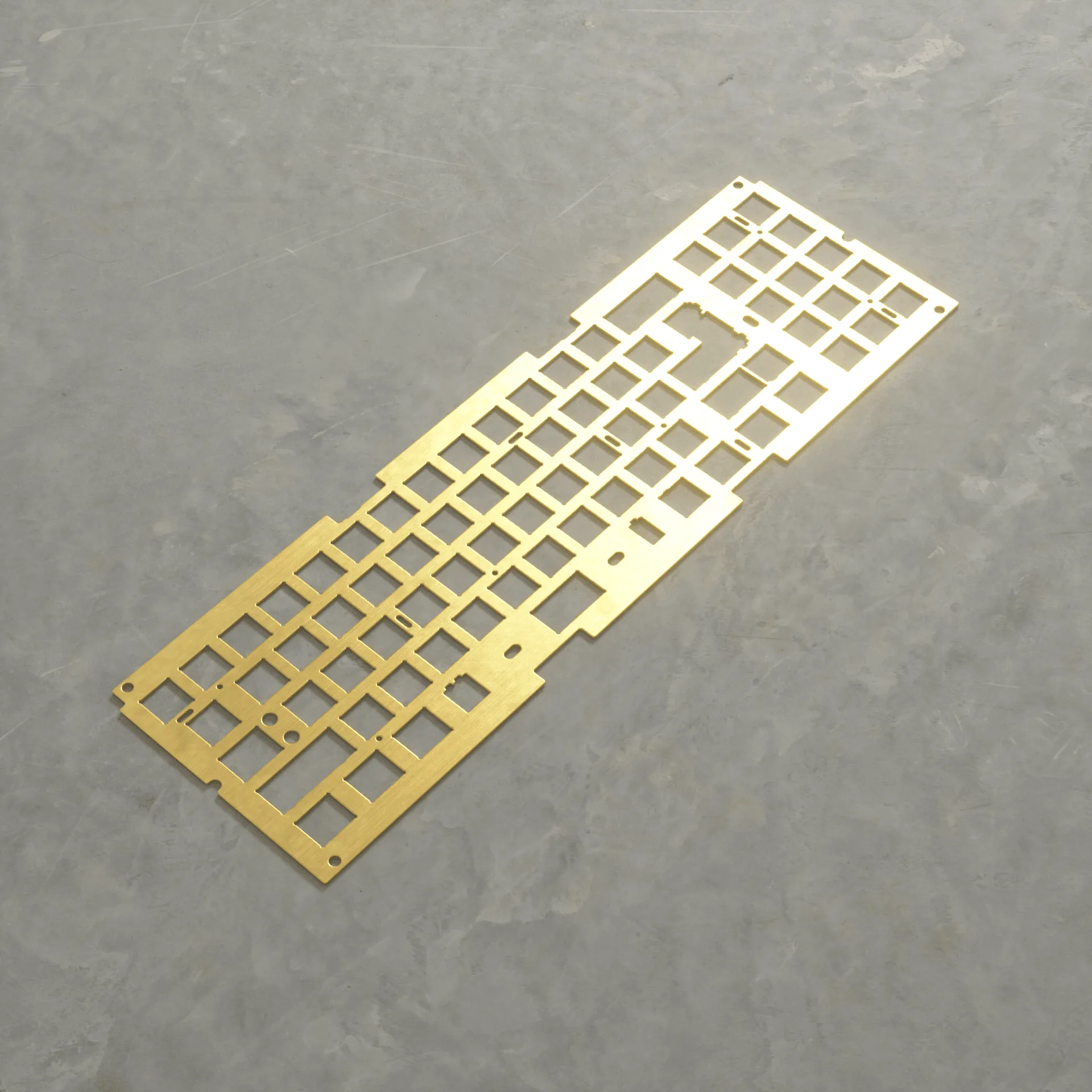
Brass Plate
How the materials differ in feel and sound
Brass is a dense metal. In a keyboard build, that density typically contributes to a firmer, more rigid feel and a higher-pitched, sharper sound signature. If you prefer a plate that resists flex and gives each keystroke a solid stop, brass is the material to lean toward. The Brass Plate listing does not include a thickness or alloy specification, so the exact stiffness will depend on the plate's actual construction, which is not detailed in the supplied information.
FR4 is a fiberglass-epoxy composite commonly used in PCB manufacturing. As a mounting plate, it is generally lighter and more flexible than brass, which can translate to a softer, more forgiving typing feel and a lower, warmer sound. The FR4 Mounting Plate listing does not specify thickness or flex characteristics, so treat these as general material tendencies rather than measured claims for this specific plate.
Brass vs FR4 at a glance
The table below summarizes the practical differences based on material properties and the supplied listings. Exact feel and sound will vary with your case, switches, keycaps and build technique.
- Typing feel: Brass: firm and rigid, with minimal flex. FR4: softer and more flexible, with some give under keystrokes.
- Sound signature: Brass: tends toward a sharper, higher-pitched clack. FR4: tends toward a lower, warmer, more muted tone.
- Weight: Brass is heavier than FR4, which can affect the overall weight and balance of the finished keyboard.
- Listed model: Brass Plate: Model M SSK Kit. FR4 Mounting Plate: 65% - PC66 68key ANSI.
- Catalog price: Brass Plate: USD 30.00 (comparison price USD 40.00). FR4 Mounting Plate: USD 18.00 (comparison price USD 25.00).
What the listings do not confirm
Neither listing provides plate thickness, material grade, or measured flex data. The FR4 Mounting Plate listing notes that pictures are for illustration and actual products may vary due to product enhancement. The Brass Plate listing carries the same notice. Neither listing confirms compatibility with keyboards other than the model options shown.
Both products are sold as components, not fully assembled keyboards. The listings state that because they are not fully assembled keyboards, they cannot be returned or refunded and do not include a 12-month warranty. Any order cancellation is subject to a 4% processing fee. Duties and taxes are not included in the shipping fee. These terms apply to both plates, so factor them into your purchase decision.
Matching the plate to your build goals
If you are building a PC66 and want a softer, more flexible feel with a warmer sound, the FR4 Mounting Plate is the catalog option for that model. If you are building a Model M SSK Kit and prefer a stiff, solid plate with a sharper acoustic character, the Brass Plate is the listed choice.
Because the two plates are listed for different keyboard models, this is less a direct head-to-head and more a guide to what each material offers within its own platform. Check your keyboard model first, then choose the plate that matches both your board and your preferred typing experience.