A good bread box is more than just a countertop accessory—it's a key tool for keeping your loaves, bagels, and pastries fresh for days. Whether you bake at home or buy artisan bread from the bakery, proper storage can prevent staleness, mold, and waste. With so many styles and materials available, knowing what to look for can make all the difference.
In this buying guide, we'll walk you through the essential features of a quality bread box, from material and ventilation to size and design. By the end, you'll be ready to choose the perfect bread keeper for your kitchen.
Why Use a Bread Box?
Storing bread in a plastic bag can trap moisture and lead to a soggy crust, while leaving it on the counter invites rapid drying. A bread box creates a balanced microclimate—slightly humid but breathable—that slows down staling and keeps the crust crisp. This is especially important for crusty artisan loaves, which lose their texture quickly in sealed plastic.
Additionally, a bread box frees up counter space and keeps your kitchen organized. Many models also double as decorative pieces, blending seamlessly with your kitchen decor. For households that go through bread quickly, a dedicated storage solution is both practical and stylish.
- Prevents mold and staleness without refrigeration
- Maintains crust texture for artisan and homemade bread
- Reduces food waste by extending freshness by 3–5 days
Key Features to Consider in a Bread Box
When shopping for a bread box, start with the material. Wood is a classic choice—it breathes naturally and absorbs excess moisture, making it ideal for crusty breads. Stainless steel and ceramic options are easier to clean and offer a modern look, but they may require a small vent or gap to prevent condensation. Bamboo is an eco-friendly alternative that combines breathability with durability.
Size matters too. Measure your countertop and think about the types of bread you buy. A standard loaf pan fits most boxes, but if you frequently buy large boules or baguettes, look for a taller or longer model. Some bread boxes even have a removable cutting board top, adding extra utility for slicing.
- Wood and bamboo offer natural breathability; metal and ceramic need ventilation
- Choose a size that accommodates your largest loaf with room to spare
- Look for a tight-fitting lid or door to maintain humidity levels
Airtight vs. Ventilated: Which Is Better?
The debate between airtight and ventilated bread boxes comes down to the type of bread you store. Airtight seals are excellent for soft sandwich breads and pastries, as they lock in moisture and prevent drying. However, for crusty artisan loaves, a completely airtight environment can soften the crust. Ventilated boxes—often with small holes or a gap in the lid—allow air circulation, keeping the crust crisp while the interior stays fresh.
Many quality bread boxes strike a balance: a snug fit that isn't completely sealed. Some models feature adjustable vents or a wooden construction that naturally regulates humidity. If you store multiple bread types, consider a box with a removable divider or a design that works well for both soft and crusty loaves.
- Soft breads benefit from a more airtight seal
- Crusty breads need airflow to maintain texture
- Wooden boxes naturally provide balanced ventilation
Additional Bread Storage Tips for Maximum Freshness
Even the best bread box works best with proper habits. Always let freshly baked bread cool completely before storing—warm bread releases steam that can cause mold. If you have a half-loaf, store it cut-side down on a clean surface inside the box to slow drying. Avoid storing bread in the refrigerator, as it accelerates staling due to starch retrogradation.
For longer storage, slice your bread and freeze it in a sealed bag, then thaw slices as needed. This works wonderfully for homemade or bakery bread. And if you're looking for a convenient way to keep your bread fresh on the go, consider pairing your bread box with a stylish carrier like the gingham lunch-bag for picnics or travel.
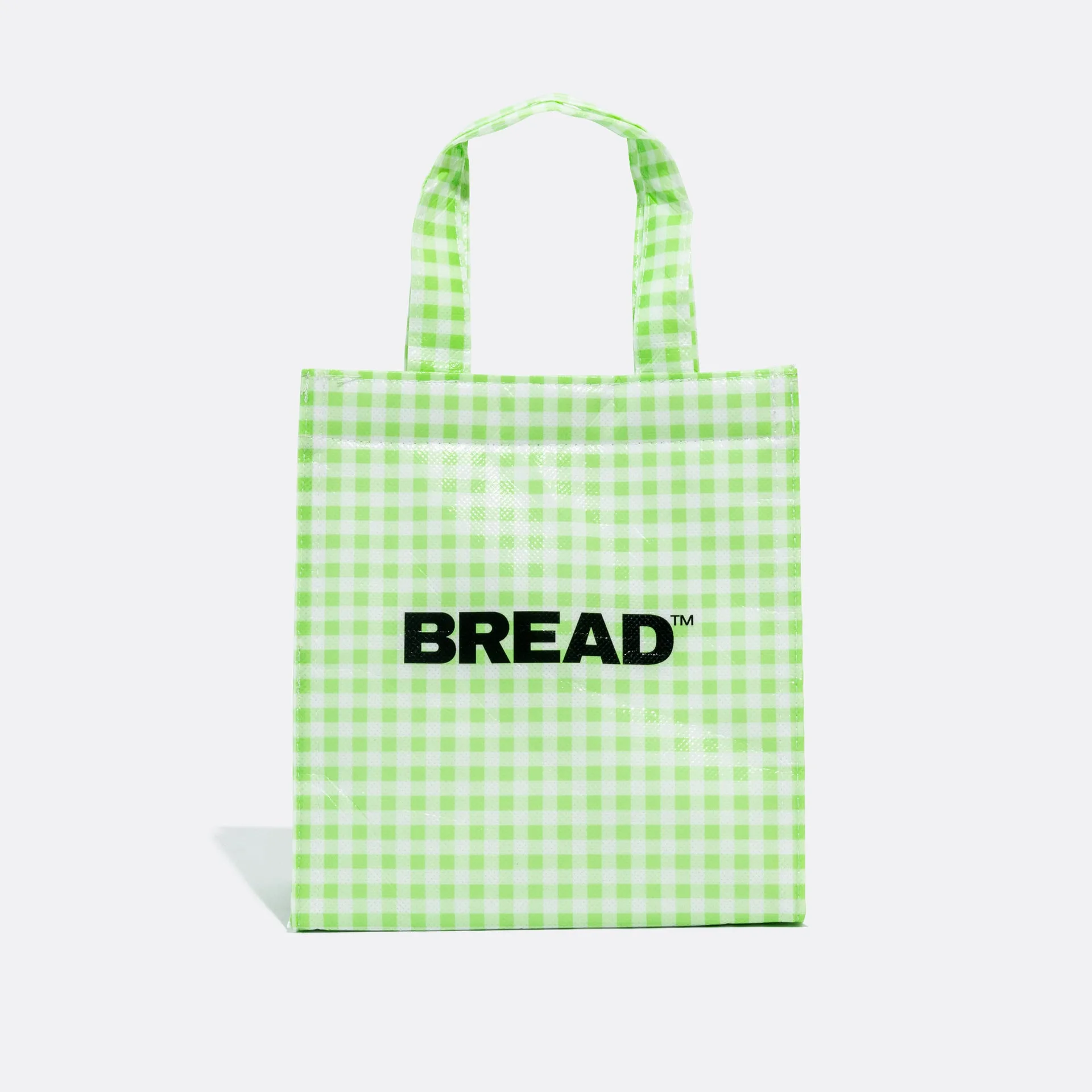
gingham lunch-bag
- Cool bread completely before storing
- Store cut-side down to retain moisture
- Freeze sliced bread for long-term preservation
Top Bread Box Materials Compared
To help you decide, here's a quick comparison of common bread box materials:
Wood: Classic, breathable, absorbs moisture, requires occasional seasoning. Stainless steel: Modern, easy to clean, may need vent holes. Ceramic: Decorative, heavy, good insulation but can be fragile. Bamboo: Sustainable, lightweight, naturally antimicrobial. Plastic: Affordable, lightweight, but less breathable and less durable.
Choosing the right bread box comes down to your bread habits, kitchen style, and storage needs. Focus on material, size, and ventilation to keep your loaves fresh and delicious. For a practical and stylish option, explore our selection of bread boxes and accessories at Breadbeautysupply—like the versatile gingham lunch-bag for carrying your baked goods on the go.