Baking artisan bread at home is a rewarding craft, but achieving that bakery-quality crust and open crumb often comes down to two critical steps: scoring the loaf before baking and slicing it afterward. The tools you choose for these tasks can make or break your results. Enter the bread lame and the serrated knife—two seemingly simple tools that spark debate among home bakers. In this guide, we’ll compare the bread lame vs. serrated knife for scoring and slicing artisan bread, helping you decide which tool deserves a spot in your kitchen.
Whether you’re a beginner perfecting your first sourdough or an experienced baker looking to refine your technique, understanding the strengths and limitations of each tool is key. We’ll explore their designs, best uses, and how they complement your bread baking toolkit. Plus, we’ll introduce you to some essential bread baking tools from Material that can elevate your baking experience.
What is a Bread Lame? The Artisan Baker’s Scoring Tool
A bread lame (pronounced “lahm”) is a specialized scoring tool used to make shallow cuts in bread dough just before baking. It typically features a sharp, replaceable blade—often a double-edged razor—mounted on a handle. The blade’s extreme sharpness allows bakers to create clean, precise cuts that control where the bread expands during oven spring. This expansion creates the iconic “ears” and decorative patterns on artisan loaves, such as batards and boules.
Bread lames come in various designs, from simple straight handles to curved or angled versions that help achieve deeper, more controlled cuts. The key advantage of a bread lame is its ability to make swift, shallow incisions without dragging or tearing the dough. For bakers who prioritize aesthetics and consistent oven spring, a bread lame is indispensable. It’s particularly effective for scoring wet, high-hydration doughs that are prone to sticking.
- Use a bread lame for scoring dough just before baking to control expansion and create decorative patterns.
The Serrated Knife: A Versatile Slicing Workhorse
A serrated knife, often called a bread knife, features a long blade with a scalloped or toothed edge. Its design excels at sawing through hard crusts without crushing the soft interior crumb. This makes it the go-to tool for slicing baked bread, especially loaves with a thick, crackly crust like sourdough or rye. Serrated knives are also useful for cutting tomatoes, cakes, and other delicate foods where a straight edge would cause squishing.
When it comes to scoring raw dough, a serrated knife is less effective. Its teeth can tear and drag the dough, creating ragged cuts that may not open cleanly during baking. However, some bakers use a serrated knife for scoring if they don’t own a bread lame, especially for simpler cuts like a single slash. For slicing finished bread, though, a quality serrated knife is unmatched. Look for a blade with sharp, evenly spaced teeth and a comfortable handle for controlled slicing.
- Use a serrated knife for slicing baked bread; avoid using it for scoring wet dough.
Bread Lame vs. Serrated Knife: Key Differences for Scoring and Slicing
The primary difference between a bread lame and a serrated knife lies in their intended use. A bread lame is designed exclusively for scoring raw dough, while a serrated knife is built for slicing baked goods. For scoring, the bread lame’s ultra-sharp, straight blade creates clean, precise cuts that promote even oven spring. The serrated knife’s teeth, on the other hand, can compress and tear the dough, leading to uneven expansion and less attractive results.
For slicing, the serrated knife excels because its sawing action cuts through crust without crushing the crumb. A bread lame’s blade is too short and delicate for slicing a whole loaf. In terms of versatility, the serrated knife wins—it can handle multiple tasks in the kitchen. But for dedicated artisan bakers, a bread lame is a specialized tool that significantly improves scoring precision. Many bakers keep both tools: a bread lame for scoring and a serrated knife for slicing.
- Bread lame: best for scoring raw dough with clean, shallow cuts.
- Serrated knife: best for slicing baked bread without crushing the crumb.
- Consider owning both tools for optimal bread preparation and serving.
Choosing the Right Tool for Your Baking Style
Your choice between a bread lame and a serrated knife depends on your baking habits. If you bake artisan loaves regularly and value beautiful scoring patterns, invest in a quality bread lame. It will give you control over ear formation and crust appearance. For occasional bakers who mostly slice store-bought or homemade bread, a good serrated knife is more practical. You can also use a serrated knife to score if you’re just starting out, but expect less consistent results.
Pair your scoring tool with proper technique: hold the lame at a 30-45 degree angle and make swift, confident cuts. For slicing, let the serrated knife do the work—use a gentle sawing motion without pressing down. To complete your bread baking toolkit, consider adding a sturdy cutting board and storage solutions. For example, The Angled Board from Material offers a stable surface for slicing and serving. It’s designed with a slight angle that helps guide your knife and catch crumbs.
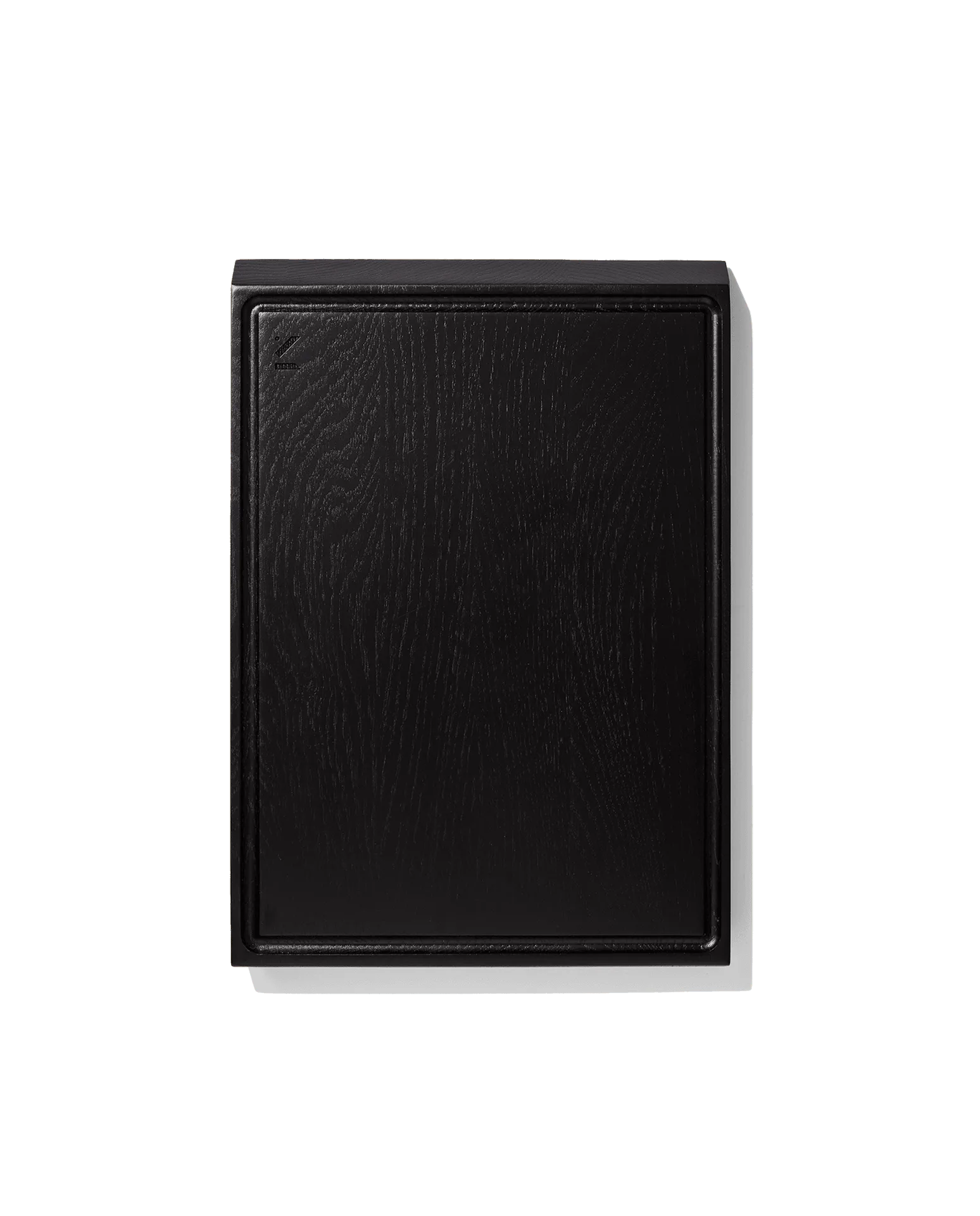
The Angled Board
- For serious home bakers: invest in a bread lame for scoring and a serrated knife for slicing.
- For casual bakers: a quality serrated knife can handle both tasks with practice.
Essential Bread Baking Tools from Material
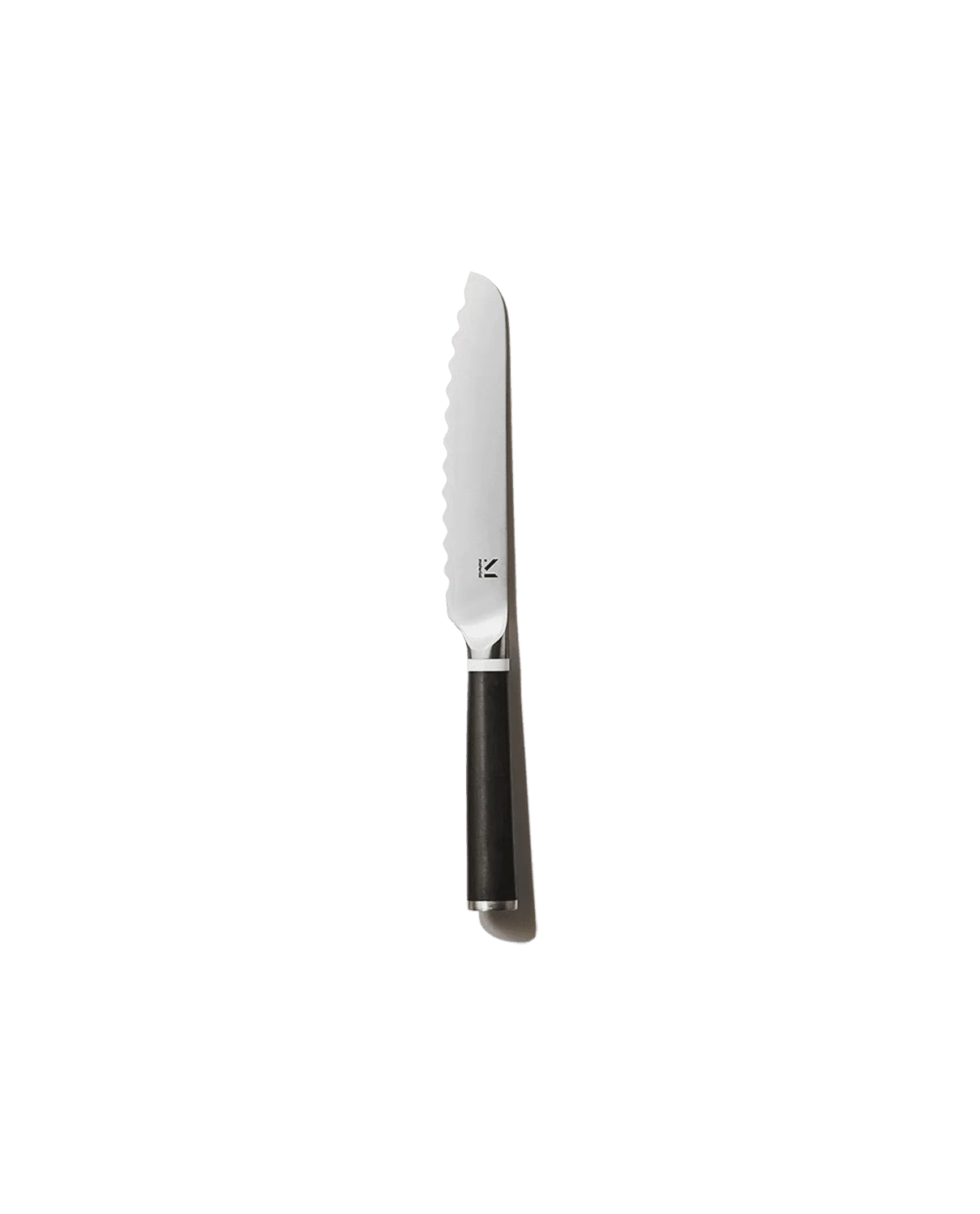
Beyond scoring and slicing, having the right tools enhances your entire bread baking experience. Material offers a curated selection of tabletop and prep tools that combine functionality with modern design. For example, The Almost 4" Knife is a compact, versatile blade perfect for detail work like trimming dough or scoring small loaves. Its sharp edge and ergonomic handle make it a handy addition to any baker’s drawer.
When it’s time to serve your artisan bread, presentation matters. The Bread Plate Single from Material provides an elegant, minimalist surface for individual servings. Pair it with a quality bread knife for a cohesive table setting. For storing your tools and keeping them organized, explore Material’s Storage & Care category. Proper storage extends the life of your knives and lames, ensuring they remain sharp and ready for your next bake.
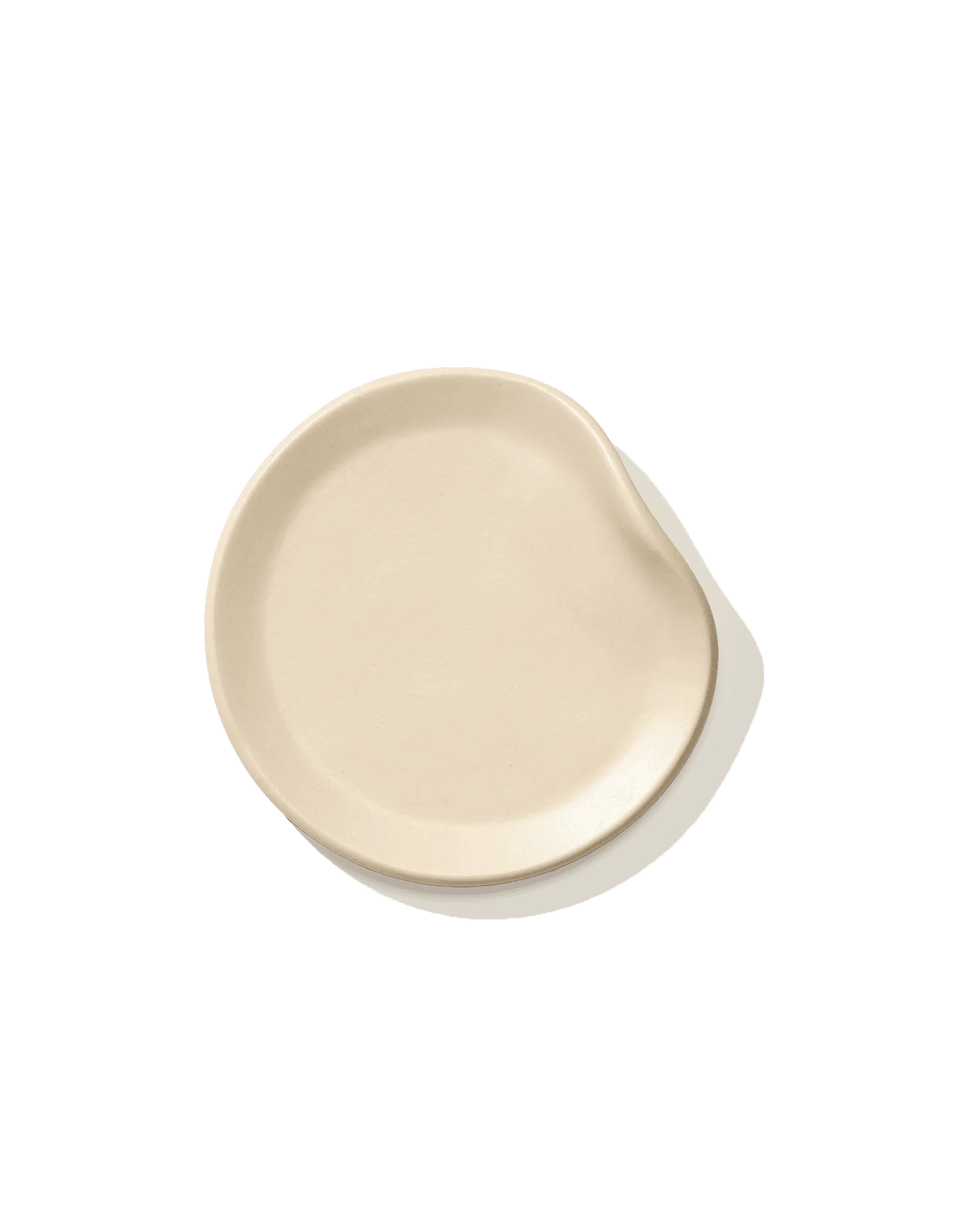
Bread Plate Single
- The Almost 4" Knife: ideal for scoring and fine prep work.
- Bread Plate Single: perfect for serving individual slices with style.
Final Verdict: Which Tool Should You Buy?
If you’re serious about artisan bread baking, the answer is both. A bread lame is essential for achieving professional-looking scoring patterns and consistent oven spring. A serrated knife is indispensable for slicing your finished loaves without mangling the crust. Together, they form a complete bread preparation toolkit. For beginners, start with a quality serrated knife—it’s more versatile and forgiving. As you advance, add a bread lame to elevate your scoring game.
Remember, the best tool is the one you use confidently. Practice scoring on a few loaves with your lame, and you’ll quickly see improvement. For slicing, invest in a serrated knife with a comfortable grip and sharp teeth. Material’s products, like The Almost 4" Knife and Bread Plate Single, complement these tools beautifully. Whether you’re scoring or slicing, the right equipment makes baking more enjoyable and your bread more impressive.
Ready to elevate your artisan bread game? Explore Material’s collection of premium baking and tabletop tools. Start with The Almost 4" Knife for precise scoring and fine prep work, then pair it with a quality serrated knife for flawless slicing. Visit Material today to find the perfect tools for your home bakery.