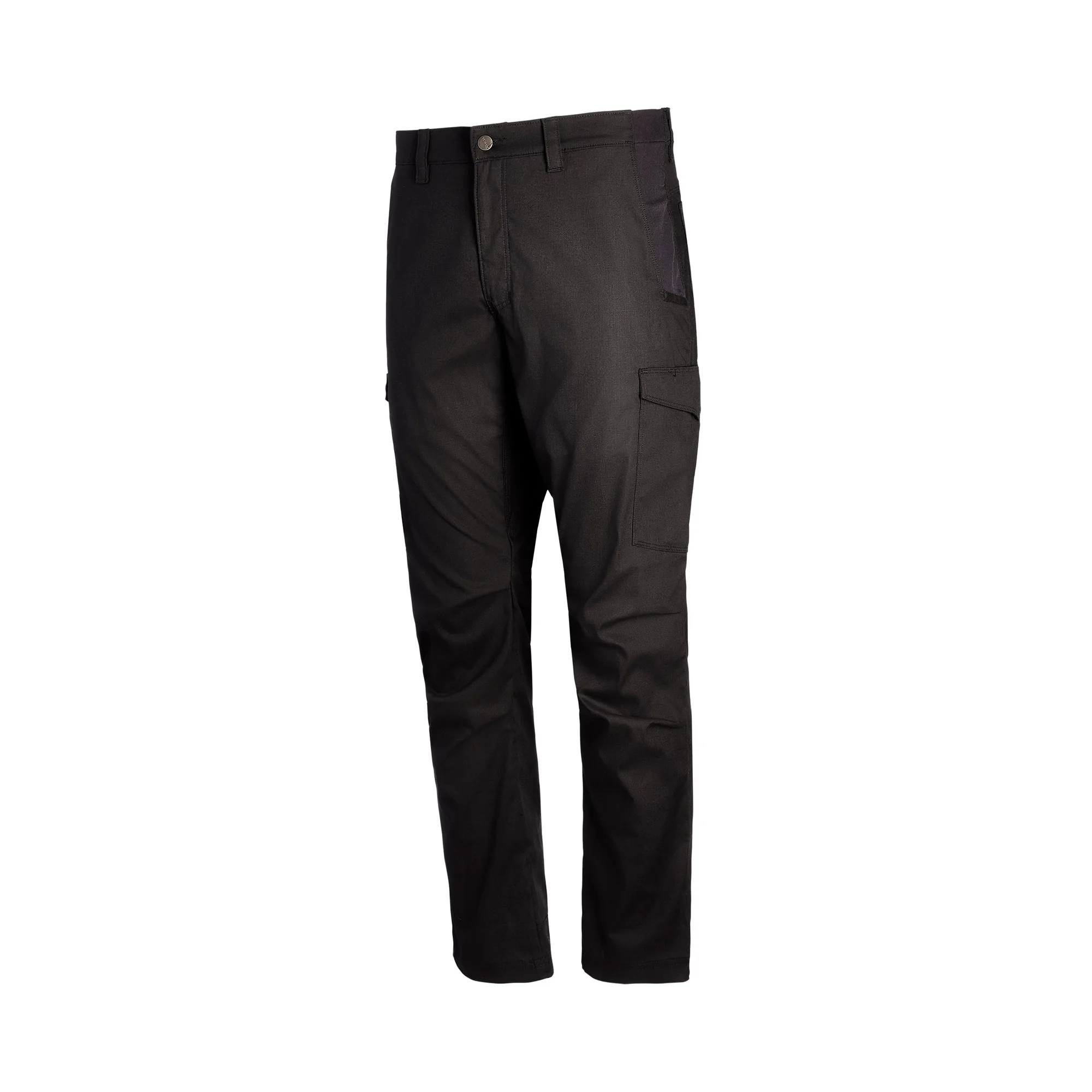
You just got a fresh pair of tactical pants, and they feel stiff, restrictive, and a bit too crisp. That's normal—new tactical pants are built tough, with durable fabrics and reinforced stitching that need a little time to soften and mold to your body. But you don't want to wait weeks for them to feel comfortable. With the right approach, you can speed up the break-in process and enjoy all-day comfort much sooner.
In this guide, we'll walk you through practical steps to break in your tactical pants, from washing techniques to wearing strategies. We'll also touch on how to care for stretch fabrics like those found in the Trailslacker Pant, a popular choice for outdoor and tactical use. By the end, you'll know exactly how to turn stiff new gear into your go-to pants for work, range days, or hiking.
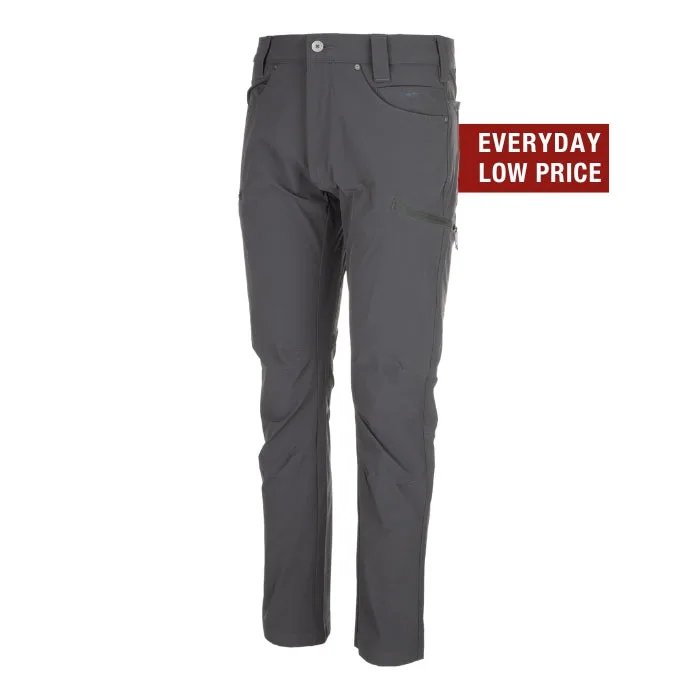
Trailslacker Pant
Why New Tactical Pants Feel Stiff
Tactical pants are designed with durability in mind. They often feature heavy-duty cotton blends, ripstop nylon, or polyester that resist abrasion and tearing. This ruggedness comes at a cost: the fabric starts out stiff and rigid, especially in the knees, seat, and waistband. Additionally, manufacturers may apply a durable water repellent (DWR) finish that adds a crunchy texture until it wears off.
The stiffness can restrict movement and cause discomfort during prolonged wear. Breaking in your pants helps the fibers relax, the seams settle, and the fabric conform to your body's shape. This process not only improves comfort but also enhances mobility, making it easier to squat, kneel, or climb without feeling like you're wearing cardboard.
- New pants often have a factory finish that makes them feel stiff.
- Break-in helps fibers relax and improves flexibility.
Washing and Drying: The First Step
The most effective way to start breaking in tactical pants is to wash them before wearing. Use cold or warm water with a mild detergent, and avoid fabric softeners—they can leave a residue that reduces breathability and may affect water resistance. Turn the pants inside out to protect the outer surface and any DWR coating.
After washing, dry them on low heat or air dry. If you're in a hurry, a dryer on low can help soften the fabric, but be cautious with synthetic blends that can melt or shrink. For stretch fabrics like those in the Trailslacker Pant, air drying is safest to maintain elasticity. Once dry, the pants will feel noticeably softer and more pliable.
- Wash inside out in cold water with mild detergent.
- Avoid fabric softeners; they can leave residue.
- Air dry or use low heat to prevent damage.
Wear Them Around the House
One of the simplest ways to break in tactical pants is to wear them as much as possible. Put them on for a few hours at home, doing everyday activities like sitting, walking, and bending. This helps the fabric stretch and crease in the right places, molding to your body's contours.
For faster results, pair the pants with activities that require movement—like doing chores, stretching, or light exercise. Squats, lunges, and leg lifts can help loosen the knee and crotch areas. Over time, the fabric will soften and the seams will settle, making the pants feel like a second skin.
- Wear new pants for short periods at home to start the break-in.
- Incorporate movement like squats and lunges to stretch the fabric.
Use Heat to Accelerate the Process
Heat can help relax fabric fibers, but you need to be careful. A steam iron or garment steamer can soften stiff areas without damaging the material. Hold the steamer a few inches away and move it over the pants, focusing on the waistband, knees, and seat. The moisture and warmth will help the fibers loosen up.
Another method is to wear the pants during a warm shower (if they're not too bulky) or to use a hairdryer on a low setting while wearing them. The heat combined with movement helps the fabric stretch. However, always check the care label first—some synthetics can melt or warp under high heat.
- Steam or iron on low to relax fibers.
- Wear pants in a warm, steamy bathroom to aid stretching.
Stretch and Flex Exercises
If you need to break in your tactical pants quickly, targeted stretching exercises can work wonders. While wearing the pants, perform a series of deep squats, forward lunges, and leg swings. This encourages the fabric to give in the areas that need the most flexibility, such as the crotch and knees.
You can also try pulling the fabric gently with your hands—especially at the seams—to help them relax. For pants with stretch panels, like the Trailslacker Pant, this is less necessary, but it still helps the overall fit. Just be careful not to pull too hard and damage the stitching.
- Do deep squats and lunges to stretch the fabric.
- Gently pull at seams to help them settle.
Break-In Tips for Stretch Fabrics
Many modern tactical pants, including the Trailslacker Pant, incorporate stretch materials for enhanced mobility. These fabrics are more forgiving from the start, but they still need a bit of break-in to reach their full potential. The key is to avoid excessive heat and to focus on movement-based break-in methods.
For stretch pants, washing in cold water and air drying will preserve the elastic fibers. Wearing them during physical activities like hiking or cycling will help them mold to your legs. With time, the pants will offer a perfect balance of support and flexibility.
- Stretch fabrics need gentle care to maintain elasticity.
- Wear them during physical activities to speed up break-in.
Breaking in your tactical pants doesn't have to be a long, uncomfortable process. By washing them properly, wearing them regularly, and using heat and stretching techniques, you can enjoy all-day comfort in no time. Whether you're wearing a rugged pair for work or a stretch model like the Trailslacker Pant for outdoor adventures, these tips will help you get the most out of your gear. So, put on your pants, move around, and let them become your favorite everyday companion.