Quick Answer
Breathable crib mattresses prioritize airflow to reduce heat buildup and lower rebreathing risk, while traditional mattresses often emphasize firmness and waterproofing. If your baby sleeps hot or you value extra peace of mind, a breathable design is worth the higher cost; otherwise, a traditional mattress can be a budget-friendly choice.
Choosing between a breathable crib mattress and a traditional one is a big decision for your baby's sleep safety and comfort. Both types have their merits, but they serve different priorities. This comparison will walk you through the key differences in materials, airflow, and maintenance to help you make an informed choice.
crib mattress
We'll look at what 'breathable' really means, how it affects temperature regulation and safety, and which features matter most for your family's needs. By the end, you'll know exactly what to look for when shopping for a crib mattress.
What Makes a Crib Mattress Breathable?
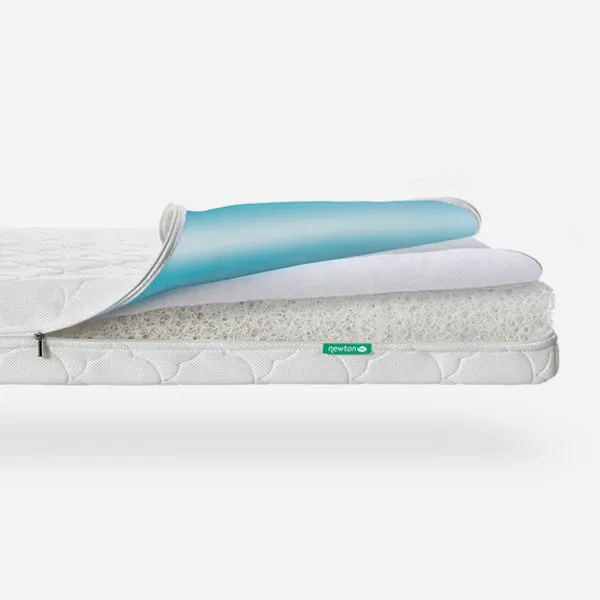
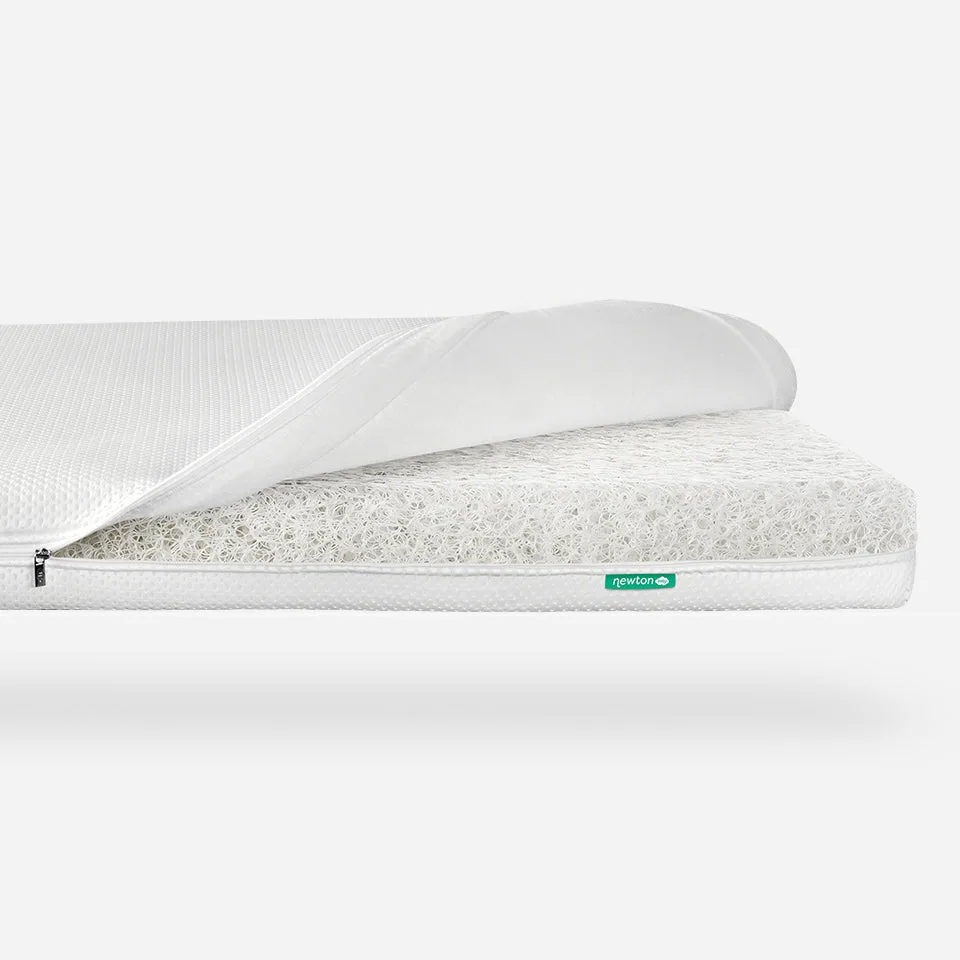
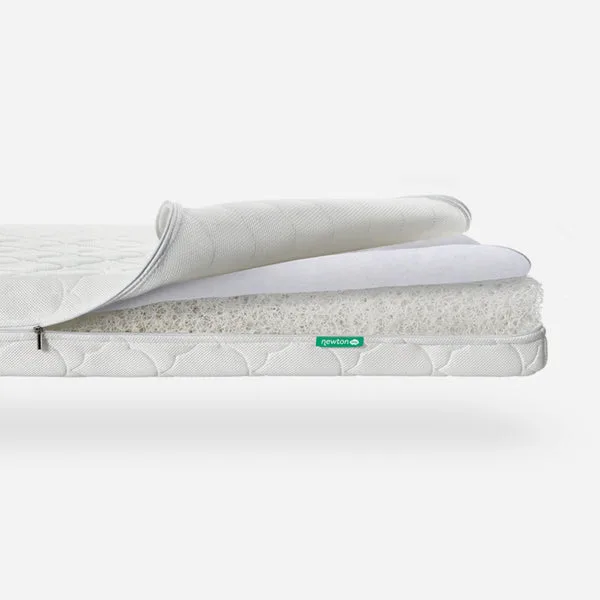
A breathable crib mattress is designed to allow air to flow through the mattress, which helps dissipate heat and moisture. Traditional mattresses often use dense foam or innersprings that can trap heat and limit airflow. Breathable models typically feature a permeable core, like the Wovenaire® core in Newton mattresses, which is made from a food-grade polymer that allows air and water to pass through.
This airflow can help regulate your baby's body temperature, reducing the risk of overheating—a known risk factor for SIDS. Additionally, if your baby rolls onto their stomach, a breathable surface may allow them to breathe more easily, although it's still crucial to always place babies on their backs for sleep.
- Look for mattresses with a breathable core, not just a breathable cover.
- Check if the mattress has been tested for airflow and rebreathing.
- Remember that breathability doesn't replace safe sleep practices like back sleeping.
Material and Firmness Differences
Traditional crib mattresses are usually made from either foam or innerspring coils, covered with a vinyl or waterproof fabric. They are designed to be firm and supportive to reduce SIDS risk. However, foam can sometimes be less durable and may not provide even support over time. Innerspring mattresses are often heavier but can offer better support and longevity.
Breathable crib mattresses often use innovative materials like the Wovenaire® core, which is both breathable and firm. They also tend to be lighter, making sheet changes easier. However, some parents worry that breathable mattresses might be less firm, but many meet safety standards for firmness. It's essential to check for certifications like GREENGUARD Gold to ensure low emissions.
- Test the firmness by pressing the center and edges—it should feel very firm.
- Consider the weight of the mattress for sheet changes and crib adjustments.
- Look for certifications that indicate low chemical emissions.
Temperature Regulation and Comfort
Babies can sleep hot, and a mattress that traps heat can make them uncomfortable and increase the risk of overheating. Breathable mattresses excel in temperature regulation because air circulates through the core, carrying away body heat. Traditional foam mattresses tend to retain heat, which might be fine in cooler climates but could be problematic in summer.
Some traditional mattresses have gel-infused foam or cooling covers to mitigate heat, but these may not be as effective as a truly breathable core. If your baby sweats during sleep or you live in a warm region, a breathable mattress could help them sleep more soundly.
- Observe if your baby's back feels sweaty after naps.
- Choose breathable bedding to complement the mattress's airflow.
- Dress your baby in light layers to avoid overheating.
Maintenance and Durability
Both types of mattresses need waterproof protection to prevent stains and bacteria buildup. Traditional mattresses often have a waterproof outer cover, but this can make them less breathable. Breathable mattresses like Newton's are designed to be fully washable: you can rinse the core and wipe the cover, which is convenient for accidents.
Durability varies: high-quality foam can last for years, but cheaper foam may sag. Innerspring mattresses are durable but heavy. Breathable cores are made from resilient materials that maintain shape, and many come with long warranties. Consider how long you'll use the mattress—convertible cribs can extend its life into the toddler years.
- Check if the mattress cover is removable and machine washable.
- Look for a mattress that can be easily cleaned and dried.
- Consider a mattress that will last through the toddler years if you plan to convert the crib.
The Tradeoffs: Breathable vs. Traditional
- Airflow and Safety: Breathable mattresses offer superior airflow, potentially reducing rebreathing risk. Traditional mattresses may not provide this benefit. If safety is your top priority, breathable is a strong choice.
- Temperature Control: Breathable cores keep babies cooler, while traditional foam can trap heat. This matters for hot sleepers. Choose breathable for warmer climates or sweaty babies.
- Cost and Durability: Breathable mattresses often cost more, but they can be fully washed and last through multiple kids. Traditional options are cheaper upfront but may wear faster. Consider long-term value over initial price.
Featured Crib Mattresses and Their Benefits
- Newton Galileo Convertible Crib: Made with premium, sustainably sourced solid Beech wood from France, our hardwood crib is far more durable than softwood alternatives — goodbye, bite marks! A durable crib frame complements a breathable mattress, ensuring safety and longevity as your baby grows.
- Sprout Convertible Crib: Made with sustainably sourced solid New Zealand pine wood, it meets the highest standards of safety and design and pairs perfectly with our ultra-breathable crib mattress. This crib is designed to work seamlessly with breathable mattresses, providing a safe and comfortable sleep environment.
Which Mattress Is Right for Your Baby?
Best For
- Parents who prioritize maximum airflow and peace of mind regarding SIDS risk.
- Babies who tend to sleep hot or sweat during the night.
Not For
- Families on a tight budget who need the most affordable option.
- Those who prefer the traditional feel of an innerspring mattress.
Ultimately, the choice between a breathable and traditional crib mattress comes down to your priorities. If you value airflow, temperature regulation, and easy cleaning, a breathable mattress like Newton's is a smart investment. If budget is a concern and your baby doesn't sleep hot, a traditional mattress can still be safe and comfortable. Whichever you choose, always follow safe sleep guidelines.