What to look for in running glasses
Running glasses need to stay put, feel light, and match the conditions you train in. The Brennan Acetate Running Glasses are a rectangle frame made from acetate with a medium fit, which makes them a practical choice for many runners. Before you order, focus on three things: how the frame sits on your face, how much weight you are comfortable with, and which color suits your style and visibility needs.
This guide walks through the supplied specifications so you can compare the Brennan with your current glasses and decide if it is the right sports eyewear for you.
Brennan frame numbers at a glance
-
Brennan Acetate Running Glasses: Lens Width 62, Lens Height 31, Frame Width 131, Temple Length 120, Lens Bridge 19 These measurements help you compare the Brennan with your current glasses to see if the frame width and bridge will suit your face.
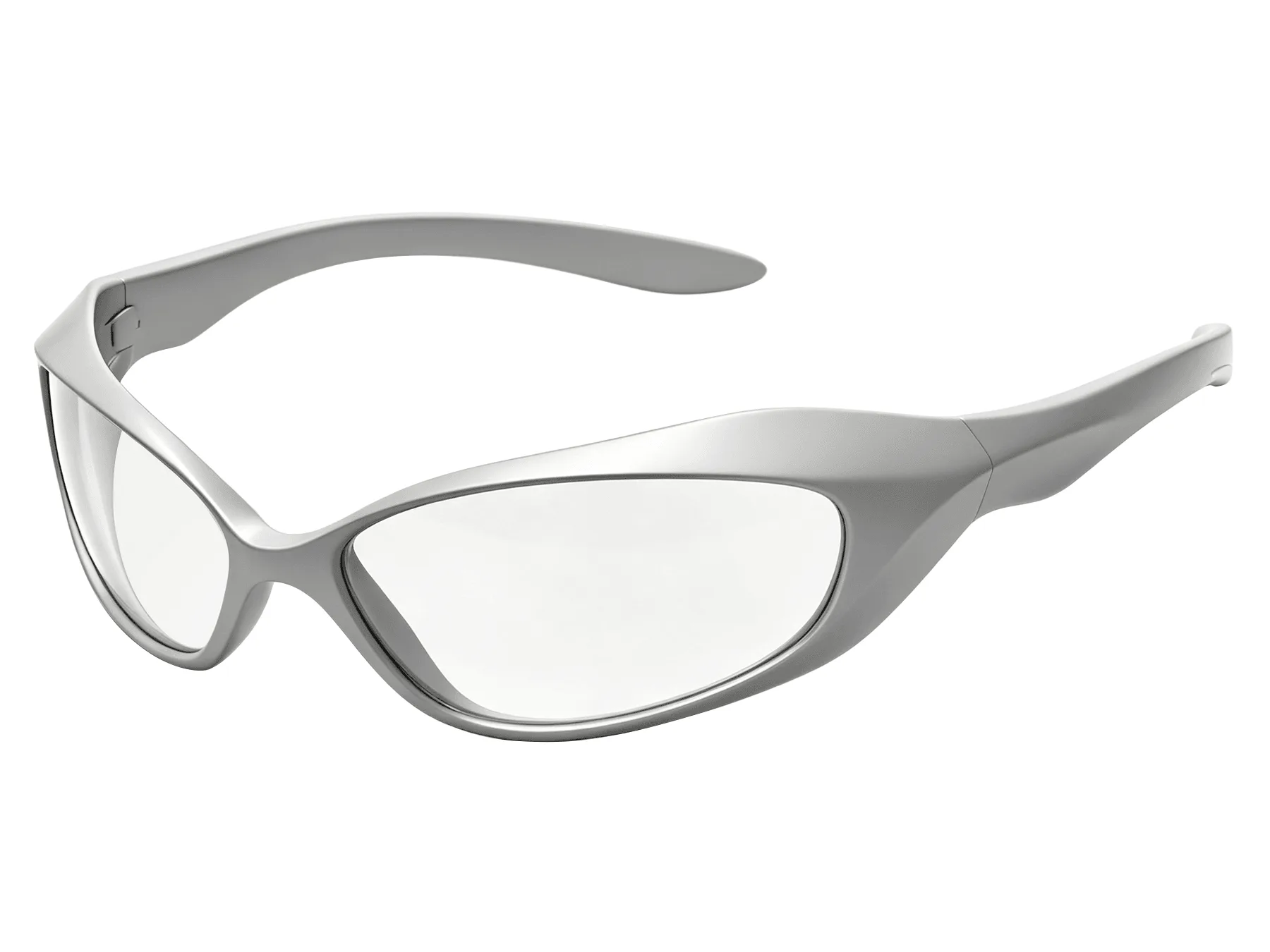
Brennan Acetate Running Glasses
-
Brennan Acetate Running Glasses: Frame Weight 23 grams A lighter frame is often more comfortable during longer runs, and 23 grams is a reasonable weight for an acetate frame.
-
Brennan Acetate Running Glasses: Fit Medium, Shape Rectangle, Material Acetate Medium fit and rectangle shape are key to how the glasses look and feel; acetate is a common, durable frame material.
How to check the fit before you order
The best way to know if the Brennan fits is to compare its numbers with a pair of glasses that already work for you. Look at the frame width: the Brennan has a frame width of 131. If your current glasses are much wider or narrower, the Brennan may feel tight or loose. The temple length of 120 is another important number; temples that are too short can pull the frame forward, and temples that are too long may slide.
The lens bridge of 19 is the distance over your nose. A bridge that is too wide can let the glasses slip down, while a bridge that is too narrow can pinch. Since the Brennan is a medium fit, it is a safe starting point for average face sizes, but individual anatomy varies.
Also consider the lens height of 31. That is a relatively low lens height, which can reduce the amount of coverage and may let more wind or light in from above. If you prefer larger lenses for protection, you might want a frame with a taller lens height.
Trade-offs to consider with acetate frames
- Weight and durability: Acetate is a sturdy material, but it is heavier than some metal or nylon frames. At 23 grams, the Brennan is not the lightest option, but it is still acceptable for most runs.
- Flexibility: Acetate frames are less flexible than plastic or metal alternatives. They hold their shape well, but they can be more prone to cracking if bent or dropped. Treat them with care.
- Comfort over time: Acetate can warm up against your skin, which some people find comfortable and others find sweaty during long runs. Consider how your skin reacts to plastic frames.
Which color should you choose?
The Brennan is available in four color options: White frame and pink legs, Black, Silver, and Brown. Color is more than a style choice. A darker frame like Black or Brown can reduce glare from your peripheral vision, while a lighter frame like White or Silver may reflect more light. For visibility in low-light conditions, lighter colors can make you more noticeable to others.
Think about your running environment. If you run on roads, a bright or light frame can help drivers see you. If you run on trails or in bright sun, a darker frame may be more comfortable. Choose a color that matches both your personal style and your practical needs.
What the supplied information does not confirm
The supplied record does not confirm whether the Brennan lenses offer UV protection, polarization, or anti-fog coating. It also does not state if the frame is suitable for prescription lenses or if it includes any special grip features. If those features are important to you, check with the seller before ordering.
Also, the record does not provide care instructions specific to the Brennan. General acetate care—like wiping with a soft cloth and avoiding harsh chemicals—is a safe approach, but follow any instructions that come with the product.