Quick Answer
You don't need a teapot to enjoy loose leaf tea. Use a mug with a tea infuser basket, a French press, a DIY filter, a cold brew pitcher, or even a saucepan. Each method steeps the leaves fully, and we'll walk you through the steps to get a great cup every time.
So you've bought a beautiful pouch of loose leaf tea, but you don't own a teapot. Maybe you're traveling, just starting out, or your teapot is in the dishwasher. The good news: you can brew a delicious cup with everyday kitchen tools.
Below are five practical methods that require no special equipment. We'll cover the basics of water temperature, steeping time, and how to avoid a bitter or watery cup. Plus, we'll suggest a few DAVIDsTEA blends that work especially well with each technique.
Method 1: Use a Mug and a Tea Infuser Basket
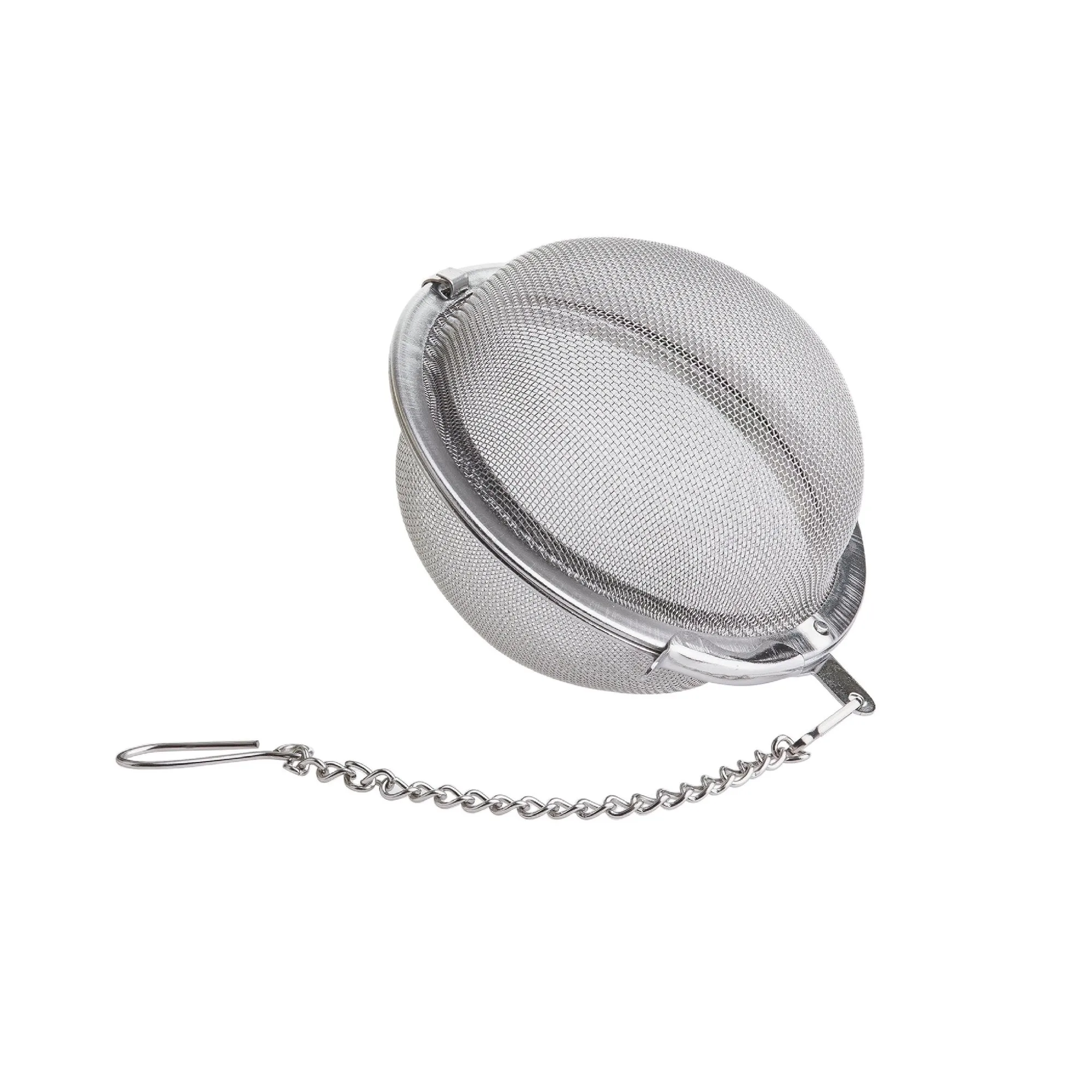
A tea infuser basket is a simple metal or silicone basket that sits in your mug. It gives the leaves plenty of room to expand, which is key for flavor. Place the basket in your mug, add about one teaspoon of tea per 8 ounces of water, and pour hot water over it. Let it steep for the recommended time, then lift the basket out.
Common mistake: overfilling the infuser. If you cram the leaves, they can't expand and you'll get a weak brew. Use a generous but loose fill. Check the color and aroma as it steeps—if it looks strong enough before the suggested time, taste it. You can always add more hot water to dilute.
This method is perfect for flavored black teas or herbal blends. For a fruity twist, try Organic The Earl's Garden Tea—its strawberry notes shine when steeped properly.
- Use a mug that's large enough for the infuser to sit comfortably without touching the bottom too much.
Method 2: Brew Directly in a Mug (and Strain)
No infuser? You can add the tea leaves directly to your mug, pour hot water, and let it steep. After the desired time, strain the tea into another mug or cup using a fine-mesh sieve. If you don't have a sieve, you can pour slowly and let the leaves settle at the bottom, but you'll get a few bits in your last sip.
The trick is to control the steeping time. Since the leaves stay in the water, over-steeping happens quickly. Set a timer and pour the tea through a strainer as soon as it's ready. For a clean cup, you can also use a paper filter or a clean cloth.
This works well for green teas and delicate whites. For a refreshing afternoon pick-me-up, try https://davidsteaym.com/products/peachy-green-cold-brew-tea-3f29e6189962f8236126f2c1-544647Peachy Green Cold Brew Tea—though it's designed for cold brewing, you can also enjoy it hot using this method.
- If you don't have a strainer, use a spoon to hold back the leaves as you pour.
Method 3: Steep Loose Leaf Tea in a French Press
A French press isn't just for coffee. It's an excellent tea brewer because the plunger filters the leaves effortlessly. Add your tea to the carafe, pour hot water, and let it steep. After the recommended time, press the plunger down slowly and pour. The leaves are trapped at the bottom, so you get a clean cup.
One benefit is that you can brew multiple cups at once. For a single cup, use a small French press. Make sure the mesh is fine enough to catch small particles; if not, you can double-strain.
This is ideal for robust black teas and herbal infusions. https://davidsteaym.com/products/apple-cider-tea-us-2d6d6a995652f378392c7ca1-544336Apple Cider Tea, with its sweet, clean apple taste and hint of creaminess, makes a comforting brew in a French press.
- Don't press too hard or too fast—this can release bitter tannins from the leaves.
Method 4: Cold Brew in a Pitcher or Jar
Cold brewing is the easiest method: no hot water, no steeping time worries. Add loose leaf tea to a pitcher or large jar, fill with cold water, and refrigerate for 6–12 hours. Strain and serve over ice. The result is a smooth, less bitter tea because cold water extracts flavors slowly.
Use about 1.5 times the amount of tea you'd use for hot brewing, since cold extraction is gentler. You can experiment with steeping time to find your preferred strength. This method is perfect for summer or when you want a refreshing drink.
Peachy Green Cold Brew Tea is designed for this—it combines sencha and matcha with ripe peach for a crisp, cooling brew. Just add cold water and let it work its magic.
- Try a cold brew in the morning for an afternoon treat—it's a great make-ahead drink.
Method 5: Use a Saucepan (Stovetop Brewing)
When you're camping or just don't have a kettle, you can brew tea in a saucepan. Fill it with water, heat until just below boiling, then remove from heat. Add your tea leaves, cover, and let steep for the required time. Strain into a mug.
The key is to not let the water boil with the leaves in it—that will make the tea bitter. Keep the heat off during steeping. This method works for any tea, but be careful with delicate greens that need cooler water.
For a cozy, caffeine-free option, Sleigh Ride Tea—with its blend of cinnamon, apples, and almonds—steeps beautifully on the stovetop and fills your kitchen with holiday aromas.
- Use a thermometer if you have one to ensure the water temperature is right for your tea type.
Step-by-Step: Perfect Loose Leaf Tea Without a Teapot
- Choose your method: Pick one of the five methods based on what you have: infuser basket, strainer, French press, pitcher, or saucepan. Checkpoint: Ensure your equipment is clean and free of coffee or other residues.
- Measure the tea: Use about 1 teaspoon of loose leaf tea per 8 ounces of water. For cold brew, use 1.5 teaspoons per 8 ounces. Checkpoint: Adjust to taste, but start with the recommended amount.
- Heat water to the right temperature: Different teas need different temperatures: green tea around 175°F (80°C), black tea around 200°F (93°C), and herbal infusions at boiling. Checkpoint: If you don't have a thermometer, let boiling water sit for a minute for green tea.
- Steep for the right time: Typical times: green tea 2–3 minutes, black tea 3–5 minutes, herbal 5–7 minutes. Set a timer. Checkpoint: Taste a little before the time is up to avoid over-steeping.
- Strain and enjoy: Remove the leaves using your chosen method—lift the infuser, press the plunger, or pour through a strainer. Checkpoint: If the tea is too strong, add a splash of hot water to dilute.
Teas That Work Well Without a Teapot
- Organic The Earl's Garden Tea: This lively and aromatic blend features your familiar Earl Grey flavours with a bounty of fresh strawberry. Try it iced and enjoy your new outdoor adventure staple. Its robust black tea base stands up well to mug brewing and infuser baskets, and the strawberry notes make it refreshing when cold-brewed or iced.
- Peachy Green Cold Brew Tea: We took two of Japan’s most beloved styles of green tea—pure sencha and a sprinkle of matcha—and added a gentle touch of fresh, summery ripe peach. Specifically crafted for cold brewing, this tea is perfect for the pitcher method, delivering a smooth, peachy flavor without any special equipment.
Brewing loose leaf tea without a teapot is simple once you know a few tricks. Experiment with these methods to find your favorite, and don't be afraid to adjust the tea amount and steeping time. With the right technique, you'll enjoy a delicious cup every time, no teapot required.