What Makes Rift Valley Currant Unique
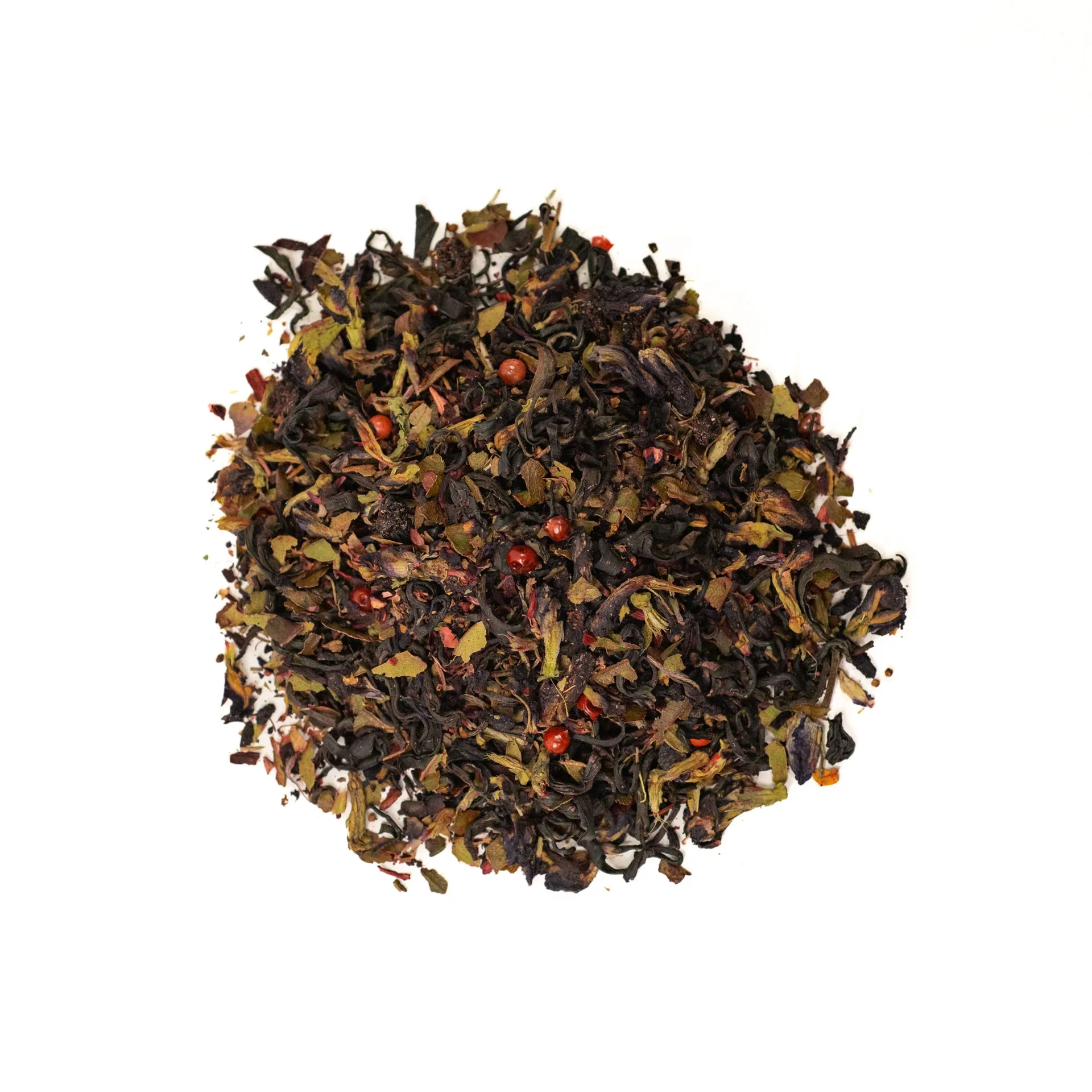
Rift Valley Currant is a custom black currant tea that combines black currants with Kenyan purple tea. The catalog describes its taste as tart and earthy, with sweet murmurs, and notes that it is complex and layered rather than berry sweet. The liquor shows various purple hues, making it both beautiful and robust. This tea is a favorite at the Missoula tea shop served chilled, and it is also excellent hot.
Because the flavor is not straightforwardly sweet, brewing this tea well matters. The purple tea component, rich in anthocyanin antioxidants, and the black currants, rich in vitamin C and antioxidants, create a cup that rewards careful preparation.
What the Catalog Confirms About Rift Valley Currant
-
Rift Valley Currant: Rift Valley Currant combines healthy black currants with prized Kenyan Purple tea. The blend means both the black currant and purple tea contribute to flavor and color; neither dominates, so brewing should respect both ingredients.
Rift Valley Currant
-
Rift Valley Currant: The taste is tart and earthy, with sweet murmurs, and the liquor shows various purple hues. Expect a complex, layered cup. The purple hues are a visual clue that anthocyanins are present, but the catalog does not specify exact steeping parameters.
-
Rift Valley Currant: It is a chilled tea favorite and also stupendous hot. This tea works for both hot and iced brewing, so you can adapt the method to your preference.
Hot Brewing Approach for Rift Valley Currant
Since the catalog does not specify exact water temperature or steeping time for Rift Valley Currant, you have room to experiment. For purple tea, a common approach is to use water that is hot but not boiling, similar to how you might brew a delicate black tea. Start with water just off the boil and steep for a short time, then adjust based on taste.
Because the tea is tart and earthy, a shorter steep may highlight the sweet murmurs, while a longer steep can bring out more of the black currant tartness. Try a first steep of a few minutes and taste. If the cup is too tart, reduce steep time; if too weak, increase it. The catalog confirms the liquor is robust, so you can push the steep without fear of a weak cup.
Iced Brewing for a Chilled Favorite
The catalog notes that Rift Valley Currant is a chilled tea favorite at the Missoula tea shop. For iced tea, you can brew the tea double-strength hot, then pour over ice. Alternatively, cold brew by steeping the tea in cold water for several hours in the refrigerator. The tart and earthy flavor holds up well to chilling and dilution from ice.
The purple hues become even more striking in a glass over ice, and the anthocyanins remain intact with cold brewing. Start with a standard ratio of tea to water and adjust to your taste.
Choosing Your Size and Adjusting
Rift Valley Currant is available in four sizes: 40g (16 cups), 100g (40 cups), 200g (80 cups), and 500g (200 cups). If you are new to this tea, the 40g size lets you experiment with brewing before committing to a larger quantity. For regular iced tea drinkers, the larger sizes may be more practical.
The catalog does not specify a tea-to-water ratio, so start with about one teaspoon per cup and adjust. The tea is robust, so you can use slightly more leaf for a stronger brew without over-extracting bitterness.
What the Catalog Does Not Settle
The supplied information does not include precise water temperature, steeping time, or leaf-to-water ratio. This means you will need to experiment to find your perfect cup. The catalog confirms the tea is tart, earthy, and robust, so you have a good starting point. The lack of instructions is not a flaw but an invitation to explore the tea's complexity on your own terms.