Myth 1: A vitamin C mask works like a vitamin C serum
Vitamin C serums are typically leave-on products, but a mask is a timed treatment you rinse or remove. The Brightening Vitamin C Mask is described as a multitasking active face mask, not a serum, and its own guidance is to take 5 minutes every 2-3 days. That short contact time is the point: you are not replacing a daily serum step, you are adding an exfoliating treatment to your routine.
So the honest answer to does vitamin C mask brighten skin is yes, but as a temporary glow boost from exfoliation and vitamin C-rich Kakadu Plum, not a permanent skin tone change. The catalog describes it as revealing your brightest glow, which is a cosmetic result, not a medical one.
Myth 2: Tingling means the mask is working harder
Tingling is a common assumption that stronger equals better, but the supplied information does not describe tingling as an expected or desirable effect. The formula includes glycolic acid, salicylic acid, lactic acid, and papaya and pineapple extracts, so it is a genuine exfoliant, and the catalog calls it gentle yet effective. That does not confirm tingling is normal for everyone.
If you feel stinging or burning rather than a mild tingle, treat it as a signal to remove the mask and reassess rather than pushing through. The supplied record does not include patch-test guidance or a list of skin types it suits, so those details are not confirmed here. If you have sensitive skin, ask a professional before adding an acid-based mask.
What the Brightening Vitamin C Mask actually contains
-
Brightening Vitamin C Mask: Made with vitamin C-rich Kakadu Plum to reveal your brightest glow. This is the vitamin C source the brand names, so it supports the brightening claim without implying a permanent change.
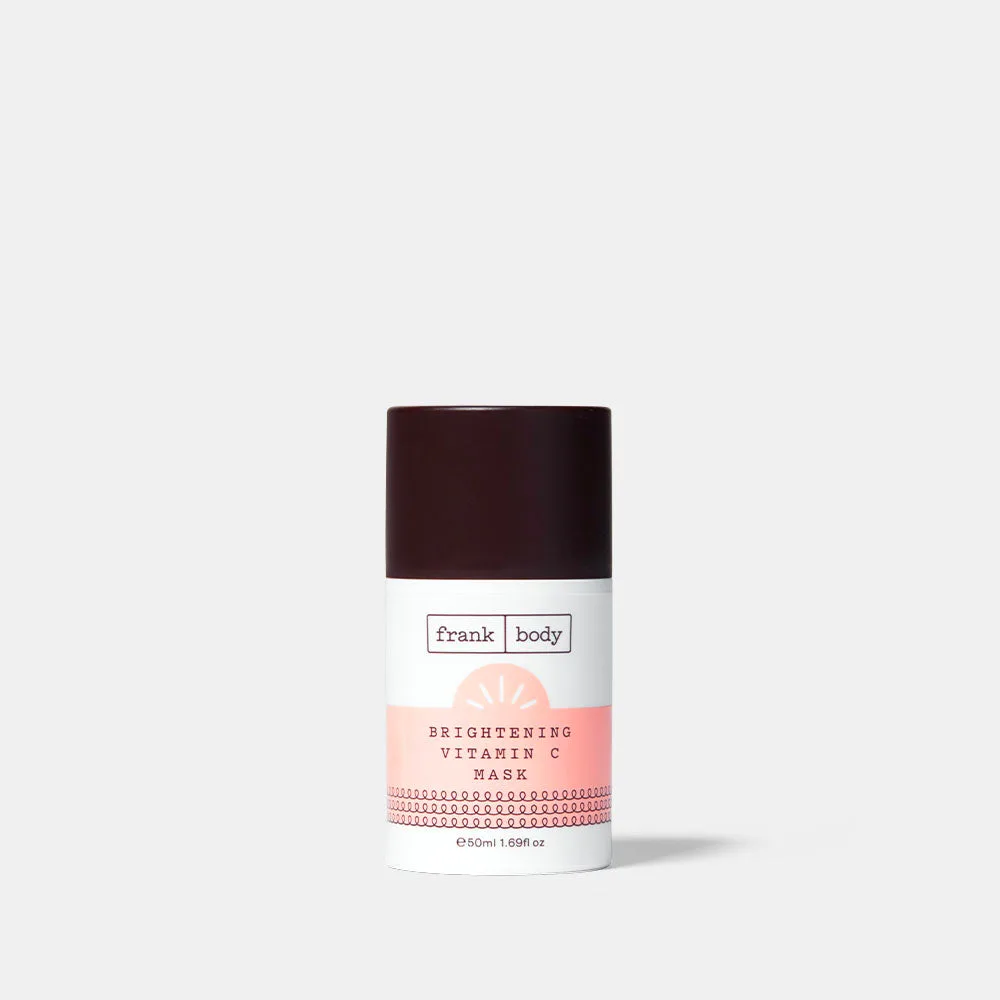
Brightening Vitamin C Mask
-
Brightening Vitamin C Mask: Gobbles up dead skin cells with papaya and pineapple extract and glycolic acid. Explains why the mask can create a smoother, more radiant look in a short time.
-
Brightening Vitamin C Mask: Salicylic acid goes deep into pores to clear them out, while lactic acid hydrates and plumps. Shows the mask is doing more than vitamin C alone, which is why it is called multitasking.
Myth 3: You can leave it on as long as you like
The product's own instruction is 5 minutes every 2-3 days, so vitamin C mask how long to leave on has a clear answer: five minutes, not until it dries or until you remember. Leaving an acid-based mask on longer is not supported by the supplied information and is not recommended here.
The same record gives the frequency: every 2-3 days. That is the only usage cadence provided, so avoid layering it with other exfoliating acids on the same day unless a professional advises otherwise.
Myth 4: Brightening masks are one-size-fits-all
The catalog describes the mask as gentle yet effective and lists hyperpigmentation, scarring, and fine lines as the concerns it targets. That is marketing language about intended cosmetic use, not a guarantee of results or a statement that every skin type can tolerate it.
The supplied evidence does not confirm suitability for sensitive skin, and it does not include a full ingredient list or warnings beyond the usage instruction. If your skin reacts to acids or you are unsure, that missing detail matters more than any claim on the page.
Myth 5: A higher price is what makes a mask brighten
The Brightening Vitamin C Mask is listed at USD 16.64 against a catalog comparison price of USD 26.00, and the brand describes it as having a down to earth price tag. Price is not an active ingredient, though. What supports the brightening claim is the combination of Kakadu Plum, the fruit extracts, and the three acids named in the record.
That makes this a reasonable option if you want a short-contact exfoliating mask at a lower price point, but it is not evidence that it outperforms a serum or a professional treatment. Judge it on whether your skin tolerates the acids and whether the five-minute routine fits your week.