Quick answer
Bronzer adds warmth and a sun-kissed glow, while contour creates shadows to define and sculpt your face. Use bronzer on areas where the sun naturally hits—cheeks, forehead, nose—and contour in hollows like under your cheekbones and along your jawline. Choose bronzer for a healthy glow and contour for structural definition.
Bronzer and contour are often lumped together, but they serve very different purposes in your makeup routine. Understanding the distinction can elevate your look from a simple flush of color to a professionally sculpted finish.
In this guide, we'll break down the key differences, explain when to use each, and help you choose the right products for your desired effect—whether you want a warm, lit-from-within glow or sharp, defined cheekbones.
What Is Bronzer?
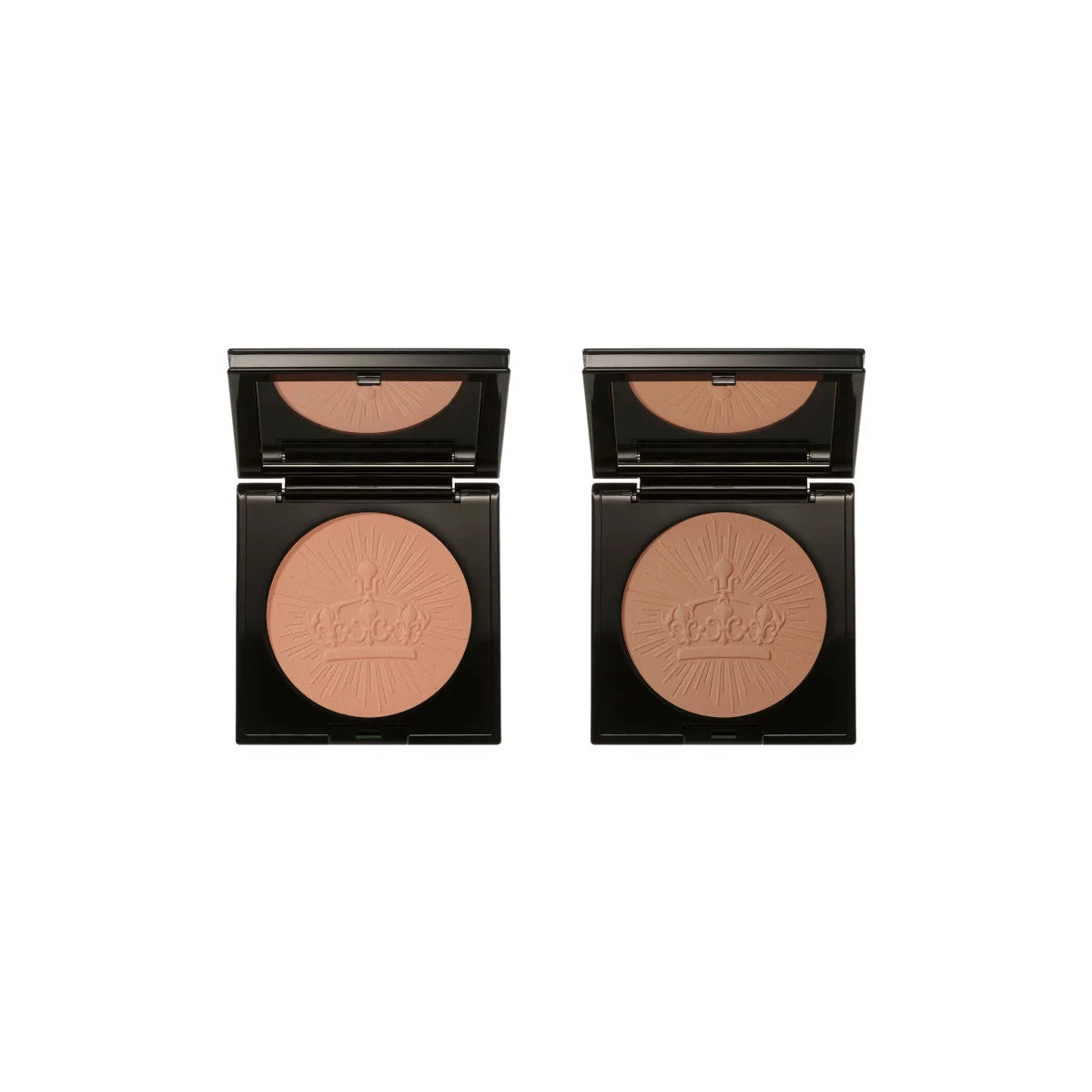
Bronzer is designed to mimic a natural tan, adding warmth and a healthy, sun-kissed glow to your complexion. It typically has a warmer, sometimes shimmery finish and is applied to the high points of your face where the sun naturally hits: forehead, cheekbones, nose, and chin.
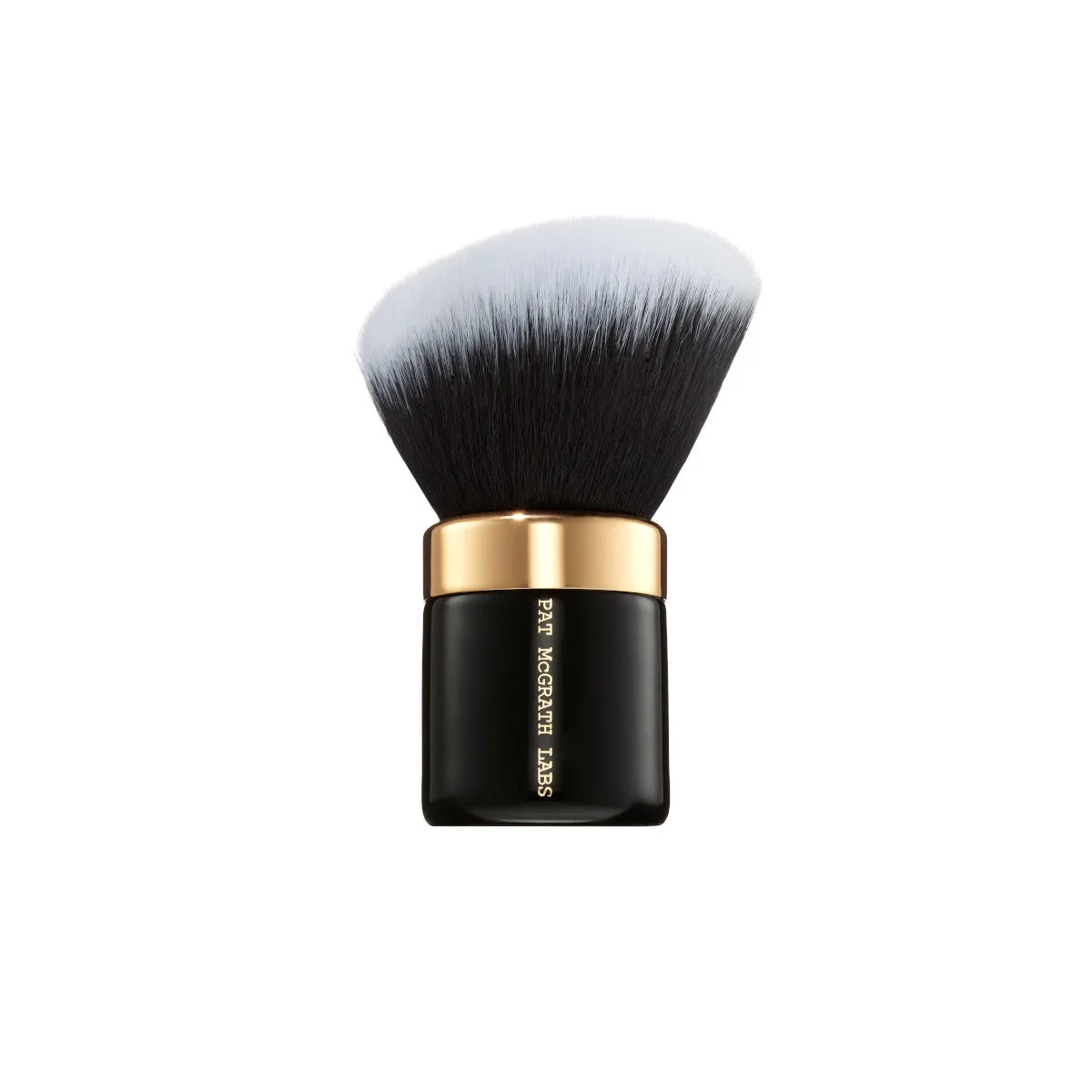
When you want to look refreshed and radiant, bronzer is your go-to. It can also be used to warm up the perimeter of your face for a subtle, all-over glow. For a natural-looking result, choose a shade that is only a couple of shades deeper than your skin tone and apply with a fluffy brush.
- Use bronzer for a healthy, sun-kissed glow.
- Apply to high points: forehead, cheekbones, nose, chin.
- Choose a warm, golden shade for best results.
What Is Contour?
Contour, on the other hand, is all about creating shadows to define and sculpt your facial structure. It uses cooler, more neutral or taupe tones to mimic natural shadows, making features appear more prominent or slimmer. Contour is applied to the hollows of your cheeks, along your jawline, and the sides of your nose.
If your goal is to add definition—sharp cheekbones, a slimmer nose, or a more chiseled jawline—contour is the product you need. It's typically matte and applied with a smaller, angled brush for precision. The key is to blend well to avoid harsh lines.
- Use contour to create shadows and define facial features.
- Apply to hollows: under cheekbones, jawline, nose sides.
- Choose a cool, taupe shade that mimics natural shadows.
When to Use Bronzer vs. Contour
Both can be used together for a complete sculpted look, but understanding when to prioritize each depends on your goal. If you want a quick, fresh-faced look, bronzer alone can add life to your complexion. If you're going for a more dramatic, evening look or want to enhance your bone structure, contour is essential.
A common mistake is using bronzer as contour, which can leave your face looking orange or muddy. Conversely, using contour as bronzer can make your skin look dull and flat. Knowing the difference ensures you achieve the right effect.
- Use bronzer for a natural, everyday glow.
- Use contour for events or when you want more definition.
- Layer bronzer over contour for a sculpted, sun-kissed look.
How to Choose the Right Products
When selecting bronzer and contour products, consider your skin tone and the finish you prefer. For a soft, buildable glow, look for a powder blush formula that can be layered. For a dewy, lit-from-within look, a cream or balm texture works beautifully.
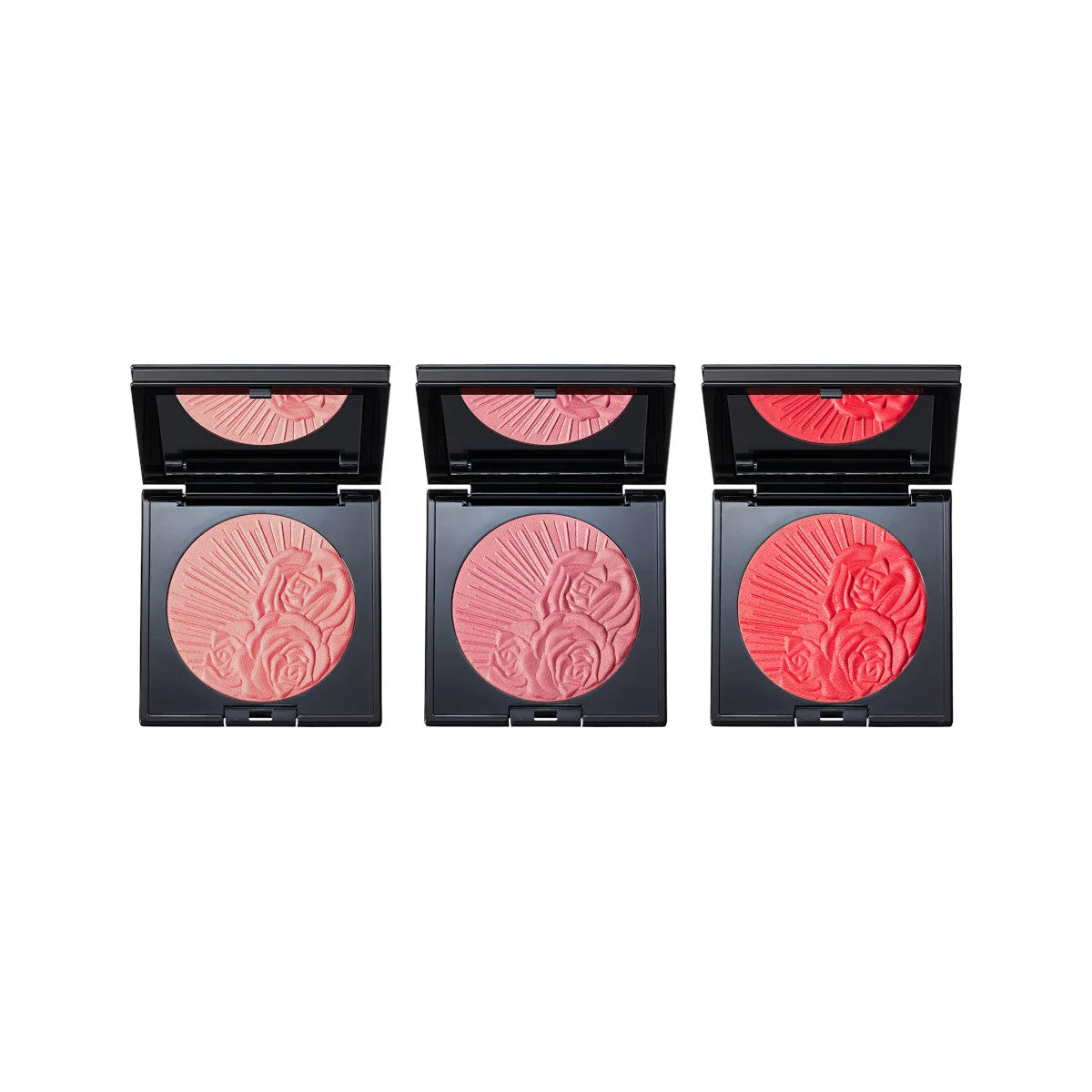
PAT McGRATH LABS offers products that cater to both needs. For example, the Skin Fetish: Divine Blush is a buildable powder that can be used to add warmth, while the Skin Fetish: Highlighter + Balm Duo can provide a glowy finish. For contouring, look for cooler-toned products specifically designed for sculpting.
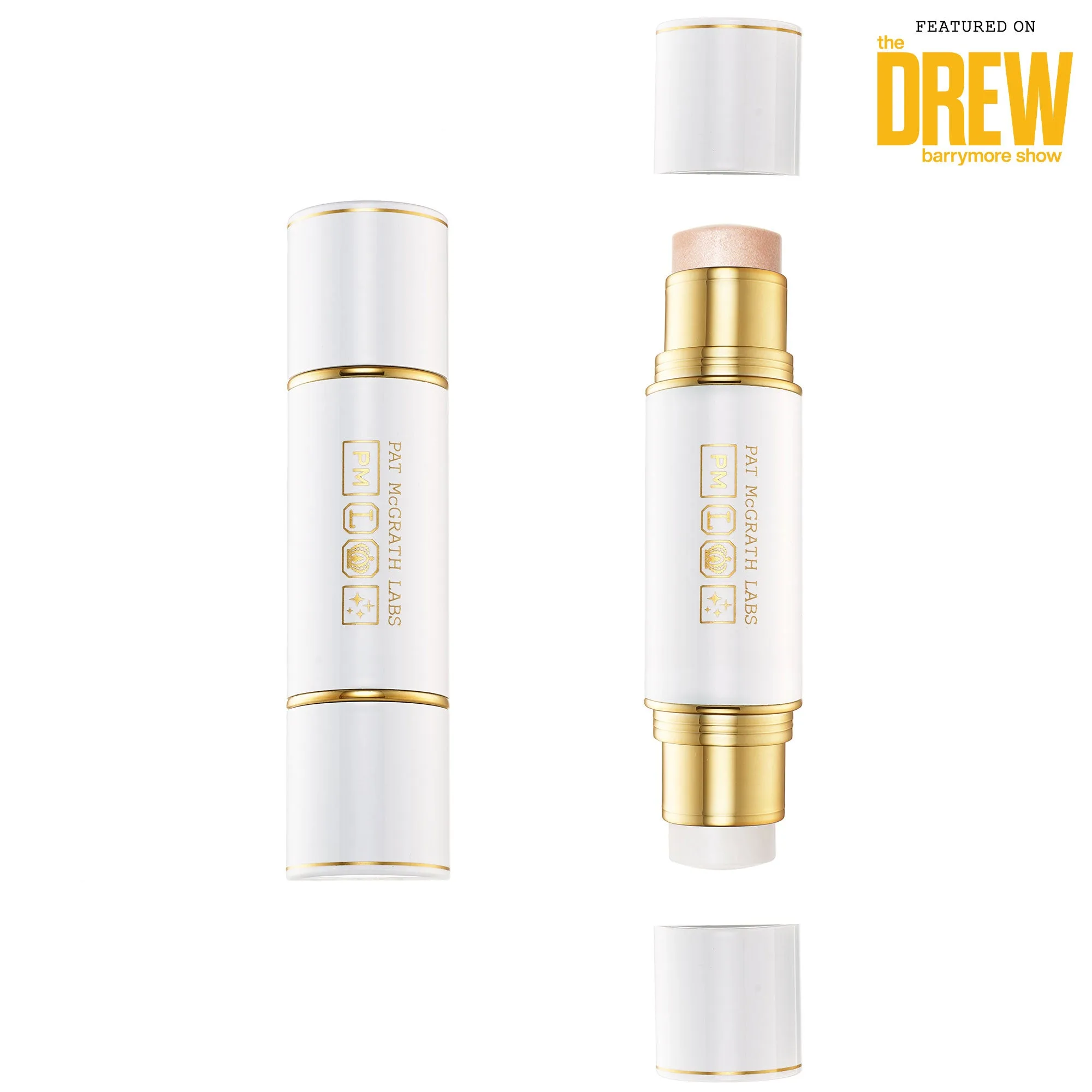
Skin Fetish: Highlighter + Balm Duo
- Match product texture to your skin type: powder for oily, cream for dry.
- Choose shades that complement your undertone: warm for bronzer, cool for contour.
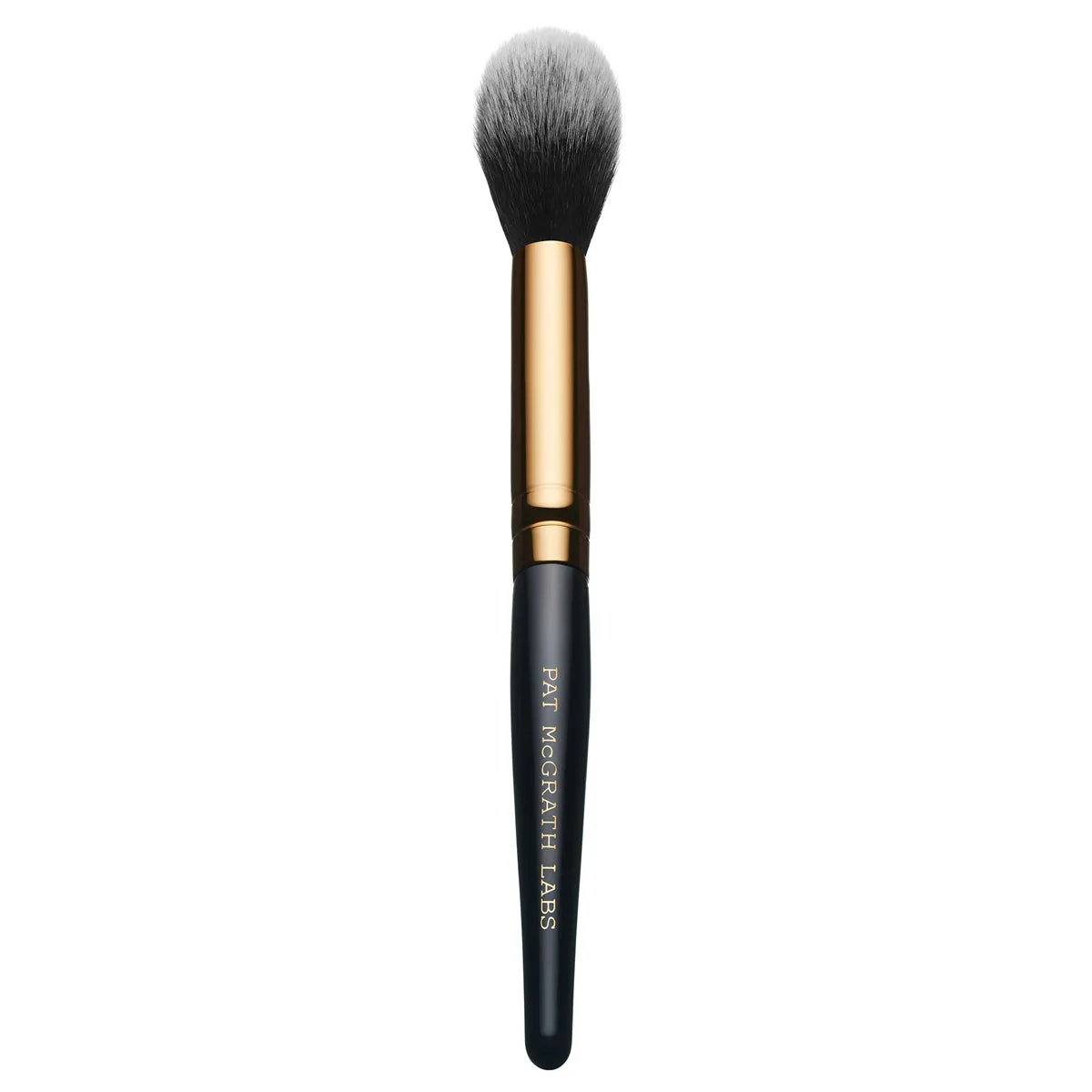
- Invest in good brushes for seamless blending.
The Trade-Off: Warmth vs. Definition
- Bronzer for Warmth: Bronzer adds a healthy, sun-kissed glow and warmth to your complexion. It's ideal for creating a youthful, radiant look, but it doesn't add structural definition. Choose bronzer when you want to look fresh and glowing, not necessarily sculpted.
- Contour for Definition: Contour creates shadows that define your bone structure, making your face appear more chiseled and angular. However, it can look harsh if not blended properly and may not add any warmth. Choose contour when you want to sculpt your face for a more dramatic or polished look.
- Combining Both: Using bronzer and contour together gives you the best of both worlds: warmth and definition. Apply contour first to create shadows, then layer bronzer on top to add a healthy glow. For a complete look, use both products—contour to sculpt, bronzer to warm.
Products to Consider
- Skin Fetish: Divine Blush: A buildable, petal-soft blush that delivers a natural, lit-from-within glow. This best-selling face formula blends seamlessly for a fresh, demi-matte finish that flatters every skin tone. While it's a blush, its buildable nature makes it versatile for adding warmth to the cheeks, similar to a bronzer. The demi-matte finish avoids looking greasy, making it a good option for a natural glow.
- Skin Fetish: Highlighter + Balm Duo: A two-sided product designed to deliver a luxe glow. This face bestseller combines a highlighter for a luminous sheen and a balm for a dewy, skin-like finish. Available in Nude and Bronze shades. The Bronze shade can serve as a cream bronzer for a dewy, sun-kissed effect, while the highlighter adds a lit-from-within luminosity. This duo is perfect for achieving a radiant, sculpted look without powder.
Which Should You Choose?
Best for
- Those seeking a natural, sun-kissed glow without heavy makeup.
- Makeup enthusiasts who want to add warmth and dimension to their face.
Not for
- People looking for intense facial restructuring or dramatic contouring effects.
- Those with very fair skin who may find warm bronzers too orange; opt for cooler, subtle bronzers or stick to contour.
Understanding the difference between bronzer and contour is key to achieving your desired makeup look. Bronzer adds warmth and a healthy glow, while contour provides definition and structure. By choosing the right products and applying them correctly, you can enhance your natural features and create a flawless, professional finish. Experiment with both to find the perfect balance for your style.